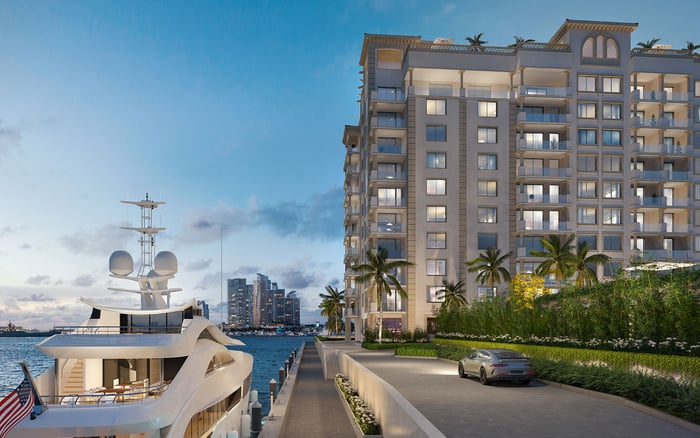
A discreet buyer-focused look at how privacy, governance, arrival experience, and social discretion shape the Fisher Island residential decision.
For the most private buyers in South Florida, security is rarely judged by a single gate, lobby desk, or access point. It is judged by the total residential experience: how one arrives, how guests are received, how staff moves through the property, how visible daily routines feel, and how naturally a home protects both family life and professional discretion.
That is the lens through which Fisher Island is often evaluated. Its appeal is not simply that it is known as a highly private address. The distinction is that privacy becomes part of the lifestyle architecture. Buyers are not only purchasing walls, views, finishes, or amenities. They are purchasing a quieter way of being at home, one that feels removed from the public pace of Miami without requiring emotional distance from the city itself.
This is why the conversation around Fisher Island security and privacy is more nuanced than a checklist. A residence may have strong building protocols, but the larger question is whether the entire environment supports the same standard. For many ultra-high-net-worth owners, that consistency is what separates a secure residence from a truly private residential experience.
The first measure is arrival. Not the drama of arrival, but the absence of it. At this level, privacy often means movement feels calm, expected, and professionally managed. Buyers want a residence where daily transitions do not create exposure, friction, or unnecessary attention.
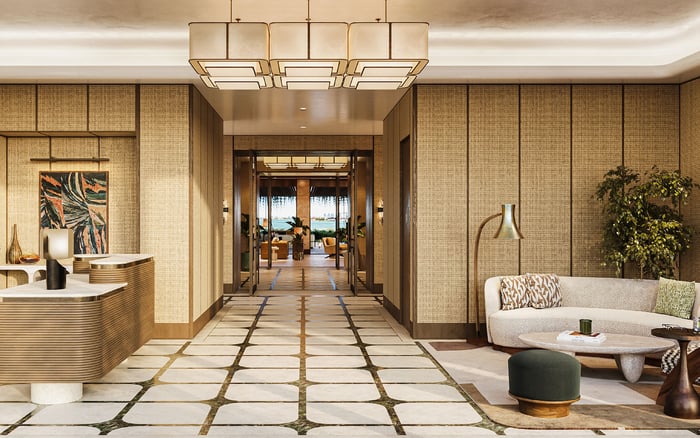
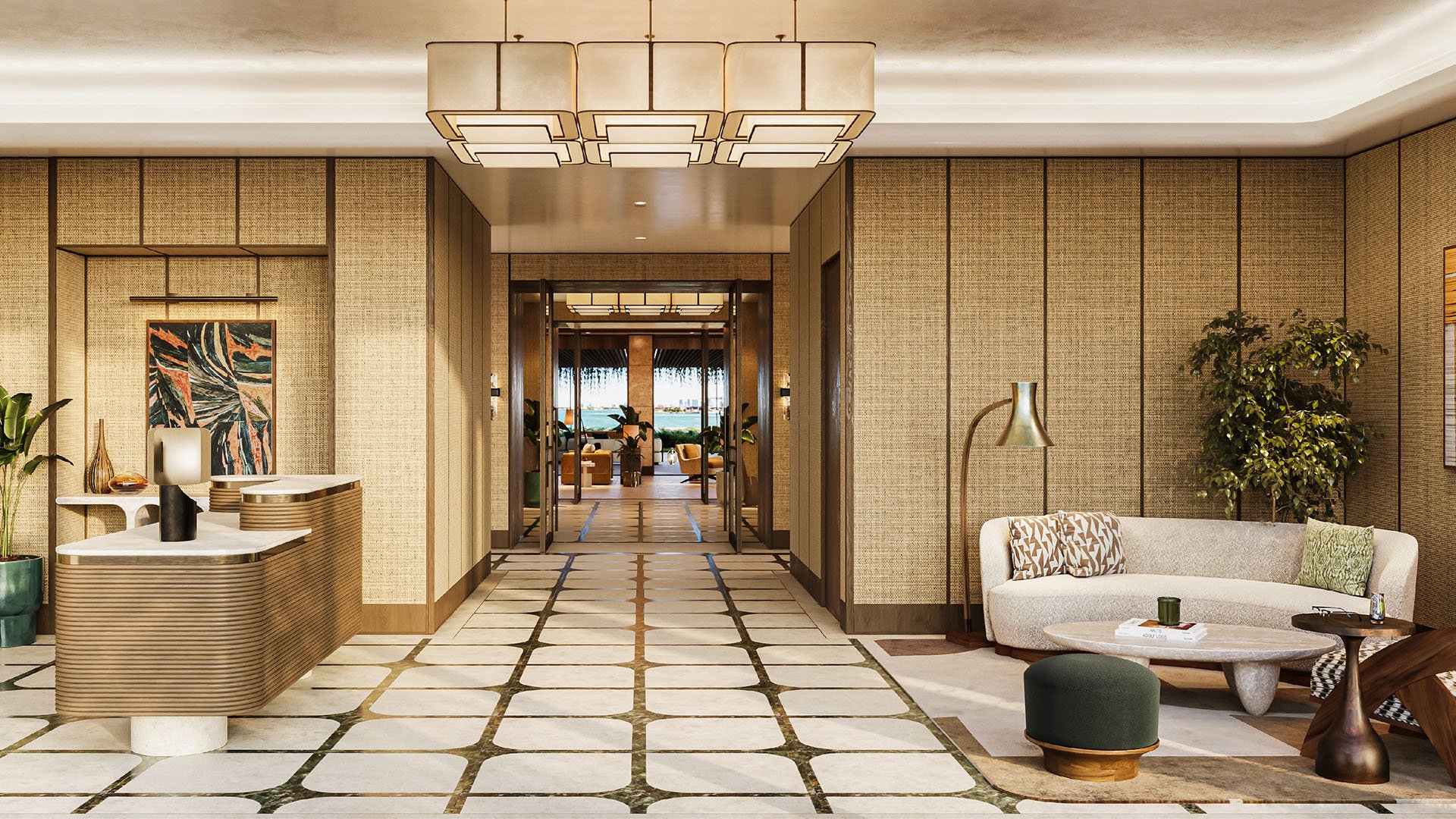
The second measure is circulation. A private home is only as discreet as the spaces around it. Elevator access, garage planning, service routes, lobby design, guest handling, and staff coordination all matter. The best residences make privacy feel effortless because the building has been conceived around the realities of full-time living, seasonal ownership, visiting family, household teams, and entertaining.
The third measure is culture. In ultra-prime communities, discretion is not only operational. It is social. Residents often value environments where privacy is presumed, not requested. That expectation can be as important as architecture, especially for buyers who are recognizable in business, entertainment, finance, technology, or philanthropy.
For a buyer moving from Aventura, Miami Beach, Brickell, or a global city, the difference can feel subtle at first and decisive over time. The best private addresses do not announce protection. They make ordinary life feel less exposed.
Fisher Island is frequently discussed as an address where privacy is embedded into the idea of home. That does not mean every residence should be evaluated the same way. It means the buyer’s due diligence should extend beyond square footage and design to the quality of the entire residential rhythm.
A waterfront condominium, a larger residence, and an estate-style home may each create a different privacy profile. A buyer considering Palazzo del Sol Fisher Island may be focused on the quietness of vertical living and service expectations. A buyer drawn to Palazzo della Luna Fisher Island may be evaluating how a refined building environment supports daily discretion. Those considering The Residences at Six Fisher Island may be weighing the appeal of new residential planning in a rare island context.
For buyers seeking a different residential posture, The Links Estates at Fisher Island introduces another way to think about privacy: not only within the building envelope, but across the experience of grounds, separation, arrival, and household flow.
The point is not that one format is universally better. It is that privacy must match the owner’s life. A family with young children, a principal with a visible public profile, and a second-home buyer who visits seasonally may each require a different blend of access, staffing, entertaining capacity, and retreat.
The most important questions are practical. How are guests announced and received? How does the building manage deliveries and service providers? Does the residence allow household staff to operate without interrupting family areas? Can owners entertain without sacrificing privacy the next morning? How visible are terraces, entry points, and common areas from neighboring residences or shared spaces?
Buyers should also consider governance. In private residential settings, rules, etiquette, and consistency can shape the ownership experience as much as architecture. A beautifully designed property may still feel less private if the community culture does not align with the owner’s expectations.
Resale should be part of the same conversation. Privacy is an emotional asset, but it is also a market attribute. The most resilient properties tend to be those where privacy is legible to future buyers: intuitive arrival, thoughtful separation between public and private zones, strong building management, and a location narrative that remains desirable through changing market cycles.
South Florida offers many forms of luxury privacy. A high-floor Brickell residence can deliver controlled vertical living with city energy below. A Miami Beach home may provide architectural individuality and proximity to cultural life. A Surfside or Bal Harbour condominium may emphasize oceanfront calm, service, and boutique scale. A Palm Beach residence may lean into tradition, gardens, and generational quiet.
Fisher Island is different because the privacy conversation tends to begin before the front door. Buyers are often attracted to the sense that the residential environment itself participates in the promise of discretion. That is why the address resonates with people who want access to South Florida, but not the constant visibility that can come with its most public luxury corridors.
Still, the best choice is never made by reputation alone. It is made by matching a property to the owner’s actual pattern of living. The right Fisher Island residence should feel not only prestigious, but calm, usable, and protective in the everyday sense.
Is Fisher Island mainly about security or privacy? For most buyers, the appeal is the combination of both, expressed through a quieter and more controlled residential experience.
Should buyers compare buildings as well as residences? Yes. Privacy depends on building planning, staffing standards, circulation, guest handling, and the culture of the property.
Is a larger residence always more private? Not necessarily. Layout, exposure, access, and service flow can matter as much as size.
What should a family prioritize? Families often focus on practical daily movement, guest management, staff coordination, and how comfortably children and relatives can live privately.
What should a seasonal owner prioritize? A seasonal owner should consider ease of arrival, lock-and-leave confidence, building management, and service consistency.
Does privacy affect resale value? It can. Buyers at the top of the market often place a premium on homes where discretion feels inherent rather than improvised.
How should buyers evaluate guest protocols? They should ask direct questions about arrival, announcement, parking, access, and how recurring visitors or staff are handled.
Is Fisher Island suitable for entertaining? It can be, provided the residence supports entertaining without compromising family privacy or daily household function.
Why compare Fisher Island with other South Florida markets? Comparison helps clarify whether a buyer wants urban energy, oceanfront visibility, estate quiet, or a more secluded residential rhythm.
What is the most important due diligence step? Walk through a realistic day in the residence, from arrival to guests to service needs, and test whether privacy feels effortless.
For a discreet conversation and a curated building-by-building shortlist, connect with MILLION.
If branded residences are on your mind — as a home or as an allocation — we would be glad to share what we are seeing, privately.
Begin a quiet conversation