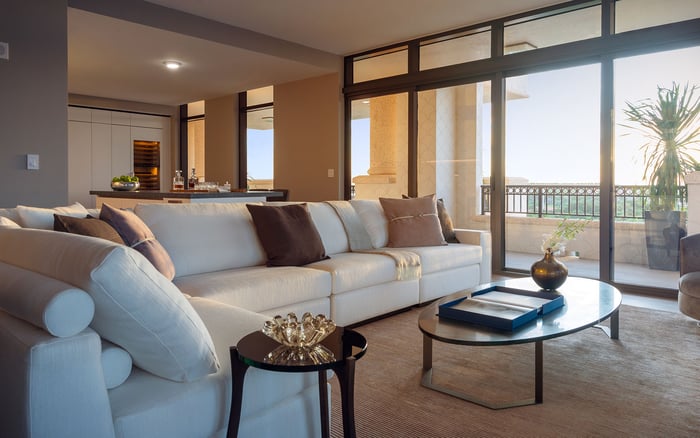
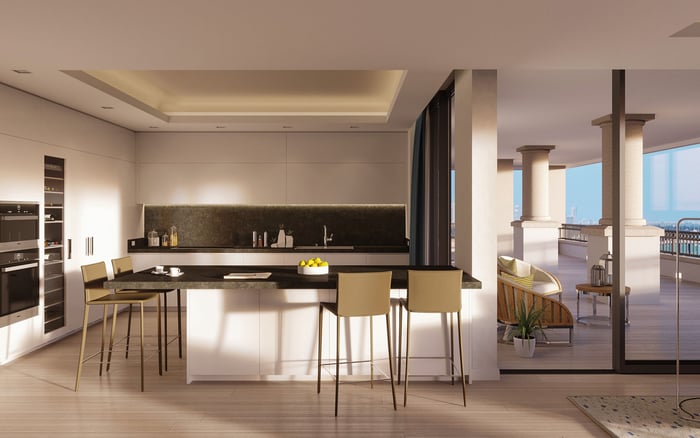
A discreet owner’s guide to viewing association reserves at Palazzo del Sol as a capital-preservation, lifestyle-continuity, and governance issue in Fisher Island luxury ownership.
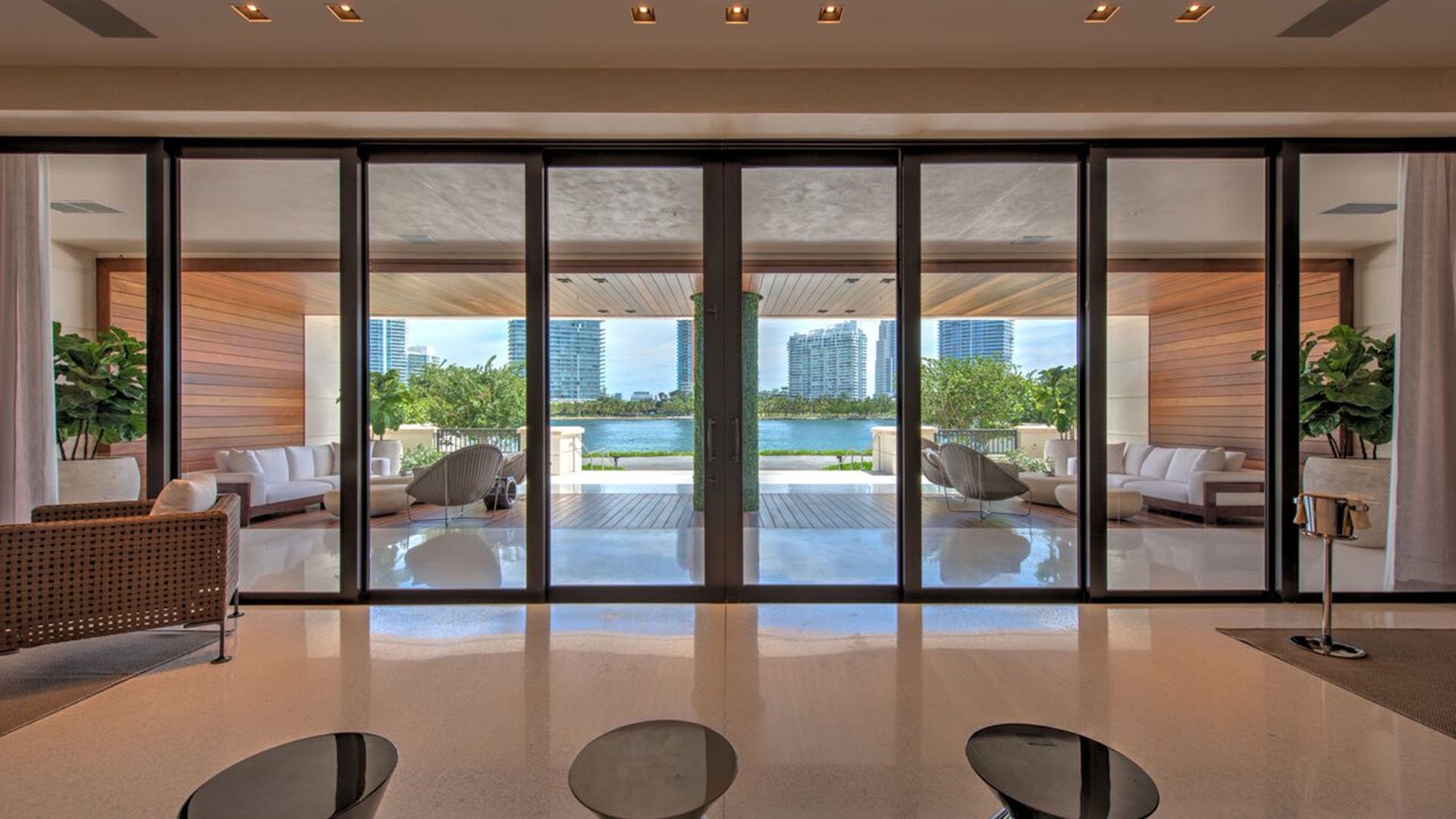
At the highest end of South Florida condominium ownership, association reserves are not an administrative footnote. They are part of the architecture of confidence. For households considering Palazzo del Sol, a modern ultra-luxury condominium on Fisher Island, the reserve conversation belongs alongside views, privacy, service, finishes, and the quality of daily life.
Palazzo del Sol Fisher Island occupies one of South Florida’s most exclusive island settings, where residences represent concentrated personal capital and common-area performance is central to value. The building’s identity is tied to expansive residences, generous terraces, premium finishes, and resort-level amenities. That standard creates a straightforward reality: the association’s long-term capital planning must be worthy of the asset.
In the language of luxury search, Palazzo del Sol Fisher Island also belongs in Fisher-island, Exclusive-area, Waterview, Resale, and Terrace conversations. Those labels may describe lifestyle, but reserves help protect the substance behind them.
A reserve account is often described as money set aside for future repairs and replacements. For a household, the stronger framing is risk management. Well-funded reserves can support physical safety, lifestyle continuity, liquidity, and long-term property value. Weak reserves can turn a known future expense into a disruptive special assessment, often at the least convenient time.
That distinction matters at a luxury waterfront condominium. A building may feel new, composed, and impeccably maintained, yet major systems still have finite useful lives. Waterproofing, façade and glass components, HVAC, elevators, life-safety systems, pools, spas, and shared infrastructure all age. In coastal South Florida, salt air, humidity, storm exposure, and hurricane conditions make the timing and cost of capital work more consequential.
For households, the question is not whether future capital needs will exist. They will. The more refined question is whether the association has anticipated them with discipline, transparency, and sufficient funding.
Owners should separate two ideas that are often blended in casual conversation. Operating expenses keep the property functioning day to day: staffing, utilities, routine maintenance, insurance, landscaping, cleaning, management, and amenity service. Reserves are different. They are intended for larger repair or replacement obligations tied to shared assets.
At a building where common-area presentation influences reputation, reserves are connected to more than mechanical reliability. They can shape how the lobby feels, how amenities remain competitive, how quickly repairs are addressed, and how a prospective buyer interprets stewardship. In a luxury condominium, deferred work is rarely invisible for long.
This is why owners at Palazzo del Sol should not evaluate monthly carrying costs in isolation. A lower apparent payment structure can be less attractive if it depends on underfunded future obligations. Conversely, a more disciplined reserve posture may support a smoother ownership experience and preserve confidence when the market scrutinizes condominium governance.
Fisher Island ownership is naturally private, limited, and capital intensive. Nearby residential names such as Palazzo della Luna, The Residences at Six Fisher Island, and The Links Estates at Fisher Island reinforce the island’s position as a rarefied residential environment. In that context, association governance becomes part of the household’s broader asset strategy.
The practical issue is concentration. A residence on Fisher Island may represent a major lifestyle commitment as well as a significant store of wealth. If the association is forced into urgent funding decisions, the effect can extend beyond one year’s cash flow. It may influence resale confidence, buyer perception, negotiation posture, and the sense of ease owners expect from this tier of property.
Reserve planning is therefore not just about avoiding surprise. It is about protecting the cadence of ownership: arriving to a building that feels cared for, using amenities without interruption, and knowing that shared infrastructure is being planned for before it becomes a visible problem.
Before purchasing, households should review the association budget, reserve balances, reserve studies, and capital-project planning. The point is not to become a building engineer. It is to understand whether the financial plan is aligned with the building’s age, environment, amenities, construction complexity, and expected replacement costs.
A buyer should ask how reserves are being funded, what major components are included, which projects are anticipated, and whether recent capital work has changed the outlook. It is also worth understanding how the association distinguishes routine maintenance from long-range replacement obligations. A building can be beautifully operated and still require a serious reserve strategy.
For owners already in residence, the review should not stop after closing. Annual budgets, meeting materials, reserve updates, and capital discussions deserve attention. Governance engagement can be discreet, informed, and constructive. In a luxury building, the best owners often treat association literacy as part of responsible stewardship.
Luxury buyers are increasingly attuned to the difference between a glamorous address and a well-capitalized building. At Palazzo del Sol, common-area quality and building reputation are central to perceived value. If reserves appear weak or opaque, buyers may discount the asset, demand more information, or worry about future assessments. If planning appears thoughtful, the building can project durability as well as beauty.
This does not mean every association must pursue maximum reserves at all times. Capital planning involves judgment. Owners must balance current assessments, future obligations, and the standard of care appropriate for the property. But the absence of planning is not a luxury position. It is a risk position.
For high-value residences, reserve strength can also influence liquidity. A buyer who understands the building’s future obligations may move with more confidence. A buyer who sees uncertainty may pause. In thin, ultra-premium markets, confidence has value.
Begin with three questions. First, what shared assets are most expensive to repair or replace? Second, when are those assets likely to require major funding? Third, how does the association intend to pay for them?
Then widen the lens. Consider the waterfront environment, the complexity of the building, the expectations of the owner base, and the reputation premium attached to the address. A reserve policy that might seem adequate for a simpler inland property may not be adequate for a resort-level coastal condominium.
Finally, discuss the topic with household advisers in the same way one would evaluate insurance, estate planning, or portfolio concentration. Association reserves are not merely a condominium document. They are part of the risk profile of owning a rare asset.
At Palazzo del Sol, the luxury is not only in the residence itself. It is in the confidence that the building’s future is being managed with the same seriousness as its present.
Why are reserves important at Palazzo del Sol? They help fund major shared repairs and replacements, supporting safety, lifestyle continuity, and long-term value.
Are reserves the same as monthly operating expenses? No. Operating expenses cover day-to-day needs, while reserves are intended for larger capital repair or replacement projects.
Can a newer luxury building still need significant reserves? Yes. Major systems such as elevators, HVAC, waterproofing, glass, pools, and life-safety infrastructure have finite useful lives.
Why does the waterfront setting matter? Coastal South Florida buildings face salt air, humidity, storms, and hurricane exposure, all of which make long-range planning important.
What should a buyer review before purchasing? A buyer should review budgets, reserve balances, reserve studies, and the association’s capital-project planning.
Can weak reserves affect resale? Yes. Weak or unclear reserves can influence buyer confidence, negotiation dynamics, and perceptions of future assessment risk.
Should owners monitor reserves after closing? Yes. Reserve policy can change over time, and ongoing governance awareness helps owners understand future obligations.
Do strong reserves eliminate special assessments? Not always. They can reduce the risk of disruptive assessments, but unexpected needs may still arise in any building.
How should households frame reserve questions? They should view reserves as part of household risk management rather than a narrow accounting detail.
What is the best owner posture on association governance? Owners should stay informed, review materials carefully, and engage constructively when capital planning is discussed.
For a confidential assessment and a building-by-building shortlist, connect with MILLION.
If branded residences are on your mind — as a home or as an allocation — we would be glad to share what we are seeing, privately.
Begin a quiet conversation