The Financial Implications of the Property Tax Ballot for Ultra Wealthy Buyers in South Florida
A discreet, buyer-oriented look at how a property tax ballot measure can ripple through underwriting, negotiations, and long-term ownership costs for ultra-wealthy buyers across South Florida’s prime neighborhoods.
The Impact of Rising Reinsurance Costs on Homeowner Association Dues in Coastal Miami
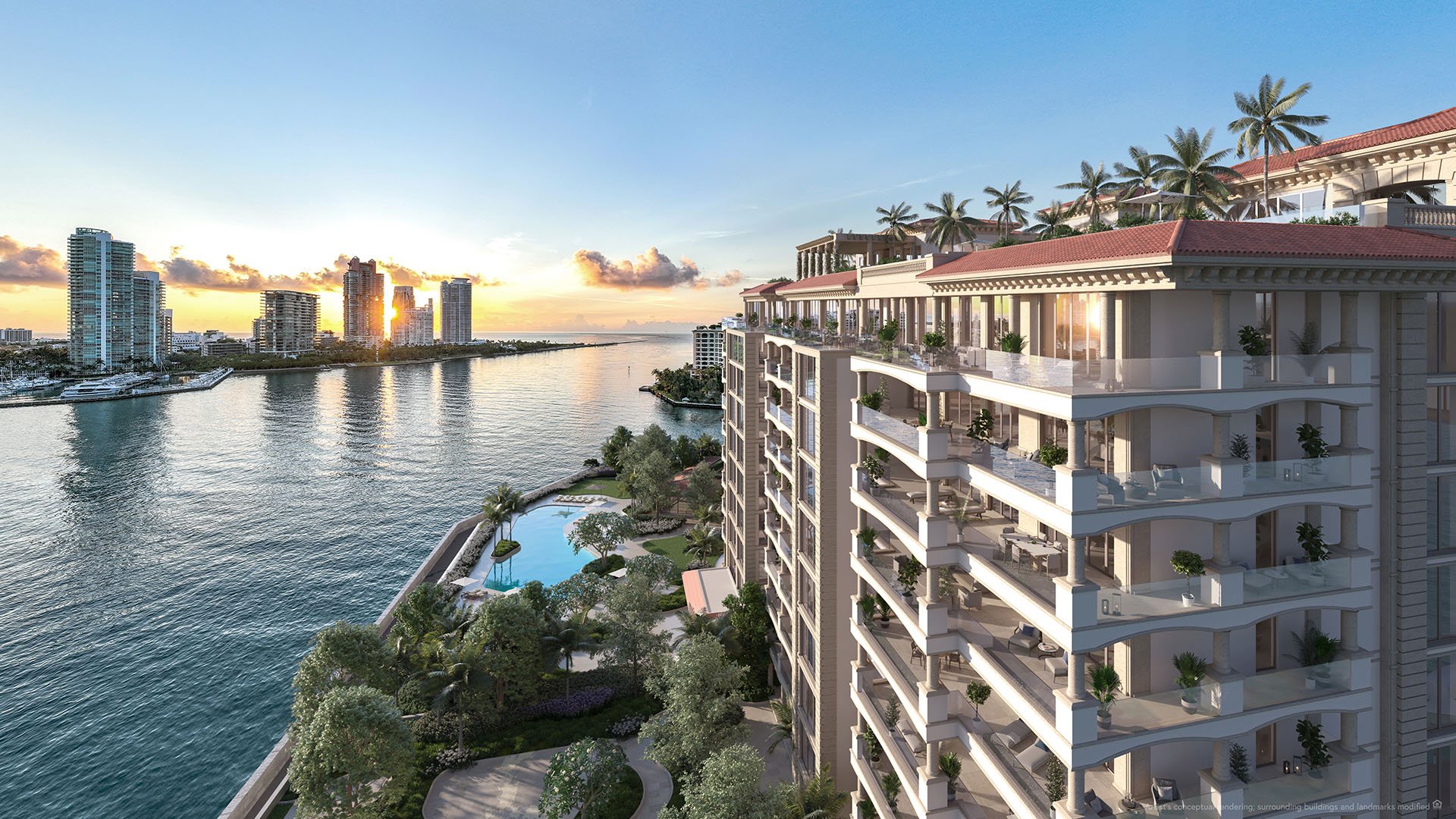
Rising reinsurance costs are reshaping the economics of coastal Miami ownership, flowing directly into condo and HOA operating budgets, reserves, and ultimately monthly dues. For luxury buyers, the question is less whether dues rise and more how a building’s governance, insurance posture, and capital plan translate that volatility into predictable ownership costs. This editorial outlines why reinsurance matters, where the pressure shows up inside association budgets, and how to diligence a building like a portfolio asset before you wire.

Assessing the Viability of Rooftop Helipads at Waldorf Astoria Residences Downtown Miami Against Aston Martin Residences Downtown Miami
For ultra-high-net-worth buyers in Downtown Miami, a rooftop helipad is less a novelty than a complex intersection of airspace, safety, liability, operations, and brand. With limited publicly disclosed specifics, the most useful lens is viability: what has to be true for a helipad to function legally, quietly, and consistently, and what trade-offs owners should price in when comparing trophy towers.
How Proposed Homestead Tax Eliminations Will Accelerate the Transition of Miami Secondary Homes into Primary Residences
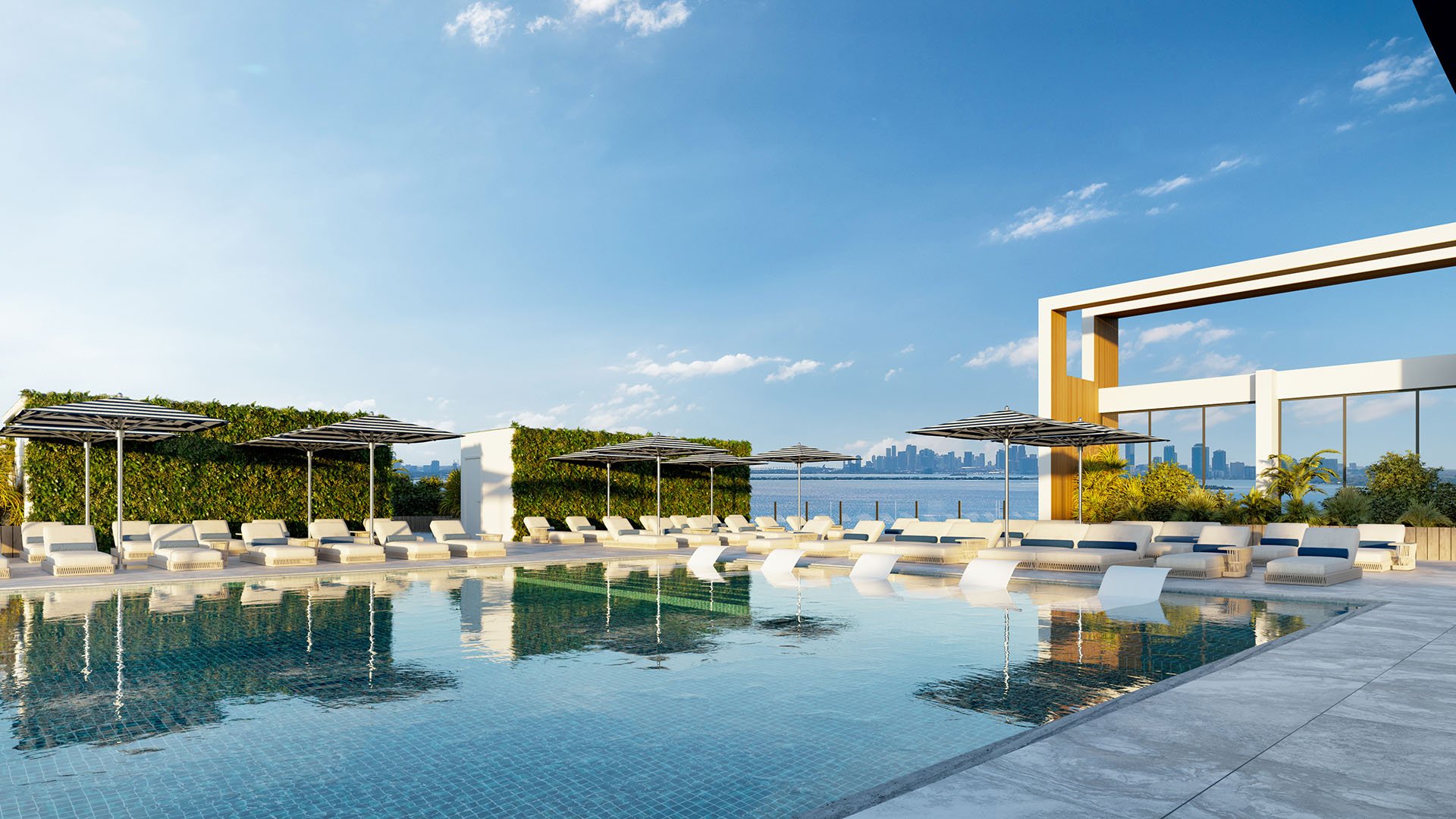
Proposals to eliminate or substantially expand homestead-style property-tax relief in Florida have moved from technical policy chatter into dinner-table strategy for owners of Miami-area second homes. For the ultra-premium market, the immediate question is not ideological. It is practical: if the financial advantage of declaring a Florida primary residence becomes meaningfully larger, how quickly will lifestyle-driven “part-time” ownership convert into full-time residency and what will that do to pricing, inventory, and building-level dynamics? With limited verified detail on any specific proposal, the throughline is still clear. Homestead benefits are binary in real life: you either qualify as a primary resident or you do not. When the economic difference widens, behavior follows. In South Florida, where many luxury owners already split time between multiple homes, the friction is rarely emotional. It is administrative, legal, and logistical. Reduce the tax friction and the region’s second-home inventory increasingly behaves like primary-home inventory. This is the inflection point MILLION Luxury clients are already modeling: which properties become “sticky” primary residences, which remain flexible pied-à-terres, and which will be repositioned as long-term rentals or sold into a thinner pool of true second-home buyers.
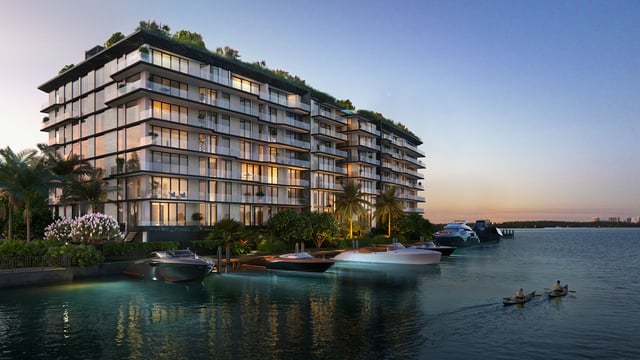
Assessing the Scale of Outdoor Terraces at Alana Bay Harbor Islands Against Onda Bay Harbor
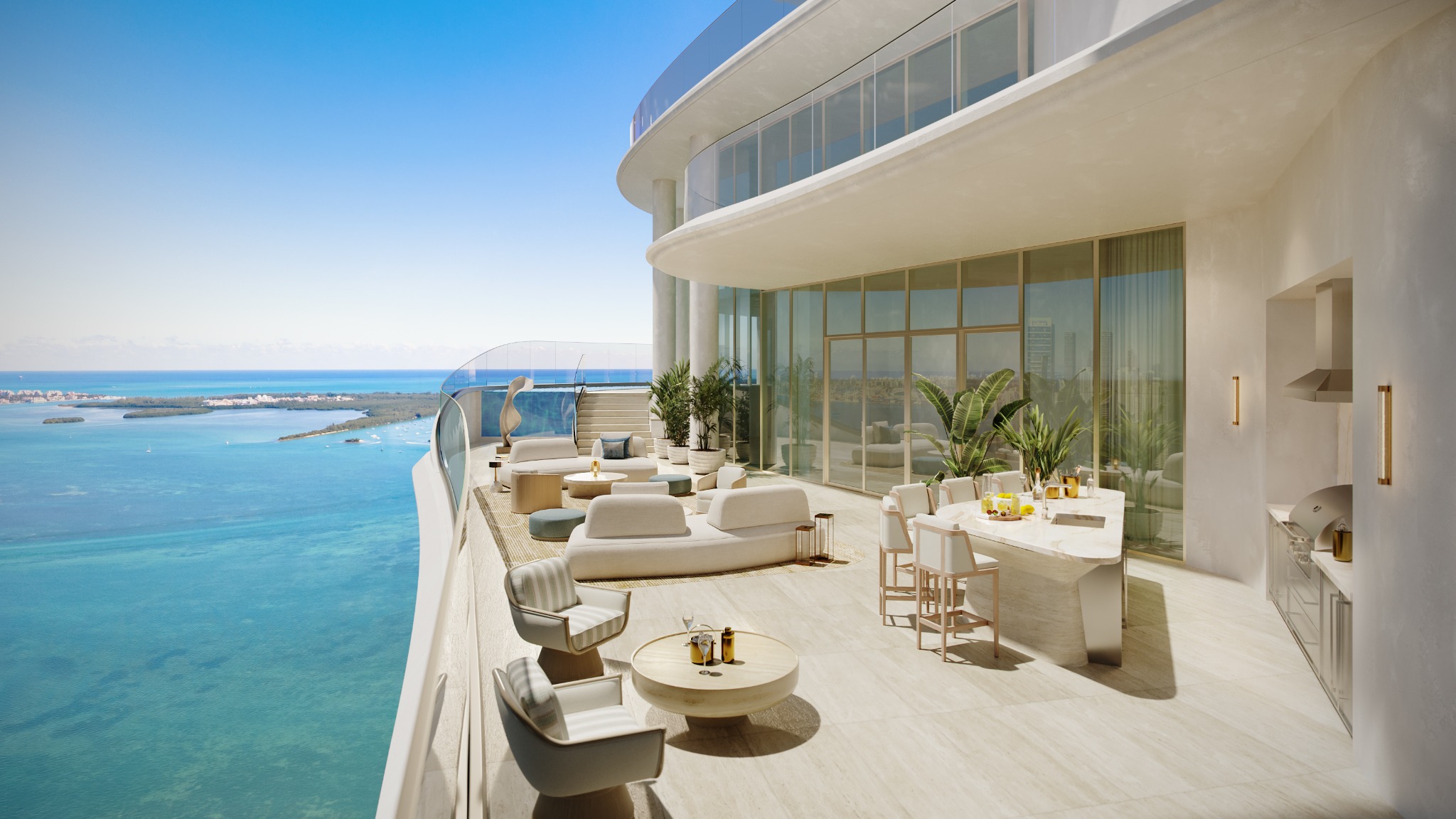
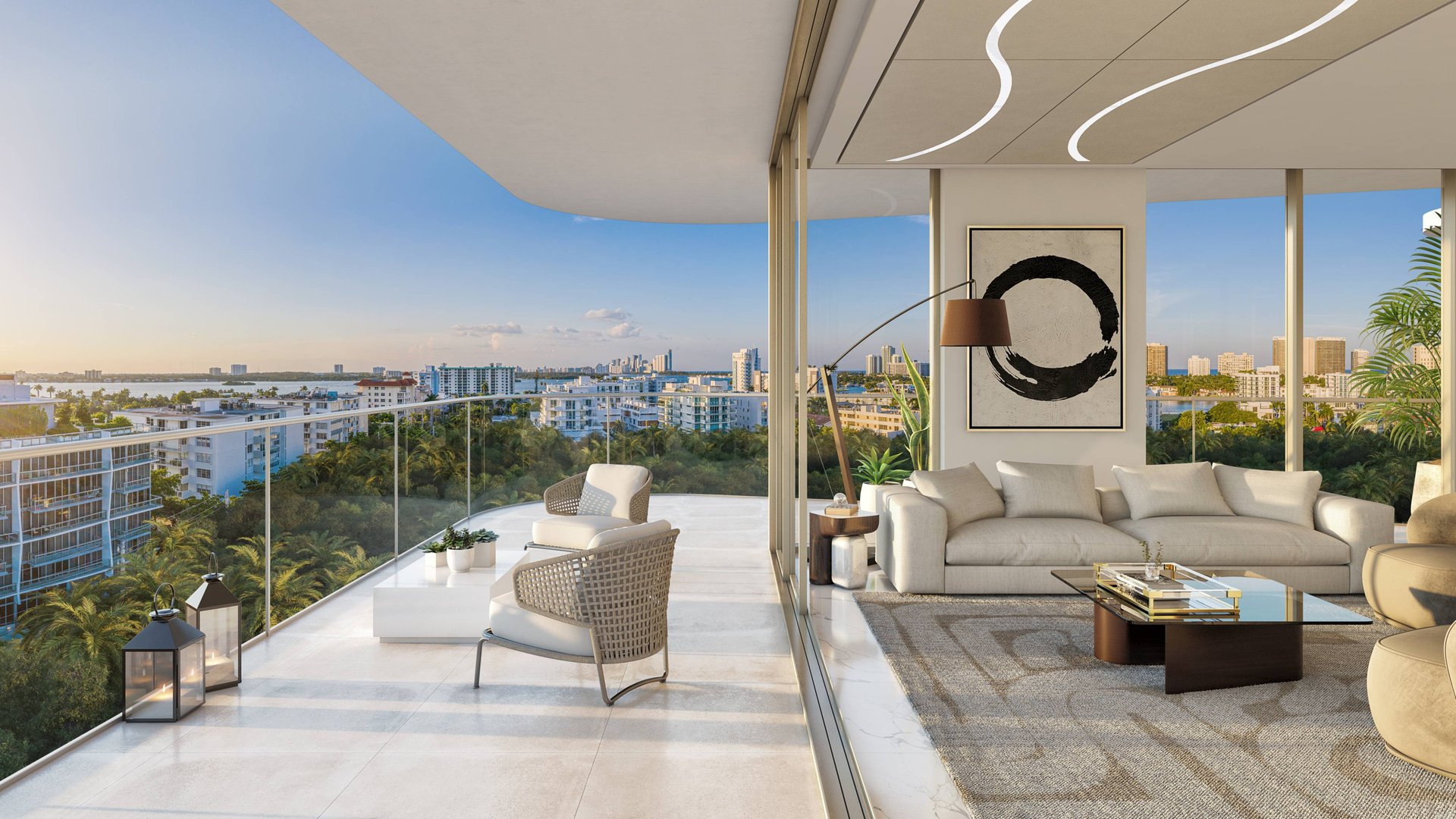
In Bay Harbor Islands, outdoor space is not an accessory. It is a second living room, a climate-ready entertaining platform, and, increasingly, the deciding factor between two otherwise comparable boutique condo options. Buyers weighing Alana against Onda are often less interested in headline amenities than in a more intimate question: how terrace scale actually changes daily use, privacy, and resale desirability. With limited public specifics disclosed in a consolidated way, the most practical approach is to assess terrace “scale” the same way seasoned end users do: by usability, proportion, orientation, and how the building’s design supports outdoor life. Below, MILLION Luxury frames a buyer-oriented comparison between **[Alana Bay Harbor Islands](https://www.millionluxury.com/bay-harbor-islands/alana)** and **[Onda Bay Harbor](https://www.millionluxury.com/bay-harbor-islands/onda-bay-harbor)** through the lens of outdoor terraces, without leaning on speculative measurements.

Comparing the Execution of Art Curations at EDITION Edgewater Against Aria Reserve Miami
In Edgewater, two marquee residential towers can sit on the same skyline yet feel worlds apart at street level. Much of that difference comes down to how art is curated, commissioned, placed, and maintained, not as decoration but as a lived experience that shapes arrival, amenity rituals, and even resale narrative. This MILLION Luxury editorial compares the execution of art curations at EDITION Edgewater and Aria Reserve Miami through the lens buyers actually feel: the journey from lobby to elevator, the way shared spaces age, and the signals a building sends about taste, stewardship, and long-term brand discipline.