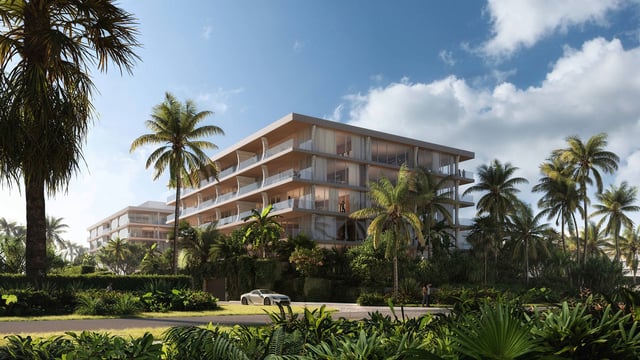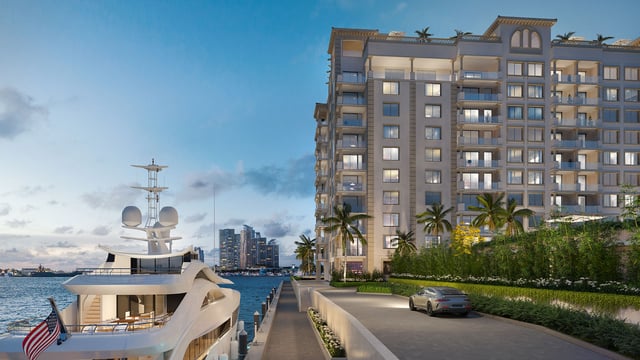
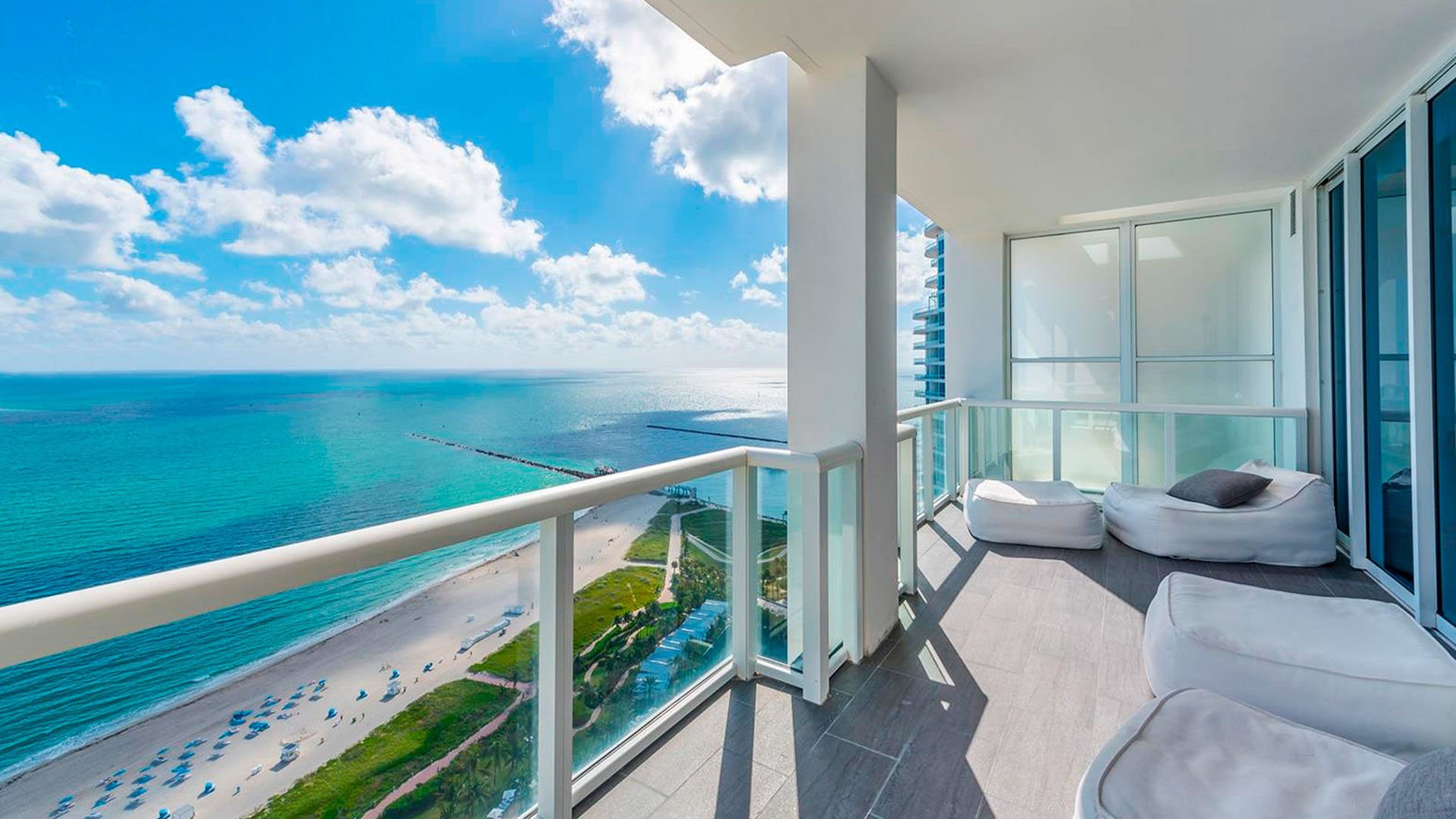
Behind the Sales Gallery at Continuum on South Beach: Questions Buyers Should Ask Before Choosing a Line
At Continuum on South Beach, the most consequential choice may be the vertical line itself. Buyers should test views, light, privacy, planning efficiency and future resilience at the level of the actual residence.
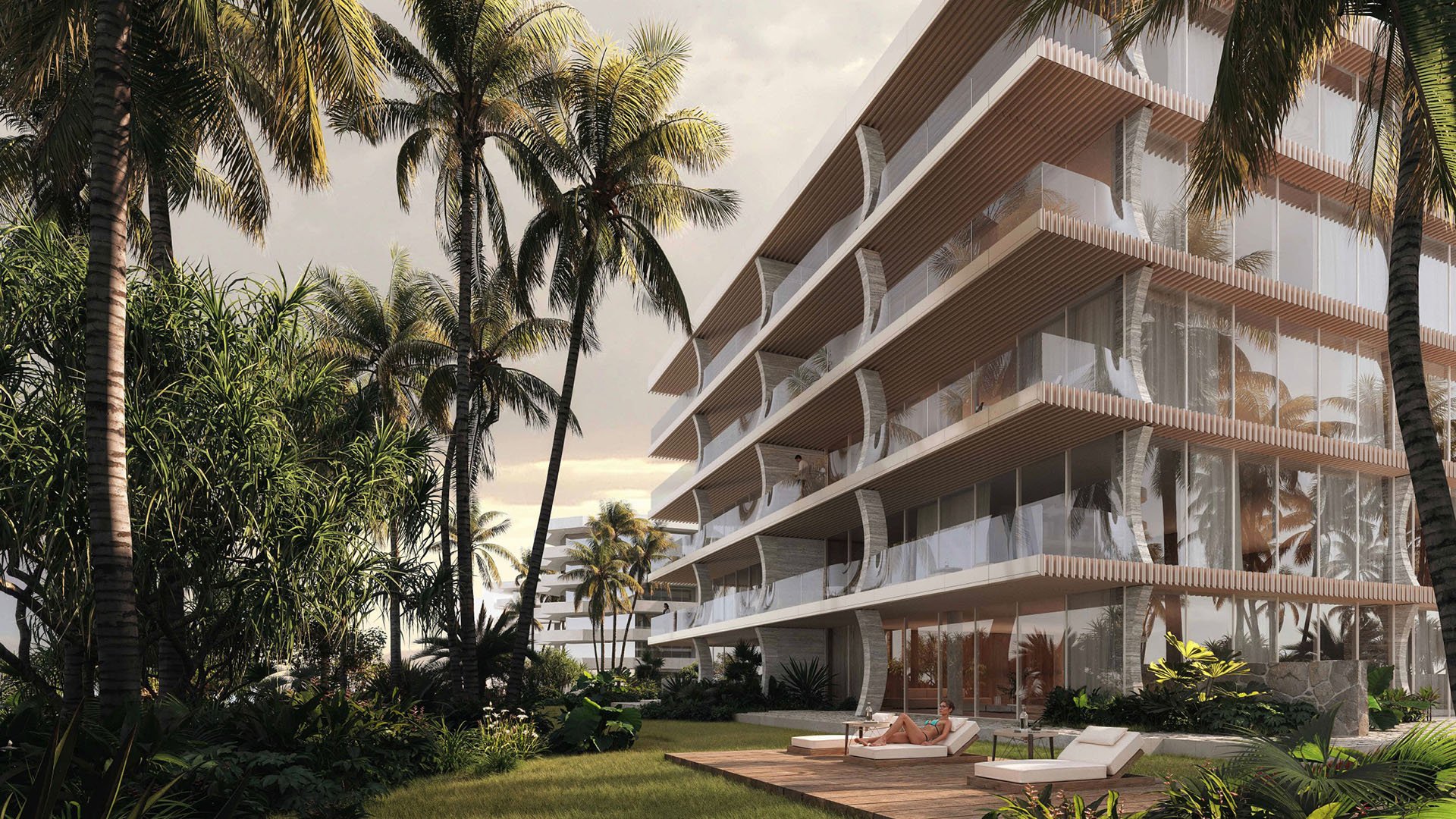
Top 5 Palm Beach Luxury Addresses for Families Relocating before the School Year in 2026
A discreet shortlist of five Palm Beach-area residential names, paired with a practical framework for families coordinating a luxury purchase, school planning, and a carefully timed 2026 move.

Before Buying in Coconut Grove: How Closing Costs, Title Fees, and Association Charges Can Change the Ownership Equation
A disciplined Coconut Grove purchase begins with an all-in ownership model. Buyers should separate transaction expenses from recurring association obligations, test variable charges, and review each building’s documents before deciding what a residence is truly worth to them.

Best Sunny Isles Beach Residences for Families Needing Guest Flexibility and Staff Access
A discreet buyer’s guide to comparing leading Sunny Isles Beach residences for multigenerational living, guest privacy, household staffing, and practical service circulation.
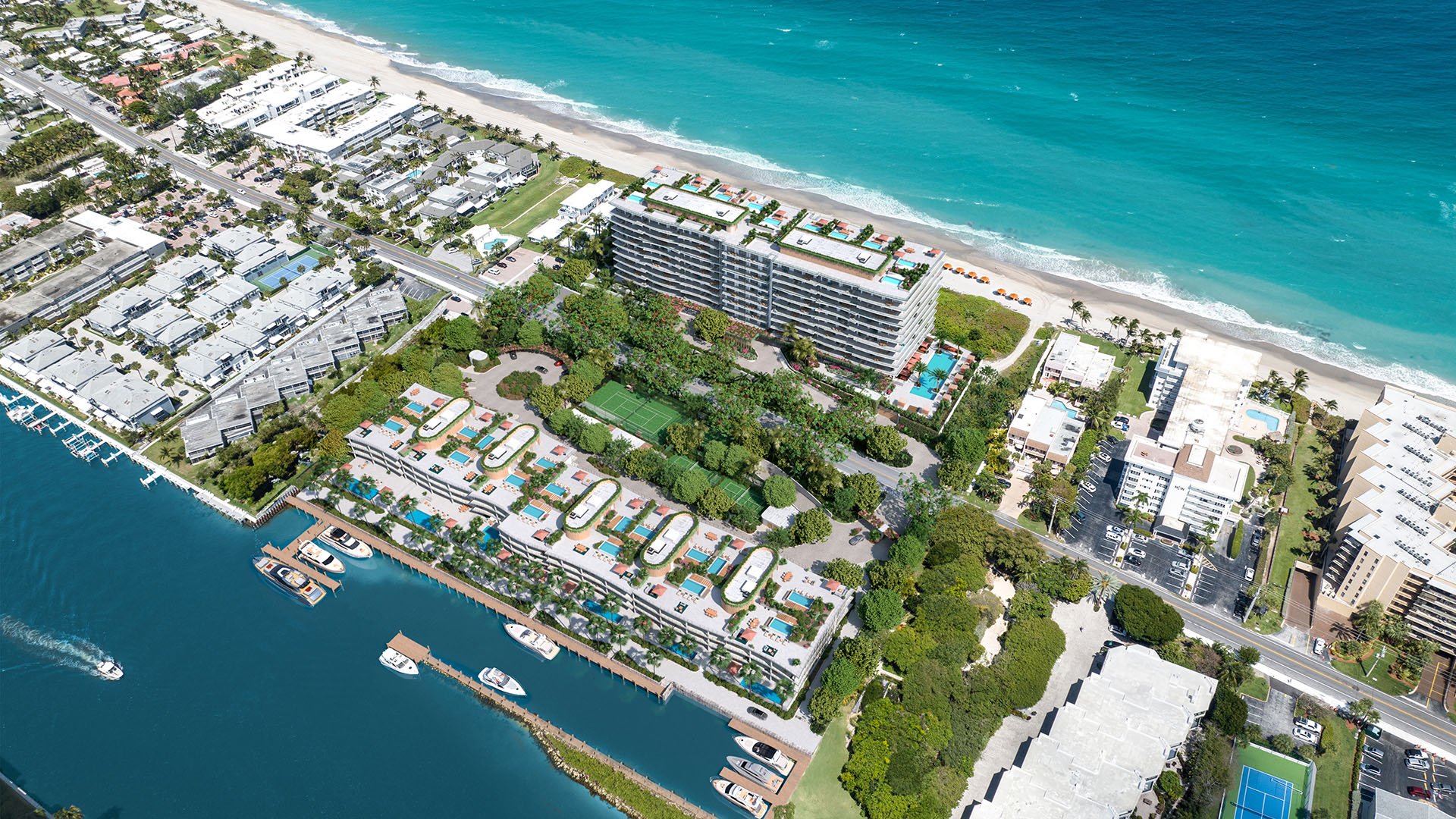
The Toronto Buyer’s Guide to Hillsboro Beach: Tax Planning, Carrying Costs, and Lifestyle Fit
A disciplined framework for Toronto buyers evaluating a Hillsboro Beach residence, from cross-border tax coordination and annual carrying costs to ownership structure, property diligence, and personal lifestyle fit.
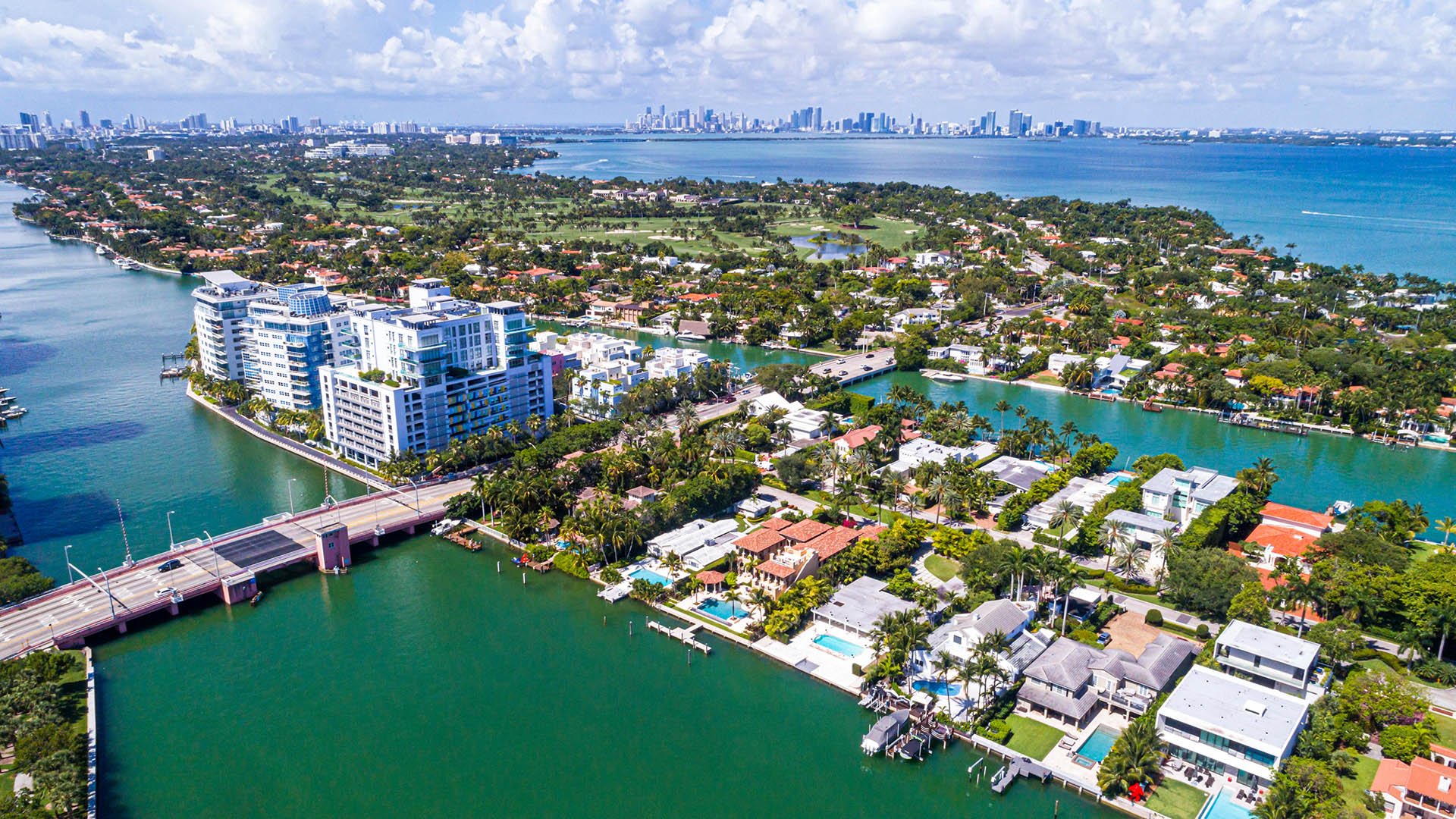
Top 5 South Florida Residences for City Convenience with Beach Access
A disciplined shortlist for buyers seeking an urban South Florida address without placing the coast outside the rhythms of everyday life.