Pagani North Bay Village vs. The Ritz-Carlton Residences® North Bay Village: Branded cachet and owner experience
Quick Summary
- Pagani emphasizes design authorship and a more bespoke residential identity
- The Ritz-Carlton Residences® North Bay Village emphasizes hospitality-style service and
- Both projects highlight North Bay Village’s waterfront appeal within South Florida
- The better fit depends on whether a buyer prioritizes design autonomy or
Two luxury models, one waterfront village
In North Bay Village, the contrast between Pagani North Bay Village and The Ritz-Carlton Residences® North Bay Village is not merely aesthetic. It is structural. Each project reflects a different vision of what luxury ownership should feel like after closing.
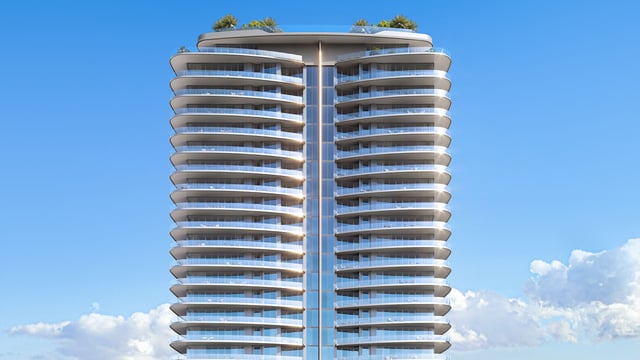
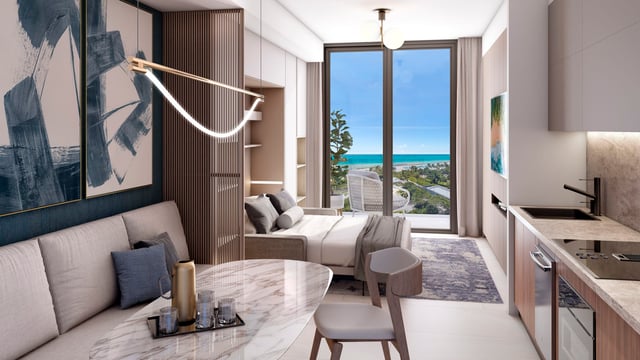
Pagani is best understood as a design-led residential proposition. Its appeal is tied to Italian design heritage, bespoke contemporary architecture, and a sense of direct developer curation rather than an embedded hotel operating platform. The experience is tailored to buyers who value authorship, visual distinction, and a residence that reads as a private statement.
The Ritz-Carlton Residences® North Bay Village enters the market from a different angle. Here, the brand itself carries much of the initial cachet. The proposition blends private homeownership with hotel-inspired services, concierge-led support, and the broader reassurance of an internationally recognized hospitality standard. For globally mobile owners, that distinction can matter just as much as the floor plan.
For South Florida buyers, this is a familiar conversation. The market often separates branded service residences from design-driven addresses where architecture and curation define the identity. North Bay Village now offers both in especially direct form.
What branded cachet really means
Luxury buyers often use the phrase brand value loosely, but in residential terms it usually comes down to recognition, service expectation, and perceived resale appeal.
At The Ritz-Carlton Residences® North Bay Village, cachet comes from belonging to a globally recognized hospitality ecosystem. Buyers are not simply purchasing a home; they are buying into an expected level of arrival experience, staffing, concierge culture, and common-area management associated with that brand standard. In practical terms, that can translate to smoother daily living for owners who divide time between cities, travel frequently, or prefer a residence that moves with a more hotel-adjacent rhythm.
Pagani’s cachet is different and, for the right buyer, equally compelling. It rests less on service infrastructure and more on design authorship. A residence like this tends to resonate with owners who care about materiality, spatial personality, and the sense that the home itself is the luxury object. In that framework, discretion comes from uniqueness rather than from a globally familiar crest.
Owner experience after closing
The real separation between these two projects appears after purchase.
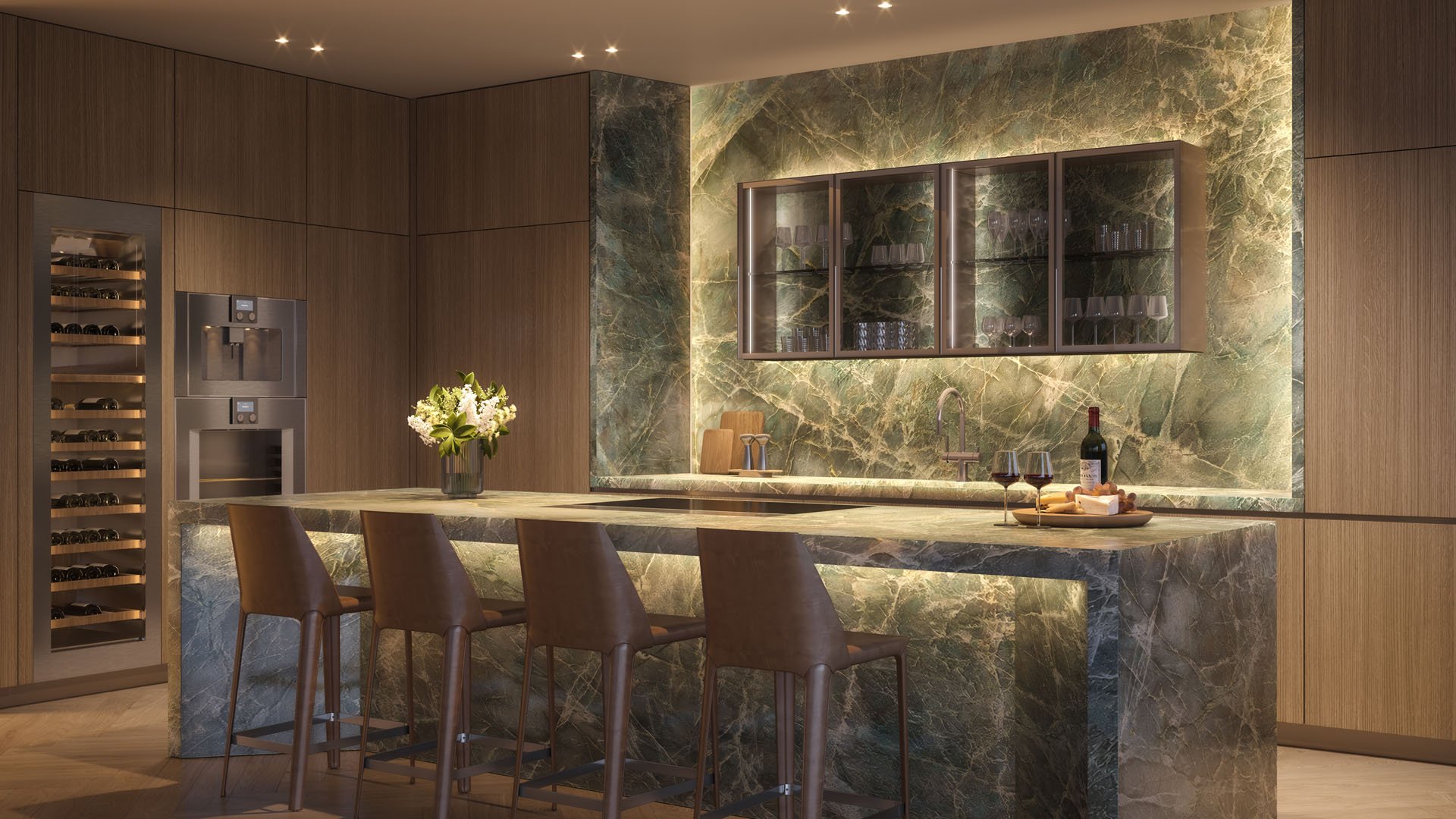
At The Ritz-Carlton Residences® North Bay Village, owner experience is expected to center on hospitality-grade service. Concierge-led lifestyle support, operational convenience, and service-oriented amenity programming form the backbone of the proposition. The appeal is straightforward: the home is private, but the living experience is professionally orchestrated.
That can be especially attractive to second-home owners, part-time residents, and buyers who do not want to personally coordinate every detail of domestic life. For this profile, convenience is not incidental. It is part of the asset.
Pagani offers a more independent rhythm. Its amenity package is framed around developer-curated social spaces, fitness areas, and waterfront-oriented settings aligned with the building’s architectural identity. The emphasis is less on a hotel-like service matrix and more on the lifestyle created by design, setting, and curation. Owners who prefer less operational layering and more personal autonomy may find that especially appealing.
Governance, control, and the feel of ownership
Beyond finishes and amenities, sophisticated buyers often ask a more revealing question: who is really running the building over time?
At The Ritz-Carlton Residences® North Bay Village, the ownership model is tied to branded management standards or affiliated operators tasked with maintaining the service promise. That institutional framework supports consistency, but it also means the building’s identity is intended to remain aligned with broader brand expectations. Many purchasers view that as a positive, especially when predictability matters.
Pagani is better understood through a more conventional luxury condominium governance path. Developer control is expected to transition to residents over time through the standard HOA structure. For some owners, this feels more personal and more residential in the classic sense. It can suggest greater resident influence over the building’s future character once turnover occurs.
Neither approach is inherently superior. The distinction is philosophical. One prioritizes standardized excellence. The other leans toward resident-led evolution after the initial curated vision has been delivered.
Pricing psychology and perceived value
Public pricing and availability can change, so serious buyers still need direct verification for current inventory and terms. What matters in this comparison is that buyers are rarely evaluating square footage alone. They are comparing what the purchase delivers beyond the walls.
In a branded setting, part of the premium may reflect service infrastructure, management expectations, and the enduring power of a global name. In a design-led setting, value may be perceived through originality, architectural distinction, and the possibility of a more individualized owner identity.
For investors or buyers focused on future marketability, branding can broaden immediate recognition. For end users with a strong design point of view, distinctiveness can feel more enduring than operational polish.
Why North Bay Village sharpens the comparison
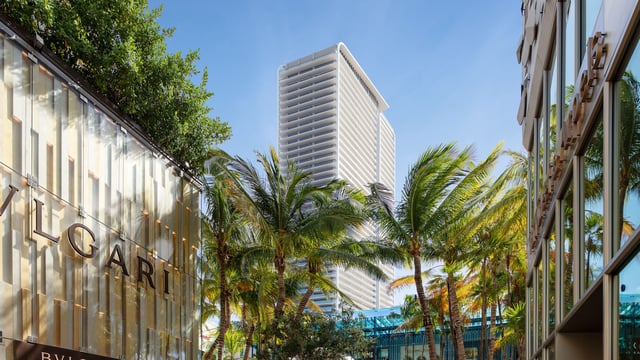
This debate feels especially relevant in North Bay Village because the municipality occupies a strategic waterfront position near Miami Beach and downtown Miami while still reading as a distinct enclave. That combination gives both projects a compelling location story without requiring the exact cadence of more saturated neighboring submarkets.
It also places them within a growing ecosystem of ambitious waterfront development, including Continuum Club & Residences North Bay Village and Shoma Bay North Bay Village. As the area evolves, buyer perception will likely continue to hinge on whether North Bay Village is valued primarily for branded convenience, architectural distinction, or a blend of both.
Which buyer each project suits best
The Ritz-Carlton Residences® North Bay Village is best suited to the buyer who wants immediate global recognizability, a highly serviced residential environment, and the comfort of institutional brand standards. This buyer is often internationally minded, service-sensitive, and willing to pay for seamlessness.
Pagani North Bay Village is better suited to the buyer who sees the residence itself as the central expression of luxury. This purchaser values design heritage, bespoke contemporary architecture, and a less hotel-defined ownership experience. Autonomy, not orchestration, is the draw.
For many affluent buyers, the decision comes down to a simple private question: do you want your home to feel like a beautifully managed extension of a luxury hospitality brand, or like a carefully composed object of design that happens to sit on the bay?
FAQs
-
Is The Ritz-Carlton Residences® North Bay Village a branded residence? Yes. It is positioned around private ownership paired with hotel-inspired services, concierge support, and brand-driven operating standards.
-
Is Pagani North Bay Village a hotel-branded project? No. It is presented as a design-led residential development rather than a hotel-operating platform.
-
Which project is likely to feel more service-oriented day to day? The Ritz-Carlton Residences® North Bay Village. Its model is centered on hospitality-style operations and concierge-oriented living.
-
Which project may appeal more to design-conscious end users? Pagani North Bay Village. Its differentiation is tied to design authorship, curated aesthetics, and a more individualized residential feel.
-
Does branding affect how buyers perceive value? Often, yes. A recognized hospitality name can influence how buyers think about service consistency, prestige, and marketability.
-
Are current prices and availability fixed for either project? No. Inventory and pricing can change, so current terms require direct confirmation.
-
How does owner experience differ between the two projects? The Ritz-Carlton Residences® North Bay Village leans toward service integration, while Pagani leans toward a more autonomous, design-led ownership experience.
-
Will governance likely feel different at each property? Yes. A branded residence typically emphasizes management standards, while a conventional condominium structure may feel more resident-led over time.
-
Why is North Bay Village relevant in this comparison? Its waterfront setting near Miami Beach and downtown Miami gives both projects a strong South Florida location story within the same submarket.
-
Who should consider Pagani over The Ritz-Carlton Residences® North Bay Village? Buyers who prioritize architectural identity, bespoke character, and a less hotel-defined ownership model may find Pagani more aligned with their preferences.
If you'd like a private walkthrough and a curated shortlist, connect with MILLION Luxury.

Million Luxury
Million Luxury
Welcome to MILLION, an exclusive luxury real estate boutique nestled in the heart of South Florida’s most desirable locations. Specializing in high-end properties, we provide a sanctuary for discerning clients including top Fortune 500 executives, affluent families, celebrities, and professional athletes from across the globe. At MILLION, we understand the unique demands of our elite clientele and offer a seamless blend of confidentiality and personalized attention. Our commitment to privacy is unwavering; we ensure that every transaction and interaction is handled with the utmost discretion and according to stringent confidentiality protocols. Our concierge service embodies the pinnacle of white-glove care, offering tailored assistance that transcends traditional real estate support.