A buyer-oriented guide to marina waitlists, boat-slip access, and waterfront due diligence for international purchasers considering South Florida luxury residences.
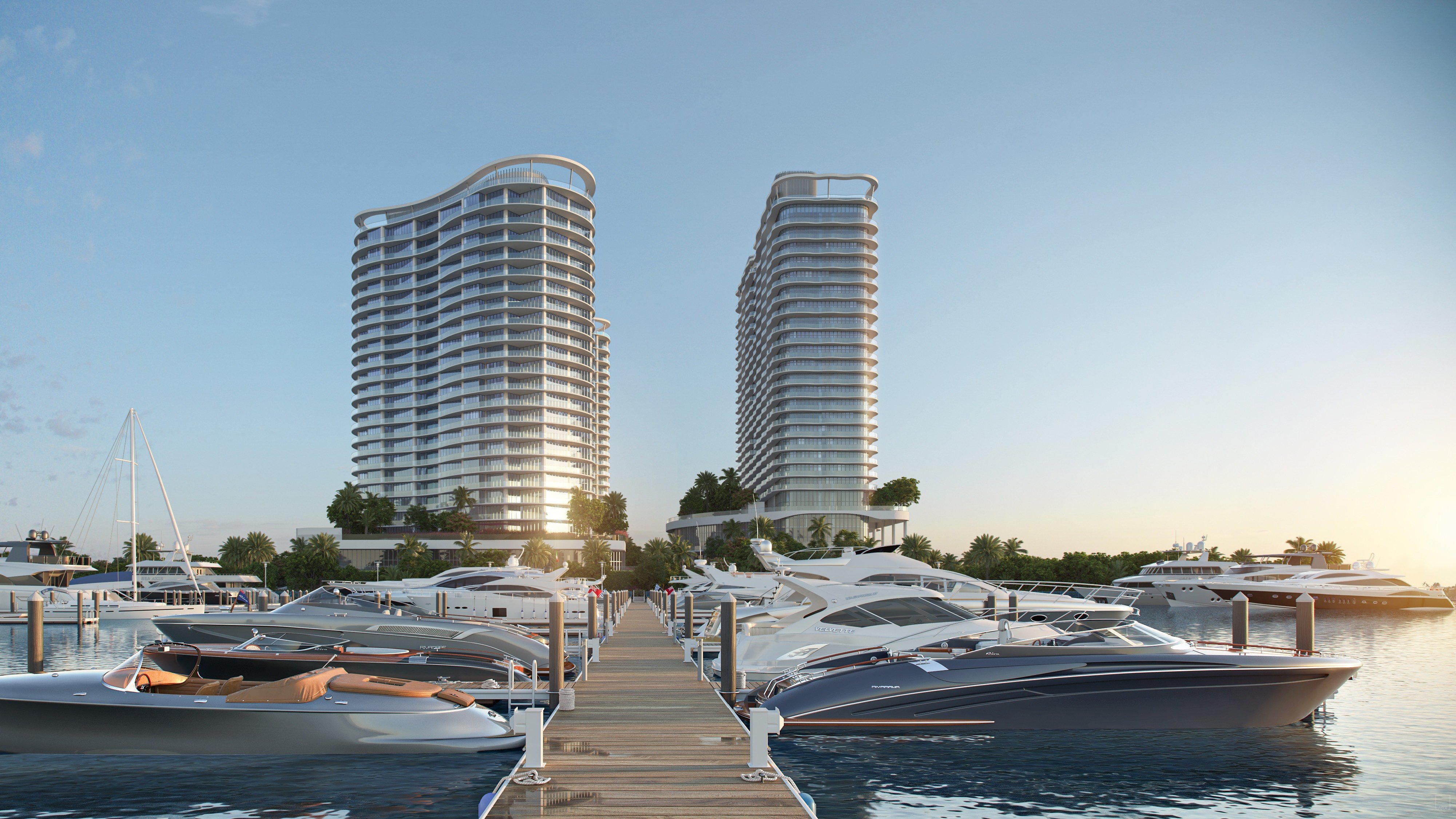
For many international buyers, South Florida is not simply a place to own an apartment in the sun. It is a base for weekends on the water, family arrivals by tender, winter cruising, and a lifestyle that depends on proximity to a marina as much as proximity to the beach. That makes marina waitlists one of the most important, and often least glamorous, pieces of pre-contract diligence.
The issue is not whether a residence has a beautiful view of the Intracoastal, Biscayne Bay, or the Atlantic horizon. The issue is whether the buyer can actually use the water as imagined. A waterfront home without a practical berth plan can become a compromised purchase, especially for an owner arriving from Europe, Latin America, Canada, or the Middle East with limited time in market.
In luxury corridors such as Fort Lauderdale, Bay Harbor Islands, Miami Beach, Sunny Isles, and Palm Beach County, discerning buyers increasingly compare buildings, clubs, and single-family homes through the lens of access. A residence near the water may offer a very different ownership experience from one with secure, transferable, or priority slip privileges. That distinction should be understood before signing, not after closing.
A marina waitlist can sound administrative, almost like a concierge request that will resolve itself over time. In practice, it can shape how a property performs for daily life, seasonal use, and future resale. A buyer expecting immediate docking may discover that slip availability follows its own sequence, rules, and owner priorities.
The most important question is simple: what, exactly, is being purchased? In some waterfront scenarios, the residence and the boat position are separate conversations. A boat slip may be deeded, licensed, leased, assigned through an association, controlled by a club, or managed by a third party. Each structure carries different expectations around transferability, cost, access, maintenance, and the right to keep a specific vessel.
This is why buyers touring waterfront inventory around Riva Residenze Fort Lauderdale or comparing the broader Fort Lauderdale waterfront should ask about slip protocol before becoming emotionally attached to a floor plan. The view from the terrace may be immediate. The path to berth access may not be.
The first diligence step is to separate marketing language from legal rights. “Waterfront,” “yachting lifestyle,” and “marina proximity” are lifestyle descriptions. They are not substitutes for documents that define who controls the slips and how priority is awarded.
International buyers should ask whether marina access is connected to unit ownership, membership, residency status, or a separate agreement. They should ask whether the right can transfer on resale, whether there is a waiting list, whether current owners have priority, and whether a purchaser can reserve a position before closing. They should also confirm whether the marina can accommodate the intended vessel’s length, beam, draft, shore power needs, and operational style.
Those questions matter in boutique waterfront pockets as much as in major boating destinations. In Bay Harbor Islands, for example, a buyer studying the residential character around La Maré Bay Harbor Islands and Onda Bay Harbor should distinguish Bay Harbor lifestyle appeal from the specific mechanics of keeping a vessel nearby. Location is only one layer of the decision.
Luxury buyers often compare square footage, ceiling heights, private elevators, terraces, finishes, and service. Boaters must add a second matrix: vessel compatibility. A slip that works for a center-console may not suit a larger yacht. A convenient dock may still be constrained by depth, turning radius, bridge clearance, tide conditions, or marina operating rules.
This is not merely a technical matter. It affects how the residence is used. A buyer planning spontaneous morning departures needs different access than an owner who keeps a vessel in storage or charters occasionally. A family using the boat every weekend may value proximity and ease over a larger apartment several blocks away. A buyer treating the property as an investment may care about whether future purchasers will see marina access as a scarce amenity or an unresolved complication.
Waterfront due diligence should therefore include the vessel, not just the residence. The buyer’s captain, marine surveyor, attorney, and real estate advisor should understand the same objective: how the home and the boat will function together.
International buyers often work within compressed travel windows. They may tour properties over a long weekend, negotiate across time zones, and rely on advisors to keep the contract process moving. Marina questions should not wait until the final walkthrough. They belong in the pre-offer discussion and, where appropriate, in the inspection or document-review timeline.
If access requires association approval, club approval, insurance confirmation, vessel documentation, or a separate agreement, the buyer should understand the sequence early. Currency transfers, entity structuring, tax planning, and travel schedules can already add complexity. A late surprise about a marina waitlist can create avoidable friction.
In Miami Beach, where the waterfront lifestyle can range from oceanfront living to bayfront boating, buyers comparing residences such as The Perigon Miami Beach should keep the same discipline: confirm what is included, what is nearby, what is controlled by others, and what must be arranged separately. Prestige does not eliminate the need for precision.
A residence with a clear, usable berth pathway can speak to a narrower but highly committed buyer pool. Conversely, a property that appears boating-oriented but cannot accommodate a serious owner’s vessel may face more questions when it returns to market. The point is not that every waterfront buyer needs a boat. The point is that ambiguity has a cost.
For resale, documentation matters. Future buyers will ask the same questions: Is there a slip? Is it transferable? Is there a waitlist? What size vessel can be accommodated? What are the recurring costs? What rules govern use by family, crew, guests, or tenants? A seller who can answer cleanly has a stronger narrative.
That narrative is especially relevant in luxury buildings where amenities are part of identity. Around developments such as St. Regis® Residences Bahia Mar Fort Lauderdale, buyers naturally think in terms of service, arrival, waterfront setting, and marina adjacency. The sophisticated approach is to translate that lifestyle impression into specific rights and obligations.
Before signing, the buyer should request the governing documents, marina rules, fee schedules where applicable, waitlist policy, transfer provisions, insurance requirements, hurricane procedures, guest-use rules, and any separate contracts tied to dockage. The buyer should also confirm whether slip access is affected by ownership entity, residency, club membership, or vessel registration.
The conversation should be practical rather than adversarial. In South Florida, marina access is a prized lifestyle component. Limited availability is not unusual in desirable waterfront settings. The goal is to understand the pathway, not to force certainty where the structure does not provide it.
The best purchases begin with alignment. If the buyer’s priority is a turnkey boating life, the residence search should start with berth strategy. If the priority is view, design, and occasional charter use, a waitlist may be acceptable. Either way, clarity protects the experience that brought the buyer to South Florida.
Why should international buyers ask about marina waitlists before signing? Because marina access may follow rules separate from residence ownership. Understanding those rules early helps prevent lifestyle and resale surprises.
Is a waterfront residence the same as a residence with a boat slip? No. Waterfront describes location, while a boat slip depends on specific rights, agreements, and availability.
Can a boat slip be transferred with a condo sale? It depends on the governing documents and the structure of the slip rights. Buyers should confirm transferability in writing before relying on it.
What vessel details should be reviewed before committing to a property? Length, beam, draft, clearance needs, power requirements, and operating style should all be reviewed with the marina or relevant authority.
Does marina access affect resale value? It can affect buyer perception, especially for boating-focused purchasers. Clear rights are generally easier to communicate than uncertain access.
Should a captain be involved in the real estate process? For serious boat owners, yes. A captain can evaluate practical access issues that may not be obvious during a residence tour.
Are marina fees always included in residence ownership costs? Not necessarily. Dockage, utilities, insurance, club charges, or separate agreements may be handled outside standard ownership expenses.
What should buyers ask in Fort Lauderdale waterfront searches? They should ask who controls the slips, how priority works, and whether the intended vessel can be accommodated.
Does Miami Beach require different diligence than inland neighborhoods? Yes. Miami Beach buyers should distinguish views, beach access, bay access, and actual dockage rights before signing.
Is waterfront property always the best choice for boaters? Not always. The best choice is the property that aligns residence quality, vessel needs, access rules, and long-term ownership plans.
To compare the best-fit options with clarity, connect with MILLION.
If branded residences are on your mind — as a home or as an allocation — we would be glad to share what we are seeing, privately.
Begin a quiet conversation