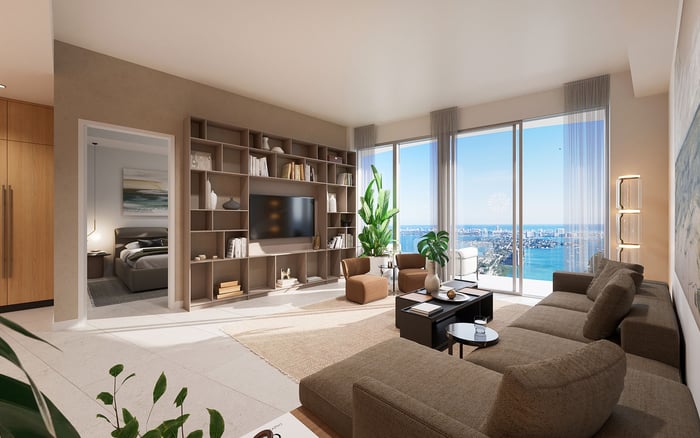
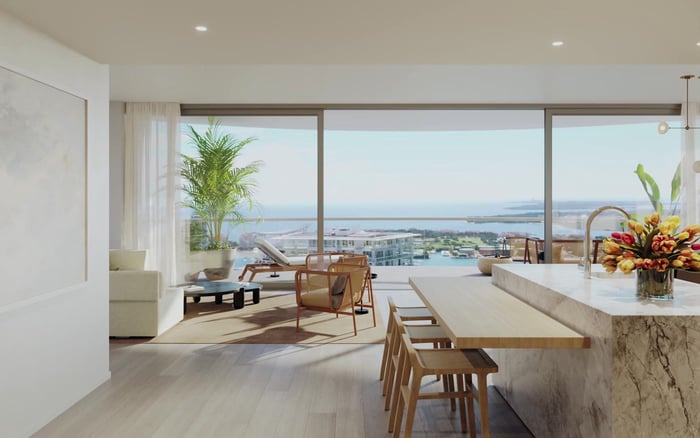
A buyer-focused editorial guide to the ownership questions that separate Arbor Coconut Grove, Glass House Boca Raton, and Alma Bay Harbor Islands across distinct South Florida submarkets.
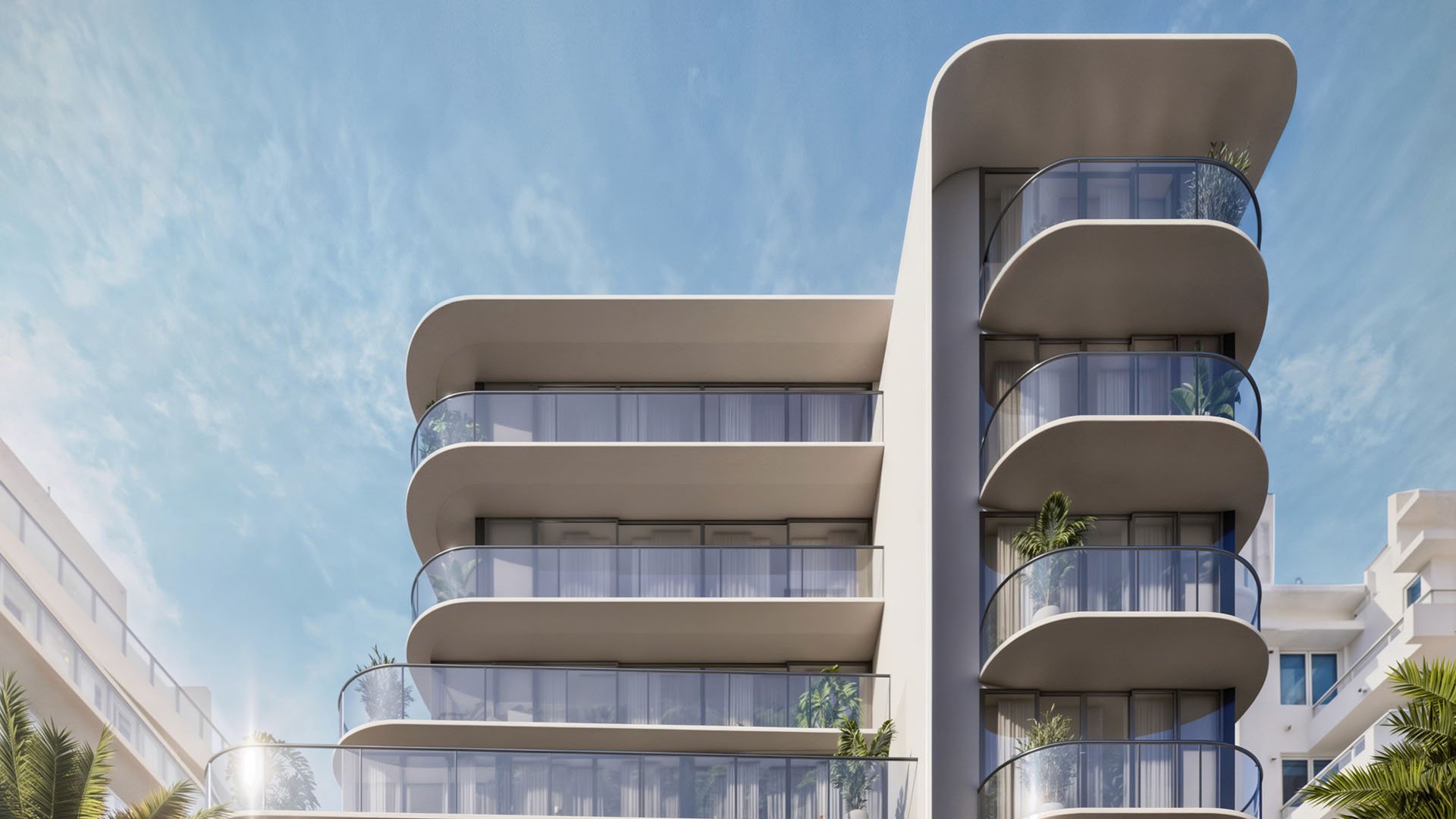
For South Florida’s most selective condominium buyers, ownership is rarely a single question. It is a layered decision involving lifestyle, tax posture, use pattern, governance, insurance exposure, liquidity, and the long-term character of a neighborhood. That is especially true when comparing three projects that should not be treated as interchangeable: Arbor Coconut Grove, Glass House Boca Raton, and Alma Bay Harbor Islands.
Each belongs to a different ownership conversation. Arbor Coconut Grove sits within a Coconut Grove lens, where buyers should think locally rather than rely on broad Miami condo assumptions. Glass House Boca Raton belongs to the Boca Raton luxury condominium market, a context distinct from Miami-Dade dynamics. Alma Bay Harbor Islands is best understood through Bay Harbor Islands’ boutique residential character and island-style ownership considerations.
The practical implication is simple: a sophisticated buyer should not ask only which residence feels most compelling. The better question is which ownership profile aligns with the way the buyer intends to live, hold, finance, lease, protect, and eventually resell the asset.
Coconut Grove has its own rhythm, and Arbor Coconut Grove should be evaluated through that neighborhood-specific filter. A buyer considering Arbor Coconut Grove should focus on how ownership fits a Grove lifestyle rather than assuming the same priorities that might apply in Brickell, Edgewater, or Miami Beach.
The first layer is use. Will the residence be a primary home, a seasonal base, or a long-term hold for family flexibility? That answer affects everything from homestead eligibility to how an owner views monthly carrying costs and future resale. Buyers who may qualify for Florida homestead benefits should address that early with counsel and tax advisers, especially if they also maintain residences elsewhere.
The second layer is governance. Association documents, budgets, reserves, insurance allocations, and any limits on leasing or guest use deserve careful review before contract deadlines pass. In luxury ownership, the question is not only whether a building is beautiful. It is whether the financial and operational structure feels durable enough for the owner’s intended holding period.
The third layer is exit. Coconut Grove ownership often appeals to buyers purchasing for a neighborhood experience, not simply for a view or a floor plan. That can support a more patient resale mindset, but it also makes unit selection, building positioning, and buyer-pool analysis especially important.
Glass House Boca Raton should be considered through Boca Raton’s luxury condominium market rather than through Miami-Dade assumptions. Boca Raton buyers often compare condominium ownership against private homes, club-oriented lifestyles, second-home use, and a desire for refined convenience. That framework changes the due diligence.
For a Boca Raton condominium buyer, the ownership file should begin with the condominium documents. Review the declaration, bylaws, rules, budget, reserve posture, insurance summary, maintenance obligations, and any transfer or leasing provisions. If the buyer is purchasing through a trust, limited liability company, or other entity, the documents should be checked for approval requirements or use limitations tied to entity ownership.
The second issue is time horizon. A buyer using Glass House Boca Raton as a full-time home may value stability and governance differently than a buyer using it as a seasonal residence. A seasonal owner may focus more closely on access, security, lock-and-leave practicality, insurance clarity, and how the association handles building operations when many owners are away.
The third issue is liquidity. Boca Raton’s luxury condo market is not the same as Miami’s investor-heavy vertical corridors. Resale strategy should be framed around the likely future buyer: someone who may be comparing location, service expectations, privacy, convenience, and the appeal of condominium living within Boca Raton itself.
Alma Bay Harbor Islands belongs in a different conversation again. Bay Harbor Islands is not simply another Miami-area condominium setting. It is a boutique residential market with island-style ownership considerations, and those qualities should shape the buyer’s review.
Boutique ownership can be appealing because it often feels more personal and residential, but it also requires close attention to governance. Smaller or more intimate associations may have different dynamics than larger towers. Buyers should study budget assumptions, reserves, insurance coverage, assessment procedures, repair responsibilities, and the degree of owner involvement that may be expected over time.
Island ownership also calls for practical review. Access patterns, insurance exposure, storm preparation procedures, parking, storage, guest policies, and rules for seasonal absence all deserve attention. None of these questions diminishes the appeal of Alma Bay Harbor Islands. Rather, they help a buyer understand whether the ownership experience matches how the residence will actually be used.
For an investment-minded buyer, leasing rules are essential. The key is not to assume flexibility. Rental minimums, approval processes, tenant rules, and frequency limits can materially change the financial profile. Even an owner with no immediate plan to lease should understand the rules, because future flexibility can influence resale.
Although the three projects sit in distinct submarkets, the diligence file has a common spine. Before becoming emotionally committed to any luxury condominium, buyers should assemble a clear ownership checklist.
Start with legal structure. Will title be held individually, jointly, through a trust, or through an entity? The answer can affect approvals, financing, estate planning, privacy, homestead eligibility, and potential transfer rules. Entity ownership may be desirable for privacy or planning, but the association documents and lender requirements must be reviewed before assumptions become commitments.
Next, examine recurring costs. Monthly assessments should be understood in relation to reserves, insurance, staffing, maintenance obligations, and future capital needs. A lower monthly number is not automatically superior if it depends on thin reserves or deferred planning. In South Florida, insurance is an ownership issue, not a footnote.
Then, study use restrictions. Many buyers focus on purchase price while leaving rental policy, pet rules, guest access, renovation procedures, and move-in requirements until late in the process. In a luxury building, those rules are part of the asset. They define how private, flexible, quiet, or investment-friendly the ownership experience may become.
Finally, test the resale thesis. A strong purchase should include a coherent answer to who the next buyer might be. For Arbor Coconut Grove, that may be someone drawn to Coconut Grove. For Glass House Boca Raton, the future buyer is likely reading the Boca Raton market on its own terms. For Alma Bay Harbor Islands, the appeal may sit in the boutique island-market identity.
The cleanest comparison is not project versus project in the abstract. It is ownership profile versus ownership profile. A primary resident may weigh homestead, governance, storage, daily convenience, and long-term neighborhood fit. A seasonal owner may prioritize ease of return, staff protocols, insurance clarity, and rules around guests. An investor or future-flexibility buyer will care more about rental policy, carrying-cost discipline, and resale depth.
That is why the most elegant purchase is often the one that feels almost conservative on paper. It has a clear use case, a reviewed document package, a realistic cost structure, and a future buyer in mind. South Florida rewards beauty, but it also rewards precision.
Is Arbor Coconut Grove the same ownership decision as a Miami condo elsewhere? No. Arbor Coconut Grove should be viewed through Coconut Grove-specific buyer considerations rather than broad Miami condo assumptions.
Should Glass House Boca Raton be compared to Miami-Dade condominium projects? It can be compared for lifestyle contrast, but ownership diligence should be framed around Boca Raton’s luxury condominium market.
What makes Alma Bay Harbor Islands different from larger tower markets? Alma Bay Harbor Islands sits in a boutique Bay Harbor Islands context, so governance, access, insurance, and island-style use deserve close attention.
Should I buy in my personal name or through an entity? That depends on privacy, estate planning, financing, tax posture, and association rules. Review the documents before selecting a structure.
Does homestead eligibility matter for luxury condo buyers? It can matter if the residence will be a primary home. Buyers should confirm eligibility with qualified tax and legal advisers.
Why are reserves important in a condominium purchase? Reserves help indicate how future repairs and capital needs may be funded. They should be reviewed alongside the budget and insurance profile.
Are rental restrictions a major ownership issue? Yes. Rental minimums, approval procedures, and frequency limits can affect flexibility, income planning, and eventual resale.
How should a second-home buyer think differently? A second-home buyer should focus on lock-and-leave practicality, access, security, insurance, guest rules, and seasonal operating procedures.
What is the most overlooked ownership cost? Insurance exposure is often underestimated. It should be reviewed as part of the total carrying-cost picture, not in isolation.
What is the best way to compare the three projects? Compare them by intended use, governance, cost structure, rental flexibility, and resale thesis, not by treating their submarkets as identical.
If you'd like a private walkthrough and a curated shortlist, connect with MILLION.
If branded residences are on your mind — as a home or as an allocation — we would be glad to share what we are seeing, privately.
Begin a quiet conversation