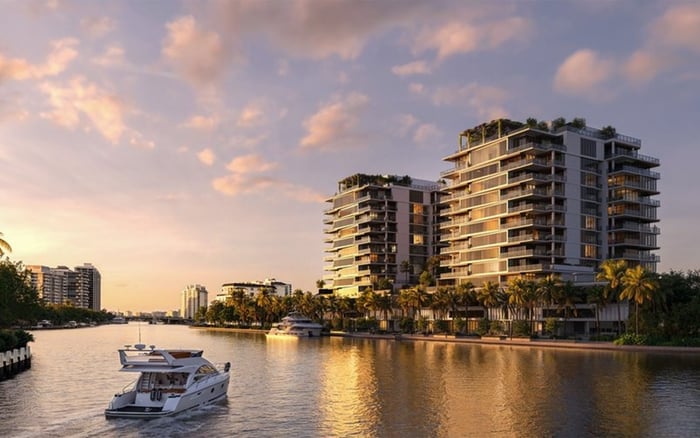
A buyer-focused guide to reviewing milestone inspection history, repair obligations, association finances, insurance exposure, and document trails before purchasing at Riva Residenze Fort Lauderdale.

At Riva Residenze Fort Lauderdale, the purchase conversation should extend beyond finishes, views, amenities, and the elegance of arrival. For a luxury condominium in Fort Lauderdale, building-condition due diligence is not a background formality. It is central to understanding the durability of the asset, the financial posture of the association, and the buyer’s likely obligations after closing.
The essential question is direct: what is the milestone inspection history, and what does it reveal? A polished resale presentation may answer the lifestyle question beautifully, but it may not answer the structural one. In Broward and across coastal South Florida, sophisticated buyers increasingly treat inspection history as a core valuation item, especially where concrete, waterproofing, balconies, garage decks, roofs, façades, and seawalls may influence both comfort and capital planning.
That does not mean approaching the file with suspicion. It means approaching it with discipline. The same buyer comparing Riva with Four Seasons Hotel & Private Residences Fort Lauderdale or Auberge Beach Residences & Spa Fort Lauderdale should ask clear, documented questions before letting the closing calendar outrun the facts.
Begin by asking whether Riva has had any milestone inspection, structural inspection, engineering assessment, or similar building-safety review completed to date. Use broad language. The label attached to the review matters less than whether a qualified building-safety evaluation exists and whether it addresses the issues relevant to condominium ownership.
If a review exists, ask for the full inspection report. A summary from a seller, a verbal assurance, or a broker-level interpretation is not enough for a purchase of this caliber. The report itself may show scope, assumptions, exclusions, findings, photographs, engineer observations, and recommended next steps. Those details help distinguish cosmetic maintenance from capital work, and ordinary aging from conditions that may require association-level action.
If the seller or association says there is no milestone inspection history available, that answer should still become part of the buyer’s due diligence record. The objective is not simply to collect a document. It is to understand what has been reviewed, what has not been reviewed, and what uncertainty may remain.
Once an inspection report is available, the buyer should ask whether it identified structural deterioration, concrete issues, water intrusion, waterproofing failures, balcony concerns, garage-deck issues, or other common coastal-building risks. These categories are not interchangeable. A balcony item may affect use and aesthetics. A waterproofing issue may involve the long-term envelope. A garage-deck concern may carry a different scale of repair planning. A seawall or roof item may influence reserves and timelines in ways that are not visible during a private showing.
This is where waterfront ownership in South Florida demands a more exacting read. Salt air, rain exposure, and the mechanics of a coastal building can make preventive work a sign of sound stewardship, not necessarily a warning sign. The question is whether the building has a documented understanding of its condition and whether the association is acting on that understanding.
Buyers should resist the temptation to reduce inspection history to a single word such as clean, acceptable, or manageable. The better question is: what exactly was found, what exactly was recommended, and what has happened since?
The next layer is execution. Ask whether engineer-recommended repairs have been completed, are underway, or remain deferred. A report without repair status is only half the picture. Completed work may indicate responsible follow-through. Work underway may affect access, noise, budgeting, or unit enjoyment. Deferred work may be reasonable in some circumstances, but the buyer should understand why it was deferred and what the current plan is.
Ask for the timeline of any recommended structural, waterproofing, façade, roof, balcony, seawall, garage, or life-safety work. Timelines matter because they translate technical findings into ownership experience. They also help a buyer evaluate whether expected work aligns with a primary residence, a second-home rhythm, or a longer-term hold.
In the wider Fort Lauderdale market, buyers may also be considering properties such as St. Regis® Residences Bahia Mar Fort Lauderdale and Sixth & Rio Fort Lauderdale. Each building conversation is different, but the discipline is consistent: document the physical condition, understand the association’s response, and price the ownership accordingly.
A milestone inspection file is not only an engineering file. It can also become a financial file. Ask whether the association has approved any special assessments, loans, reserve increases, or budget changes tied to inspection findings or capital repairs. Then ask whether the association’s reserves are sufficient for known repair obligations or whether future owner contributions are likely.
This is where a beautiful unit can become a more complex acquisition. The purchase price is only one part of the capital commitment. If inspection findings have triggered, or may trigger, repair obligations, the buyer should understand how those obligations may be funded. A well-capitalized association may absorb known work more smoothly. An association with insufficient reserves may need owner contributions, budget changes, loans, or a combination of measures.
Also ask whether inspection history has affected insurance premiums, deductibles, coverage terms, or lender willingness to finance units in the building. These questions belong in any serious resale review because financing and insurance can shape liquidity. Even a cash buyer should care about how future buyers, insurers, and lenders view the property.
Inspection history rarely lives in a single PDF. Ask for board minutes, owner notices, engineering correspondence, budgets, reserve studies, and assessment records that mention inspections or major repairs. Those documents may show how the association discussed findings, how priorities were set, and whether owners were notified of timelines or funding decisions.
Ask whether the association has received notices, requests, or compliance deadlines from local authorities related to building safety or structural review. If any such communication exists, the buyer should understand its status before closing. A deadline is not just administrative language. It can influence timing, board action, contractor scheduling, and the owner experience.
The strongest position is neither alarmist nor casual. It is documentary. The buyer should know what the building has been asked to do, what it has chosen to do, and what remains unresolved.
The answers should influence more than comfort level. They may shape contract terms, document-review periods, escrow strategy, closing timing, and post-closing capital expectations. A buyer does not need to become an engineer, but the buyer should know when a specialist review is warranted and when an association file deserves a second read.
At Riva Residenze Fort Lauderdale, the question is not whether a luxury condominium should be held to a higher standard. It should. The question is whether the buyer has enough evidence to understand the building’s condition, the association’s financial planning, and the likely ownership path ahead.
A discreet, well-run building can have inspection findings and still represent a compelling long-term purchase. Conversely, a visually impressive residence can carry unanswered questions if the inspection file is thin, the repair timeline is vague, or the funding path is unclear. In the ultra-premium segment, structural and financial due diligence are part of value itself.
What is the first milestone inspection question to ask at Riva Residenze Fort Lauderdale? Ask whether any milestone inspection, structural inspection, engineering assessment, or similar building-safety review has been completed to date.
Is a broker summary enough for inspection due diligence? No. A buyer should request the full inspection report rather than relying on a verbal assurance or abbreviated summary.
What building issues should the report be reviewed for? Ask specifically about structural deterioration, concrete issues, water intrusion, waterproofing, balconies, garage decks, and other coastal-building risks.
Why do repair timelines matter before closing? Timelines help a buyer understand when structural, façade, roof, balcony, seawall, garage, or life-safety work may affect ownership.
Should I ask whether recommended repairs are finished? Yes. Clarify whether engineer-recommended repairs are completed, underway, or deferred.
How can inspection history affect the association’s finances? Findings may be tied to special assessments, loans, reserve increases, budget changes, or future owner contributions.
Should reserves be part of the review? Yes. Ask whether reserves are sufficient for known repair obligations and whether additional owner funding may be likely.
Can inspection history affect financing or insurance? Yes. Buyers should ask whether it has influenced insurance premiums, deductibles, coverage terms, or lender willingness to finance units.
Which association documents should I request? Request board minutes, owner notices, engineering correspondence, budgets, reserve studies, and assessment records mentioning inspections or major repairs.
Is this due diligence only a closing formality? No. For a luxury Fort Lauderdale condominium, structural and financial due diligence should be part of evaluating long-term value.
For a confidential assessment and a building-by-building shortlist, connect with MILLION.
If branded residences are on your mind — as a home or as an allocation — we would be glad to share what we are seeing, privately.
Begin a quiet conversation