A buyer-focused framework for evaluating whether private-dining reservation access at Opus Coconut Grove is a durable residential advantage or a lifestyle promise.
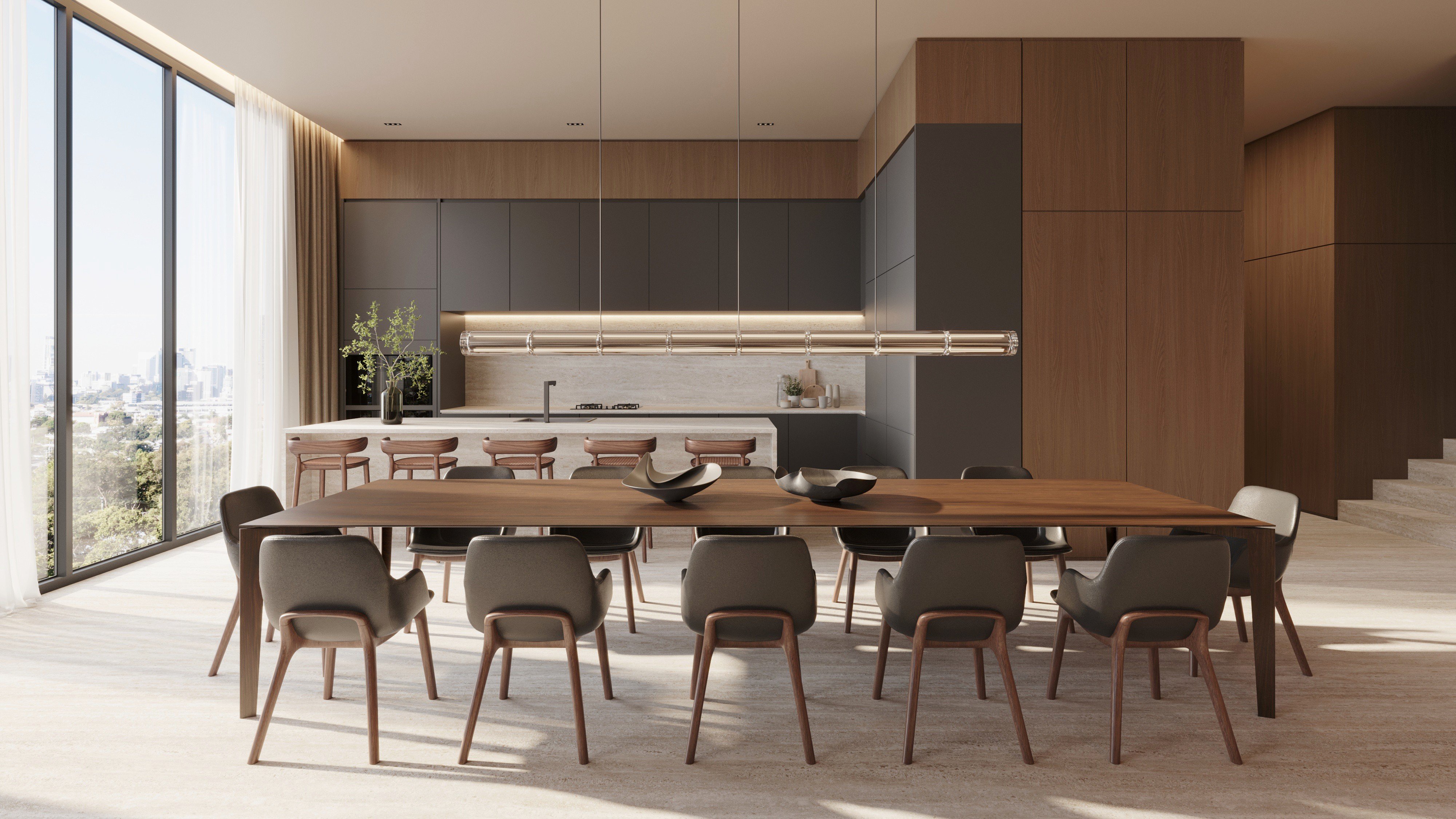
Opus Coconut Grove enters the 2026 luxury conversation at a moment when affluent buyers are looking beyond finishes, views, and amenity counts. The sharper question is not whether a private dining room exists. It is whether access to that room, and any priority reservation privilege attached to it, is defined clearly enough to influence ownership value.
For buyers comparing Coconut Grove offerings, the dining amenity should be treated as a diligence item, not a decorative lifestyle line. A beautiful room can add atmosphere. A genuine reservation right can add convenience, scarcity, and a sense of residential privilege. The distinction depends on documents, governance, operator quality, and the durability of the promise after sellout.
That is the buyer test for Opus Coconut Grove in 2026: does dining-related access function as a durable owner benefit, or is it better understood as hospitality language that could change over time?
Luxury buyers are accustomed to seeing private dining rooms in new residential presentations. The physical amenity is only the first layer. The more consequential layer is whether owners receive priority, how that priority works, and whether the rules are tied to ownership, residency, membership, or another category.
A buyer should distinguish between access and preference. Access may mean residents can request use of a space. Preference may mean residents receive earlier booking windows, special time blocks, or defined priority over outside users or other guest categories. The strongest program is one in which the terms identify who can book, when bookings open, whether blackout dates apply, whether guests are permitted, and what costs apply.
This matters for Opus Coconut Grove because the private-dining concept should be evaluated as more than a design feature. If the value proposition includes privileged dining access, the buyer should understand whether that privilege is contractual, quasi-contractual, or simply part of the sales narrative.
Reservation rights are strongest when they appear in writing in a place that remains relevant after closing. Buyers should ask whether dining access appears in condominium documents, association rules, a hospitality agreement, or a separate amenity program. Each location implies a different level of control, flexibility, and owner protection.
A condominium document may create a more formal framework. Association rules may be easier to amend. A hospitality agreement may depend on the term, renewal rights, and operator obligations. A separate amenity program may offer flexibility, but buyers should understand whether participation is automatic, optional, fee-based, or subject to future qualification.
The point is not to require every hospitality feature to function like a deeded property right. The point is to know what the buyer is actually acquiring. In the ultra-premium segment, precision is part of luxury. A private dining privilege that cannot be explained in writing before contract execution should be valued more cautiously.
Governance is where many amenity promises either become durable or begin to soften. A reservation program may look compelling in a sales gallery, but its long-term value depends on who controls the rules. Buyers should determine whether the board, developer, restaurant operator, third-party manager, or hospitality partner can modify access standards without owner consent.
The question becomes practical quickly. Can booking windows be reduced? Can outside patrons receive preferred dates? Can fees change materially? Can guest policies be tightened? Can holiday periods be blacked out? If the answers are controlled by an operator without meaningful owner protection, the reservation benefit may be less stable than it appears.
For new-construction and pre-construction buyers, this governance review belongs early in the decision process. It is easier to clarify before contract execution than after closing, when expectations may already be priced into the purchase decision.
Private dining is not a static amenity. It depends on people: the chef, restaurant team, service leadership, reservation staff, and management culture. Even an elegant room can lose value if the operating standard is inconsistent or if the dining concept turns over frequently.
The buyer should ask what happens if the original restaurant operator changes. Does the reservation structure survive? Does another operator inherit the same obligations? Are owner privileges tied to the building, or only to a particular dining concept? A strong answer would make the amenity resilient across operator replacement, building sellout, and association transition.
This is where luxury branding and durability separate. Branding can create desire. Durability creates confidence. Opus Coconut Grove buyers should treat continuity as a core part of the dining evaluation, not as a secondary operational detail.
For a 2026 buyer, the relevant question is whether dining-related access at Opus Coconut Grove can justify capital allocation versus other Coconut Grove or Miami luxury options. That does not mean the dining amenity must carry the entire pricing argument. It means the amenity should have enough substance to support the broader ownership thesis.
A strong private-dining program may enhance perceived pricing power when it gives residents access to experiences that are scarce, convenient, and difficult to replicate elsewhere. The value lies in friction reduction: the ability to host privately, dine with discretion, and secure access without competing on the same terms as the general market.
From an investment perspective, the analysis should remain disciplined. A buyer should not overpay for an undefined promise. But if the reservation framework is clear, transferable, and consistently operated, it may contribute to the overall desirability of the residence.
Resale value depends on what the next purchaser receives. If private-dining access is tied to ownership and transfers automatically, it may be easier to explain as part of the residence’s long-term lifestyle value. If future purchasers must qualify separately, join a separate program, or accept materially different access rules, the benefit may be harder to underwrite.
The question for Opus Coconut Grove is therefore not only, “Can I use it?” It is also, “Can the next buyer use it on the same terms?” A durable privilege is easier to price than a discretionary invitation. Buyers should ask for the answer in writing and understand whether any fees, memberships, or approvals could affect future transferability.
In the high-end market, small legal distinctions can carry real economic meaning. A room is an amenity. A priority right, if properly structured, is a residential advantage.
Before signing, a buyer should request written evidence of the dining access rules. The checklist is straightforward: who controls reservations, how far in advance owners can book, whether priority is guaranteed or best efforts, which dates are unavailable, whether guests are allowed, whether fees apply, and whether the rules can be changed without owner consent.
Buyers should also ask what happens after association transition, after building sellout, and after a restaurant operator change. These are not adversarial questions. They are the correct questions for a sophisticated purchase.
For Opus Coconut Grove, the strongest position is to treat private dining as a potentially meaningful ownership benefit, but only after the reservation priority is defined. In 2026, the most discerning buyer will not be satisfied by ambience alone. The buyer will want the right, the rules, and the durability.
Is private dining automatically valuable in a luxury condominium? Not automatically. Its value depends on whether access is clear, useful, durable, and meaningful to residents.
What is the key buyer test for Opus Coconut Grove? Buyers should determine whether private-dining access is contractual, quasi-contractual, or simply a lifestyle promise.
Why do reservation rules matter? Rules define who can book, when they can book, whether guests are allowed, and whether priority has real practical value.
Where should buyers look for dining access terms? Buyers should review condominium documents, association rules, hospitality agreements, and any separate amenity program.
Can dining reservation rights change over time? They may change if the governing documents or operating agreements allow a board, developer, operator, or manager to revise access.
Why is operator quality important? A private-dining program depends on the chef, service team, reservation management, and continuity of hospitality standards.
What happens if the restaurant operator changes? Buyers should ask whether owner access survives operator replacement and whether a new operator must honor the same rules.
Can private dining affect resale value? It can support perceived value if future purchasers inherit the same access on clear and transferable terms.
Should buyers rely on sales-gallery descriptions? No. The strongest position is to request written evidence of access rules before contract execution.
How should 2026 buyers evaluate Opus Coconut Grove overall? They should decide whether the dining access is defined enough to support the broader ownership and capital allocation case.
When you're ready to tour or underwrite the options, connect with MILLION.
If branded residences are on your mind — as a home or as an allocation — we would be glad to share what we are seeing, privately.
Begin a quiet conversation