A buyer-focused look at why Pompano Beach has become a discreet coastal choice for luxury owners who place boating, privacy and everyday waterfront ease ahead of louder prestige signals.
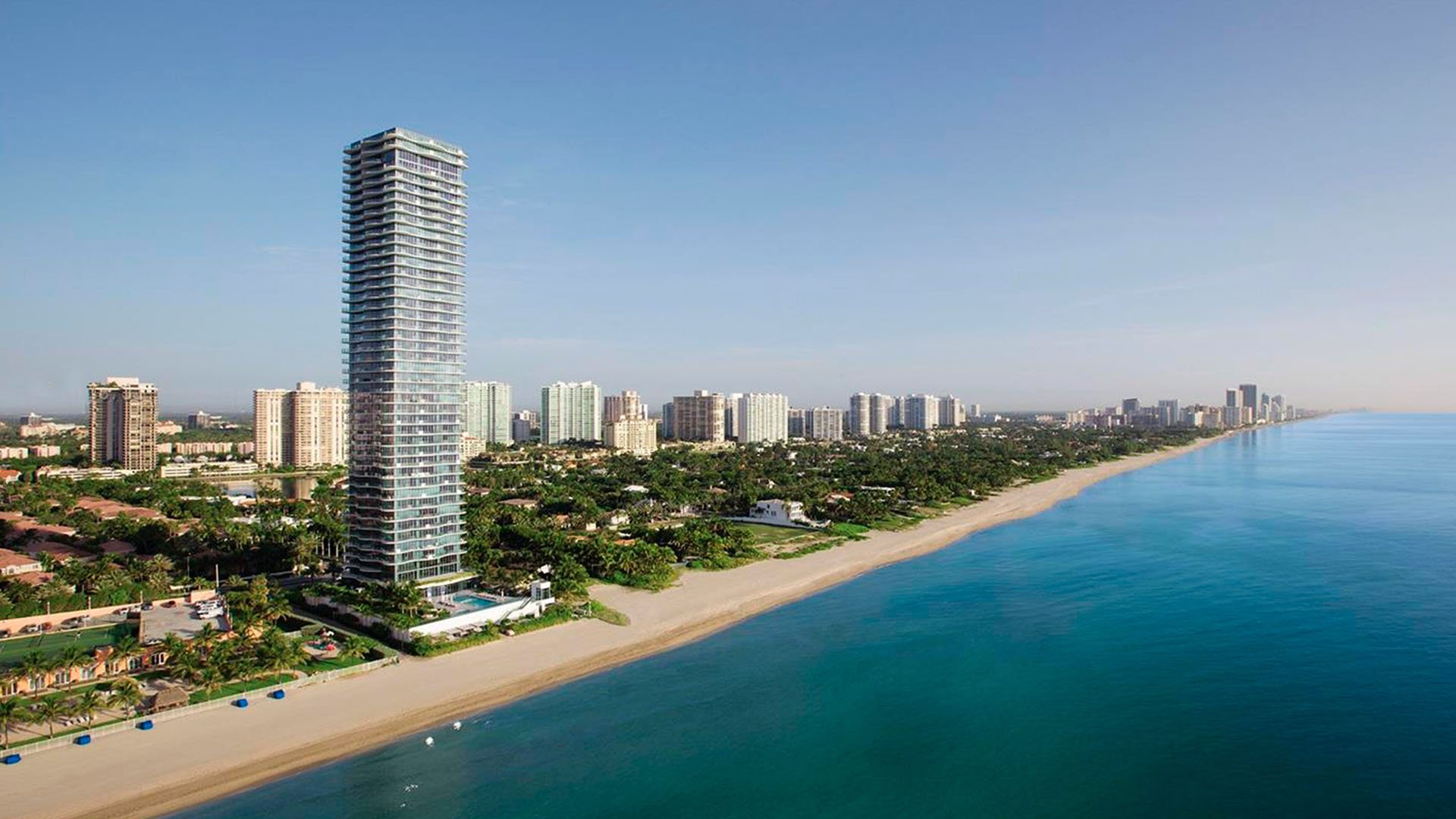
Pompano Beach makes its case softly. It is not the address that needs to announce itself at dinner, nor the waterfront market built around spectacle first and lifestyle second. For the buyer who cares less about being seen and more about leaving the dock with minimal friction, that restraint is central to the appeal.
Quiet luxury in South Florida increasingly means utility refined into ease. The right residence does not simply look impressive from the water; it supports the way an owner actually lives. It accommodates morning departures, late returns, visiting family, service teams, pets, water toys and the simple pleasure of deciding, at a moment’s notice, that the day belongs offshore rather than on land.
That is where Pompano Beach becomes compelling. Its residential story is not only about beachfront polish or new design language. It is about a practical coastal rhythm that rewards people who use the water often. The buyer is not asking, “What will impress someone for one weekend?” The better question is, “What will still feel effortless after the hundredth boating day?”
For many affluent buyers, boating is not an amenity. It is the organizing principle. It determines how a home is evaluated, how weekends are structured and which compromises are acceptable. A beautiful lobby matters, but not if the owner’s boating routine becomes complicated. A glamorous view matters, but not if the residence does not support the storage, access and privacy required by a serious water-oriented lifestyle.
This is the distinction between a coastal property and a boating property. The first may photograph beautifully. The second functions beautifully. In Pompano Beach, buyers who understand that difference tend to look past surface-level excitement and focus on the quieter mechanics of ownership: arrival sequence, parking comfort, dock or marina proximity, elevator efficiency, service access, weather preparation and the feel of the neighborhood after the season quiets down.
The best waterfront decisions are rarely made from a balcony alone. They are made by walking the route from residence to car, from car to dock, from dock back home after dinner, and asking whether the entire sequence feels natural. Quiet luxury is not an adjective in this context. It is a system.
Pompano Beach sits within a broader Broward luxury conversation that is changing in tone. Many buyers still want the elegance of South Florida, but not necessarily the density, tempo or social exposure associated with the region’s most recognizable enclaves. They want proximity to culture, airports, dining and marinas, yet they also want a home life that feels composed.
That is why Pompano Beach can resonate with owners who have already lived through a louder version of luxury. They may have owned in a tower where every arrival felt public, or spent seasons in a building where amenities were abundant but daily logistics felt crowded. The next purchase is often more selective. It places greater emphasis on serenity, controllable routines and an environment that does not drain the owner before the boat even leaves.
For buyers, the shorthand often sounds utilitarian: Pompano Beach, Broward, marina access, boating orientation, oceanfront appeal and new-construction preferences. Behind those terms is a more emotional objective. They are searching for a residence that lets the water remain the main event, without turning every weekend into a production.
A boating-focused purchase should begin with a lifestyle audit. How often will the boat be used? Will the owner captain personally or rely on crew? Are guests typically family, friends or business associates? Is the home intended for long seasonal stays, short escapes, or eventual full-time living? These answers shape the ideal property profile.
A lock-and-leave condominium can work beautifully for an owner who wants service, security and minimal maintenance. A larger waterfront residence may be better suited to someone who wants more autonomy, easier provisioning and a stronger sense of private arrival. Neither is inherently superior. The more luxurious choice is the one that removes friction from the owner’s actual pattern.
Boating buyers should also be precise about the difference between seeing water and using water. A residence can offer a dramatic view and still be less convenient for someone who is on the boat several days a week. Conversely, a property with a less theatrical presentation may deliver a better daily rhythm because it shortens the distance between decision and departure.
Privacy deserves equal attention. Quiet luxury buyers often want service without visibility, access without exposure and amenities without a social obligation. The right building or home should allow for discretion in both routine and entertainment. That includes how guests arrive, where staff circulate and whether the property feels calm during peak periods.
South Florida buyers often begin with the fantasy of oceanfront living. The appeal is obvious: light, horizon, breeze and the psychological clarity that comes from waking up near the Atlantic. But when year-round boating matters, oceanfront polish must be measured against boating logic.
The ideal answer may not always be the most dramatic beachfront perch. Some owners will prioritize immediate visual connection to the ocean; others will prefer a layout that makes marina access, gear handling and guest boarding easier. The key is to separate romance from routine. A buyer should imagine not only the first celebratory weekend, but also an ordinary Tuesday when the boat needs attention, provisions need to be loaded and timing matters.
This is where Pompano Beach’s quieter profile can be advantageous. A buyer can focus on the essentials without being distracted by prestige theater. The smartest acquisitions tend to have a certain restraint: generous but not wasteful, polished but not performative, connected to the water without making every aspect of ownership feel public.
In the older luxury vocabulary, status was often expressed through scale, signage and social visibility. In the current waterfront vocabulary, status is increasingly expressed through control. Control over time. Control over privacy. Control over when and how the owner accesses the water.
A boating-centered home in Pompano Beach can communicate that status in a quieter way. It does not need to compete with more famous addresses if it delivers something more personal: the ability to live well on the water with fewer interruptions. For the right buyer, that is more valuable than name recognition.
This does not mean sacrificing design. It means design must serve the rhythm. Materials should be resilient, terraces should feel usable, storage should be considered and amenities should enhance recovery after a day outside. Spa areas, pools, fitness rooms and lounges matter most when they support the owner’s return from the water, not merely the marketing image of resort living.
Pompano Beach is especially relevant for buyers who are fluent in South Florida but no longer need the obvious address. They may be relocating from another waterfront market, downsizing from a larger estate, or adding a second home that will be used frequently rather than ceremonially. They are often practical, design-aware and sensitive to the difference between luxury that photographs well and luxury that lives well.
It is also a logical conversation for families who want a coastal base that accommodates different generations. Boating can be the shared activity, but the residence still needs to support quiet mornings, remote work, dining out, guest stays and low-stress maintenance. The best purchase will not force the household to choose between elegance and usability.
For investors in personal enjoyment, rather than only financial yield, the appeal is even clearer. A property that makes boating easier is used more often. A home that is used more often becomes emotionally valuable. That is the quiet luxury equation at the heart of Pompano Beach.
The most successful buyers will approach the market with patience. They will compare not only interiors, but also infrastructure, management culture and how the property behaves at different times of day. They will ask about practical matters early, not after falling in love with a view. They will consider how the residence supports crew, guests, maintenance and spontaneous departures.
Above all, they will resist the urge to buy someone else’s idea of prestige. In a market as layered as South Florida, the best address is the one that makes the owner’s life feel better with remarkable consistency. For boating-first buyers, Pompano Beach deserves that kind of serious, discreet consideration.
Is Pompano Beach a good fit for quiet luxury buyers? Yes, especially for buyers who value privacy, coastal ease and a boating-centered lifestyle over highly visible prestige signals.
What should boating buyers prioritize first? They should prioritize daily access, dock or marina logistics, storage, service flow and how naturally the residence supports frequent time on the water.
Is an oceanfront residence always best for boaters? Not always. Oceanfront living can be beautiful, but boating convenience depends on the full routine from home to water and back again.
How should buyers compare condos and waterfront homes? Condos may offer service and lock-and-leave simplicity, while waterfront homes may offer more autonomy and private control.
Why does privacy matter so much in this segment? Quiet luxury buyers often want effortless arrivals, discreet entertaining and amenities that do not feel overly social or exposed.
What makes a boating property different from a coastal property? A coastal property emphasizes proximity and views, while a boating property is judged by how efficiently it supports actual water use.
Should buyers focus on amenities? Yes, but only when amenities improve real life, such as wellness, recovery, storage, guest comfort and low-friction routines.
Who is the typical buyer for this lifestyle? The buyer is often experienced, practical and design-conscious, with a preference for usable luxury rather than overt display.
Is Pompano Beach more about primary homes or second homes? It can serve either purpose, particularly when the owner expects to use the property often and wants boating to shape the stay.
What is the simplest way to evaluate the right purchase? Walk the full daily sequence, from residence to boat to return, and choose the property that makes that rhythm feel effortless.
For a discreet conversation and a curated building-by-building shortlist, connect with MILLION.
If branded residences are on your mind — as a home or as an allocation — we would be glad to share what we are seeing, privately.
Begin a quiet conversation