A buyer-focused guide to choosing among three Miami luxury settings through the lens of kitchens, service circulation, entertaining style, and private dining expectations.
For buyers comparing One Thousand Museum Downtown Miami, ORA by Casa Tua Brickell, and Kempinski Residences Miami Design District, the conversation should begin with a simple question: where does the evening truly happen? In the kitchen, at the table, along a discreet service route, or in a private dining room beyond the residence itself?
That distinction matters because luxury entertaining in Miami is no longer defined by finishes alone. It is defined by choreography. A residence may have a beautiful kitchen, but if it cannot absorb a catered dinner, a family breakfast, a late cocktail, and a holiday weekend without friction, it may not suit the way an owner actually lives. Conversely, a buyer who cooks often may prefer a more engaged kitchen experience over a residence that assumes everything arrives from elsewhere.
The strongest choice is not necessarily the most theatrical one. It is the one that makes daily living and formal entertaining feel equally composed.
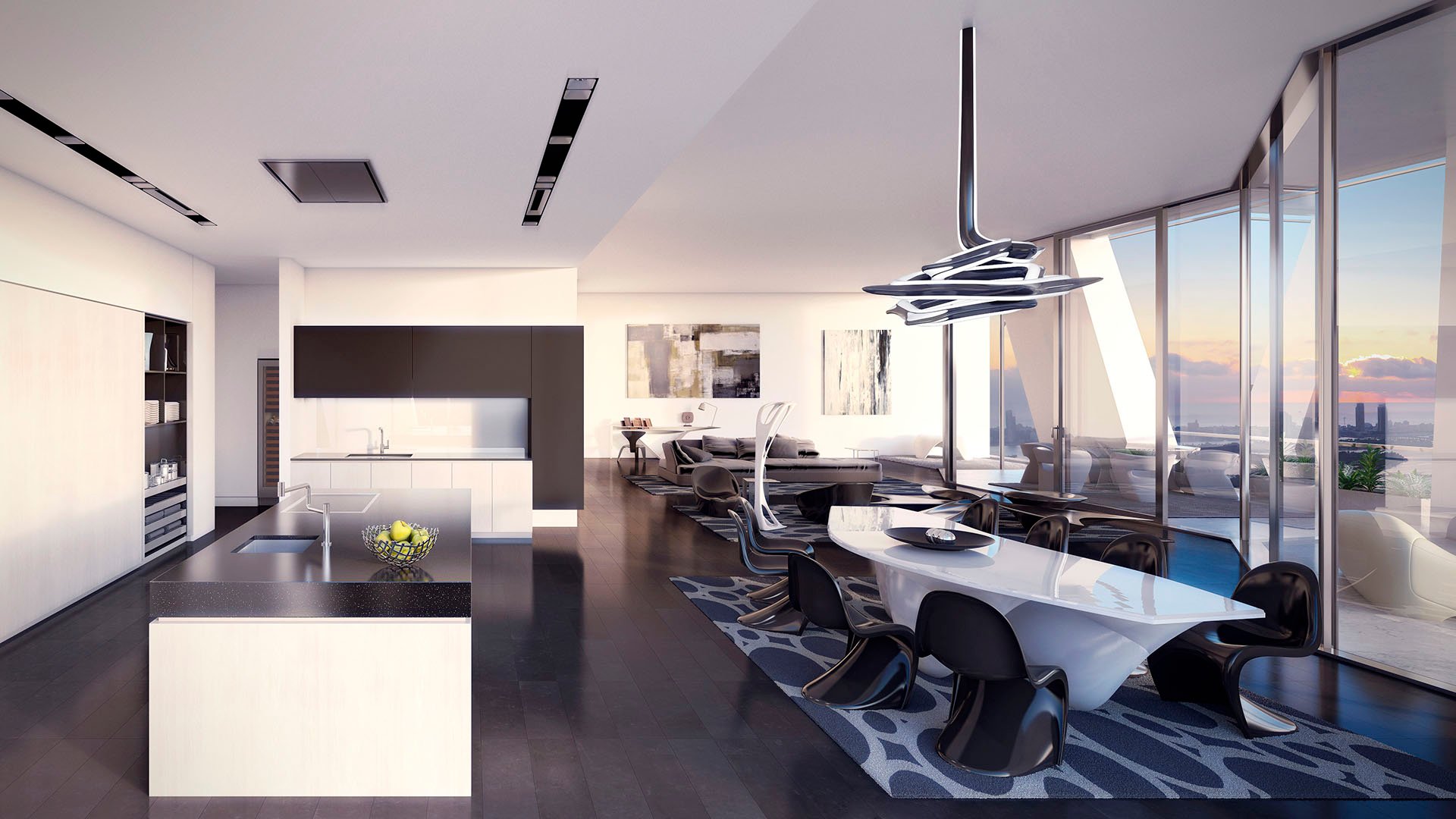
A chef-ready kitchen is most valuable when the owner, family, or private chef uses it as an active room rather than a backdrop. For this buyer, the kitchen is not merely a convenience. It is a working stage for breakfast, wellness routines, intimate dinners, and informal entertaining before guests move to the dining table or terrace.
This profile fits buyers who want control. They care about prep space, storage logic, ventilation, durable surfaces, and the relationship between kitchen, living room, and view. They may entertain often, but they do not want every gathering to feel outsourced. They want a kitchen that can hold conversation without exposing every practical detail.
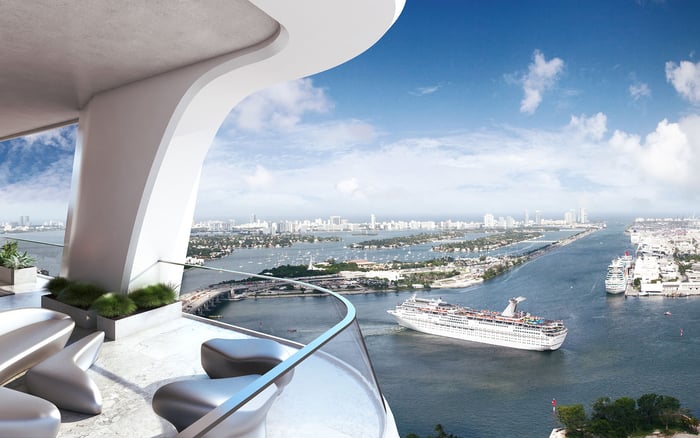
At One Thousand Museum Downtown Miami, the appeal for this buyer is a highly vertical Downtown lifestyle where the residence itself can feel like the event. In that setting, a chef-ready kitchen supports a more private form of hospitality: dinner with art, skyline, water-view moments, and a sense of arrival that begins upstairs rather than in a shared amenity space.
The caution is equally important. A kitchen that looks dramatic in a showing must still function under pressure. Buyers should study where groceries enter, where staff can stage, how noise travels, and whether the kitchen can remain elegant after three hours of service.
Catering flow is the invisible luxury most buyers notice only when it is missing. It determines how food, staff, glassware, flowers, deliveries, and cleanup move through a residence or building without disrupting the host. For frequent entertainers, this may matter more than the name on the appliance package.
The buyer who prioritizes catering flow is often hosting larger dinners, brand moments, philanthropic evenings, family celebrations, or recurring social events. They need more than a beautiful kitchen. They need separation between guest experience and back-of-house activity. They want the dining room to feel serene while service remains brisk and unseen.
This is where Brickell becomes especially compelling. The neighborhood is built around velocity: business lunches, international arrivals, evening reservations, and spontaneous plans. ORA by Casa Tua Brickell speaks to a buyer who may want residential privacy with a hospitality sensibility close to the center of Miami’s urban rhythm. ORA by Casa Tua Brickell also carries a name that naturally invites questions about food culture, entertaining, and how a residence supports social life.
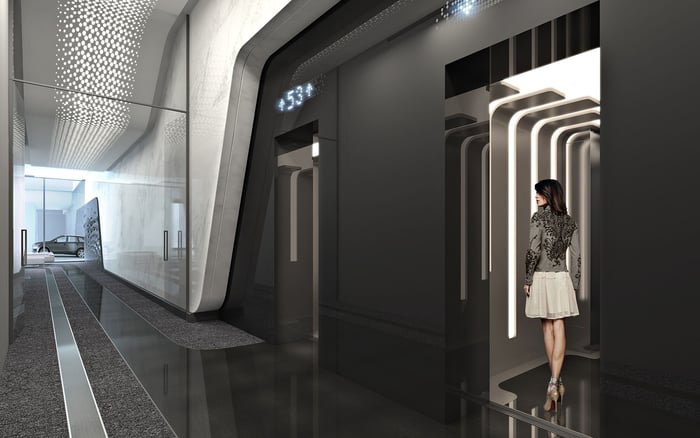
For these buyers, the showing should be practical. Ask how staff would access the unit, where trays would be staged, whether elevators support event timing, and how a catered evening concludes. The best entertaining residence feels effortless because the work is carefully kept out of view.
Private dining rooms appeal to buyers who want the option to entertain beyond the walls of their own residence. This is not a substitute for a proper home dining area. It is an expansion of social capacity, especially when the owner wants a more formal or staffed experience without surrendering privacy to a public restaurant.
The Design District context changes the conversation. Kempinski Residences Miami Design District will naturally be evaluated by buyers who care about design, culture, retail proximity, and a more curated urban environment. For them, private dining can function as a bridge between home and the city: polished enough for guests, close enough to feel personal, and separate enough to preserve the residence as a retreat.
This choice suits owners who host seated dinners, tastings, visiting family, or business-adjacent evenings where the residence should remain composed afterward. It also suits second-home owners who want to entertain beautifully without maintaining a full private household staff at all times.
The tradeoff is intimacy. A private dining room can be more convenient and impressive, but it may feel less personal than dinner at home. Buyers should decide whether they want guests to remember the residence, the building, the table, or the entire sequence.
Downtown is often about altitude, skyline energy, and a more cinematic sense of Miami. For buyers focused on One Thousand Museum Downtown Miami, the entertaining lens is residence-first: the home can become the central experience, particularly when views and vertical privacy define the evening.
Brickell is more kinetic. It favors buyers who move easily between work, dining, social obligations, and home. In Brickell, catering flow and hospitality support are not secondary details. They are part of the neighborhood’s pace. A residence here should make it easy to host without turning the home into a logistical exercise.
The Miami Design District carries a different tone. It is more edited, more design-aware, and often more intentional. Kempinski Residences Miami Design District may appeal to buyers who want a refined social setting connected to culture and style rather than pure financial-district momentum.
When a residence is evaluated across these three settings, location should not be reduced to commute or prestige. It should be measured against the owner’s calendar. Weekly dinners, seasonal use, school-year routines, visiting relatives, art-week entertaining, and quiet Mondays all test the plan differently.
Before choosing, imagine one ordinary week. On Tuesday, a private chef prepares dinner for four. On Thursday, a catered cocktail gathering brings twenty guests. On Sunday, family arrives casually after the beach or a museum visit. The right residence should handle all three without forcing the owner to compromise.
If Tuesday matters most, prioritize the chef-ready kitchen. If Thursday matters most, prioritize circulation, staging, and service discretion. If Sunday matters most, prioritize comfort, dining proportions, and the ease of moving between kitchen, table, and living area.
Buyers should also consider how often they want to leave the residence to entertain. Some owners prefer every meaningful meal at home. Others enjoy reserving the home for quiet life while using private rooms for larger occasions. Neither approach is superior. The best answer is the one that matches how the owner wants to be perceived and how they want to feel after guests depart.
Which residence type is best for buyers who cook often? A chef-ready kitchen is usually the priority because it supports daily use, private chefs, and more intimate hosting.
When does catering flow become more important than kitchen design? It becomes critical when owners frequently host larger gatherings with staff, deliveries, staging, and cleanup.
Why consider a private dining room if the residence has a dining area? A private dining room adds scale and separation, allowing formal entertaining without disrupting the home.
Is Downtown better for entertaining than Brickell? Downtown may feel more residence-focused, while Brickell often favors faster social and business circulation.
Who should consider Kempinski Residences Miami Design District? Buyers drawn to design culture, refined urban living, and entertaining beyond the residence may find it compelling.
What should buyers ask during a showing? Ask how groceries, caterers, staff, guests, and cleanup move through the building and residence.
Does a beautiful kitchen guarantee good hosting? No. Hosting depends on circulation, acoustics, storage, staging, seating, and the relationship between rooms.
Can a second-home buyer benefit from private dining spaces? Yes. They can offer a polished hosting option without requiring full-time private staff.
Should buyers prioritize views or service flow? For frequent entertaining, service flow may matter more; for intimate dinners, views can define the experience.
What is the best way to shortlist comparable options for touring? Start with location fit, delivery status, and daily lifestyle priorities, then compare stacks and elevations to validate views and privacy.
For a discreet conversation and a curated building-by-building shortlist, connect with MILLION.
If branded residences are on your mind — as a home or as an allocation — we would be glad to share what we are seeing, privately.
Begin a quiet conversation