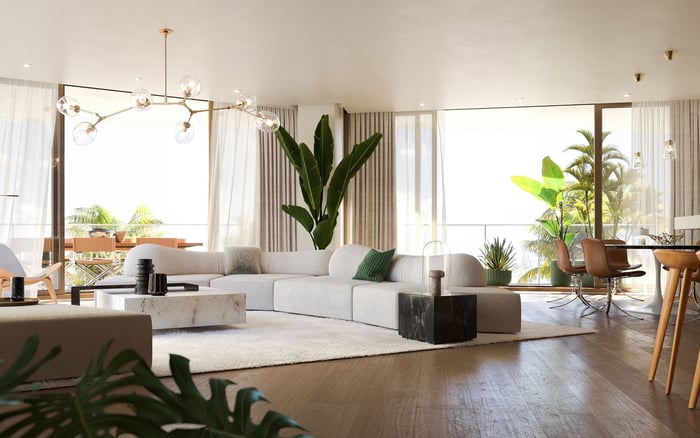
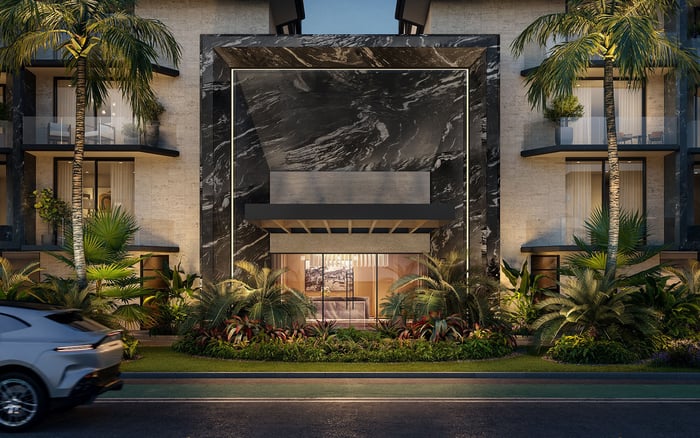
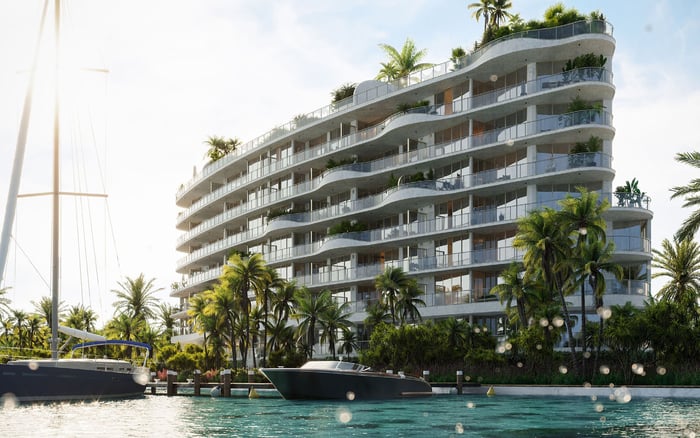
A discreet, buyer-oriented look at how Bay Harbor Islands’ newest boutique condos are prioritizing terraces, rooftop decks, wellness levels, and marina access for true indoor - outdoor living.
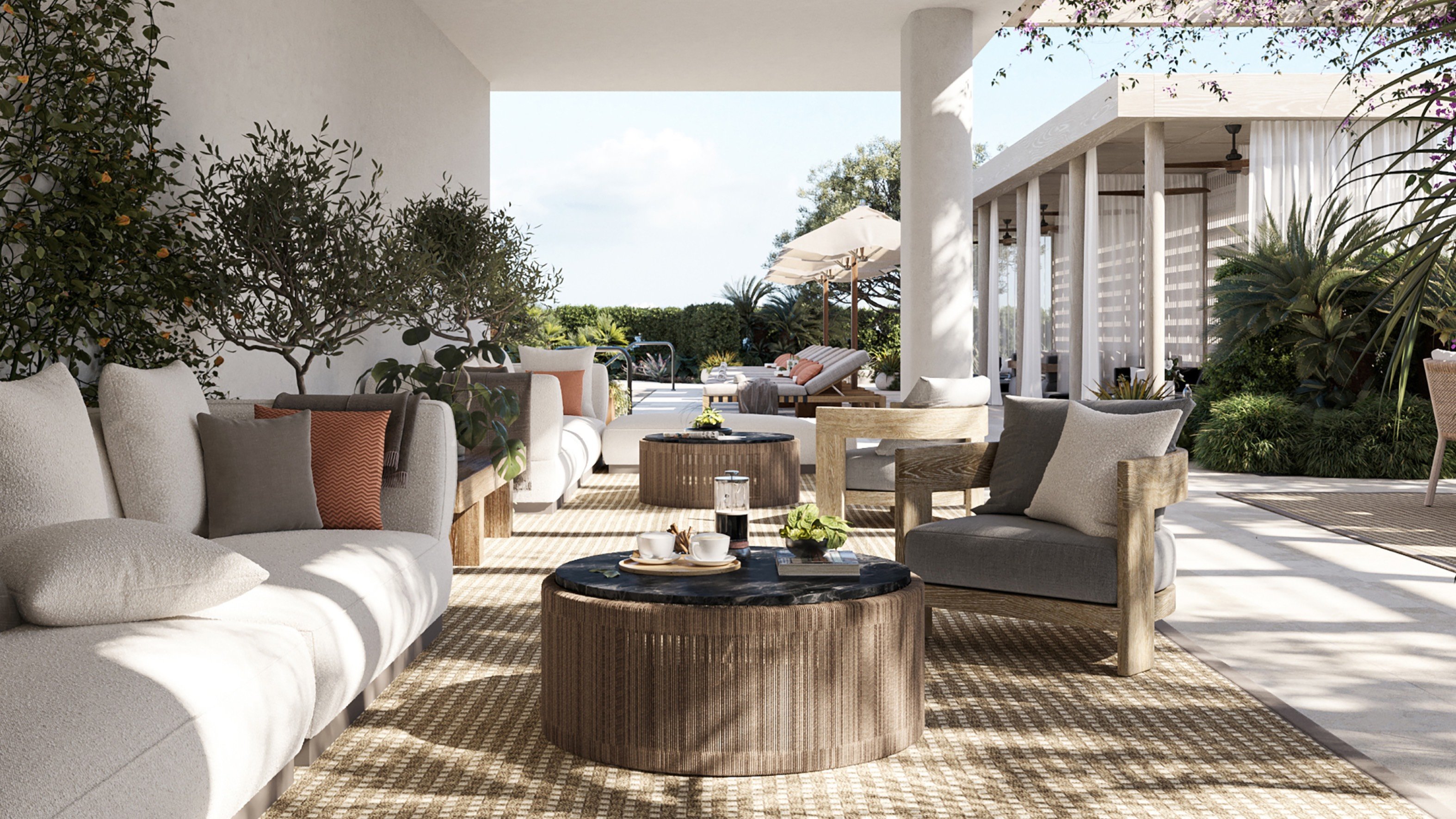
Bay Harbor Islands has long appealed to buyers who want Miami Beach adjacency without Miami Beach intensity. The neighborhood reads distinctly low-density, with a mid-rise condo scale that creates a calmer streetscape and a more residential rhythm. That “less is more” framework matters for outdoor living, because the best experiences here are rarely about spectacle. They’re about repeatable rituals: a quiet coffee on the terrace, a rooftop swim without a crowd, a dock steps from the lobby, and an amenity deck that feels like an extension of home - not a shared destination.
In this market, outdoor living isn’t one feature. It’s a system. The terrace becomes a primary room for much of the year. The rooftop becomes your social layer. The marina becomes your weekend calendar. And the wellness level becomes the all-weather backup plan when humidity, wind, or rain changes the day.
For buyers evaluating boutique projects, the right questions are less about how many amenities exist and more about whether the ones you’ll actually use are executed with the same rigor as the residences.
Outdoor living gets marketed as lifestyle, but buyers should treat it as planning. In Bay Harbor Islands, the most consequential variables typically fall into five categories.
First is terrace architecture: depth, usability, and the quality of the interior connection. A terrace wide enough for real dining plus lounge seating changes how you live. Look for substantial glazing and a floor plan that makes the terrace feel inevitable, not optional.
Second is rooftop design: not just the presence of a pool, but the quality of shade, the comfort of seating, the adjacency of a summer kitchen or entertaining zone, and the overall privacy profile.
Third is wellness redundancy: an indoor lap pool, sauna and steam, and hot and cold plunges can shift outdoor living from seasonal to consistent. It’s also a strong indicator of whether the building is designed around how residents actually use it.
Fourth is waterfront access: if boating is part of your life, the slip program, vessel-size range, and ease of getting from dock to open water can outweigh almost any interior finish.
Fifth is landscape: how greenery softens hard edges, how the building shapes breezes and shade, and whether outdoor spaces feel designed rather than simply furnished.
Bay Harbor Islands currently offers a compelling contrast between a newly completed boutique waterfront building and a preconstruction vision organized around rooftop and wellness programming.
Onda Residences is an eight-story, 41-residence boutique condominium on the water, designed by Arquitectonica with interiors by A++ led by Carlo and Paolo Colombo. The concept and branding are Italian-led - “Onda” translates to “wave” - and the aesthetic leans into waterfront geometry with a distinctly Mediterranean sense of ease.
A defining feature is direct water access through a private marina and a watersports launch. The project advertises 15 private boat slips accommodating vessels roughly 36 to 60 feet, and positions non-motorized gear access as part of everyday life. On the roof, the amenity program centers on a rooftop pool deck with lounge areas and outdoor entertaining components, including a summer kitchen and bar-style setup. Landscape design is credited to Enzo Enea, reinforcing that the exterior experience is treated as a designed environment.
Bay Harbor Towers is also planned as an eight-story boutique luxury condominium, with 44 residences. It is developed by PPG Development and designed by architect Kobi Karp, with interiors by Steven G and landscape design by CLAD. The outdoor-living story is rooted in flow-through layouts intended to capture sunrise and sunset exposures, paired with deep terraces positioned to function as private outdoor rooms.
Where the plan differentiates itself is its layered amenity approach. In addition to a rooftop deck marketed as a “rooftop oasis,” anchored by a 55-foot infinity-edge pool, sunset jacuzzi, and cabana-style lounging, the building also advertises a separate wellness level with a 50-foot indoor heated saltwater lap pool. The wellness program further includes hot and cold plunge pools, sauna and steam, a treatment or massage room, and fitness and yoga offerings. For boating households, Bay Harbor Towers advertises a private marina with 13 boat slips for roughly 35 to 50 foot vessels and promotes direct ocean access via Haulover Inlet.
Both projects illustrate a core Bay Harbor Islands truth: boutique living doesn’t mean less outdoor living. It often means outdoor living that’s more intentional, more private, and better aligned with how owners actually spend their time.
In a boutique building, your private terrace can matter more than the amenity deck because it’s yours - daily, on your schedule, without reservation.
Start with proportion. Deep terraces allow for real zoning: dining, lounging, and a quiet corner. Flow-through layouts, like those marketed at Bay Harbor Towers, can make the terrace experience feel cinematic, with light moving from sunrise to sunset.
Next, assess the interior - exterior relationship. Onda emphasizes large glazing and terrace integration designed for seamless indoor and outdoor living. That language only matters when the floor plan supports it: a living area that opens to the terrace in a way that makes doors-open living feel natural during temperate months.
Finally, consider “private outdoor escalation.” Select Bay Harbor Towers Bayhouse and Penthouse residences are marketed with private pools and outdoor kitchens, effectively turning the terrace into a self-contained entertaining environment. Onda has also been associated with penthouse-level outdoor intensity, including a penthouse layout that has been publicly marketed with over roughly 2,100 square feet of terrace space and a private rooftop sun deck with a plunge pool. The takeaway isn’t the number - it’s the hierarchy: the most premium homes increasingly use outdoor space as the signature feature.
Rooftop pools photograph beautifully, but the buyer’s test is whether the roof gets used on a Tuesday - not only on a holiday weekend.
Bay Harbor Towers positions the rooftop as a resort layer with a 55-foot infinity-edge pool, a sunset jacuzzi, and cabana- and daybed-style lounging. Onda’s rooftop pool deck complements its lounge areas with a summer kitchen and bar-style entertaining components, supporting smaller, more private gatherings.
When touring, pay attention to how people will actually move through the space. Is there wind protection? Are there clear zones for quiet versus social use? Does the rooftop read as an extension of the building’s design language? In a boutique project, the roof should feel curated - not crowded.
For buyers who also maintain a Miami Beach foothold, it can be useful to compare Bay Harbor’s rooftop intimacy to larger, more hospitality-forward environments. A project like Shore Club Private Collections Miami Beach sits in a different category, but it clarifies the decision: boutique calm versus resort density.
In Bay Harbor Islands, boating isn’t simply a hobby - it can be a lifestyle architecture. A private marina reshapes weekends and changes how you experience the city.
Onda advertises 15 private boat slips accommodating vessels roughly 36 to 60 feet, and reinforces the water lifestyle with a watersports launch and dock. Bay Harbor Towers advertises 13 slips for roughly 35 to 50 foot vessels, paired with the promise of direct ocean access via Haulover Inlet.
For buyers, these size ranges are a starting point - not the full story. The practical questions include: How quickly can you depart? How simple is provisioning? Is the dock designed for frequent, everyday use or occasional display? Even non-boaters should recognize that a marina program can strengthen resale appeal in a waterfront neighborhood where lifestyle buyers often want one building that supports both daily living and weekend escape.
If your boating life extends beyond Bay Harbor, you may also consider how other coastal addresses build around the ocean as a daily amenity. The Ritz-Carlton Residences® Miami Beach is a useful comparison point for buyers weighing branded service culture versus boutique independence.
South Florida’s climate makes outdoor living accessible - but not always comfortable. Boutique buildings that deliver an indoor wellness layer create a year-round cadence that can feel like a private club.
Bay Harbor Towers advertises an indoor heated saltwater lap pool at 50 feet, alongside hot and cold plunges, sauna and steam, treatment and massage space, and fitness and yoga offerings. That combination provides a controlled-climate alternative to the rooftop deck and signals an owner profile that values health and privacy.
Even for buyers whose primary motivation is the terrace and marina, wellness redundancy is a form of luxury. It means you can swim, recover, and reset without leaving the building - which is often the truest definition of convenience.
Below is a practical ranking of the outdoor-living factors that most consistently separate good buildings from great ones in Bay Harbor Islands.
1. Private terrace usability - depth, zoning, and interior connection Prioritize terraces you’ll actually furnish and use weekly. Seek plans that support indoor - outdoor flow, with generous glazing and living areas that open naturally to the exterior.
In Bay Harbor Towers, deep terraces and flow-through layouts are central to the positioning; in Onda, the design narrative also emphasizes terrace integration as part of everyday living.
2. Marina program - slip inventory and vessel-size compatibility If boating matters, treat the marina as a primary amenity, not an add-on. Onda advertises 15 slips for roughly 36 to 60 foot vessels, while Bay Harbor Towers advertises 13 slips for roughly 35 to 50 foot vessels and promotes Haulover Inlet access.
Match the slip range to your current and future vessel plans, and be realistic about how frequently you intend to use the dock.
3. Rooftop experience - pool design plus social infrastructure A rooftop deck should deliver both a swim-and-lounge environment and a comfortable entertaining layer. Bay Harbor Towers markets a 55-foot infinity-edge pool, sunset jacuzzi, and cabana-style lounging; Onda highlights a rooftop pool deck with lounge areas and a summer kitchen and bar-style entertaining components.
The most successful rooftops include quiet pockets and a clear sense of privacy.
4. Wellness level - indoor lap pool and thermal amenities A true wellness program expands lifestyle beyond perfect-weather days. Bay Harbor Towers’ advertised 50-foot indoor heated saltwater lap pool, plus plunge pools, sauna and steam, and treatment space, represents a comprehensive approach.
For many owners, this becomes the daily-use anchor that keeps the building relevant year-round.
5. Landscape design - shade, softness, and the feeling of retreat Outdoor living should feel designed, not merely decorated. Onda’s landscape design is credited to Enzo Enea, and Bay Harbor Towers also highlights a dedicated landscape designer alongside additional greenspaces like hammock gardens.
Look for shade strategies, intimacy, and a sense that exterior spaces are meant to be inhabited.
Bay Harbor Islands can be the right answer for a buyer who wants proximity to Bal Harbour and Miami Beach while living in a more composed, mid-rise environment. It can also serve as a strategic complement to a second address.
If your lifestyle is ocean-first and you want to be directly on the sand, Miami Beach projects such as 57 Ocean Miami Beach can frame the contrast between oceanfront verticality and Bay Harbor’s boutique calm. Similarly, for buyers drawn to a globally recognized hospitality aura, Setai Residences Miami Beach highlights how service culture can become part of the outdoor lifestyle story.
Bay Harbor’s advantage is discretion. The most compelling outdoor experiences here are the ones you don’t have to share.
Ask how outdoor spaces will perform on ordinary days. Confirm how terraces are intended to be furnished and whether the plan truly supports outdoor dining. Understand the rooftop’s privacy profile and how the building manages peak usage. If boating is involved, request clarity on slip assignment, vessel compatibility, and day-to-day docking logistics. For wellness, look for redundancy: an indoor lap pool and thermal suite can be the difference between a building that is beautiful and one that is genuinely livable.
Finally, align the building’s scale with your temperament. In Bay Harbor Islands, boutique outdoor living works best when the building’s culture matches the promise: calm, intentional, and quietly confident.
What makes Bay Harbor Islands appealing for outdoor living buyers? Its low-density, mid-rise character supports privacy, calmer rooftops, and terrace-forward living.
How many residences are at Onda Residences? Onda is an eight-story boutique building with 41 residences.
Who designed Onda Residences? It was designed by Arquitectonica, with interiors by A++ led by Carlo and Paolo Colombo.
Does Onda offer boating amenities? Yes, it includes a private marina and advertises 15 slips for roughly 36 to 60 foot vessels.
What rooftop amenities does Onda emphasize? A rooftop pool deck with lounge areas and outdoor entertaining components like a summer kitchen.
How many residences are planned at Bay Harbor Towers? Bay Harbor Towers is planned as an eight-story luxury condo with 44 residences.
What is Bay Harbor Towers’ signature amenity approach? It pairs a resort-style rooftop with a separate wellness level including an indoor lap pool.
Does Bay Harbor Towers include a marina? It advertises a private marina with 13 slips for roughly 35 to 50 foot vessels.
Why do indoor lap pools matter in South Florida? They help keep fitness routines consistent when heat, wind, or rain makes rooftop swimming less ideal.
How should buyers prioritize outdoor features in a boutique condo? Start with terrace usability, then assess marina access, rooftop comfort, and wellness redundancy.
For a confidential assessment and a building-by-building shortlist, connect with MILLION Luxury.
If branded residences are on your mind — as a home or as an allocation — we would be glad to share what we are seeing, privately.
Begin a quiet conversation