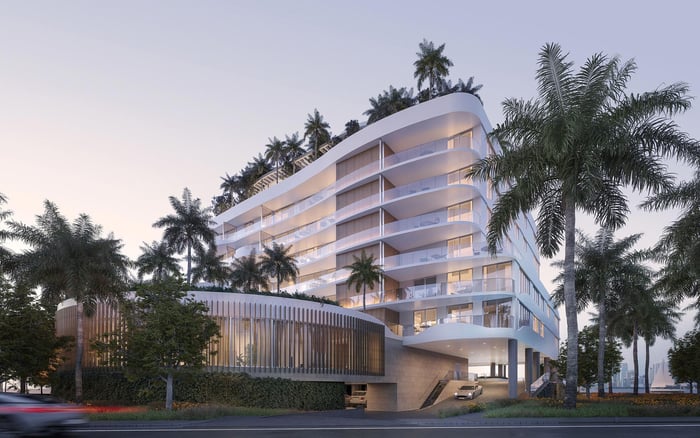
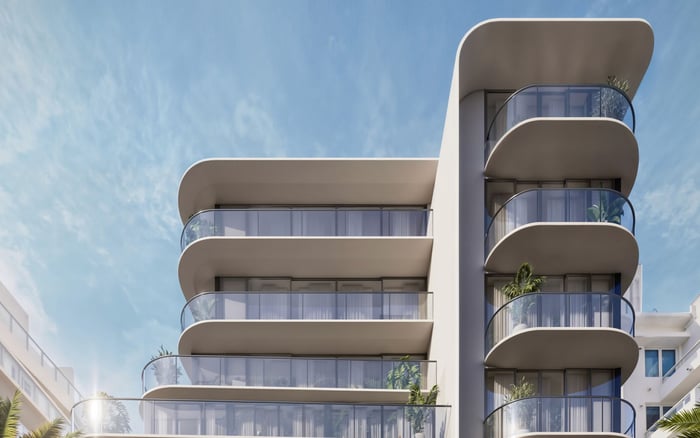
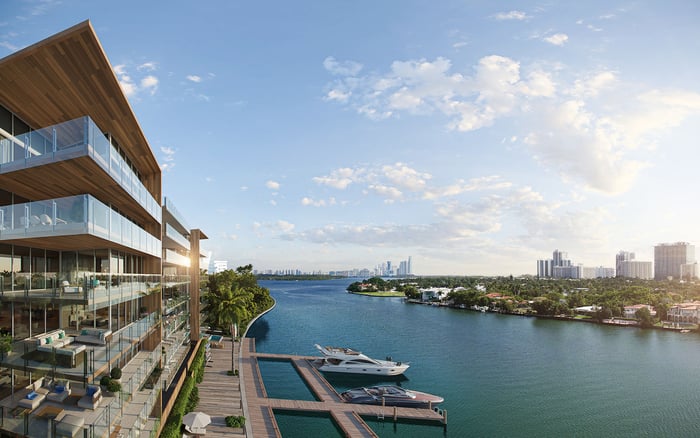
A discreet buyer’s guide to Onda Bay Harbor, focused on boat access, guest parking, and the practical walkability questions that define daily life in Bay Harbor Islands.
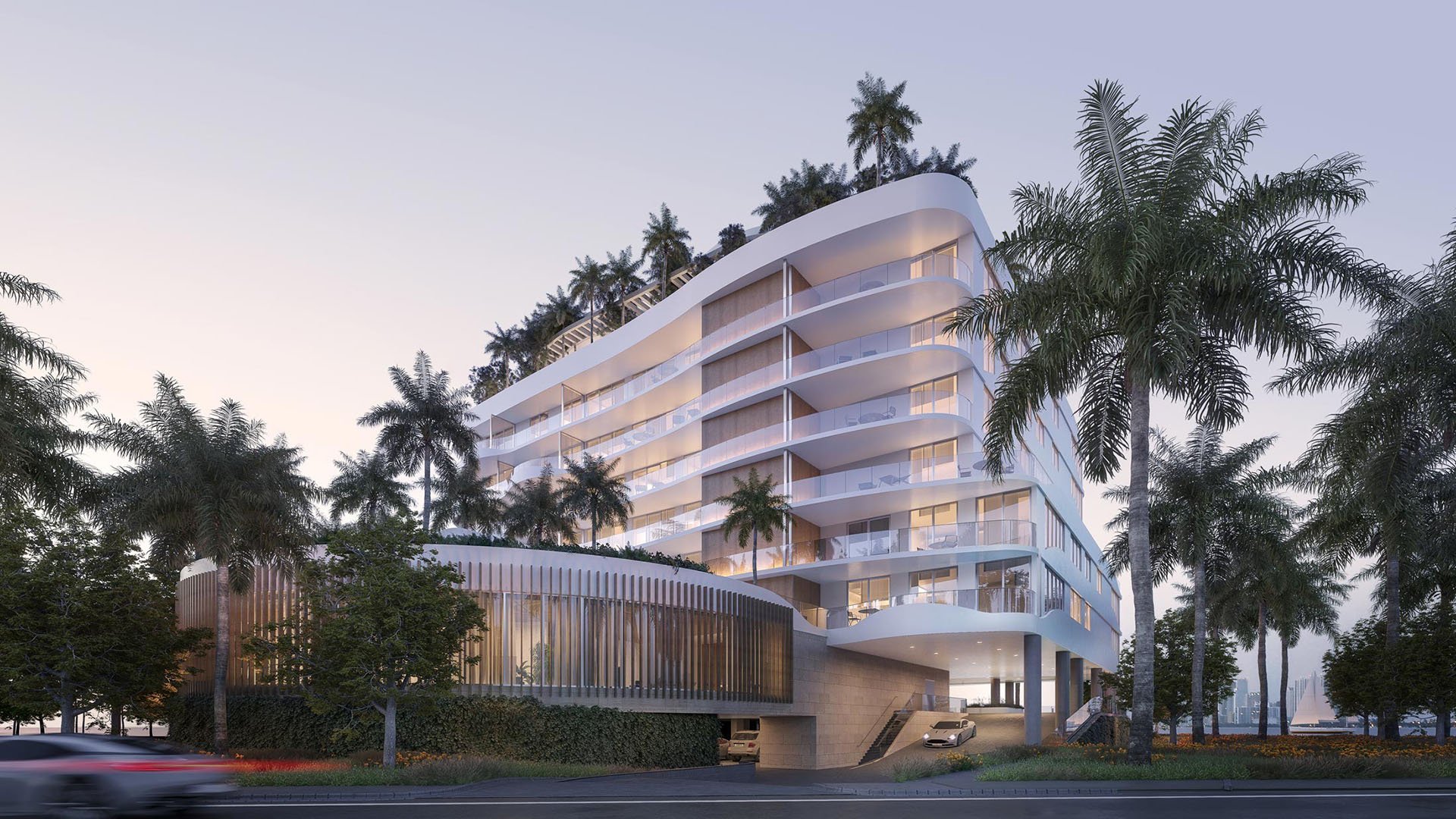
Onda Bay Harbor belongs in a very specific buyer conversation: Bay Harbor Islands as a refined, low-rise waterfront setting with access to nearby Surfside, Bal Harbour, beaches, cafés, schools, houses of worship, and everyday services. The appeal is not only the view. It is the prospect of living with water, convenience, and privacy in balance.
Yet serious buyers should separate romance from rights. A bayfront address can deliver atmosphere, light, and a water-view experience without automatically delivering usable private dockage. That distinction matters for anyone who owns a boat, expects visiting family, employs drivers or private staff, or wants to rely less on a car.
For buyers evaluating Onda Bay Harbor alongside other island residences such as La Maré Bay Harbor Islands and Bay Harbor Towers, the correct approach is not to ask whether the setting feels luxurious. It does. The better question is whether the building’s documents, marina rules, parking plan, and walkable surroundings support the way you actually intend to live.
The boat-slip conversation should begin with a simple but essential question: what kind of water access, if any, is actually available to residents? Buyers should verify whether the offering involves wet slips, dry-stack storage, day-dock access, or no dedicated resident dockage. Each option creates a materially different ownership experience.
If dockage is part of the conversation, ask for the exact slip dimensions, maximum vessel length, maximum beam, and draft limits. A slip that works for one owner’s center console may be unusable for another buyer’s larger yacht or deeper-draft vessel. It is also critical to know whether any slips are deeded, assigned, leased, waitlisted, or first-come, first-served.
Rights matter as much as physical dimensions. Confirm whether marina or dockage rights are included in the purchase price, billed separately, limited to certain residences, or subject to association approval. Buyers should also ask whether the right transfers with resale or remains controlled by the association.
A true boating lifestyle depends on operational detail. If slips or docking access are available, ask about shore power, fresh water, pump-out service, fueling access, security, lighting, access hours, and guest vessel rules. Also ask for the hurricane plan. Where does the vessel go, who is responsible for securing it, and what insurance or association requirements apply?
Navigation is another layer of due diligence. Buyers should confirm channel depth, bridge clearance, tide sensitivity, and travel time to open water. These questions are not academic. They determine whether boating feels spontaneous or complicated.
The best comparison is often within the immediate waterfront submarket. A buyer considering La Baia North Bay Harbor Islands may be asking many of the same questions, not because each building has the same configuration, but because waterfront living in Bay Harbor Islands requires precise review of access, rights, rules, and ongoing costs.
In a boutique island setting, parking is not merely a line item. It is a quality-of-life issue. Guest parking affects family dinners, visiting children, private drivers, household staff, service vendors, wellness providers, and entertaining. A residence can feel effortless on paper and become frustrating if every arrival requires negotiation.
Buyers should ask how many resident parking spaces are included per residence and how those spaces are assigned. Are they deeded, licensed, valet-managed, or subject to reassignment? Then ask how many dedicated guest spaces exist for the building overall, not simply whether guest parking exists in general.
The next questions are operational. Is valet available? Are overnight guests permitted? Is guest parking complimentary, metered, time-limited, or managed by validation? Where do service providers park? Is there a loading zone for deliveries, designers, caterers, or moving crews? Are EV charging stations available for residents and guests, and how are they billed?
For some buyers, these details are as important as finishes. A frequent host may value predictable guest access more than a seldom-used amenity. A second-home owner may need staff and vendors to enter smoothly when the owner is away. A family may need overnight guest rules that genuinely fit the rhythm of holidays and school breaks.
Bay Harbor Islands can look compact on a map, but walkability is not just distance. Buyers should test the actual routes from Onda Bay Harbor to restaurants, cafés, groceries, Bal Harbour Shops, beaches, schools, houses of worship, parks, and everyday services. The question is not whether something is nearby. The question is whether the walk is pleasant, safe, shaded, well-lit, and realistic at the times you will use it.
Pay attention to crosswalks, traffic flow, construction, waterfront barriers, evening lighting, and summer heat. A five-minute walk without shade can feel very different from a seven-minute walk along calmer streets. A route that works during a sales-gallery appointment may feel different after dinner, with children, or while carrying groceries.
This is where the island’s connections matter. Bay Harbor Islands links naturally toward Surfside and Bal Harbour, but buyers should decide whether Onda supports a genuinely low-car lifestyle or simply offers short drives to nearby destinations. For some households, short drives are perfectly acceptable. For others, the investment thesis includes the ability to walk comfortably for daily rituals.
When comparing the area with a neighboring luxury address such as Rivage Bal Harbour, the discussion often shifts from pure waterfront prestige to daily movement: where you dine, where you shop, how you reach the beach, and how often you prefer to use the car.
For Bay Harbor buyers, the cleanest path is to convert lifestyle assumptions into document requests. Ask for condominium documents, parking assignments, marina or dockage rules, association budgets, and any policies governing guests, vendors, EV charging, valet, and overnight parking.
Then align those documents with your personal usage. If you own a boat, do not rely on a general phrase such as waterfront access. If you host often, do not rely on a casual assurance that parking is available. If you want walkability, do not rely only on digital maps. Walk the routes, preferably at multiple times of day.
The strongest Onda Bay Harbor purchase is one where the buyer has matched the residence to real-life patterns: vessel size, family visits, staff access, school routines, beach habits, religious observance, dining preferences, and the desire to drive less. In this segment of South Florida real estate, luxury is not only what is included. It is what works without friction.
Does waterfront living at Onda Bay Harbor automatically mean private boat dockage? No. Buyers should verify whether any resident dockage, day-dock access, dry storage, or no dedicated dockage applies.
What should boat owners ask before buying? Ask for slip dimensions, vessel length, beam, draft limits, ownership structure, transfer rights, and any waitlist rules.
Why does bridge clearance matter? Bridge clearance can determine whether a vessel can comfortably reach open water, especially when tides or vessel height are factors.
Are marina costs always included in the residence price? Not necessarily. Buyers should confirm whether dockage or marina rights are included, billed separately, restricted, or association-controlled.
What parking questions matter most for Onda Bay Harbor? Confirm resident spaces, guest-space count, valet rules, overnight policies, EV charging, loading access, and service-provider parking.
Why is guest parking considered a luxury issue? It directly affects entertaining, family visits, private staff, drivers, deliveries, and the ease of daily household management.
How should buyers test walkability? Walk the real routes to cafés, groceries, Bal Harbour Shops, beaches, schools, parks, and services at practical times of day.
Is Onda Bay Harbor a low-car lifestyle choice? It may support reduced car use for some buyers, but each household should test whether daily needs are truly walkable.
What documents should be reviewed before contract? Review condominium documents, marina rules, parking assignments, guest policies, and association budgets before relying on summaries.
How should Onda compare with other Bay Harbor Islands projects? Compare daily usability, not only design: boat access, parking logistics, walkable routes, guest rules, and waterfront practicality.
If you'd like a private walkthrough and a curated shortlist, connect with MILLION.
If branded residences are on your mind — as a home or as an allocation — we would be glad to share what we are seeing, privately.
Begin a quiet conversation