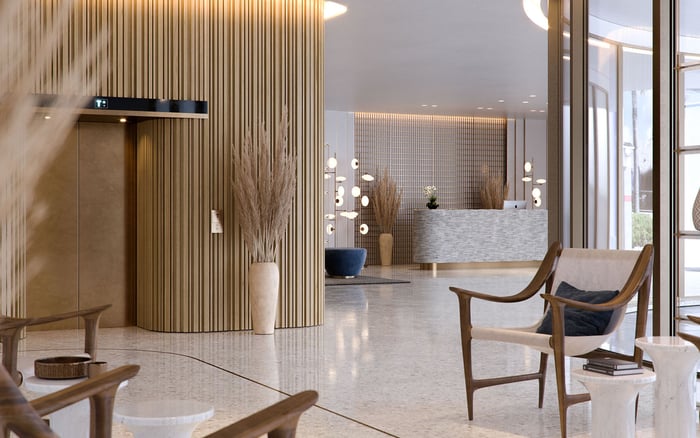
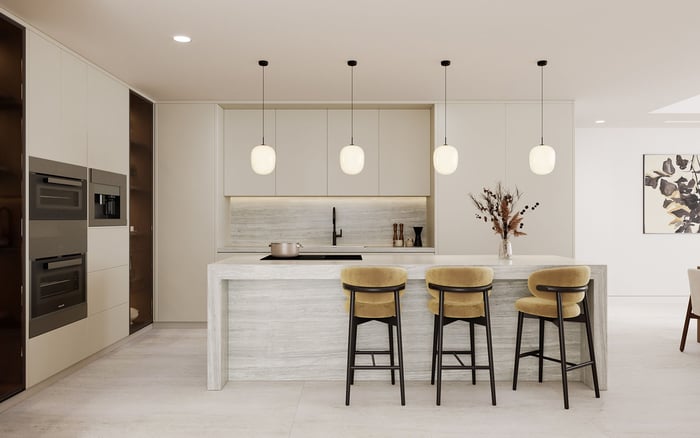
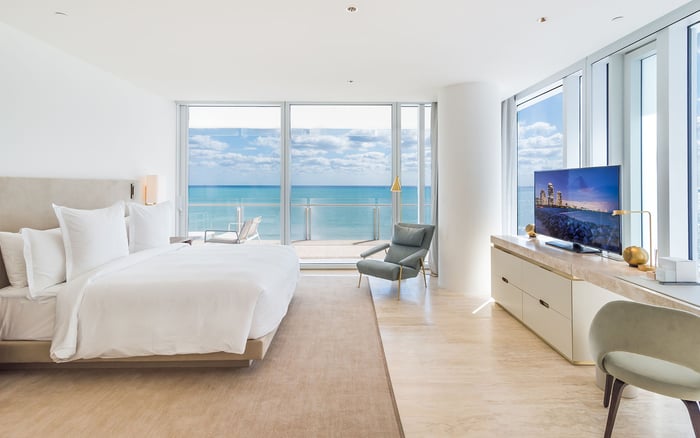
A practical design-minded guide for full-time Onda Bay Harbor owners who want mudroom-style function without compromising a polished Bay Harbor Islands condominium aesthetic.
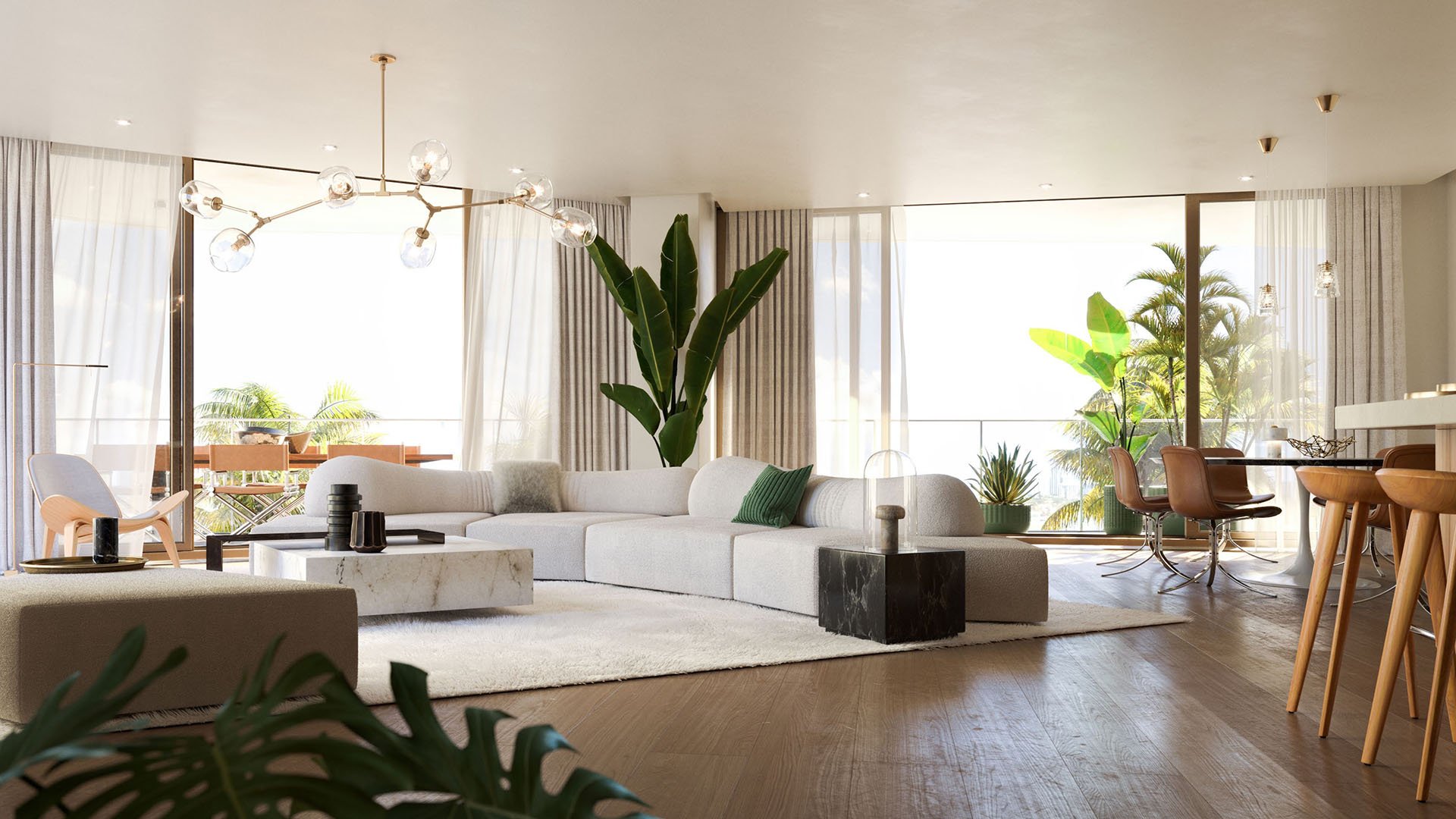
Onda Bay Harbor is associated with a Bay Harbor Islands condominium lifestyle that favors ease, open living, and a polished arrival experience. That lifestyle is part of the appeal. Yet for full-time owners, the daily choreography of shoes, beach towels, dog leashes, school bags, work totes, packages, boating gear, and wet sandals does not disappear simply because the residence is beautifully composed.
The issue is not whether a luxury condominium should imitate a suburban single-family house. It should not. The more useful question is how a primary residence at Onda Bay Harbor can deliver the function of a mudroom while preserving the clean, edited quality that makes condo living attractive in the first place.
For owners moving between Surfside, Bal Harbour, Miami Beach, errands, school, shopping, boating, and home, the entry sequence becomes a meaningful design problem. A traditional mudroom may not be part of the layout, but a smart transition zone can still be created through planning, cabinetry, finish choices, and disciplined storage routines.
A pied-à-terre can tolerate improvisation. A pair of sandals by the door, a beach bag in the closet, and a few packages near the entry may be manageable for occasional use. Full-time living is different. Repetition exposes friction.
The old second-home assumption is that storage can be light, flexible, and mostly aesthetic. Primary-home use requires something more robust. Owners need a place where the day lands before it reaches the main living areas. That means a defined zone for shoes, towels, leashes, keys, electronics, bags, and items in transit.
At Onda Bay Harbor, this matters because South Florida living often involves humidity, sand, sunscreen, pool towels, deliveries, and frequent outfit changes. The mudroom alternative is less about rustic utility and more about maintaining order in a refined environment.
The simplest solution is often the most visible: the entry console. In a luxury condominium, however, the console cannot behave like a catchall. It should function as a controlled landing station, with drawers, trays, closed compartments, and a place for daily objects that would otherwise migrate to the kitchen island or dining table.
A washable mat or durable floor zone near the entry can help manage damp shoes and sandy sandals without creating a service-room aesthetic. If the layout allows, a shallow built-in cabinet can be more effective than loose furniture, especially when it includes concealed shoe storage, hooks hidden behind doors, and ventilated compartments for frequently used items.
The key is restraint. Open hooks may be practical, but too many visible objects can undermine the calm of an open-plan residence. A better approach is to keep visible elements limited, then conceal the rest. Baskets can work if they are consistent, washable, and sized for real use rather than decorative styling.
Different owners need different mudroom substitutes. Families may require a school-bag station, a sports-gear basket, and a predictable shoe routine. Pet owners require leash storage, towel access, and a discreet place for waste bags or grooming items. Owners who receive frequent deliveries need a package plan that keeps boxes from becoming part of the interior landscape.
The most effective systems assign each category a home. Dog leashes should not share space with work laptops. Wet towels should not sit near leather goods. Children’s bags should have a designated landing point that does not conflict with adult work items. This sounds simple, but it is precisely the kind of discipline that allows a condominium to perform like a full-time home.
For delivery-heavy owners, the answer may involve both in-unit and building-level habits. If package handling, service access, or storage provisions are available, they should be integrated into the household routine. The goal is to reduce the volume of items crossing the threshold, not merely to hide them once they arrive.
For owners whose routines include boating or frequent water-adjacent days, the storage conversation becomes more specific. Towels, sandals, dry bags, hats, sunglasses, sunscreen, and small boating accessories need a practical path from outside activities to the residence.
A boat-day cabinet near the entry or laundry area can function as a refined replacement for a mudroom locker. It might include washable bins, fast-drying towel storage, and a dedicated shelf for small accessories. If a household uses dock, marina, or storage facilities elsewhere, the owner should evaluate what can reasonably remain outside the residence and what must return upstairs.
The same thinking applies to boat-slip routines without assuming that every owner has the same arrangement. The practical question is always this: what items are wet, sandy, salty, or repetitive, and where should they pause before entering the living room, kitchen, or bedroom suite?
In many luxury condominiums, the best mudroom substitute is not the entry at all. It is the laundry area, a service corridor, or a secondary closet that can absorb the messier parts of everyday life.
A laundry zone can hold wet towels, cleaning cloths, beach bags, and pet towels. A nearby closet can be divided with labeled baskets or pullout shelves. Ventilated storage is especially useful for items that should not be sealed immediately after use. Even a small adjustment, such as assigning one shelf to water-related items and another to deliveries or returns, can reduce clutter dramatically.
Permanent built-ins should be approached carefully. They can be valuable when they improve daily function, but they should respect condominium rules, approval requirements, and the building’s polished visual language. A heavy, overly customized mudroom installation can feel out of place in a luxury residence. The strongest designs look native to the apartment, not imported from a suburban back hall.
Resale matters because storage decisions are never purely personal in a high-end condominium. A well-executed mudroom alternative can broaden the appeal of a residence by showing how it supports full-time living. A clumsy one can make the entry feel crowded, overly specific, or visually noisy.
The best strategy is reversible where possible and architectural where necessary. Freestanding consoles, premium baskets, washable runners, and closet organizers can solve many problems without altering the residence. When built-ins are appropriate, they should be quiet, proportionate, and aligned with the materials already present.
This is where Onda Bay Harbor reflects a broader South Florida shift. Luxury condo buyers are not only asking whether a building feels serene and refined. They are asking whether it can function as a primary home with grace. Mudroom alternatives are a small but revealing test of that larger question.
Does Onda Bay Harbor have a traditional mudroom? The more practical assumption is that owners may need to create mudroom-style function within entry, laundry, closet, or service areas.
What should a mudroom alternative handle first? Start with shoes, wet towels, dog leashes, school bags, packages, work items, and boating accessories before they reach main living spaces.
Is an entry console enough for full-time living? It can help, but full-time owners usually need a broader system that includes closed storage, washable surfaces, and defined drop zones.
How should boaters think about storage? Boaters should separate wet, sandy, and repetitive items from everyday interiors, ideally using a dedicated cabinet, laundry zone, or approved storage option.
Can pet items be stored elegantly? Yes. Leashes, towels, grooming items, and waste bags can be placed in concealed compartments near the entry or laundry area.
Are permanent built-ins a good idea? They can be, but owners should confirm condominium approvals and keep the design restrained enough to support future resale value.
What is the best low-commitment solution? A refined entry console, washable runner, matching baskets, and closet organizers can add function without major alteration.
How do packages fit into the plan? Frequent deliveries need a routine, ideally combining building-level package handling with an in-unit place for returns and items awaiting unpacking.
Why is this especially relevant in Bay Harbor Islands? The quieter residential setting supports year-round living, which makes practical daily storage more important than occasional-use convenience.
Can mudroom function coexist with a luxury condo aesthetic? Yes. The goal is concealed utility, durable materials, and disciplined placement rather than visible clutter or suburban styling.
When you're ready to tour or underwrite the options, connect with MILLION.
If branded residences are on your mind — as a home or as an allocation — we would be glad to share what we are seeing, privately.
Begin a quiet conversation