A discreet buyer framework comparing Oceana Key Biscayne, Origin Bay Harbor Islands, and Ziggurat Coconut Grove through execution visibility, deposit risk, and sponsor credibility.
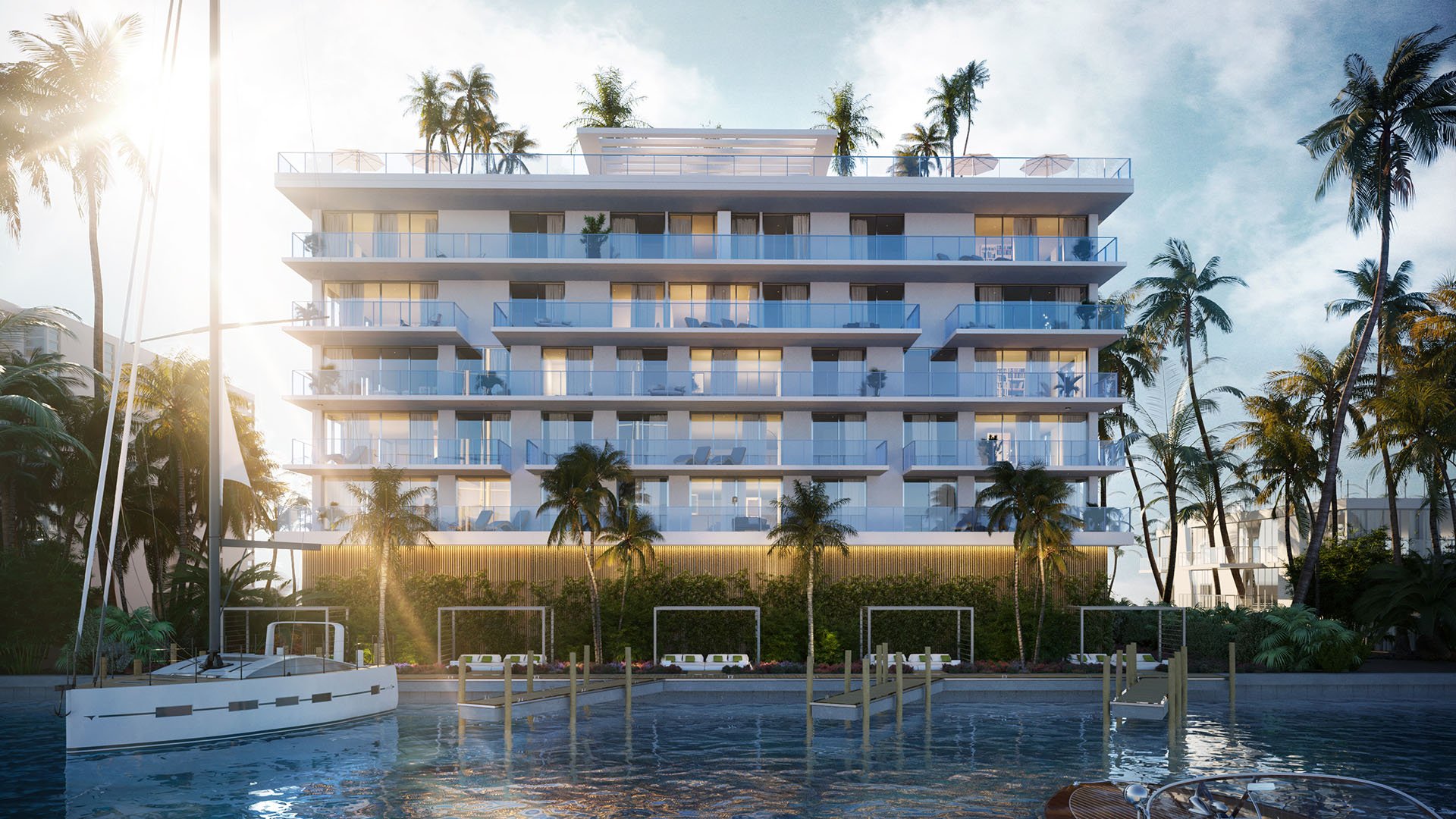
At the highest end of South Florida real estate, the first question is rarely price alone. It is confidence. A buyer may be drawn to the view corridor, the architecture, the neighborhood, or the promise of a new lifestyle, but the real decision turns on a quieter set of issues: what can be verified today, how capital is committed over time, and whether the sponsor can deliver the life being sold.
That is why Oceana Key Biscayne, Origin Bay Harbor Islands, and Ziggurat Coconut Grove create a useful three-part lens. Each speaks to a different buyer psychology. Oceana Key Biscayne represents the completed flagship, where the luxury product can be walked, touched, and evaluated in real time. Origin Bay Harbor Islands reflects the boutique, design-driven infill path, where confidence comes from scale, focus, and structure. Ziggurat Coconut Grove is the more conceptually expressive case, where architectural distinction and neighborhood pull create conviction before delivery.
For buyers comparing Key Biscayne, Bay Harbor Islands, and Coconut Grove opportunities, the lesson is straightforward: pre-construction risk is not a single category. It changes according to what is already visible, how deposits are staged, and how much trust the buyer can place in the developer’s execution record.
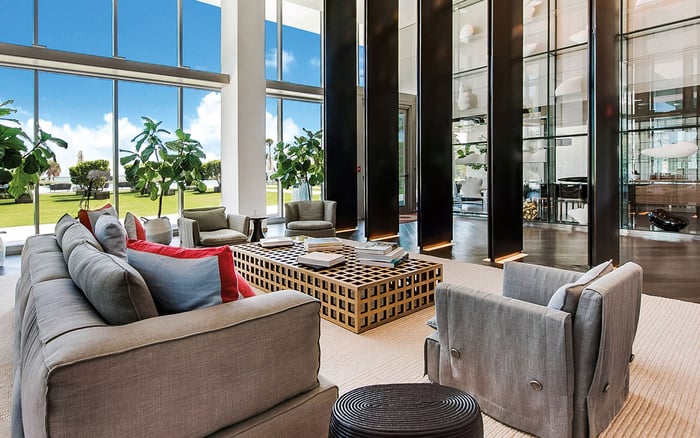
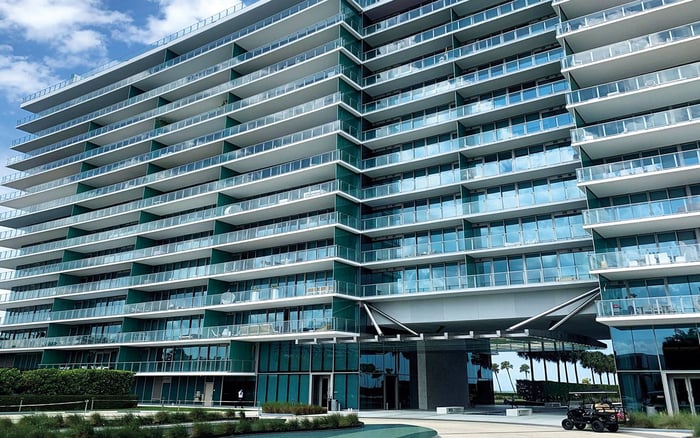
Oceana Key Biscayne is the clearest example of low execution risk because it is not asking buyers to imagine the finished experience from renderings alone. It is a delivered, inspectable luxury product. For a sophisticated purchaser, that changes the due-diligence process entirely.
In a completed building, confidence comes from direct observation. Buyers can evaluate the arrival sequence, the quality of finishes, the amenity environment, the service rhythm, and the way the property lives after the initial launch moment. They can also consider resale behavior and owner sentiment with more clarity than in a project still moving from promise to completion.
This makes Oceana an important benchmark for any new-construction or pre-construction decision elsewhere. Even when a buyer ultimately chooses a future delivery, a completed flagship helps calibrate expectations. What does a true luxury lobby feel like after occupancy? How does the amenity program function when it is no longer a sales presentation? Does the architecture still feel current? Does the building seem composed, private, and durable?
Oceana’s role in this comparison is not to compete directly with every new offering. It is to remind buyers what proof looks like. The more a purchaser can see, test, and experience, the less they are relying on faith.
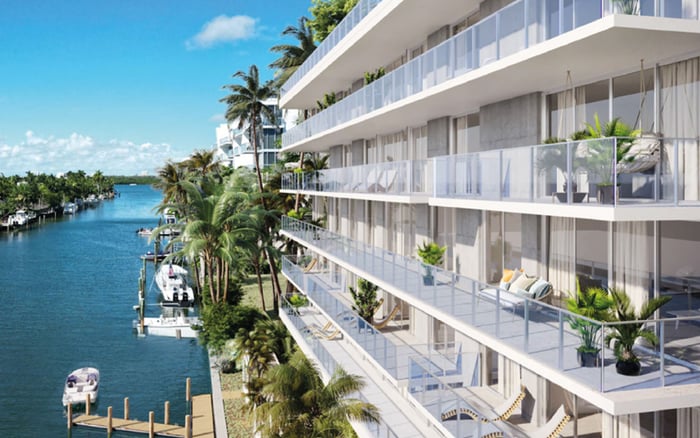
Origin Bay Harbor Islands occupies the middle ground. It is not the same kind of fully delivered proof point as Oceana, but it is also not purely a leap into an untested idea. Its buyer-confidence model is tied to a smaller-scale project profile, curated design, and a focused Bay Harbor Islands setting.
For many luxury buyers, boutique scale can be reassuring. A more contained development may feel more legible than a vast tower program, especially when the buyer is trying to understand who the project is for and how the lifestyle will operate. In this context, design is not simply aesthetic. It is a signal of intent. A clear design language, a defined location strategy, and a focused residential identity can reduce ambiguity.
Origin is also the strongest example here of using deposit mechanics as part of the confidence story. Without relying on unverified percentages or generalized assumptions, the principle remains important: deposit timing matters. A buyer should understand when capital is due, what milestones trigger additional commitments, how the contract describes obligations, and how the payment structure aligns with visible progress.
A well-understood deposit path does not eliminate risk, but it helps define it. It tells the buyer how much capital is exposed at each stage and what must happen before the next commitment is made. In a market where attractive projects can move quickly, this is where disciplined purchasers separate excitement from readiness.
Ziggurat Coconut Grove represents a different kind of confidence. Its appeal is rooted less in an existing delivered product and more in architectural distinction, neighborhood identity, and the credibility of the overall development concept.
That can be powerful. Coconut Grove rewards projects that feel specific rather than generic. A design-led urban infill development has the potential to speak to buyers who want character, walkability, and a residence connected to its setting. In that environment, bold architecture can become a serious decision factor, not merely a visual flourish.
But Ziggurat also highlights the central tension of pre-completion buying. Architectural excitement must be separated from execution risk. A compelling concept can create desire, but buyers still need to ask practical questions: how far along is the project, what approvals and construction visibility are available, how clearly finishes and specifications are described, and how credible the sponsor’s ability is to translate the concept into a finished residential experience.
The most disciplined buyers do not dismiss boldness. They underwrite it. They recognize that design differentiation may support long-term desirability, especially in a neighborhood with a strong sense of place, but they also insist on a sober review of delivery risk.
Deposits are often treated as a transactional detail, but in pre-construction luxury real estate, they are one of the clearest expressions of risk allocation. The headline price tells only part of the story. The deposit schedule, timing of calls, contract obligations, and buyer remedies can be just as important.
A completed building like Oceana changes the equation because the buyer is typically evaluating an existing asset rather than funding a future one. In a boutique pre-construction setting such as Origin, the structure of deposits can help buyers understand how confidence is being created over time. In a design-forward project such as Ziggurat, deposits should be read alongside the maturity of the concept, construction visibility, and developer credibility.
The key is not to assume that all pre-construction deposits carry the same risk. A deposit due before meaningful visibility is different from one tied to clearer progress. A buyer should also distinguish between emotional urgency and contractual clarity. The former may win a reservation. The latter protects a decision.
Developer credibility is not a slogan, and it is not established by renderings alone. It is built through evidence. That evidence can include completed work, consistency between promises and finished product, clarity of communication, and the ability to execute a luxury environment after residents move in.
Oceana Key Biscayne offers the strongest form of evidence in this comparison because the product exists. Origin Bay Harbor Islands asks buyers to evaluate a more structured, boutique pre-construction proposition. Ziggurat Coconut Grove asks buyers to decide how much weight to give design originality and neighborhood appeal before the finished product can be inspected.
None of these paths is inherently superior for every buyer. The right answer depends on temperament, time horizon, and tolerance for uncertainty. A buyer seeking immediate proof may gravitate toward completed luxury. A buyer comfortable with a measured pre-construction process may find a boutique project compelling. A buyer motivated by architecture and place may accept more conceptual risk if the diligence supports the decision.
The comparison comes down to three questions.
First, how is confidence created? Oceana creates confidence through completion and inspection. Origin creates it through boutique focus and structure. Ziggurat creates it through design conviction and neighborhood relevance.
Second, how do deposits allocate risk? The answer is found not in generalized market chatter, but in the specific timing, obligations, and triggers in the buyer’s documents.
Third, what supports trust in delivery? A completed building offers the clearest proof. A pre-construction project must support trust through transparent structure, credible execution, and a concept strong enough to endure beyond the sales moment.
For South Florida’s luxury buyer, that is the distinction that matters. The smartest purchase is not always the safest or the boldest. It is the one where the buyer understands exactly what is known, what is promised, and what must still be delivered.
Why is Oceana Key Biscayne treated differently from the other two projects? It is the completed flagship in this comparison, so buyers can evaluate the actual product and lifestyle rather than relying only on future delivery.
What makes Origin Bay Harbor Islands a middle path? It combines a boutique, design-driven profile with a pre-construction structure, placing it between completed proof and a more concept-led commitment.
Why does Ziggurat Coconut Grove require a different diligence lens? Its confidence case is tied to architecture, neighborhood appeal, and concept credibility, so buyers should separate design excitement from execution risk.
Are deposit percentages discussed here? No. Exact deposit schedules should be verified through current contract materials and sales documentation before any decision is made.
Why do deposits matter beyond affordability? Deposits determine when capital is committed and how much exposure a buyer accepts before completion or additional construction visibility.
Can a completed building help evaluate pre-construction projects? Yes. A completed luxury property provides a benchmark for finish quality, amenity performance, service depth, and long-term confidence.
Is bold architecture a risk or an advantage? It can be both. Strong design may support desirability, but buyers should still test whether the development team can deliver the concept.
What should buyers ask before signing a pre-construction contract? They should review deposit timing, construction visibility, specifications, obligations, and the credibility behind the delivery promise.
Which buyer is best suited to Origin Bay Harbor Islands? It may appeal to buyers who value boutique scale, curated design, and a more structured approach to pre-construction confidence.
Which project offers the lowest execution-risk comparison point? Oceana Key Biscayne does, because its completed status allows buyers to inspect the building and operating lifestyle directly.
For a confidential assessment and a building-by-building shortlist, connect with MILLION.
If branded residences are on your mind — as a home or as an allocation — we would be glad to share what we are seeing, privately.
Begin a quiet conversation