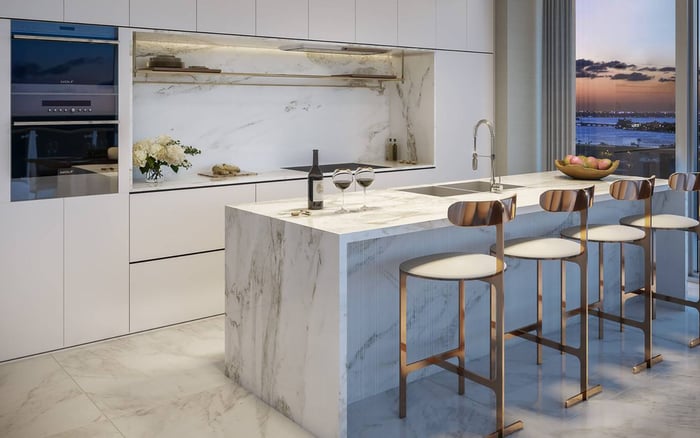
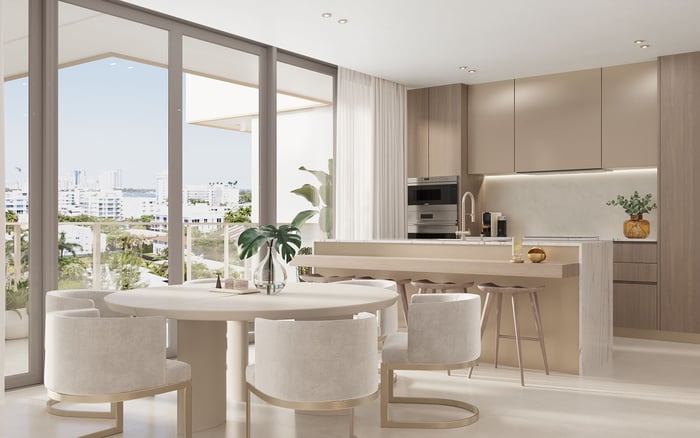
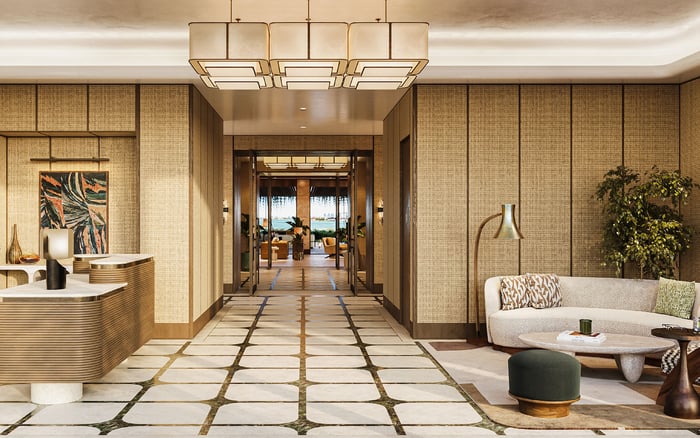
A buyer-oriented Surfside lifestyle guide framing Ocean House Surfside as an intentional oceanfront base for frequent flyers who value recovery, routines, beach access, and efficient ownership.
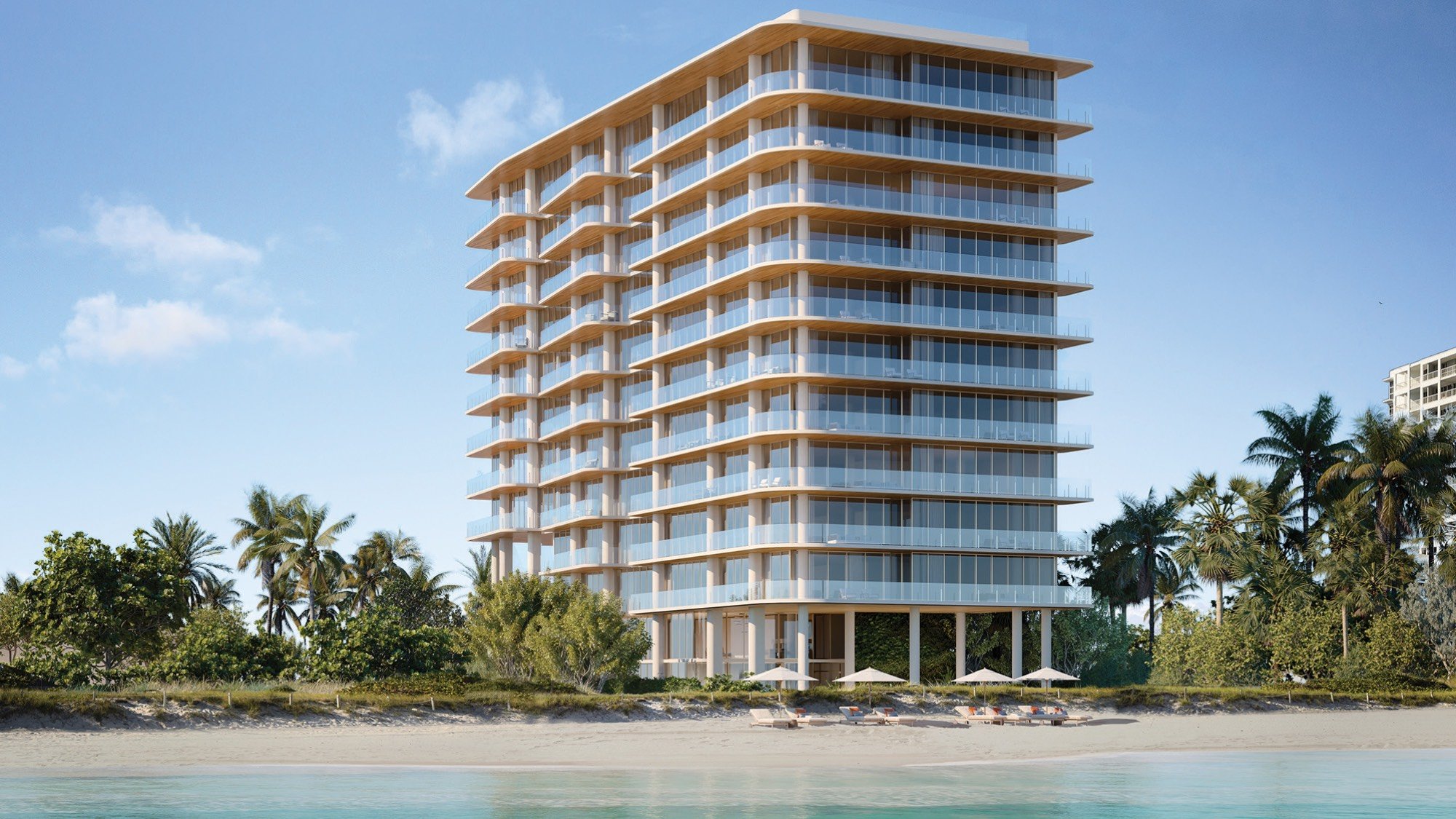
For the owner who lives between aircraft cabins, time zones, boardrooms, family calendars, and a compressed social life, the best South Florida residence is not simply the most dramatic address. It is the one that makes arrival feel immediate, recovery feel natural, and departure feel orderly. That is the lens through which Ocean House Surfside becomes especially relevant.
Ocean House Surfside is positioned as a boutique oceanfront residential option in Surfside, but the more important idea is behavioral. This is not only a place to sleep between trips. It can be understood as an intentional base camp: a residence organized around rest, focus, walkability, beach access, and repeatable travel rhythms.
For frequent flyers, the luxury is not excess. It is the absence of friction. A well-chosen Surfside home base should help an owner land, decompress, resume daily routines, reconnect with family, step onto the sand, handle necessary calls, and leave again without feeling that the residence itself has become another obligation.
The appeal of Ocean House Surfside begins with the idea that short stays deserve design discipline. A high-mobility owner may not be in residence for long stretches. The home still needs to perform quickly. The first evening matters. The first morning matters. The ability to reset the body after travel, organize the household, walk locally, and feel connected to the ocean without elaborate planning can define the value of ownership.
That is why the project should be considered as more than a pied-à-terre. It is better framed as a recovery, focus, and connection base for individuals and families who move frequently between professional obligations and personal priorities. In this context, oceanfront living is not merely visual. It is part of the owner’s operating system.
Surfside reinforces that logic because it reads as its own lifestyle ecosystem rather than a generic extension of Miami Beach. Buyers comparing Surfside residences may also look at Arte Surfside or Fendi Château Residences Surfside, not just for architecture or recognition, but for the broader question of how quietly and efficiently a home supports daily life.
For frequent flyers, arrival is where a property either proves itself or disappoints. After a flight, the owner does not want to negotiate complexity. The residence should support a simple sequence: enter, settle, hydrate, unpack lightly, restore privacy, and move into the next meaningful activity. That may be dinner with family, a walk, a swim, or a focused hour of work before sleep.
This is where Surfside’s smaller-scale rhythm can matter. The value proposition is not based on claiming exact drive times or promising a particular route. It is based on reducing the number of decisions between arrival and ease. The owner should be asking practical questions: How quickly can the household be activated? How intuitive is the path from lobby to residence to beach? How much planning is required to resume ordinary routines?
Beach access is not only a lifestyle label. It is a measure of how quickly the owner can convert travel fatigue into physical recovery. That immediacy is central to the frequent-flyer use case.
A common mistake with second homes is treating every visit as an event. Frequent flyers often need the opposite. They need a residence that allows days to become simple very quickly. A successful Surfside stay might include a quiet morning, a beach walk, a work call, lunch nearby, family time, and an early night. None of that requires spectacle. It requires proximity, privacy, and predictability.
That is the distinction between owning a trophy and owning a tool for quality of life. Ocean House Surfside should be evaluated on how well it helps the owner preserve attention. A residence that supports sleep, light movement, focused work, and connection may deliver more real luxury than one that constantly asks to be performed.
Nearby comparisons such as The Delmore Surfside and The Surf Club Four Seasons Surfside can help buyers think through the range of Surfside living, from quieter residential positioning to more recognizable hospitality-adjacent environments. The central question remains the same: which address best matches the owner’s actual travel rhythm?
For high-mobility owners, lock-and-leave convenience is essential. The residence must be able to sit between visits without becoming a source of worry. That does not mean buyers should treat convenience as automatic. It means they should examine the practical layer with unusual care.
Before committing, a buyer should review building rules, service expectations, insurance considerations, maintenance protocols, climate resilience, reserve posture, and any restrictions that could affect use. These are not unglamorous details. They are the infrastructure of peace of mind. A second home only works if the owner can leave it confidently and return to it without repair, confusion, or administrative drag.
Exit strategy also belongs in the conversation. The same qualities that make a residence appealing to a frequent flyer, including oceanfront positioning, practical routines, and a refined Surfside setting, may influence future liquidity. Still, buyers should avoid assuming that lifestyle appeal alone is an investment thesis. The stronger approach is to align personal use, ownership costs, regulatory realities, and long-term resale logic before purchase.
The right evaluation is less about a checklist of amenities and more about the owner’s weekly life. Start with the arrival experience. Then move through the first 24 hours. Where do bags go? How quickly can the owner rest? Can a family member settle into a different rhythm at the same time? Is there a natural place to take a confidential call? Does the home make the beach feel easy rather than ceremonial?
Next, test the departure sequence. A frequent flyer needs a residence that can be closed down without drama. The more often an owner travels, the more valuable these small efficiencies become. Ownership should support repetition: arrive, recover, live locally, depart, and repeat.
Finally, consider emotional fit. Surfside is at its best when chosen deliberately. Buyers who want a louder, more constantly activated environment may gravitate elsewhere. Buyers who want an intentional oceanfront base with a calmer rhythm may find the Surfside proposition more precise.
Ocean House Surfside is most compelling for the buyer who sees a residence as a private operating base. That buyer may be a founder, investor, executive, family principal, or globally mobile household. The common thread is not occupation. It is movement.
These owners are not only buying views or square footage. They are buying the chance to make short stays feel whole. They want to land and recover. They want to spend meaningful time with family without losing the ability to work. They want an address that supports privacy while keeping the ocean close. They want South Florida presence without unnecessary complication.
For that audience, Surfside is not a compromise between city and resort. It is a deliberate choice: residential, oceanfront, measured, and highly usable for the owner who values time as the ultimate luxury.
Is Ocean House Surfside mainly a pied-à-terre? It can serve that role, but the stronger framing is as an intentional Surfside base for recovery, focus, and connection between trips.
Why does Surfside appeal to frequent flyers? Surfside can support a lower-friction rhythm of arrival, local routine, beach access, and departure without feeling like a generic Miami Beach extension.
What should buyers prioritize first? Prioritize how the residence performs in the first 24 hours after arrival, especially rest, privacy, household setup, and access to daily routines.
Is lock-and-leave living important here? Yes. Frequent travelers should review how easily the home can be left between stays and reactivated when they return.
Should buyers focus only on lifestyle? No. Risk, rules, insurance, maintenance, climate resilience, and exit strategy should be reviewed alongside lifestyle appeal.
Does oceanfront positioning matter beyond views? Yes. For this buyer profile, oceanfront living can support recovery, movement, and a faster transition out of travel mode.
How should families evaluate the fit? Families should consider whether short visits can quickly become meaningful, with space for rest, connection, work, and simple routines.
Is Surfside the same as Miami Beach for ownership purposes? It should be evaluated as its own lifestyle ecosystem, with a distinct rhythm and buyer psychology.
What makes a residence work for frequent travel? The best fit reduces decisions, supports privacy, handles absence well, and makes each return feel orderly.
Is Ocean House Surfside an investment decision or lifestyle decision? It should be treated as both, with personal use and long-term ownership logic considered together.
For a confidential assessment and a building-by-building shortlist, connect with MILLION.
If branded residences are on your mind — as a home or as an allocation — we would be glad to share what we are seeing, privately.
Begin a quiet conversation