A buyer-oriented look at Oceana Key Biscayne as a modern direct-sand condominium benchmark, emphasizing beach proximity, privacy, indoor-outdoor design, and low-density oceanfront living.
Direct-sand living is one of the most precise phrases in South Florida luxury real estate. It is not merely a view category, a beach-town address, or a resort sensibility. It describes a residential condition in which the home, the landscape, and the shoreline feel physically and psychologically connected. In Key Biscayne, that distinction matters because the island has long appealed to buyers who want the privileges of the ocean without the intensity of a more transient beach corridor.
Within that conversation, Oceana Key Biscayne occupies a clear position. As an oceanfront residence with no public road separating the homes from the beach, it gives residents the rare sense that the sand belongs to the property’s everyday rhythm rather than to a destination reached by crossing through public space. For high-net-worth buyers, that shift from access to immediacy is the core of the appeal.
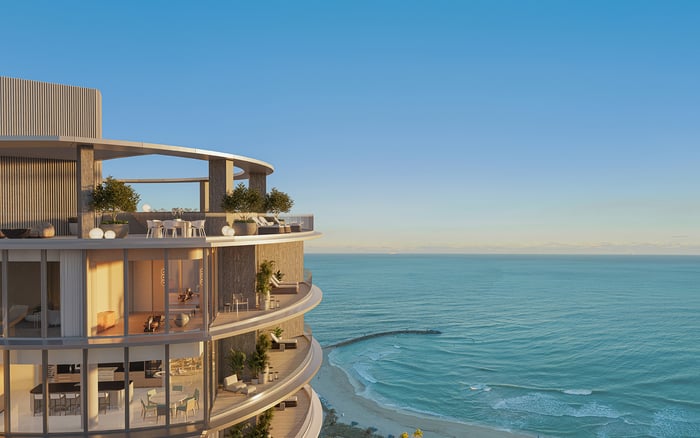
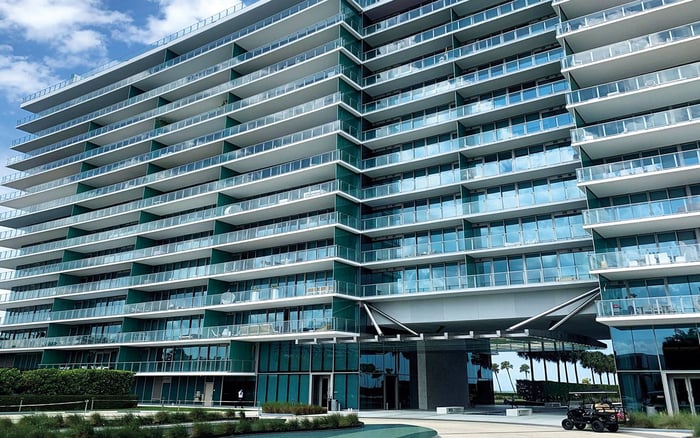
Oceana Key Biscayne reads as a modern benchmark because it does not rely on location alone. Its value proposition is tied to the way the property organizes space, privacy, and coastal living. The development feels more contemporary than older Key Biscayne oceanfront condominium properties, particularly through its emphasis on indoor-outdoor living, broader floor plates, and deeper terraces.
Those details are not cosmetic. In South Florida, the terrace has become an extension of the great room, the dining room, and the morning routine. A deeper terrace changes how an owner uses the home. It supports longer outdoor meals, more comfortable lounging, and a softer transition from air-conditioned interiors to ocean air. Wider floor plates can also help residences feel less like vertical apartments and more like private beachfront homes layered within a condominium setting.
This is where Oceana fits a larger design shift seen across the region. Buyers comparing direct beach adjacency in Miami Beach may also study 57 Ocean Miami Beach or The Perigon Miami Beach, yet Key Biscayne offers a different emotional register. The island setting favors restraint, privacy, and residential continuity over spectacle.
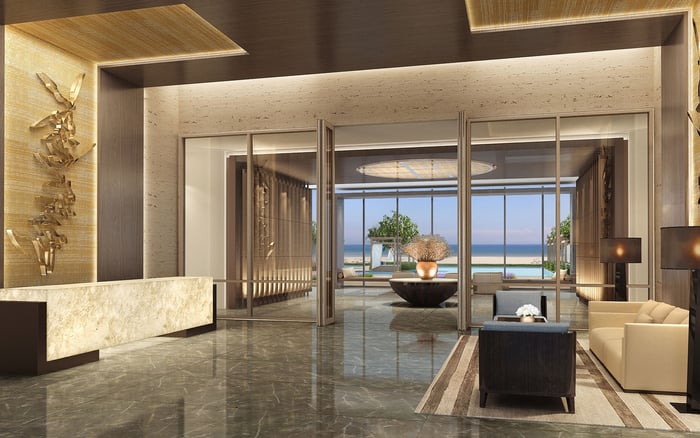
The most compelling luxury properties are rarely defined by amenities alone. They are defined by how those amenities feel in daily life. Oceana Key Biscayne combines resort-style amenities with a more private residential atmosphere, distinguishing itself from transient resort living through privacy, primary-residence use, and a curated community profile.
That distinction is especially important for buyers who want an Oceanfront Lifestyle that remains personal. They may want the pool, the service rhythm, and the landscaped arrival, but not the feeling of checking into a public-facing hotel. Oceana’s positioning is more residential than performative. It aims to make beachfront living feel cultivated, not crowded.
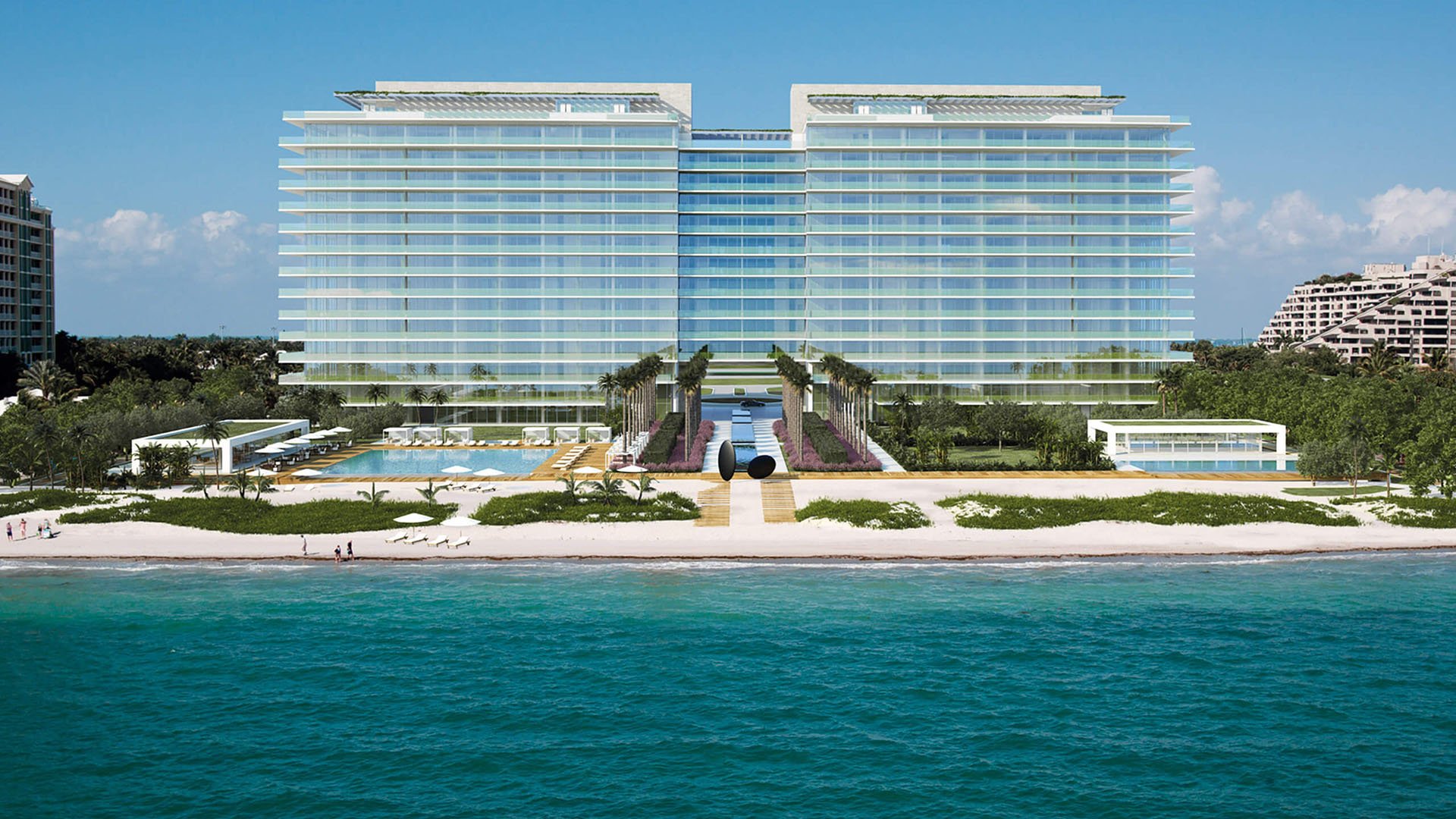
The property also blends private beachfront living with the atmosphere of a landscaped residential park. That idea is central to its identity. Direct-sand living can sometimes feel exposed, especially in dense coastal corridors. At Oceana, the landscape becomes a buffer, a visual amenity, and a daily luxury in its own right. It frames the walk to the beach, softens the scale of the buildings, and gives the oceanfront parcel a more composed quality.
In a market where many beach properties rely on verticality, Oceana functions as a low-density residential program rather than a conventional high-rise beach tower. That planning choice influences the way owners experience arrival, circulation, open space, and privacy. Low density is not just about fewer residences. It is about proportion.
A large oceanfront parcel with extensive linear beachfront exposure gives Oceana a different kind of presence. Linear exposure matters because it helps distribute the property along the water rather than concentrating the experience into a narrow vertical stack. For Waterfront buyers, that can translate into a more gracious sense of breathing room, especially when paired with landscaped grounds and direct access to the sand.
This is also why Oceana can be discussed alongside other premier coastal addresses without feeling interchangeable. Oceana Bal Harbour may appeal to buyers drawn to Bal Harbour’s particular form of oceanfront prestige, while Eighty Seven Park Surfside belongs to a separate conversation around northern Miami Beach and Surfside living. Oceana Key Biscayne’s distinction is its island privacy and the way its site supports direct-sand residential calm.
At the top of the market, buyers are not only purchasing square footage or a postcard view. They are buying ease. Direct-sand living means a morning swim can be spontaneous. It means children, guests, and owners move between home, lawn, pool, and beach without negotiating a public road. It means the ocean is not a backdrop but part of the property’s lived environment.
Oceana Key Biscayne fits that definition with unusual clarity. It is a feet-in-the-sand option for high-net-worth buyers seeking direct oceanfront access, but it also answers the more nuanced demand for discretion. The best version of beach living is not always the loudest version. Sometimes it is the one where arrival feels quiet, the grounds feel private, and the architecture allows the horizon to do most of the talking.
The project also shows how newer design-forward development can redefine direct-sand living on a mature barrier island. Key Biscayne does not need reinvention in the way an emerging neighborhood might. Its appeal is already established. The opportunity is refinement: bringing more contemporary spatial expectations into a setting known for privacy and permanence.
Oceana’s buyer is likely to understand the difference between beachfront as a marketing word and beachfront as a daily experience. This buyer values location, but also studies building typology, site planning, privacy, terrace depth, and the relationship between residence and landscape. They may be choosing between a primary home and a long-term seasonal base, but in either case they want a residence that feels personal rather than transient.
That profile aligns naturally with Key Biscayne. The island supports a quieter form of luxury, where the beach is immediate but the atmosphere remains residential. Oceana’s modern architecture and low-density planning speak to those who want contemporary comfort without surrendering to the intensity of a larger resort corridor.
For this audience, the conversation around Oceana is less about novelty and more about fit. It fits the desire for direct sand. It fits the demand for indoor-outdoor living. It fits the preference for privacy. Most importantly, it fits the idea that true luxury on Key Biscayne should feel effortless, protected, and deeply connected to the water.
What makes Oceana Key Biscayne relevant to direct-sand living? It is an oceanfront residence with no public road separating the homes from the beach, creating immediate access to the sand.
Is Oceana Key Biscayne considered more contemporary than older island condominiums? Yes. Its positioning emphasizes modern design, indoor-outdoor living, wider floor plates, and deeper terraces compared with legacy beachfront formats.
Does Oceana Key Biscayne feel more residential or resort-like? It combines resort-style amenities with a more private residential atmosphere, making it distinct from transient resort living.
Why does low density matter at Oceana Key Biscayne? Low-density planning can create a calmer sense of arrival, more open space, and a more private relationship between residences, landscape, and beach.
How important is the site itself? Very important. Oceana’s appeal is tied to a large oceanfront parcel with extensive linear beachfront exposure.
Does the property emphasize outdoor living? Yes. The design centers on indoor-outdoor living, with terraces and open spatial flow playing a central role.
Who is the likely buyer for Oceana Key Biscayne? The likely buyer values privacy, direct oceanfront access, contemporary design, and a primary-residence feel within a beachfront setting.
How does Key Biscayne influence the appeal? Key Biscayne gives the property an island setting where direct beach access can coexist with discretion and residential calm.
Is Oceana Key Biscayne best understood as a conventional beach tower? No. It is a low-density residential program rather than a conventional high-rise beach tower.
Why does terrace depth matter in this segment? Deeper terraces make outdoor space more usable, supporting dining, lounging, and the indoor-outdoor lifestyle expected by modern South Florida buyers.
For a discreet conversation and a curated building-by-building shortlist, connect with MILLION.
If branded residences are on your mind — as a home or as an allocation — we would be glad to share what we are seeing, privately.
Begin a quiet conversation