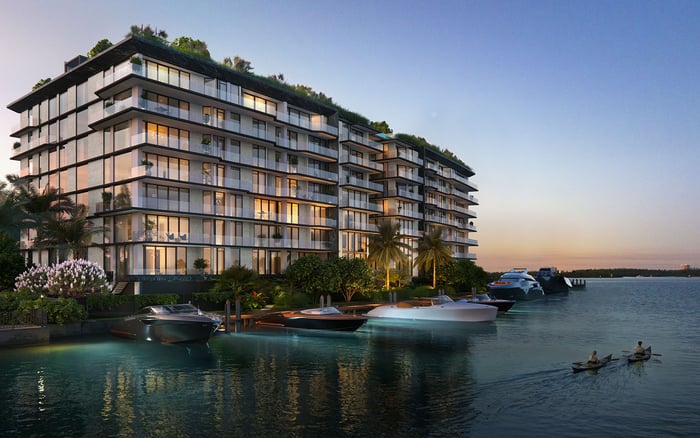
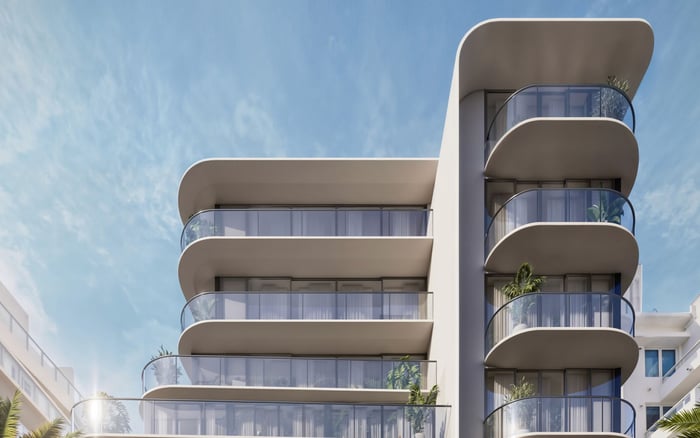
A buyer-focused look at Bay Harbor Towers, where Biscayne Bay waterfront positioning, condominium living and boating logistics converge in Bay Harbor Islands.
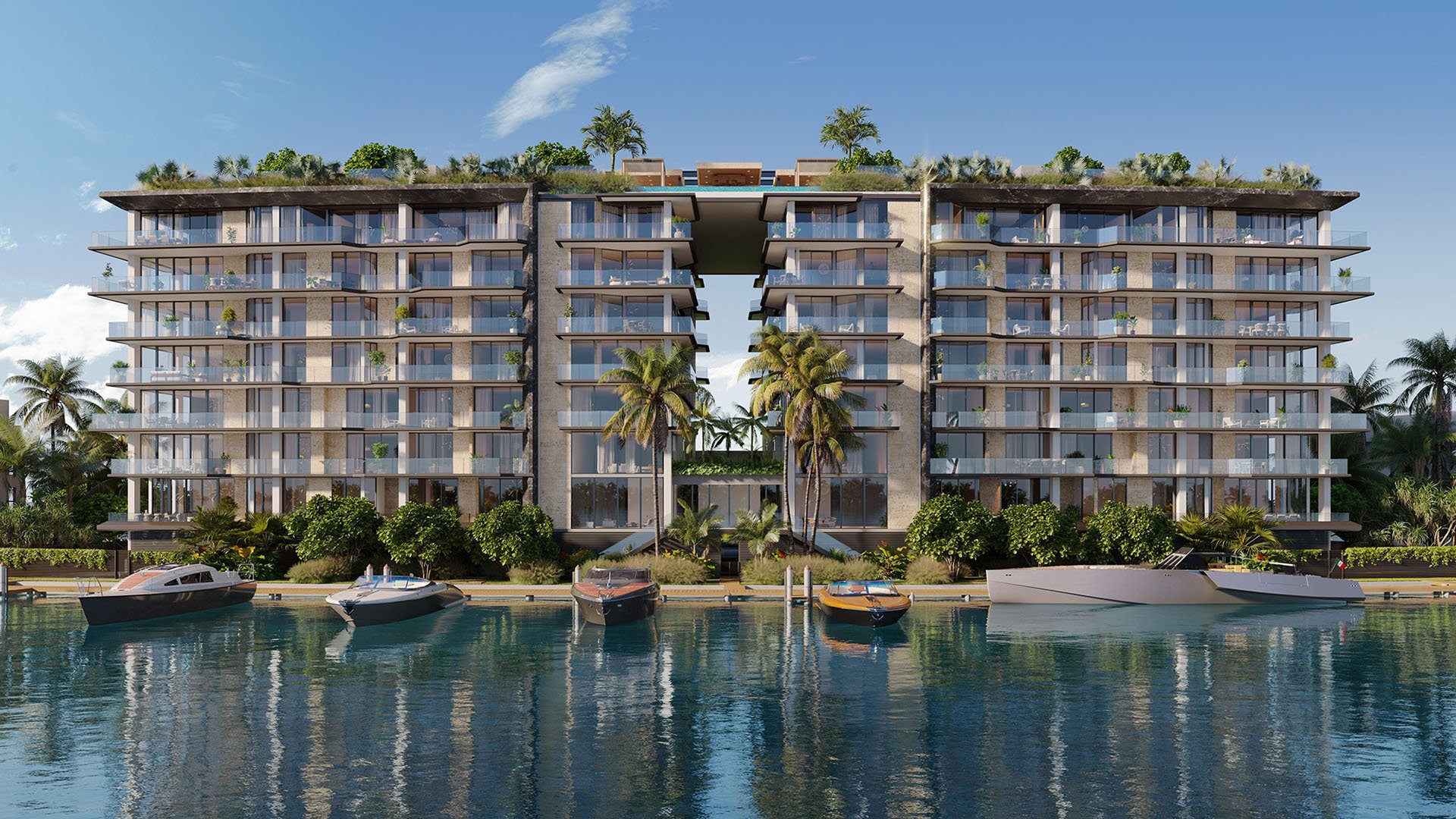
For a certain South Florida buyer, the question is not whether waterfront living is desirable. It is whether the daily mechanics of boating can feel elegant, efficient and close to home. Bay Harbor Towers answers that question with a condominium proposition shaped by Biscayne Bay, Bay Harbor Islands and the practicality of keeping boating access woven into residential life.
This is not the same emotional promise as a single-family waterfront estate. It is more disciplined. The appeal is condominium living with shared amenities, association-based maintenance and a waterfront setting that keeps the boat, the view and the residence within the same lifestyle orbit. For seasonal residents, that can mean less separation between arrival, unpacking and getting on the water. For year-round owners, it can mean the bay is not an occasional excursion, but part of the rhythm of home.
Bay Harbor Towers is best understood as a fit for buyers who value convenience over theater. The property’s positioning centers on Biscayne Bay waterfront living and resident access to boating-oriented amenities, with private boat slips or marina-style accommodations referenced as part of the lifestyle conversation. The exact rights, availability and operating rules require careful review, but the core appeal is clear: a condominium address where docking practicality is not an afterthought.
Bay Harbor Islands occupies a distinctive pocket of Miami-Dade County, close to Miami Beach and Bal Harbour while retaining the scale of a small incorporated municipality. That matters for owners who want proximity without the full tempo of larger waterfront districts. The setting gives Bay Harbor Towers a quieter residential context while still placing it within the broader Miami coastal market.
For buyers searching Bay Harbor inventory, the draw is often balance. The islands offer water, walkability in the surrounding neighborhood context and access to nearby luxury retail and beach districts without requiring a high-rise oceanfront address. A boating-minded owner may value that geography because it keeps Biscayne Bay central to the daily experience.
The broader neighborhood also gives buyers useful points of comparison. Nearby Bay Harbor Islands projects such as Onda Bay Harbor, La Maré Bay Harbor Islands and Alana Bay Harbor Islands help frame the area as a serious residential alternative for affluent condo buyers. Bay Harbor Towers, however, should be evaluated through a more specific lens: whether its waterfront position and boating accommodations align with the owner’s vessel, habits and expectations.
Boat-slip diligence is where romance becomes underwriting. A buyer may be drawn first to the Waterview experience, but the real test is whether the docking arrangement matches the boat and the owner’s use pattern. The most important questions are practical: Is a slip available? Is it deeded, assigned, leased or subject to a waiting list? Does it transfer with the unit? What vessel length, beam and draft are permitted?
Monthly dock fees, insurance requirements and association rules should be reviewed before a contract becomes emotional. Owners should also understand whether guest vessels, tenders, lifts or other equipment are permitted, and how access is managed. It is equally important to determine hurricane procedures, removal requirements and owner responsibilities when storm conditions are expected.
The South Florida waterfront environment rewards discipline. Miami-Dade waterfront ownership carries wind, storm and marine-environment considerations for both buildings and docked assets. Salt air, water exposure and seasonal weather are not abstract risks. They shape maintenance expectations, insurance conversations and the long-term experience of owning near the bay.
This is why Bay Harbor Towers is most compelling for buyers who enjoy boating enough to value the logistics. The convenience is meaningful only if the rules fit the vessel and the owner’s habits. A buyer who cruises frequently, uses the boat for watersports or wants spontaneous bay access will evaluate the property differently from someone who simply likes the image of a dock nearby.
The luxury condominium market in and around the bay is not monolithic. Some buyers prioritize new finishes, some prioritize hotel-style service and others want a quieter waterfront home base. Bay Harbor Towers sits in the category where the practical relationship between residence and boat access carries particular weight.
That distinction can be useful when comparing it with other Bay Harbor Islands addresses. La Baia North Bay Harbor Islands, for example, belongs in the same geographic conversation for buyers studying the neighborhood, while Bay Harbor Towers should be considered through the added filter of docking practicality. The question is not only which residence feels more polished. It is which living arrangement best supports the owner’s relationship with Biscayne Bay.
For some households, a single-family waterfront estate remains the ultimate expression of control. It may offer a private dock arrangement, more land and a different degree of separation. Yet it also brings a distinct ownership profile, with more direct responsibility for grounds, seawalls, building systems and exterior maintenance. Bay Harbor Towers offers an alternative: a condominium-based ownership model where shared amenities and maintenance are typically handled through association structures, while boating access remains close to home.
That tradeoff is especially relevant for second-home owners and frequent travelers. The residence can be locked and left more easily than many estate properties, while the waterfront setting preserves the emotional and practical value of bay living. The ideal buyer understands that convenience, not maximal control, is the point.
Resale value in waterfront condominium ownership often depends on how clearly the property’s lifestyle advantage can be understood. At Bay Harbor Towers, the message is concise: residence, water views and boat access in one condominium lifestyle. That clarity can be powerful, provided the underlying documents support the buyer’s assumptions.
Because exact slip counts, vessel-size limits and the structure of dock rights may vary or require confirmation, buyers should treat those items as central due diligence rather than secondary details. A beautiful view cannot compensate for a docking arrangement that does not fit the boat. Nor can a general promise of waterfront living substitute for written confirmation of transfer rights, fees and procedures.
The strongest buyers will approach the property with two parallel checklists. The first is residential: unit condition, building maintenance, association budget, assessments, insurance and reserves. The second is marine: slip status, vessel limits, storm protocol, dock costs and asset protection. When both sides align, Bay Harbor Towers becomes more than a waterfront condominium. It becomes a practical base for a boating life on Biscayne Bay.
That is the essence of its appeal. It is not about excess. It is about reducing friction for owners who want the bay close, the boat accessible and the residence managed within a condominium framework.
What is Bay Harbor Towers? Bay Harbor Towers is a waterfront condominium community in Bay Harbor Islands, within Miami-Dade County.
Who is the ideal buyer for Bay Harbor Towers? It suits owners who want condominium living combined with nearby or on-site boating access and Biscayne Bay convenience.
Does Bay Harbor Towers offer private boat slips? The property positioning references private boat slips or marina-style accommodations, but buyers should verify exact rights and availability.
Why is Bay Harbor Islands relevant for boaters? Its Biscayne Bay waterfront setting places boating, water views and coastal access close to daily residential life.
Is this an alternative to a waterfront house? Yes, for buyers who prefer condominium ownership while still keeping boating access close to home.
What should buyers verify before purchasing? Slip availability, vessel size limits, dock fees, transfer rights, insurance requirements and hurricane procedures should all be reviewed.
Are dock rights always included with a unit? Not necessarily. Buyers should confirm whether rights are deeded, assigned, leased, waitlisted or otherwise governed by association rules.
What storm considerations matter here? Waterfront owners should understand wind, storm and marine-environment risks for both the building and any docked asset.
Is Bay Harbor Towers suitable for seasonal owners? It can be appealing for seasonal residents who want waterfront convenience without separating home life from boating logistics.
How should buyers compare Bay Harbor Towers with other condos? Compare not only the residence, but also the boating rules, association structure and practical access to Biscayne Bay.
When you're ready to tour or underwrite the options, connect with MILLION.
If branded residences are on your mind — as a home or as an allocation — we would be glad to share what we are seeing, privately.
Begin a quiet conversation