A practical, lifestyle-first framework for 2026 buyers weighing North Bay Village against Bay Harbor Islands, focused on how each choice supports the ordinary week.

The most useful comparison between North Bay Village and Bay Harbor Islands begins with a deliberately simple question: how will the address behave on an ordinary Tuesday? Not on a holiday weekend, not during a perfect sunset showing, and not in the abstract language of prestige. The real test is whether the home supports the buyer’s morning, protects the buyer’s privacy, absorbs the buyer’s guests, and still feels effortless after the fifth month of ownership.
For 2026 buyers, that discipline matters. South Florida’s luxury market has become increasingly lifestyle-specific. A residence is no longer judged only by finish level, view line, or amenity vocabulary. It is judged by cadence. Where is the first coffee taken? How often does the buyer drive, walk, host, or retreat? Which household member has the least flexible schedule? Which convenience will be used daily, and which will become decorative?
This comparison belongs to North Bay Village, Bay Harbor Islands, new construction, boutique, marina, and waterview thinking. These are not slogans. They are filters for how a home is lived, managed, shown to guests, and eventually resold.
Morning is where a beautiful address either earns its place or begins to feel performative. A buyer considering North Bay Village or Bay Harbor Islands should rehearse the first two hours of the day with unusual precision. Where does the household wake up? Who leaves first? Is the buyer heading to an office, an airport, a private school drop-off, a wellness appointment, a marina routine, or no fixed destination at all?
The answer should shape the search before the floor plan does. A residence with a cinematic view may still be the wrong purchase if the owner’s recurring morning route feels strained. Conversely, a quieter, less theatrical home can become the superior choice if it makes the daily exit graceful. Luxury is often the absence of friction.
The practical exercise is straightforward. Visit the immediate area at the times you actually live. Arrive early. Leave when you would normally leave. Test the garage, valet sequence, lobby rhythm, guest arrival point, package flow, and any handoff that will repeat weekly. Ask not whether the address is impressive, but whether it is forgiving.
Evening rhythm is the second layer. A 2026 buyer should imagine the return home as carefully as the departure. Will the household want quiet after dinner, or a neighborhood that keeps the night flexible? Will guests arrive frequently? Does the residence need to support spontaneous hosting, or is it intended to function as a private refuge?
This is where buyers often separate emotionally from technically similar options. One buyer may value the feeling of arrival above all else: a composed lobby, discreet staff sequence, and a residence that feels removed from the day. Another may prioritize the ability to move between dinner, errands, and home with minimal planning. Neither preference is inherently better. The mistake is buying one lifestyle while living another.
A useful rule is to examine the week, not the weekend. Weekends can flatter almost any address. The true test is a rainy Thursday evening, a guest arriving late, a last-minute dinner change, or a child’s schedule shifting without warning. The right address should not require constant negotiation.
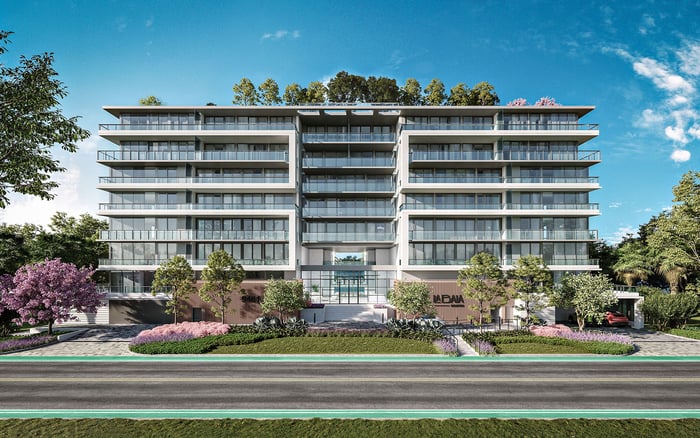
The building type can matter as much as the neighborhood name. A larger residential environment may provide a broader service platform, more amenity depth, and a stronger sense of vertical privacy. A boutique setting may feel more intimate, with fewer layers between the owner and the home. The right answer depends on the buyer’s tolerance for visibility, staff interaction, guest movement, and daily ritual.
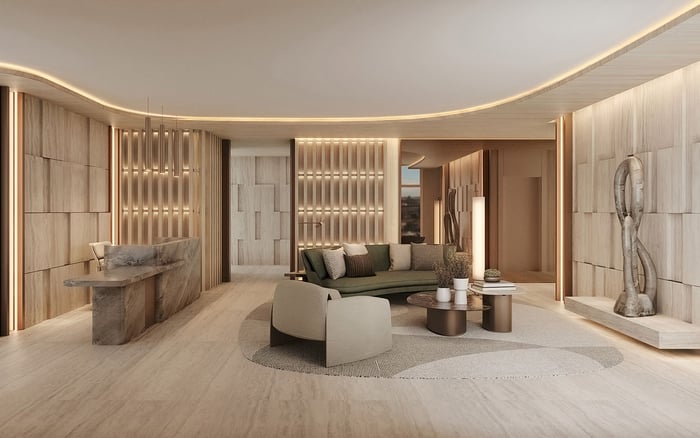
New-construction buyers should be especially careful not to confuse renderings with routine. The question is not only whether the amenity deck is beautiful, but whether it will be used. A pool, lounge, wellness area, or private dining room has value when it reduces effort or expands the way the owner lives. If the amenity is admired but rarely used, it may be secondary to floor plan, parking, storage, elevator sequence, or the quality of the primary suite.
Waterview preferences deserve the same discipline. A view can be emotionally decisive, but the best view is the one the owner actually experiences. Morning light, evening glare, privacy from neighboring buildings, balcony usability, and furniture placement all influence whether a view becomes part of daily life or remains a sales feature.
Every luxury buyer has a different social temperature. Some want a building where neighbors are familiar, staff knows the household rhythm, and common areas feel residential rather than anonymous. Others prefer a more discreet environment where movement is quiet and interactions are minimal. Both profiles can be valid in either search, but they should be named before touring.
The buyer should ask how visible life will feel. How many people will observe arrivals and departures? How does the building handle vendors, drivers, deliveries, dog walks, family visits, and private events? Does the lobby feel like a living room, a hotel threshold, or a private passage? These details can matter more than a marginal difference in square footage.
Privacy also extends into sound, sightline, and schedule. A residence may feel serene at noon and entirely different during evening activity. A careful buyer should tour at more than one hour, stand in silence, open doors, step onto terraces, and imagine the actual volume of life.
The daily-rhythm test is not only about comfort. It is also a resale discipline. Homes that solve real life elegantly tend to have a clearer future audience. If a buyer can explain the residence in one sentence, such as “this is the easiest weekday home for our household,” the next buyer may understand it quickly as well.
For a short ownership horizon, flexibility matters. A plan that appeals to multiple household types can be safer than a highly specific layout. For a longer horizon, emotional precision may matter more. If the owner expects to live deeply in the residence, the home should be chosen for repeated satisfaction rather than theoretical market breadth.
Buyers should also separate permanent preferences from temporary conditions. A current commute, school routine, or office pattern may change. The deeper question is whether the address supports the owner’s broader identity: private or social, formal or relaxed, highly serviced or more independent, view-driven or movement-driven.
A serious buyer can compare North Bay Village and Bay Harbor Islands through a three-visit structure. First, tour during the morning window that mirrors real life. Second, return in the late afternoon or early evening. Third, schedule a quiet revisit focused only on the residence itself: light, storage, terrace use, elevator wait, parking sequence, and the emotional quality of arrival.
During each visit, use the same notes. Rate the address for departure, return, privacy, hosting, errands, wellness, pets if relevant, family logistics, service quality, and the likelihood that the home will feel better after a year. The winner is not necessarily the more dramatic option. It is the address with fewer compromises that repeat.
That is the essence of the 2026 buyer’s daily-rhythm test. North Bay Village versus Bay Harbor Islands is not a contest to be won by reputation. It is a question of fit. The most sophisticated purchase is the one that makes the buyer’s ordinary life feel composed.
What is the daily-rhythm test for buyers? It is a practical way to judge a home by the routines that repeat most often, including mornings, evenings, guests, privacy, and service flow.
Should I choose North Bay Village or Bay Harbor Islands first? Start with your routine, not the name of the location. The better choice is the one that supports your actual week with less friction.
How many times should I visit before deciding? A serious buyer should visit at different times of day. Morning and evening visits often reveal details that a single showing cannot.
Are views enough to justify a purchase? Views can be deeply valuable, but only if they work with the floor plan, privacy, light, terrace use, and the way you live.
Is new construction always the safer choice? Not automatically. New construction should be evaluated for service quality, layout, completion expectations, and daily usability.
When does a boutique building make sense? A boutique building can suit buyers who prefer intimacy, discretion, and a more residential feel over a larger amenity environment.
How should boating needs affect the decision? Treat marina access as a daily-use question. Verify how often you will use it, how guests arrive, and how it fits the household schedule.
What matters most for resale? Resale strength often begins with clarity. A home that solves a recognizable lifestyle need is easier for future buyers to understand.
Should families and seasonal buyers use the same framework? Yes, but they should weight the categories differently. Families may focus on weekday logistics, while seasonal buyers may prioritize arrival and retreat.
What is the biggest mistake in this comparison? The biggest mistake is buying the more glamorous presentation while ignoring the routines that will define ownership.
For a tailored shortlist and next-step guidance, connect with MILLION.
If branded residences are on your mind — as a home or as an allocation — we would be glad to share what we are seeing, privately.
Begin a quiet conversation