A buyer-focused guide to understanding service charges, operating budgets, reserves, insurance, staffing, amenities, and long-term ownership costs at La Baia North Bay Harbor Islands.
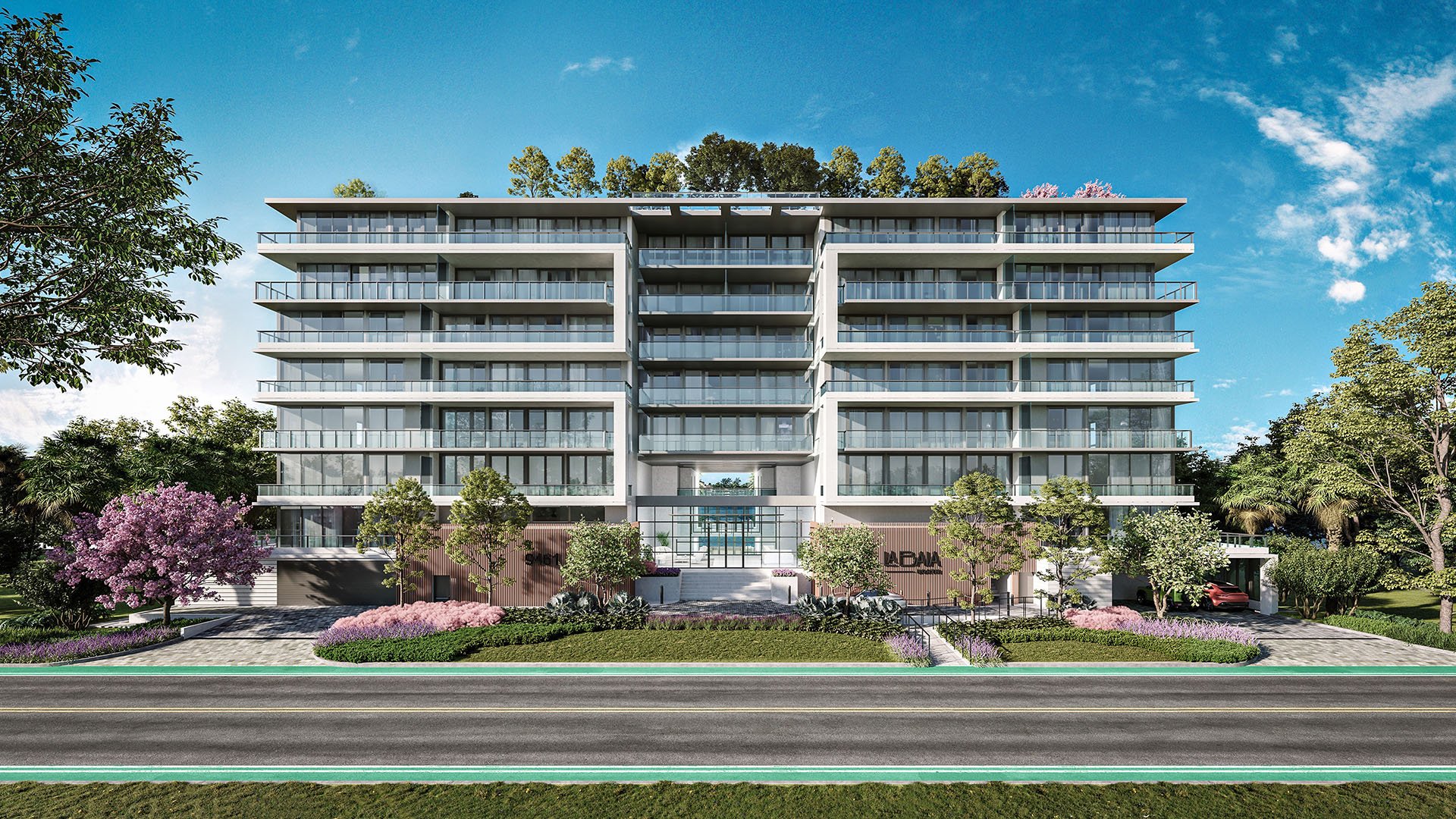
For a buyer evaluating La Baia North Bay Harbor Islands, the monthly service charge should never sit as a footnote to the purchase price. It is part of the architecture of ownership, shaping the recurring cost of life in a luxury waterfront condominium long after closing.
The first question is deceptively simple: is the quoted monthly assessment based on a proposed developer budget, or on a budget already controlled by the condominium association? These are different financial moments. A proposed budget can be useful, but it should be read as a projection, not a permanent promise. An owner-controlled budget reflects a later stage, when operating costs, service expectations, insurance realities, and reserve planning may be more visible.
For Bay Harbor underwriting, the monthly fee is only the starting point. The more important question is whether the budget is transparent, realistic, and adequate for a waterfront luxury building over a five- to ten-year holding period.
A serious buyer should request the latest projected operating budget before signing a contract. The review should go well beyond a single monthly figure. Ask for the line items that make the assessment work: staffing, insurance, utilities, maintenance, management, amenities, common-area service, and reserves.
This is where the building’s tone becomes financial. A luxury condominium with attentive service, polished common spaces, waterfront exposure, and amenity programming needs a budget capable of supporting that standard. Boutique buildings can feel more private and personal, but boutique scale can also mean fewer residences sharing fixed costs. That is not necessarily a disadvantage, but it must be understood clearly.
The question is not whether the service charge feels high or low in isolation. It is whether the budget matches the building’s promised experience and whether the assumptions are conservative enough for South Florida ownership.
At a waterfront condominium, insurance deserves close attention. Buyers should ask whether the budget includes realistic assumptions for South Florida premiums, flood exposure, wind coverage, deductibles, and future increases. Building insurance can be a significant recurring expense, especially where waterfront common areas, mechanical systems, and shared structures are part of the ownership environment.
Common-area maintenance belongs in the same conversation. Waterfront buildings require discipline around systems, finishes, exterior exposure, and long-term upkeep. A beautifully presented monthly assessment means less if the budget does not properly fund the obligations that keep the building operating at the level buyers expect.
New-construction buyers should also distinguish between early-period estimates and stabilized costs. Ask whether the initial budget assumes a fully operational association or a lower early cost structure while residences are still being sold.
One of the most important questions is whether the monthly service charge includes reserve contributions. If reserves are not included, buyers should ask how and when they are expected to be funded. This matters because reserves are the bridge between daily operations and future capital needs.
For La Baia North, ask specifically whether major shared components have dedicated reserve schedules. That includes seawalls, docks, elevators, roof systems, pool equipment, and mechanical systems. Marina-related components, if applicable to the ownership structure, should be reviewed with the same discipline. Marina access can enhance a waterfront lifestyle, but the costs tied to shared marine infrastructure should be clearly allocated.
A budget without adequate reserves may look appealing at first glance, but it can shift financial pressure into the future. Sophisticated buyers tend to prefer clarity upfront, even when that clarity makes the monthly number feel less decorative.
The next layer is allocation. Buyers should confirm how common expenses are divided among residences. Are charges based on unit size, ownership percentage, parking rights, marina rights, storage, or other appurtenances? The answer can influence the true carrying cost of one residence versus another.
This is especially important for larger homes, penthouse-style layouts, or residences with additional rights attached. A water-view premium may be obvious in the purchase price, but the operating documents may reveal additional differences in recurring expenses. Ask for the exact formula and verify how it applies to the residence under consideration.
When comparing alternatives across the island, a per-square-foot view can help. A buyer considering La Baia North may also study nearby boutique and waterfront options such as Alana Bay Harbor Islands, Bay Harbor Towers, and Onda Bay Harbor. The goal is not to declare one fee superior, but to understand what each budget includes and excludes.
Amenities are not free simply because they are described as part of the lifestyle. If pool decks, fitness areas, wellness spaces, valet, marina access, children’s areas, or other shared facilities are included, buyers should ask which costs are covered by the general assessment and which may carry separate fees.
This is where comparison with a wellness-forward neighbor such as The Well Bay Harbor Islands can be useful in principle. Amenity intensity, staffing, maintenance, utilities, and programming can all shape monthly obligations. The same is true for front desk coverage, security, valet, housekeeping for common areas, maintenance personnel, and on-site management.
A refined building experience is operational before it is aesthetic. The most elegant lobby still requires staffing, cleaning, insurance, electricity, and management discipline. Buyers should ask for the staffing plan in plain language and confirm whether the budget supports the service level being marketed.
Early budgets sometimes include developer subsidies, guarantees, temporary expense caps, or assumptions that change after turnover. Buyers should ask whether any such protections are built into the initial budget and, more importantly, when they expire.
The expiration date matters because it can affect the trajectory of monthly assessments after the building is fully operational. A temporarily restrained budget may be appropriate during an early sales period, but buyers should understand the stabilized cost of ownership before they commit.
Also ask how often the association budget may be adjusted and what owner approval thresholds apply to assessment increases or special assessments. This is not a pessimistic question. It is a governance question, and governance is part of luxury ownership.
Before contract signing, ask for the latest projected operating budget and review each line item. Confirm whether the assessment is proposed or association-controlled. Ask whether reserves are included, whether major shared components have reserve schedules, and whether insurance assumptions are realistic for South Florida waterfront ownership.
Then request clarity on staffing, common-area maintenance, amenity costs, utilities, management fees, and any separate charges. Confirm how expenses are allocated among residences and whether parking, marina rights, or other appurtenances change the equation. Finally, compare the projected service charges on a per-square-foot basis against a thoughtful peer set of boutique Bay Harbor Islands and nearby luxury waterfront condominiums.
For buyers at this level, the right answer is not always the lowest monthly fee. The right answer is a budget that is legible, adequately funded, and aligned with the standard of living being purchased.
What is the first question to ask about La Baia North service charges? Ask whether the quoted monthly assessment is based on a proposed developer budget or an owner-controlled association budget.
Should buyers rely only on the advertised monthly fee? No. The monthly number should be reviewed alongside the full operating budget and the assumptions behind it.
What budget line items should be reviewed before signing? Buyers should review staffing, insurance, utilities, maintenance, management, amenities, common-area service, and reserves.
Why does insurance matter so much at a waterfront condominium? Waterfront ownership can involve significant recurring insurance considerations, including flood exposure, wind coverage, deductibles, and premium increases.
Should reserves be included in the monthly assessment? Buyers should ask whether reserve contributions are included or whether reserves may need to be funded separately later.
What shared components should have reserve planning? Ask about seawalls, docks, elevators, roof systems, pool equipment, mechanical systems, and other major common elements.
How should buyers compare La Baia North with other condominiums? Compare projected service charges on a per-square-foot basis and evaluate what each budget includes or excludes.
Can amenity costs be separate from the general assessment? They can be, so buyers should ask which amenity costs are covered by the general assessment and which may carry separate fees.
Why do developer subsidies or caps matter? Temporary subsidies, guarantees, or expense caps can affect early costs, so buyers should ask when those protections expire.
What is the larger goal of this financial review? The goal is to confirm that the budget is transparent, realistic, and adequate for luxury waterfront ownership over time.
For a confidential assessment and a building-by-building shortlist, connect with MILLION.
If branded residences are on your mind — as a home or as an allocation — we would be glad to share what we are seeing, privately.
Begin a quiet conversation