A refined buyer’s guide to the real sound profile of South Florida waterfront towers, from marine traffic and bridge vibration to nightlife spillover, with a practical framework for testing a unit before contract.
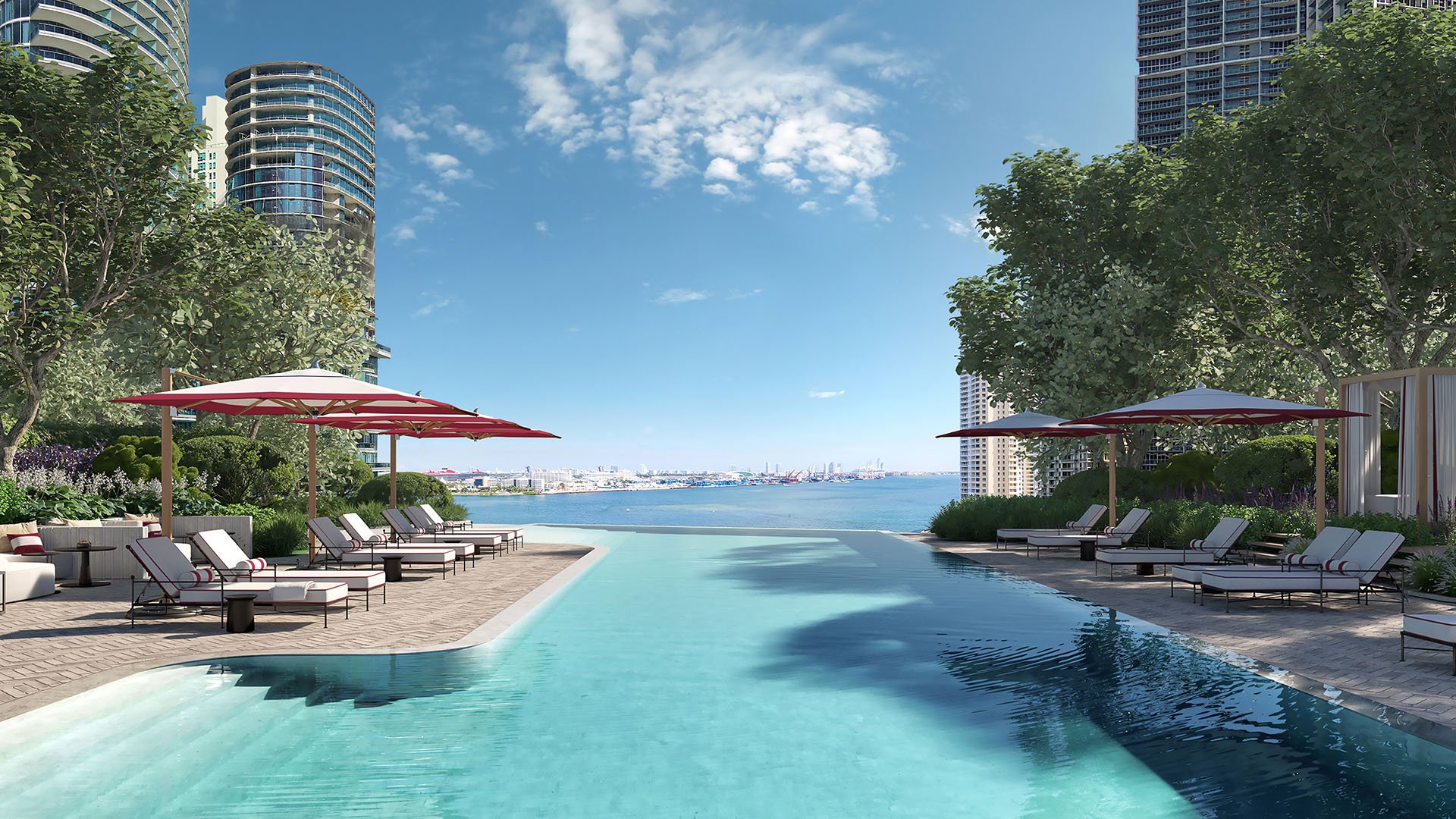
Waterfront real estate in South Florida trades on light, horizon, and the sense of remove that comes with open water. What it does not always deliver is silence. For discerning buyers, that distinction matters. A glittering bay view may also come with the recurring presence of vessel engines, bridge operations, nightlife spillover, and low-frequency vibration that can feel more intrusive than a decibel reading alone suggests.
This is especially relevant in corridors shaped by constant maritime movement, including Biscayne Bay, the Miami River, and areas influenced by PortMiami’s around-the-clock activity. In dense entertainment districts, the soundscape shifts again: music, valet flow, late departures, and street activity can continue long after a daytime showing ends. Open-water settings can also carry sound farther than many buyers expect, especially when hard surfaces reflect it and a tower’s height removes some of the shielding found at street level.
For buyers considering residences such as Una Residences Brickell or Aston Martin Residences Downtown Miami, the right question is not whether waterfront living includes sound. It does. The real question is whether a particular exposure, elevation, and facade make that sound acceptable for the way you live.
The most obvious contributor is marine traffic. Recreational boats and personal watercraft can generate sound levels well above what is generally comfortable for outdoor residential settings. In South Florida, that matters because boating is not an occasional spectacle. It is part of the daily rhythm, with heavier activity often concentrated from Friday through Sunday.
Then there is major vessel movement. In areas with sightlines or proximity to active shipping and cruise routes, horns, tug operations, and service traffic can occur outside conventional business hours. Buyers sometimes focus on whether they can “see the port,” but audibility is not limited to direct adjacency. Over water, sound paths can remain remarkably open.
A second category is infrastructure. Drawbridges and related transport corridors can create brief but distinct spikes in both sound and vibration. These events may not last long, but they can be disruptive precisely because they punctuate otherwise calm periods. Lower-frequency vibration is especially important to notice because it is often felt through the body or structure rather than heard as simple airborne noise.
The third category is nightlife. In districts where restaurants, bars, beach clubs, and hotel venues define the neighborhood, noise is rarely just music. It is arrival patterns, idling vehicles, doors, voices, curbside activity, and the wave of sound that follows closing time. A residence at 57 Ocean Miami Beach or Five Park Miami Beach may offer a very different acoustic experience depending on orientation, glazing, and how directly the unit faces active corridors.
Many purchasers assume the highest floors are the quietest. Often they are quieter relative to immediate street noise, but that does not make them uniformly serene. Higher elevations can lose the shielding effect created by neighboring buildings, landscaping, and lower urban massing. With open water in front, a unit may pick up more direct sound travel from marine traffic or distant nightlife than a lower residence tucked behind other structures.
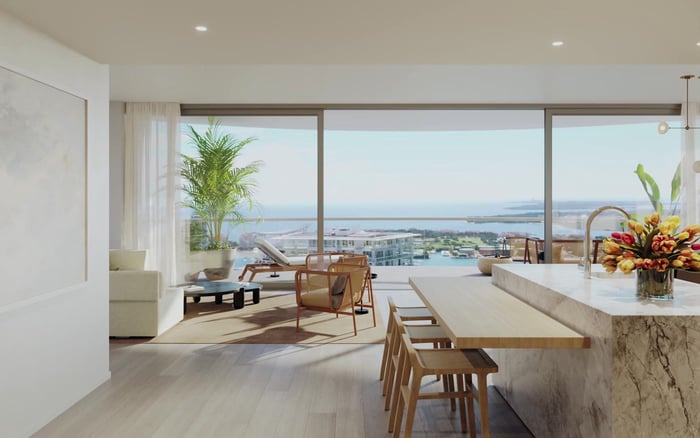
Water-facing lines also behave differently from inward-facing ones. A glamorous terrace exposure may bring more audible engine carry, horns, and reflected sound, while a unit facing away from the water may trade some view drama for a calmer interior environment. This is one reason two apartments in the same tower can feel acoustically unrelated.
In Edgewater and along Biscayne Bay, for example, buyers looking at Aria Reserve Miami should think beyond finishes and floor plans to the exact line, elevation, and window wall configuration. In quieter enclave settings such as Onda Bay Harbor, the issue may be less about nightlife and more about intermittent marine or bridge-related disturbance depending on the immediate corridor.
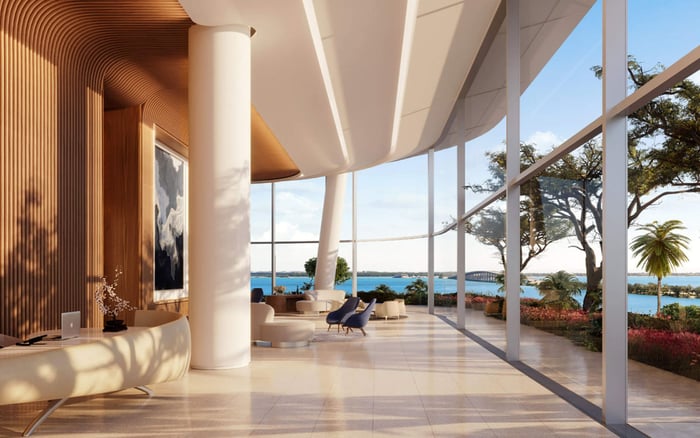
Windows are not a cosmetic detail in a waterfront tower. They are one of the primary determinants of interior sound quality. Better glazing and tighter assemblies can materially reduce sound transfer, while weaker assemblies can turn a beautiful residence into an elegant echo chamber.
South Florida buyers should pay close attention to laminated, impact-resistant glass. Beyond storm protection, it can contribute meaningful acoustic control. That said, impressive glazing does not end the conversation. A well-sealed unit may seem hushed during a tour with the air-conditioning running and every opening shut, yet feel noticeably different the moment a terrace door is cracked or a bedroom window is vented.
That is why serious testing should include readings with windows fully closed and then slightly opened. If your lifestyle includes fresh air, ocean breeze, or sleeping with a door ajar, you are not buying the sealed-box performance of the facade alone. You are buying the lived acoustic reality of the residence.
A single midday tour is not a noise test. It is a design appointment. If quiet matters, visit the residence multiple times: daytime, evening, and late night. Include at least one weekend visit, because boating and entertainment activity often intensify when weekday calm creates a false sense of privacy.
Bring a calibrated sound level meter that meets a recognized standard suitable for comparison. A smartphone app can help you spot rough differences between rooms or visits, but it is not the right instrument if you want dependable readings. If acoustic performance is central to the purchase, a professional assessment is the stronger route, especially if findings may support negotiation or a contract contingency.
During each visit, stand in the primary bedroom, living room, and terrace. Listen for more than volume. Note tonal qualities such as bass vibration, recurring horn patterns, bridge cycles, muffled music, and sudden spikes. Keep the HVAC on for one reading and off for another. Measure with windows closed, then slightly opened. Repeat from different parts of the unit, because corner exposures and water-facing glass often behave differently.
Also consider seasonality. Peak travel periods can intensify port and tourism-related activity, while weather and wind direction can change what reaches the facade. The point is not to achieve laboratory perfection. It is to avoid buying a beautiful illusion.
If noise acceptability is material to your decision, define it precisely in the contract discussion rather than relying on broad language about comfort. The useful questions are practical: what device will be used, when will testing occur, where in the unit will readings be taken, and what threshold would be considered unacceptable?
This level of specificity matters because ordinary disclosures and standard inspections do not necessarily capture chronic marine, bridge, or nightlife conditions. Luxury buyers often assume an exceptional building automatically means exceptional acoustic privacy. Sometimes it does. Sometimes it simply means the interiors are exquisite enough to distract from a question that should have been asked earlier.
For MILLION Luxury clients, the most sophisticated posture is not suspicion. It is discipline. Waterfront living is one of South Florida’s great privileges, but the best purchases are made with both the eyes and the ears fully engaged.
Are waterfront condos always noisier than inland residences? Not always, but they are more exposed to marine traffic, open-water sound travel, and in some areas bridge or nightlife spillover.
Is a high floor automatically quieter? No. High floors may reduce street noise yet pick up more direct sound paths over water.
Why should I test a unit at night? Nighttime noise can affect sleep quality, and many waterfront disturbances are most noticeable after dark.
Do weekends really make a difference? Yes. Recreational boating and entertainment activity are often heavier from Friday through Sunday.
Can windows make a major acoustic difference? Yes. Glazing quality and tight assemblies are often the biggest factors in how quiet a unit feels indoors.
Is impact glass useful for sound, or just storms? It can do both, offering storm protection while also reducing some sound transfer.
Can I rely on a phone app to test sound? Only for rough comparisons. A calibrated dedicated meter is better for meaningful readings.
What kinds of noise are most disruptive near bridges? Short spikes in sound and low-frequency vibration are often the most noticeable.
Should I test with the windows open too? Yes. A unit may feel quiet when sealed and very different once fresh air is introduced.
Can noise terms be written into a contract? Yes, but the testing method, timing, device, and threshold should be clearly defined.
When you're ready to tour or underwrite the options, connect with MILLION Luxury.
If branded residences are on your mind — as a home or as an allocation — we would be glad to share what we are seeing, privately.
Begin a quiet conversation