A practical guide for South Florida luxury condo buyers evaluating home office camera lighting, from daylight and glazing to ceiling plans, shades, and resale-ready workspaces.
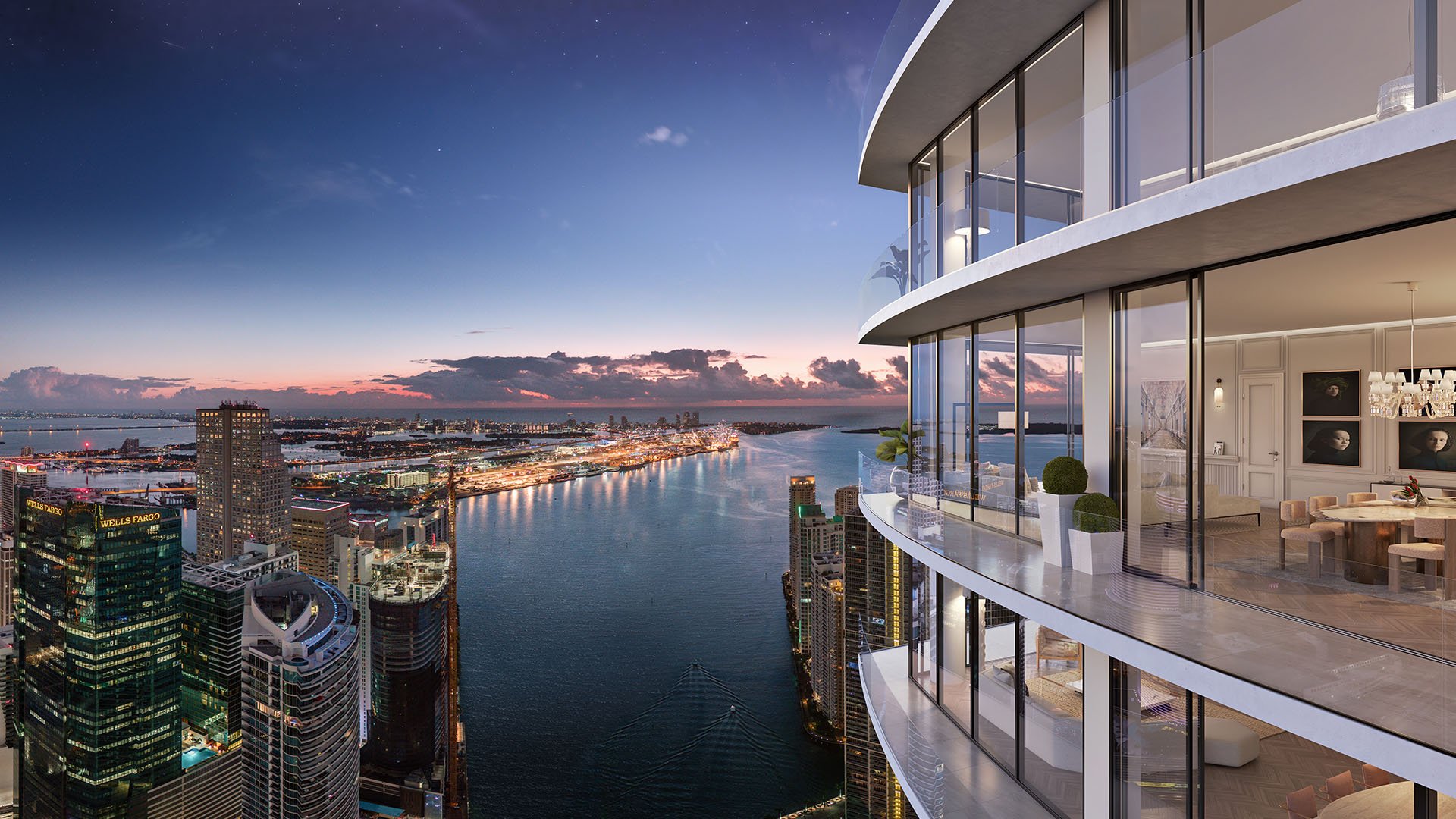
For the luxury condo buyer in 2026, a home office is no longer a secondary room with a desk. It is a private broadcast environment: a setting for capital decisions, board meetings, family office calls, design approvals, medical consultations, and global conversations conducted on camera. In South Florida, where glass, water views, and intense daylight define much of the residential experience, the question is not simply whether a residence has an office. The sharper question is whether that office can make its owner look composed, private, and professionally present at any hour.
This is especially relevant in markets such as Brickell, Miami Beach, and Sunny Isles, where residences often prioritize views, deep terraces, dramatic glazing, and open-plan living. Those features can be extraordinary, but they can also create contrast, glare, shadows, and visual distraction on camera. The most discerning buyers now evaluate video-call performance with the same seriousness they bring to kitchen appliances, primary closets, parking, and building amenities.
Start with daylight. A beautiful view may become a liability if the camera faces bright glass behind the user. Backlighting can turn a polished executive into a silhouette, especially during morning or late-afternoon calls. Ask where the desk is intended to sit, what direction the windows face, and whether the room can be arranged so the user is lit from the front or side rather than from behind.
In South Florida, sunlight shifts quickly by season, weather, and time of day. A room that feels serene during a daytime showing may become visually difficult during recurring calls. Buyers should stand where the desk would go, open a phone or laptop camera, and study the actual image. The eye may forgive contrast that a camera will not.
Luxury residences often celebrate floor-to-ceiling glass, but camera lighting depends on control. Ask whether the home has motorized shades, layered treatments, or wiring provisions for them. A sheer shade can soften daylight without fully sacrificing the view. A blackout layer may be useful for presentations, evening calls, or rooms that also function as guest suites.
Privacy is part of the lighting conversation. A home office visible from a balcony, adjacent tower, or marina view may need more than decorative window treatments. On camera, reflective glass can also reveal objects, screens, artwork, or people outside the frame. A discreet office should allow the owner to control what is seen, not merely what is illuminated.
A handsome ceiling plan is not always a camera-friendly ceiling plan. Downlights placed directly above a chair can create shadows under the eyes. Pendants can compete with the face or appear awkwardly in the frame. Recessed fixtures that cannot be dimmed or color-tuned may feel too cool at night or too harsh during early calls.
Ask for the lighting plan, not only the fixture schedule. Where are the circuits? Are dimmers included? Can sconces, floor lamps, or picture lights be added without exposed cords? In new-construction residences, the earlier these questions are asked, the easier it may be to coordinate junction boxes, outlets, and low-voltage pathways before finishes are complete.
The most elegant office still fails if cables run across the floor. Buyers should ask where power outlets are placed relative to the likely desk wall, whether there are floor outlets, and how a monitor, camera, microphone, task light, and charging drawer can be supported without clutter. A luxury office should look calm from both sides of the screen.
Camera height deserves particular attention. Built-in millwork, bookshelves, and art walls should be planned around the seated user. If the camera is too low, the angle is unflattering. If it is too high, eye contact feels strained. The ideal setup often requires a stable surface, clean wiring, and enough depth for a flattering lens distance.
A video-call background is now a subtle extension of the home. It should communicate refinement without revealing too much. Buyers should consider what appears behind the chair: art, shelving, stone, wood paneling, a textured wall, or a controlled view. Avoid backgrounds that expose circulation paths, bedroom doors, family photographs, or highly reflective surfaces.
This is where luxury design and operational discipline meet. A calm background can make a smaller office feel more substantial, while a busy backdrop can diminish even a generous room. High floors may offer extraordinary horizons, but if the camera fights the brightness of the skyline, the prestige of the view is lost in the image.
A serious buyer should not evaluate camera lighting only at a scheduled showing. If possible, visit or test the space at the times when important calls typically occur. Morning calls with Europe, midday domestic meetings, and late-afternoon conversations can each create a different lighting condition. The same room may be excellent at noon and difficult at sunset.
If the residence is not yet complete, ask the sales or design team to walk through orientation, shade specifications, ceiling lighting, and likely furniture layouts. For resale properties, bring the device you use most often. A quick test call, even with the camera preview, can reveal glare, echo, lens distortion, and background issues in minutes.
In a resort-style building, the home office may be one piece of a larger work-life strategy. Some owners use a private study for confidential calls and rely on amenity spaces for casual work. Others need a fully equipped office because they run companies from home for extended seasons. The correct lighting plan depends on use, not just aesthetics.
Oceanfront living, terrace entertaining, and expansive great rooms are part of the South Florida promise, but the office should not feel like an afterthought borrowed from the living area. A buyer who expects to be on camera daily should seek a room with controllable light, acoustic separation, clean power, and a composed background. In 2026, that combination can influence daily comfort and long-term desirability.
Ask whether the proposed office can be photographed or filmed from the likely desk position. Ask which walls can receive art, millwork, or acoustic treatment. Ask whether shades are included, optional, or owner-installed. Ask whether the room has independent lighting control. Ask how the office performs when the sun is low, when the room lights are on, and when the city or coastline becomes reflective after dark.
Most importantly, ask whether the office can evolve. Technology changes quickly, but good bones endure: balanced light, ample outlets, flexible walls, quiet doors, and enough depth between the user, camera, and background. Those are the details that separate a pleasant den from a truly camera-ready luxury workspace.
What is the first camera-lighting question a condo buyer should ask? Ask where the desk is intended to sit and whether the user will face, side-face, or sit with their back to the windows.
Is a glassy view bad for video calls? Not necessarily. It becomes a problem when the view overpowers the face, creates glare, or cannot be softened with shades.
Should buyers prioritize motorized shades? For frequent video calls, motorized shades can be valuable because they allow quick control of daylight, privacy, and contrast.
Do ceiling lights matter if I use a ring light? Yes. Ceiling lights shape shadows, reflections, and overall room tone, while a ring light is only one part of the image.
What color temperature is best for a home office? A flexible, dimmable setup is preferable because the ideal warmth can change between daylight, evening calls, and presentations.
Can a den without windows work well on camera? Yes, if it has layered lighting, good ventilation, acoustic comfort, and a background that feels intentional rather than enclosed.
How should buyers evaluate an unfinished pre-construction office? Review orientation, shade provisions, outlet placement, ceiling lighting, and likely furniture layouts before finalizing options.
Is the background more important than the view? For many professional calls, yes. A controlled, discreet background often reads better than a bright or distracting panorama.
Should the office be separated from the main living area? Separation is useful for privacy, sound control, and maintaining a composed camera frame during family or guest activity.
Can camera-ready office design affect resale appeal? It can enhance perceived livability, especially for buyers who expect a residence to support serious work as well as leisure.
When you're ready to tour or underwrite the options, connect with MILLION.
If branded residences are on your mind — as a home or as an allocation — we would be glad to share what we are seeing, privately.
Begin a quiet conversation