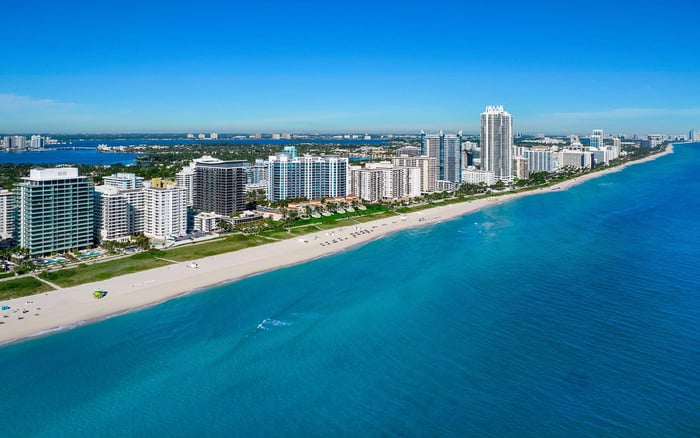
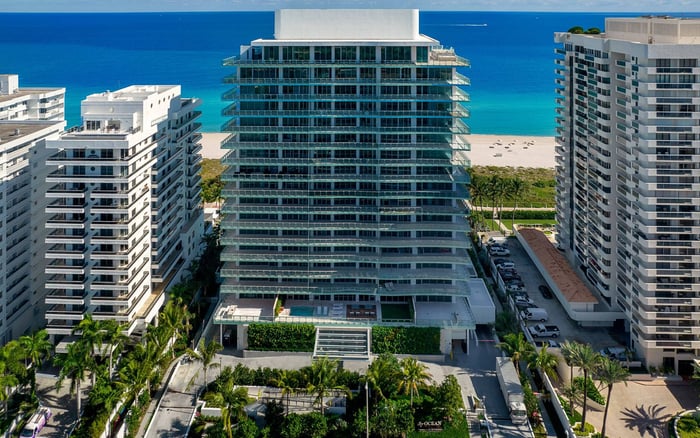
In Miami Beach’s most rarified condominium communities, the right of first refusal can be less a legal footnote and more a defining feature of liquidity, privacy, and long-term value. For sellers, it can introduce an extra layer of timing and scrutiny. For buyers, it can be a stealth risk that surfaces after a handshake and before a closing. This MILLION Luxury editorial explains how board and association rights of first refusal generally function in Florida condominium transactions, why they appear more frequently in boutique and legacy buildings, and how sophisticated parties structure offers, timelines, and communications to reduce friction. The goal is not to fight the process, but to understand it well enough to keep a premium transaction moving with the discretion and certainty that Miami Beach demands.

In a market where price is only one component of value, condominium governance quietly shapes the buyer experience. The right of first refusal-often abbreviated as ROFR-sits at the center of that dynamic. In plain terms, it is a contractual right that can allow an association or designated party to step into a deal on the same material terms negotiated between a seller and a buyer.
In many buildings, ROFR is rarely invoked. In others, it functions as an active tool: a way to manage ownership composition, discourage opportunistic flips, and preserve a culture of discretion. Miami Beach, particularly in boutique oceanfront and South-of-Fifth circles, has a long memory and a strong preference for stability. When governance is part of the brand, ROFR becomes part of the underwriting.
For buyers accustomed to fast, certainty-driven closings, the surprise is less the concept than the timing. ROFR clauses are typically triggered after a fully executed contract is delivered for review. That means you can agree on a price, negotiate repairs, place a deposit, and still encounter a board-controlled decision point.
A ROFR is not the same as a board interview, and it is not automatically a veto. In many condominium documents, the association’s right is specifically to match the contract as written, not to rewrite it. If exercised, the association (or its assignee) purchases the unit on the same financial terms and within the same closing framework.
Equally important, ROFR is not a substitute for careful buyer qualification. Many buildings still require standard approval processes, and the ROFR sits alongside-not necessarily in place of-financial review, background checks, and compliance with house rules.
Because the Fact Table for this topic is not populated, the smartest way to read any ROFR language is as building-specific. The exact trigger, review period, notice requirements, and who may exercise the right can vary widely from one set of governing documents to another.
In ultra-premium transactions, the “cost” of uncertainty is rarely limited to legal fees. It shows up as:
Even when ROFR is never exercised, the review window can extend the critical path to closing. That matters for sellers coordinating tax planning and for buyers aligning travel, staffing, and interior work.
A ROFR review often requires delivering the full contract to the association for evaluation. In privacy-forward buildings, that can be handled discreetly. In less disciplined settings, it can feel like more eyes on a private negotiation than a principal expected.
If a buyer expects ROFR is likely, they may negotiate more aggressively, assuming they are functioning as a “price discovery” mechanism rather than the ultimate purchaser.
The practical point is not to fear ROFR. It is to price, paper, and calendar the transaction in a way that respects it.
ROFR problems tend to arise less from the right itself and more from misaligned expectations. The most common missteps are structural:
A large deposit can feel like commitment, but ROFR can still interrupt the buyer’s path to ownership. The contract language and contingency structure matter more than emotion.
A ROFR holder matches the deal as written. That means concessions, personal property, credits, and even occupancy arrangements can become the real battleground. If the contract includes unusually favorable seller terms, a ROFR holder may be less inclined to exercise. Conversely, a clean contract can be easier to match.
Some communities treat ROFR as a dormant legacy clause. Others treat it as an active option. A buyer should understand the building’s temperament before making life plans around a closing date.
A seller’s best move is often made before the property is even marketed: prepare an approval-grade transaction package that can be delivered to the association immediately upon execution.
High-performing sellers and their advisors typically focus on:
Condo documents, estoppels, and disclosures are gathered early so the board’s process cannot be blamed for delays.
Terms are written to be clear, enforceable, and difficult to misconstrue. In a ROFR environment, clarity is leverage.
The contract timeline should acknowledge the ROFR window and any associated approval steps, rather than pretending they do not exist.
In Miami Beach’s prestige segment, the seller’s true advantage is not speed alone. It is controlled execution.
There is a fine line between diligence and friction. Sophisticated buyers tend to protect themselves through structure rather than posture.
Consider the following approaches, tailored to the building’s documents:
The contract can be written so initial deposits are staged, or certain deposits are released only after specified conditions are met. The goal is not to be adversarial; it is to align financial exposure with process milestones.
The contract should require prompt delivery of the executed agreement to the association and confirm how notice is deemed received. Ambiguity here creates the kind of delay that feels personal.
A buyer should avoid creating multiple overlapping off-ramps that make the offer look unstable. In an exclusive building, the cleanest offer is often the most persuasive.
As a parallel example, many buyers weighing lifestyle in Miami Beach also look north or inland for different governance profiles and new-build certainty. Comparing a Miami Beach board-driven resale to a new offering such as Five Park Miami Beach can clarify what you are paying for: established community rules and immediate livability versus a more standardized developer process.
Even when owners dislike the friction, boards usually justify ROFR in one of three ways:
Some buildings prioritize long-term residency and predictability over transactional volume.
ROFR can be framed as a deterrent to distressed or opportunistic trading that could reset comps downward.
In a world where high-profile ownership attracts attention, boards often value quiet, orderly transfers.
Buyers and sellers who approach the process with this lens tend to negotiate more effectively. The aim is to make the board’s decision easy: a clean, financeable contract with credible principals and no drama.
Miami Beach’s upper tier is not monolithic. A contemporary, service-rich environment can have a very different governance culture than a legacy boutique building with long-standing owners.
When clients ask what “exclusive” really means, it often comes down to who controls friction. In some towers, the experience feels operationally modern and predictable. In others, the building’s identity is curated through formal or informal gatekeeping.
If you are evaluating the oceanfront lifestyle itself, it can be useful to compare Miami Beach to nearby micro-markets with similar coastal access but different building ages and governance norms. For example, 57 Ocean Miami Beach speaks to the intimate, design-forward end of the spectrum, while Surfside’s newest trophy inventory, such as The Delmore Surfside, reflects a different era of buyer expectations around process, transparency, and delivery.
Without referencing any single building’s documents, certain deal structures tend to attract attention during ROFR review:
They can create the appearance that the headline price is not the real price.
If the contract assigns significant value to furnishings or art, it can complicate “same terms” matching.
These can be legitimate, but they raise operational questions for an association.
If the buyer intends to assign, or has broad assignment rights, boards may view the offer as speculative.
In many luxury closings, the simplest strategy is to keep the primary contract terms straightforward, and handle complex items through well-crafted, compliant addenda when necessary.
If ROFR is exercised, emotions tend to run hot because the buyer has often invested time, privacy, and planning. The best response is procedural.
For the seller, the headline is usually positive: you are still selling on the same terms, often with a cleaner path to closing. For the buyer, the priority is ensuring deposits are returned promptly as specified by the contract and governing documents.
If you are a buyer in this position, treat it as market intelligence rather than a personal rejection. In some circles, it simply means the building has an internal demand profile that is willing to pay market terms to control inventory.
A notable share of Miami Beach buyers cross-shop Brickell when they want more predictability, newer systems, and a different social cadence. While Brickell has its own governance quirks, many luxury buyers experience the process as more standardized in newer towers.
It is not uncommon to see a buyer pivot from a board-sensitive resale to a newer, highly managed environment such as 2200 Brickell, where expectations around transaction flow can feel more contemporary.
The lifestyle decision is personal. The transaction risk should be quantified.
ROFR is not inherently negative. In the best buildings, it is one component of a broader promise: ownership culture, discretion, and long-term stewardship. The friction arrives when parties treat the process as an afterthought.
The most effective deals share three traits:
Read the governing documents and align timelines before signing.
Deliver what the association needs, once, in a polished package.
Avoid theatrics. In high-end condo boards, tone can be as influential as paperwork.
In a market as nuanced as Miami Beach, that combination is often what separates a smooth closing from a story you would rather not repeat.
What is a right of first refusal in a Miami Beach condo? It is a contractual right allowing an association or designee to purchase a unit on the same terms as a buyer’s accepted contract.
Does a condo board ROFR mean the board can reject any buyer? Not necessarily; ROFR is typically a right to match, while separate approval rules may still apply depending on the building.
When is ROFR triggered during a sale? Usually after a fully executed contract is delivered to the association under the notice procedure set in the documents.
How long does a ROFR review take? The timeline is document-specific and should be built into the contract calendar rather than assumed.
Can the association change the deal terms if it exercises ROFR? Generally, exercising ROFR means matching the same material terms, not renegotiating them.
What happens to the buyer’s deposit if ROFR is exercised? The contract typically governs deposit return; buyers should structure deposits with ROFR timing in mind.
Do ROFR clauses affect pricing in exclusive buildings? They can influence leverage and buyer behavior, especially where the right is actively used or expected.
Can sellers reduce the chance of delays from ROFR? Yes, by pre-staging documents, writing clear terms, and setting realistic timelines that reflect the process.
Is ROFR more common in boutique buildings? It is often associated with communities that prioritize continuity and discretion, though each building is different.
Should I avoid buying in a building with ROFR? Not automatically; it should be treated as a governance feature to underwrite and plan around, not a deal-breaker by default.
If you'd like a private walkthrough and a curated shortlist, connect with MILLION Luxury.
If branded residences are on your mind — as a home or as an allocation — we would be glad to share what we are seeing, privately.
Begin a quiet conversation