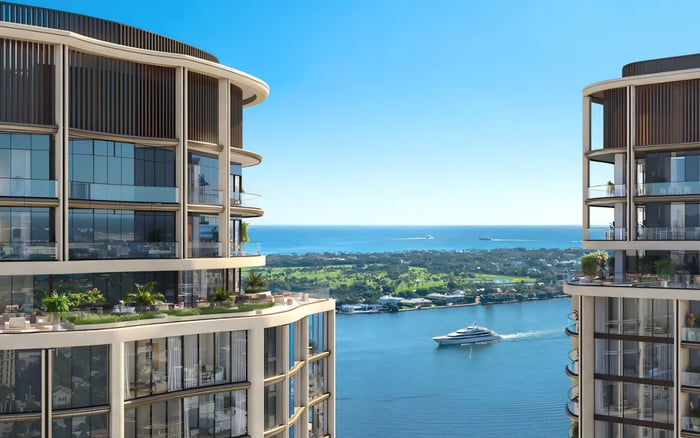
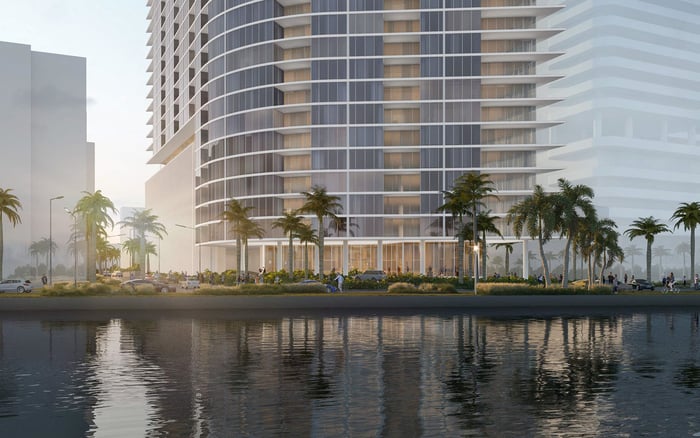
A buyer-oriented guide to approaching custom millwork and interior modifications at The Berkeley Palm Beach, with a focus on written approvals, design alignment, contractor readiness, and protecting the building’s architectural integrity.
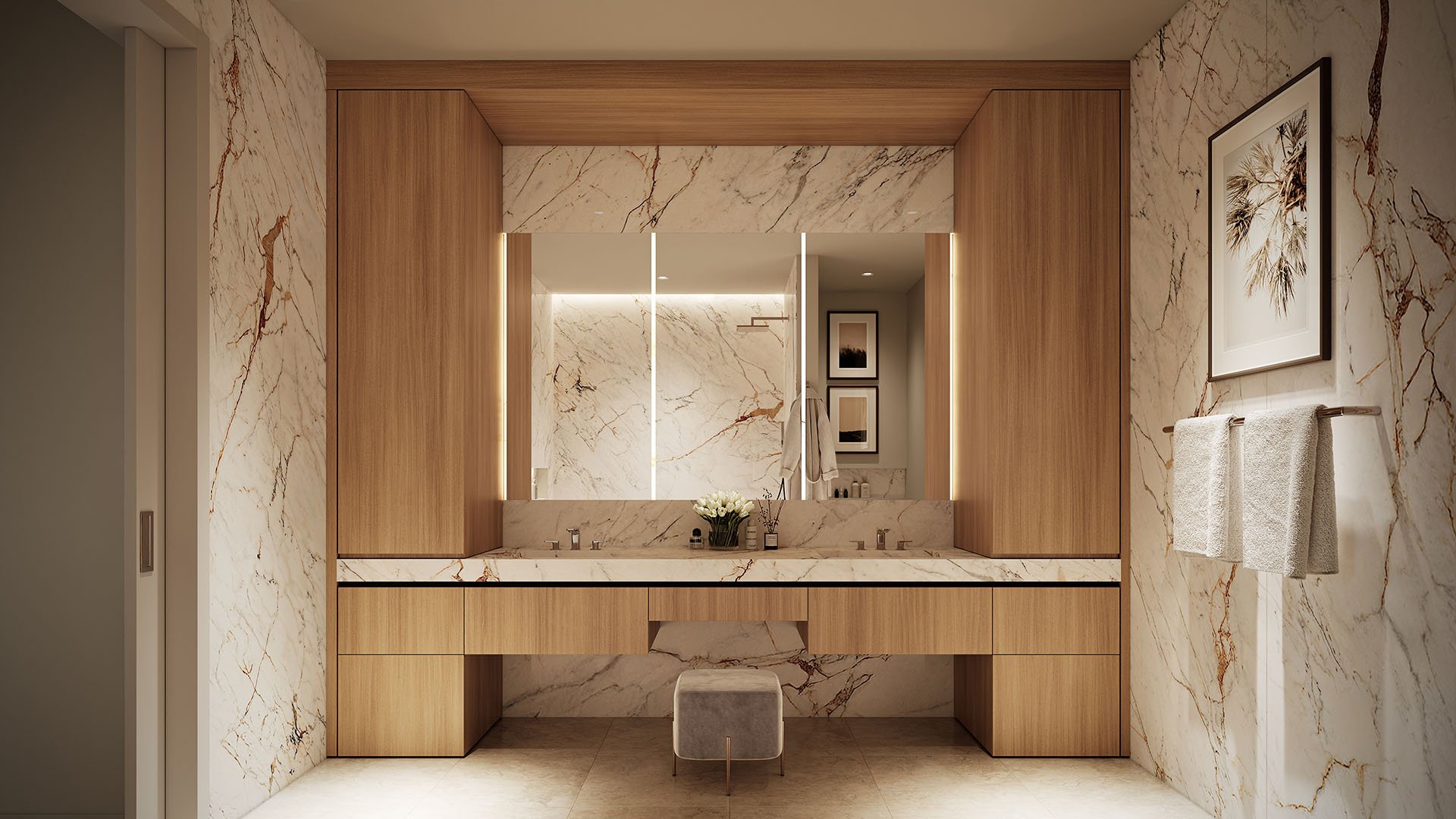
At a property such as The Berkeley Palm Beach, custom millwork is not simply a decorative choice. It is part design exercise, part building-compliance matter, and part neighbor-conscious construction planning. The residence is positioned as a refined, design-led offering in Downtown and the broader West Palm Beach luxury market, so any owner-led modification is naturally reviewed through two lenses at once: whether it complements the original vision and whether it affects shared systems, common elements, or the experience of adjacent residents.
That distinction matters. A freestanding cabinet may read more like furniture. A fully integrated library wall, custom closet system, kitchen reconfiguration, or bathroom millwork package can become an alteration with architectural, mechanical, and procedural implications. In a luxury tower, approval is typically expected before work proceeds if the scope has the potential to affect aesthetics, building systems, structure, or common areas.
For discerning owners, the smartest approach is not to treat the HOA process as a late-stage administrative hurdle. It should be part of the design brief from day one.
Before engaging a millworker on final shop drawings, owners should contact building management and request the current alteration procedures, design guidelines, and any architectural review requirements in effect for the condominium. Those documents establish the real framework for what is permissible, what must be submitted, and what conditions apply before any work can begin.
This is especially important at high-design properties where visual coherence is part of the value proposition. Buildings of this caliber often place greater emphasis on finish quality, visible materials, proportions, and craftsmanship. That does not mean owners cannot personalize a residence. It means the proposal should feel intentional, technically sound, and consistent with the building’s level.
Across South Florida, similar expectations appear in other design-conscious settings such as Forté on Flagler West Palm Beach and Mr. C Residences West Palm Beach, where architecture, interiors, and resident experience are positioned as integrated rather than incidental. The lesson for Palm Beach buyers is straightforward: ask for the rules early, then design within them.
Not every built-in is reviewed with the same intensity. The more permanent and integrated the work, the more likely it is to require formal approval.
Custom closets, media walls, paneled studies, banquettes, kitchen cabinetry, bathroom vanities, concealed storage systems, and wall-cladding packages may all invite review when they move beyond surface decoration. The key trigger is whether the installation intersects with building structure, utility routing, moisture-sensitive assemblies, or shared visual conditions.
Owners should be particularly careful when proposed millwork touches walls that may contain plumbing, electrical, or HVAC components. Even a highly aesthetic intervention can receive closer scrutiny if it limits future access, adds load, changes ventilation conditions, or affects wet-area performance. Kitchens and baths deserve added caution because moisture management and code compliance are not only unit concerns. Failures in those rooms can affect neighboring residences and common elements.
Visibility matters too. Work that can be seen from corridors, elevator lobbies, or other shared vantage points is typically subject to greater scrutiny because the association has a stronger interest in preserving common-area appearance. In boutique towers and larger new-construction communities alike, the principle is consistent: interior freedom expands when the work remains truly internal and noninvasive.
A persuasive approval package should not read like a mood board. It should read like a coordinated project.
Most luxury condominium alteration reviews are strengthened by complete documentation: scaled drawings, elevations, finish schedules, material samples or specifications, contractor information, and a clearly defined written scope. If a proposal is substantial, owners are wise to use Florida-licensed design and construction professionals who can produce technical drawings and answer management questions in a professional format.
For MILLION Luxury readers, this is where many projects either move smoothly or lose weeks. The best submissions show exactly what will be built, where it will sit, what materials will be used, how adjacent surfaces will be protected, and which trades are responsible. If access panels, plumbing lines, ventilation routes, appliance clearances, or electrical feeds are implicated, the drawings should make that clear.
The same paper-trail mentality is increasingly relevant across the South Florida luxury landscape, from Shorecrest Flagler Drive West Palm Beach to Alba West Palm Beach, where buyers expect customization but buildings still require order, accountability, and documented compliance.
Approval is not solely about design. It is also about who will perform the work and under what controls.
Owners should expect contractor insurance requirements, building compliance rules, and possibly registration or pre-approval procedures before installation begins. That step should occur before signing final installation agreements whenever possible. A beautiful millwork concept can stall quickly if the selected contractor cannot satisfy a tower’s insurance thresholds, logistical protocols, or documentation standards.
This is one reason experienced owners often choose teams that understand multifamily high-rise work rather than only single-family residential execution. Elevator protection, material deliveries, debris handling, common-area protection, and final cleanup all matter. So does accountability if any damage occurs during the project. In most condominium settings, those costs remain the owner’s responsibility.
One of the most important disciplines in this process is simple: nothing meaningful should proceed on verbal comfort alone.
Owners should avoid ordering custom fabrication, authorizing field changes, or treating informal conversations as approval. Associations typically rely on written submissions and written approvals, and any material change to the approved scope should be resubmitted in writing. That includes revised dimensions, substituted finishes, adjusted layouts, added lighting integration, or modifications that affect utilities.
This is where expensive mistakes happen. A millwork package can be aesthetically flawless and still be noncompliant if it differs from the approved set. Custom fabrication is especially unforgiving because once pieces are built, redesign is costly and delays compound. Submit early, allow time for revision requests, and keep every stage documented.
In luxury condominium environments, the process typically does not end when the installer leaves. Final sign-off or inspection is commonly part of alteration control to confirm that work matches the approved plans and has not compromised shared systems or common elements.
For owners, that final step should be viewed as protection rather than an inconvenience. A well-documented, properly approved millwork installation preserves resale clarity, reduces disputes, and supports the long-term integrity of the residence. In a market as design-sensitive as West Palm Beach and greater Palm Beach, that discipline can matter as much as the finish selection itself.
The best custom interiors feel effortless once complete. Behind that calm result is usually a highly deliberate process.
Do I need approval for all custom millwork at The Berkeley Palm Beach? Not necessarily for every decorative item, but built-ins and permanent installations commonly require review when they affect systems, structure, or shared aesthetics.
What should I do before hiring a millwork fabricator? Contact management first and request the current alteration and design-review requirements before finalizing fabrication drawings or contracts.
Are closets and built-ins treated the same as furniture? Usually not. Once an item is permanent, integrated, or attached in a way that affects walls or utilities, it is more likely to be reviewed as an alteration.
Why do kitchens and baths receive more scrutiny? These areas involve moisture, plumbing, and code-sensitive conditions that can affect neighboring units and common elements if handled poorly.
Should I use a licensed design professional? For substantial work, yes. Licensed architects, designers, and contractors usually strengthen submissions by providing clearer technical documentation.
Can I begin fabrication while waiting for approval? It is wiser to wait for written approval, especially for custom pieces that may need revision if the association requests changes.
What documents are usually expected in a submission? Owners commonly provide drawings, finish selections, material information, contractor details, and a clear written scope of work.
Do contractors need special building approval? Often yes. Insurance, registration, and compliance procedures are common in luxury towers and should be confirmed before work is scheduled.
What if my installer changes the design in the field? Any meaningful change should be resubmitted in writing because written approvals generally govern, not verbal job-site decisions.
Is there a final review after installation? Commonly yes. Buildings often require a final inspection or sign-off to confirm the completed work matches the approved plans.
For a tailored shortlist and next-step guidance, connect with MILLION Luxury.
If branded residences are on your mind — as a home or as an allocation — we would be glad to share what we are seeing, privately.
Begin a quiet conversation