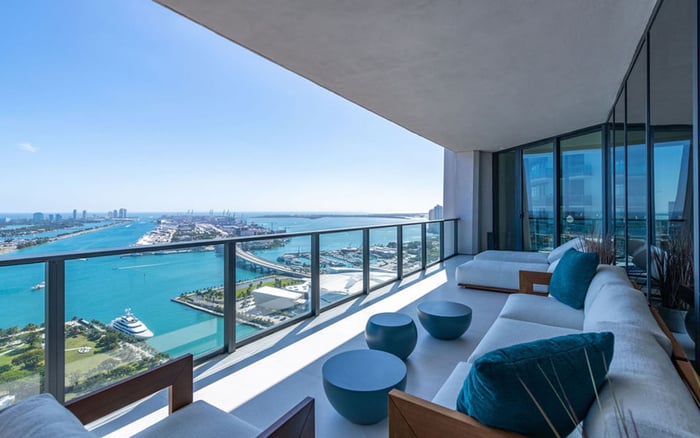
In South Florida’s luxury market, the most expensive mistakes are rarely about taste. They come from assumptions: that open houses sell trophy homes, that 20% down is mandatory, that condo documents are paperwork, or that “agents are interchangeable.” This MILLION Luxury editorial reframes the myths that quietly inflate risk and cost, and replaces them with a more discreet, diligence-forward playbook for waterfront estates and high-rise living alike.
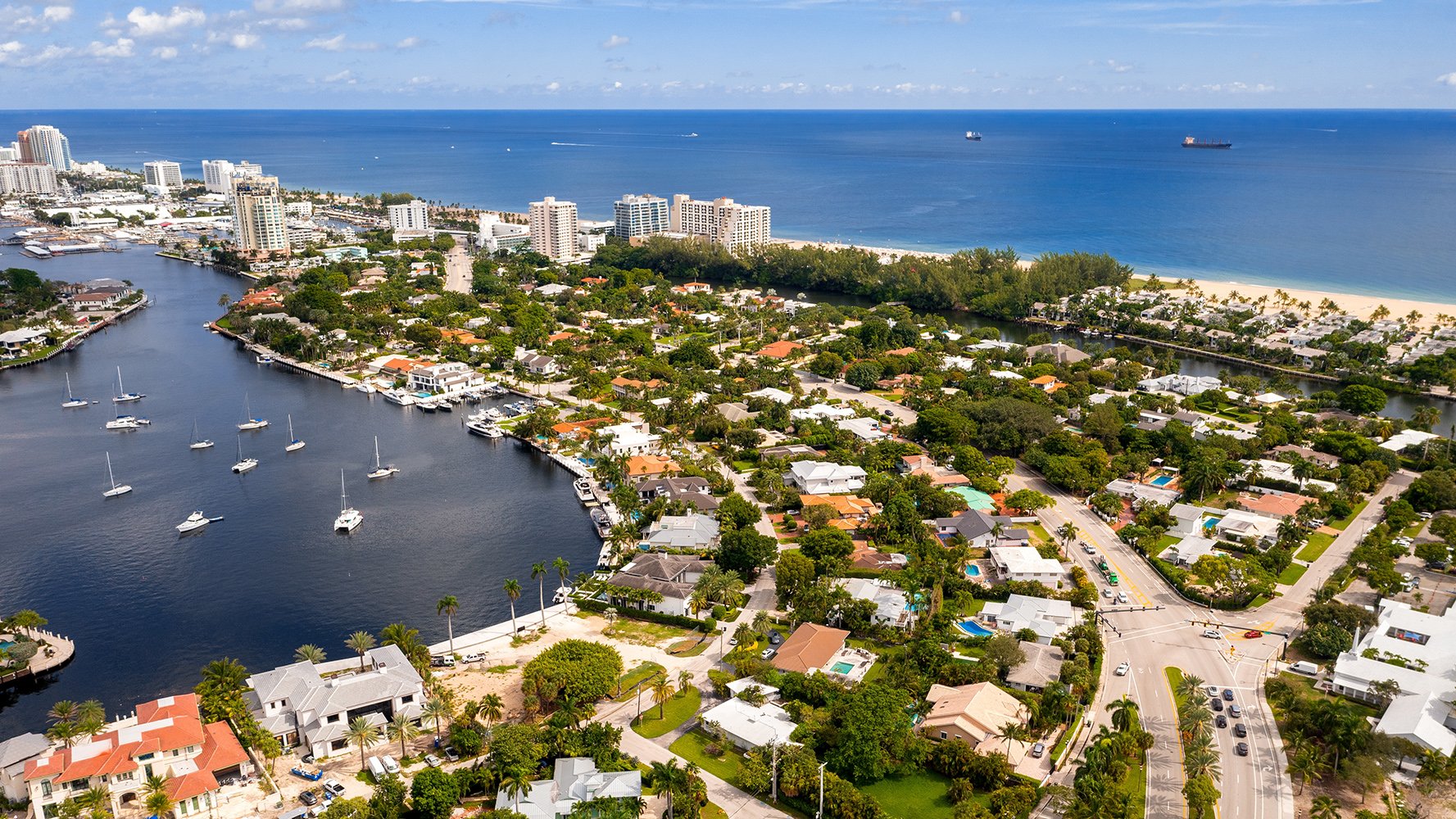
In South Florida, luxury real estate is often bought for lifestyle, legacy, and optionality. Yet the transaction itself has become increasingly technical. With evolving condo safety rules, shifting insurance realities near the water, and a buyer pool that may be cash-heavy or highly structured, old rules of thumb can turn into expensive missteps.
The most persistent myths are comforting because they simplify a complex purchase. But trophy properties don’t trade on comfort. They trade on risk management, credibility, and a buyer’s ability to move with clarity.
Open houses can be useful in some segments, but at the upper tier they often deliver less than sellers expect. Serious buyers frequently prefer private showings that protect discretion, align with travel schedules, and provide uninterrupted time with the home.
Privacy and security are not secondary considerations. High-value homes can present obvious targets-art, jewelry, smart-home controls, and even the home’s daily rhythms. Unvetted foot traffic introduces exposure many owners would never accept in any other part of their financial life.
A modern luxury launch is typically digital-first and qualification-forward. The goal isn’t more bodies through the door. It’s the right buyer, with the right level of seriousness, seeing the home under the right conditions.
In South Florida, many luxury purchases are cash, but that doesn’t make leverage irrelevant. The belief that 20% down is required is a misconception. What 20% often accomplishes is avoiding private mortgage insurance, but it isn’t a universal gatekeeper.
Some qualified buyers choose alternative structures based on liquidity preferences, tax strategy, or portfolio construction. Others may qualify for specialized programs that allow far lower down payments, including certain 0% down options for eligible buyers.
In practice, the question isn’t “Can I put down 20%?” It’s “What is the best capital stack for this specific asset, at this specific moment?” A waterfront single-family purchase carries a different risk profile than a newer, amenitized tower, and the financing conversation should reflect that.
At the luxury level, an agent isn’t simply a door-opener. Experience and specialization materially shape pricing strategy, negotiation posture, and a buyer’s ability to pressure-test disclosures, documents, and building realities.
Florida also distinguishes licensing levels in a way many consumers overlook: brokers operate under a higher license level and may have supervisory authority. That distinction matters most as complexity rises-especially when a deal involves layered contingencies, building documents, or nuanced repair credits.
The practical takeaway is straightforward: hire for the property type and the problem set. A waterfront estate demands different instincts than a Brickell high-rise. A boutique condo with evolving reserves is not the same as a new construction tower.
Condo due diligence in Florida has changed meaningfully in recent years. Many buildings are now subject to milestone inspections based on age and proximity to the coast, and structural integrity reserve studies have intensified the focus on reserves.
For buyers, that shifts the center of gravity of the purchase. The view matters-but so do the line items that keep the view intact. Reviewing budgets, reserves, and the building’s inspection posture is no longer optional. It’s value preservation.
This is also where fee volatility enters the equation. Condo owners in Florida have faced rising HOA costs tied to insurance pressures and building-safety requirements. In some buildings, special assessments have become a headline risk, and they can reshape affordability even for high-net-worth households.
If you’re considering a high-rise lifestyle in Brickell, the elegance of a new or newer building can be part of the risk equation. A well-positioned residence in 2200 Brickell, for example, can suit buyers who want modern systems and a current-era approach to building operations-while still requiring disciplined document review before signing.
Even in confident markets, negotiation exists. It may not always show up as a dramatic price cut, but leverage appears when a home is overpriced, when days on market stretch, or when conditions shift.
Just as important: price is not the only lever. Sophisticated buyers negotiate timelines, repairs, credits, inclusions, and contingency structures. Sellers negotiate certainty, speed, and simplicity. A well-constructed offer can create real value without forcing a public capitulation on headline price.
For luxury buyers, the cleanest wins often come from terms: a closing timetable that fits travel, an inspection framework that respects the home’s complexity, or a credit that preserves the seller’s pride while protecting the buyer’s economics.
In competitive situations, some buyers waive appraisal contingencies to strengthen an offer. The risk is straightforward: if the appraisal comes in low, the buyer may need to bring additional cash to close-or renegotiate under pressure.
In South Florida, that risk can be amplified by properties that are harder to comp, such as unique waterfront homes, heavily customized interiors, or boutique condominiums with few recent sales. If you plan to waive appraisal, it should be a deliberate capital decision-not a reflex.
Waterfront living is one of South Florida’s great luxuries, but it carries a risk-management layer that inland buyers may underestimate. Wind exposure, flood considerations, and the complexity of insuring high-value coastal homes can materially affect carrying costs and closing timelines.
Many coastal homebuyers underestimate or ignore rising flood risk and insurance premiums. In practice, insurance diligence should start early-not after a contract is signed. The right approach is to treat insurance as core underwriting, alongside taxes and HOA obligations.
If your preferences lean toward an oceanfront, design-forward lifestyle, a building like 57 Ocean Miami Beach can illustrate why buyers pay premiums for location and execution-while still needing to confirm the building’s budget posture and coverage realities before committing.
Bubble narratives are seductive because they promise a simple timing decision: wait, then win. South Florida is more complicated. Luxury pricing here is shaped by wealth migration, international capital, second-home behavior, and a buyer mix that can blunt the impact of traditional affordability measures.
That doesn’t mean prices can’t soften in specific submarkets, nor does it mean every property is immune to repricing. It means a blanket “crash thesis” isn’t a strategy. The more durable approach is asset selection: buy what is scarce, well-located, and well-run, and underwrite it as a long-term hold that can withstand volatility.
For buyers drawn to a branded, statement-making skyline address, 888 Brickell by Dolce & Gabbana represents the kind of product that tends to compete on identity and experience-not just square footage. Still, even iconic branding shouldn’t replace financial diligence.
In luxury condos, HOA fees can feel like an extension of hospitality: staff, security, amenities, and maintenance. But fees are also a financial instrument-one that reflects the building’s obligations.
Rising insurance costs and safety-driven requirements have made HOA trajectories more consequential. When reserves are thin or capital projects are deferred, the resulting catch-up can surface as special assessments. This isn’t merely an inconvenience; it can alter resale liquidity and buyer demand.
Buyers should approach HOA review like a business acquisition: scrutinize recurring expenses, reserve policies, upcoming projects, and any signals of deferred maintenance. In many cases, a premium building isn’t the one with the lowest fees. It’s the one where fees are transparent, reserves are rational, and obligations are anticipated rather than postponed.
In coastal Broward, where beachfront living is paired with a thriving dining and arts scene, Auberge Beach Residences & Spa Fort Lauderdale captures the appeal of full-service condominium life-while reinforcing the need to underwrite ongoing costs as carefully as the purchase price.
Taste is the entry ticket. Diligence is the moat.
The modern South Florida luxury buyer treats every purchase as a blend of architecture, lifestyle, and operational reality. That means:
In a market defined by ocean, light, and global attention, the quiet advantage is competence.
Are open houses a bad idea for luxury listings in South Florida? Not always, but private, pre-qualified showings often do more to protect privacy and attract serious buyers.
Do I really need 20% down to buy a luxury home? No. Down payment needs vary by loan type and qualifications, and 20% is often about avoiding PMI.
Can eligible buyers purchase with 0% down? Yes, certain programs can allow 0% down for eligible buyers, depending on qualification.
Are Florida condo inspections now required for older buildings? Many buildings face milestone inspection triggers based on age and proximity to the coast.
Why are HOA fees rising in some Florida condos? Insurance pressures and building-safety obligations have increased costs for some associations.
How do special assessments affect a condo purchase? They can materially change carrying costs and resale dynamics, so they belong in early underwriting.
Is it smart to waive an appraisal contingency in a competitive offer? It can strengthen an offer, but it increases the risk of needing extra cash if the appraisal is low.
Is price the only thing negotiable in a luxury deal? No. Buyers often negotiate timelines, repairs, credits, and other terms that change net value.
Do waterfront homes cost more to insure? They can, and the process is often more complex due to wind and flood exposure considerations.
How should I choose representation for a luxury purchase? Prioritize specialization in your property type and complexity; experience can change outcomes.
To compare the best-fit options with clarity, connect with MILLION Luxury.
If branded residences are on your mind — as a home or as an allocation — we would be glad to share what we are seeing, privately.
Begin a quiet conversation