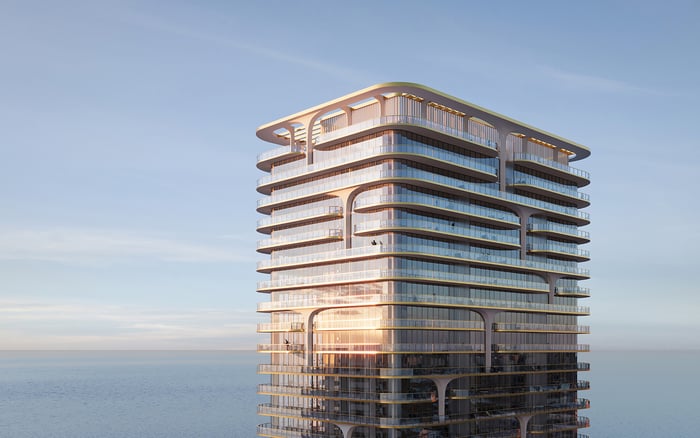
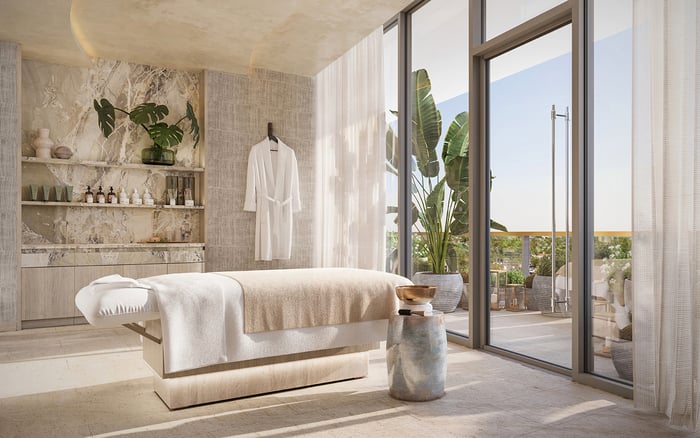
A buyer-focused comparison of Mr. C Residences West Palm Beach and Waldorf Astoria Residences Pompano Beach, examining brand identity, governance discipline, operating standards, location thesis, and long-term resale liquidity.
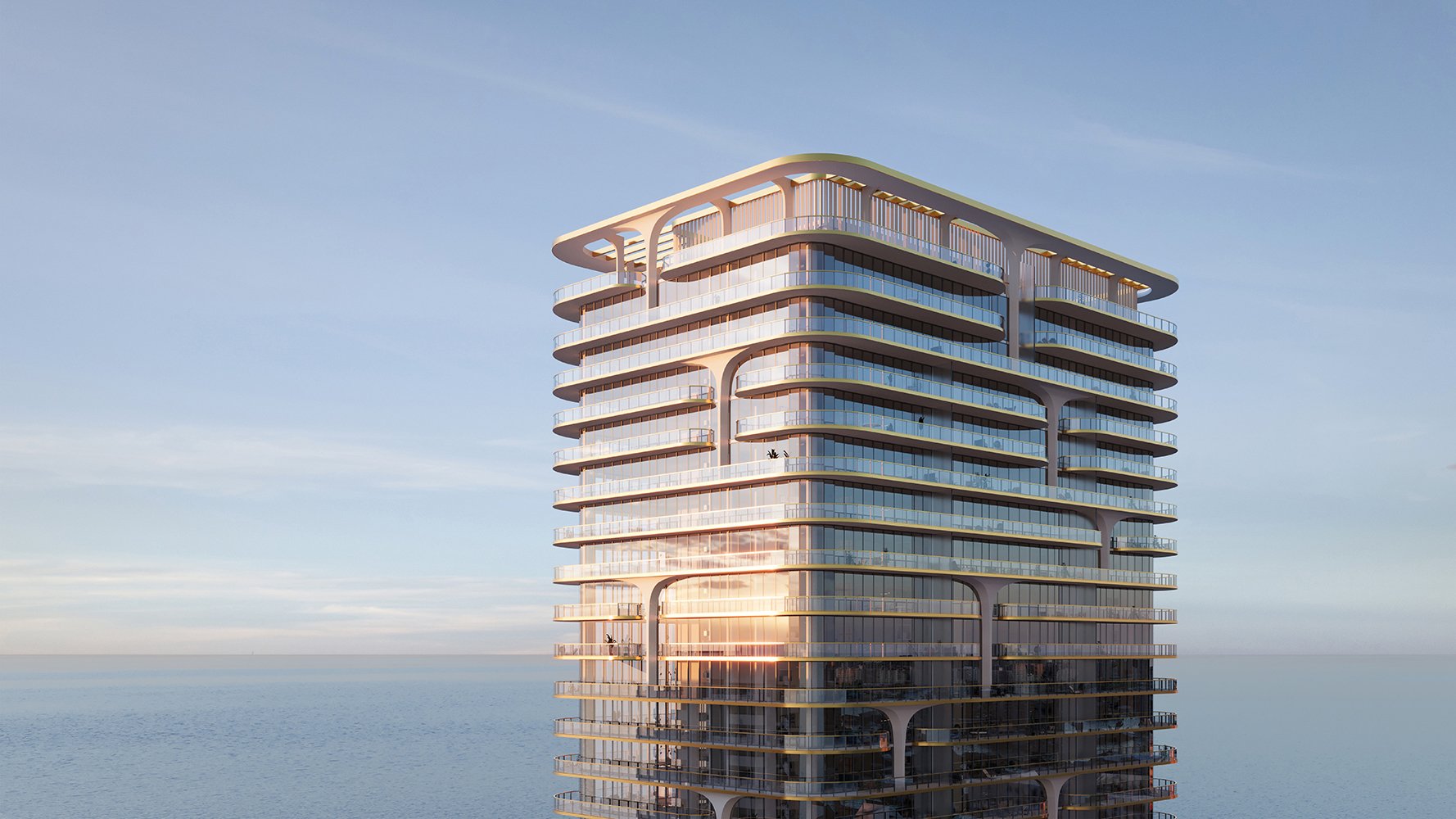
The comparison between Mr. C Residences West Palm Beach and Waldorf Astoria Residences Pompano Beach is not about choosing the more glamorous logo. It is about understanding two distinct forms of luxury risk. One leans into a boutique, lifestyle-driven residential identity in downtown West Palm Beach. The other relies on the familiarity of a globally recognized hospitality name, a coastal resort setting, and the signaling power of the Waldorf Astoria flag.
For a sophisticated buyer, the question is not simply which project feels more prestigious at launch. The sharper question is which ownership thesis may be more durable five to ten years from now, after the first wave of enthusiasm has settled and resale buyers begin comparing buildings by governance, operating costs, service consistency, and market depth.
That is where the quiet trade-off becomes clear. Stronger brand recognition may offer immediate familiarity, but it can also bring tighter expectations, more structured operating discipline, and less tolerance for uneven execution. A boutique-branded residence may offer a more personal design identity and a downtown growth thesis, but its exit value may depend more heavily on the strength of its local market and the depth of buyers who understand the concept.
Mr. C Residences West Palm Beach is framed around a lifestyle hospitality identity rather than a legacy grand-hotel flag. Its appeal is likely to be strongest for buyers who want a more intimate brand vocabulary, a sense of design personality, and proximity to downtown West Palm Beach. In this reading, Mr. C Residences West Palm Beach is not trying to win by being the most universally recognized name. It wins if buyers believe the downtown West Palm Beach story will continue to compound.
Waldorf Astoria Residences Pompano Beach sits on a different axis. Its value proposition centers on broad brand familiarity, codified luxury expectations, and a resort-style residential setting in Pompano Beach. Waldorf Astoria Residences Pompano Beach speaks to the buyer who wants instant recognition, service consistency, and the reassurance of a hospitality identity that travels well across markets.
Neither position is inherently superior. The right answer depends on what the buyer prioritizes: neighborhood trajectory or name recognition, design individuality or hospitality familiarity, urban momentum or coastal lifestyle.
The West Palm Beach argument is fundamentally about trajectory. In a resale environment, liquidity often follows not only building quality, but also the strength and sophistication of the surrounding demand base.
For Mr. C, the strategic case is that a boutique-branded residence in downtown West Palm Beach can benefit from both differentiation and market expansion. The buyer is not merely purchasing a residence with a hospitality association. The buyer is making a judgment about a district whose profile may continue to evolve, with the expectation that future purchasers will value proximity, lifestyle, and access to an urban luxury ecosystem.
The risk is more nuanced. A boutique brand may not generate the same automatic recognition among all buyers as a legacy global flag. That does not weaken the proposition by itself, but it changes the burden of proof. Resale may depend more on how well the building’s identity is maintained, how convincingly the neighborhood continues to mature, and whether future buyers see the brand as distinctive rather than niche.
Pompano Beach carries a different narrative. Buyers may be drawn to the idea of a branded residential setting in a coastal Broward market, especially when a globally recognized hospitality name is attached to the offering.
For Waldorf Astoria, the likely resale argument is straightforward: recognizable brand equity combined with a resort-style ownership thesis. The brand can help reduce explanation risk. A future buyer may not need a lengthy introduction to understand what Waldorf Astoria is intended to represent. That can support liquidity, particularly among buyers who value established hospitality standards and destination-resort signaling.
Yet brand authority is not a substitute for governance discipline. A branded coastal building can carry high expectations around service, maintenance, staffing, presentation, and consistency. If operating standards are not matched by adequate budgets and reserves, the very prestige that attracts buyers can become a source of pressure. In a luxury building, underfunding can show quickly.
Renderings and amenity narratives may sell the first impression, but governance protects the second owner. For both projects, serious buyers should examine the condominium framework with the same care they bring to floor plans and views. Brand agreements, association budgets, reserve philosophy, operating standards, and long-term maintenance obligations can shape the ownership experience as much as the name on the porte cochere.
This is especially important in branded residences because the brand is not merely decorative. It can influence service protocols, design standards, usage expectations, staffing models, and the cost structure required to preserve the experience. The more prominent the brand, the more visible any gap between promise and execution may become.
In a boutique-branded project, governance must protect the building’s personality without allowing standards to become informal. In a legacy-branded project, governance must support a more codified service expectation without letting operating costs drift beyond what the owner base can sustain. Broward buyers evaluating Pompano Beach and Palm Beach County buyers evaluating West Palm Beach should be looking at the same core issue: not just what the building offers, but how those offerings are funded and enforced.
The cleanest way to compare these projects is to imagine the exit conversation. Five to ten years from now, what will a buyer be paying for?
At Mr. C Residences West Palm Beach, the answer is likely to involve downtown West Palm Beach’s growth trajectory, the appeal of a lifestyle-branded residence, and the scarcity of a differentiated residential identity within the local market. The resale buyer may be drawn to the neighborhood as much as to the brand.
At Waldorf Astoria Residences Pompano Beach, the answer is likely to involve the hospitality name, coastal positioning, and the comfort of a resort-style ownership experience. The resale buyer may be drawn to the brand and setting first, then to the broader Pompano Beach story.
That distinction matters. West Palm Beach may offer a deeper downtown growth thesis. Pompano Beach may offer a clearer branded-resort thesis. One depends more on market maturation and buyer conviction. The other depends more on preserving brand standards and sustaining the operating discipline expected from a luxury resort residence.
Mr. C may be the more natural fit for a buyer who values design identity, urban energy, neighborhood momentum, and a less conventional branded residence. It may also appeal to those who are comfortable underwriting the continued rise of downtown West Palm Beach as part of the long-term value case.
Waldorf Astoria may be the more natural fit for a buyer who wants broad brand recognition, a coastal lifestyle, and the implied discipline of a legacy hospitality name. It may also suit owners who prioritize service consistency and the ability to explain the asset quickly to future buyers.
The most important distinction is psychological. Mr. C asks the buyer to believe in a more tailored lifestyle proposition within a rising downtown market. Waldorf Astoria asks the buyer to study how a celebrated brand translates into day-to-day condominium governance. Both can be compelling. Neither should be evaluated on prestige alone.
Is Mr. C Residences West Palm Beach more of a lifestyle play? Yes. Its positioning is more boutique and lifestyle-driven, with resale logic tied to downtown West Palm Beach’s continued growth.
Is Waldorf Astoria Residences Pompano Beach more brand-driven? Yes. Its proposition leans on hospitality recognition, coastal lifestyle, and resort-style luxury signaling.
Which project has the stronger resale argument? They have different resale arguments. Mr. C depends more on market trajectory, while Waldorf Astoria benefits from broader brand recognition.
Why does governance matter so much in branded residences? Governance determines whether service standards, reserves, maintenance, and operating budgets can support the promised luxury experience.
Should buyers focus mainly on amenities? No. Amenities matter, but budgets, reserves, brand agreements, and operating standards often matter more over the ownership period.
Is Pompano Beach relevant for branded luxury buyers? Yes. In this comparison, Pompano Beach is relevant because Waldorf Astoria Residences Pompano Beach presents a branded coastal ownership thesis.
Why is West Palm Beach important in this comparison? West Palm Beach is important because Mr. C Residences West Palm Beach is tied to a downtown lifestyle and growth thesis.
Does a global brand guarantee liquidity? No. It can improve recognition, but liquidity still depends on pricing, governance, operating discipline, and buyer depth.
Does a boutique brand create more risk? It can require more buyer education at resale, but it may also provide differentiation if the location and building identity remain strong.
What is the central trade-off for luxury buyers? The trade-off is between Pompano Beach’s branded-resort thesis and West Palm Beach’s downtown growth thesis.
When you're ready to tour or underwrite the options, connect with MILLION.
If branded residences are on your mind — as a home or as an allocation — we would be glad to share what we are seeing, privately.
Begin a quiet conversation