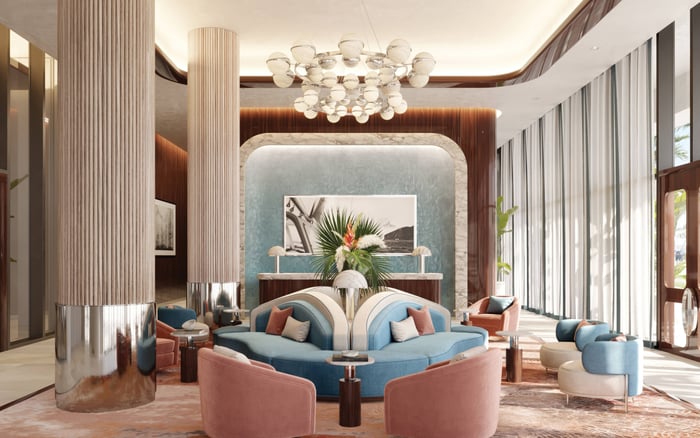
A buyer-focused look at how to compare Mr. C Residences West Palm Beach and The Ritz-Carlton Residences® Pompano Beach through the practical lens of entertaining, kitchen performance, catering logistics, and private dining utility.
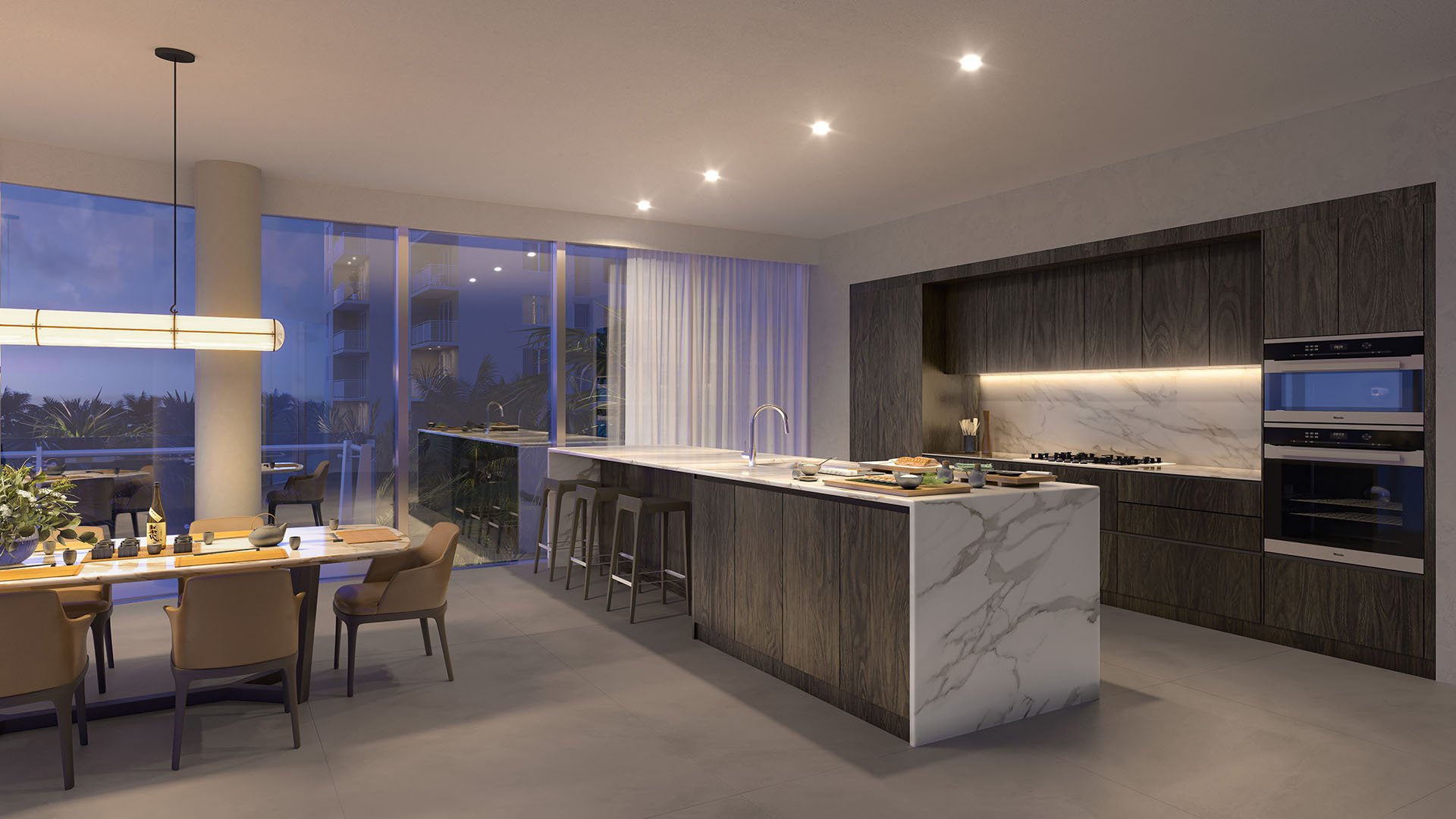
For a South Florida buyer comparing Mr. C Residences West Palm Beach with The Ritz-Carlton Residences® Pompano Beach, the most revealing question is not which residence reads as more glamorous. It is which one performs better on the evening you are hosting twelve people, a chef, a sommelier, and perhaps a second seating that was never on the calendar.
Chef-ready kitchens, catering flow, and private dining rooms are often described in polished language, but they are ultimately operational assets. They determine whether a home feels composed during service, whether staff can move without crossing the social center of the residence, and whether the host can entertain with discretion rather than constant intervention.
This is where underwriting becomes more exacting. A kitchen is not chef-ready simply because it is beautiful. A private dining room is not useful simply because it is photogenic. The strongest entertaining program connects arrival, staging, cooking, plating, service, clearing, and cleanup in a sequence that feels invisible to guests.
A chef-ready kitchen should be judged as a working room first and a design statement second. Buyers should study circulation around the island, the relationship between refrigeration and prep space, the separation of cooking and beverage service, and whether there is enough landing area for plated courses. In luxury residences, the difference between an elegant kitchen and a truly capable one is often measured in inches, door swings, and the ability for two or three people to work without awkward choreography.
For Mr. C Residences West Palm Beach, the underwriting lens should be tied to how an urban lifestyle may shape entertaining. A buyer using the residence for dinners before cultural events, business hosting, or seasonal gatherings should ask whether the kitchen supports both casual day-to-day use and a more formal evening rhythm. West Palm Beach buyers often value polish, proximity, and ease, so the kitchen should not require a complicated reset between breakfast, cocktails, and dinner.
For The Ritz-Carlton Residences® Pompano Beach, the focus may shift toward a resort-like entertaining cadence. Pompano Beach ownership can be deeply connected to relaxed hospitality, waterfront weekends, and longer guest stays. The kitchen should therefore support repeated use over several days, not just one impressive dinner. Storage, secondary refrigeration, pantry depth, and beverage organization become especially important when the residence is expected to host houseguests as well as dinner guests.
Catering flow is where luxury either disappears into ease or announces itself through friction. A buyer should trace the route from arrival to service as if walking with a caterer carrying glassware, floral arrangements, trays, and temperature-sensitive food. The essential question is simple: can everything required for a formal event enter, stage, serve, and exit without turning the main living area into a corridor?
The evaluation should include elevator proximity, service access, package and delivery handling, back-of-house holding areas, and the transition from kitchen to dining. Even when a residence has a beautiful open plan, it may still need a discreet staging zone for prep, rental pieces, coats, wine cases, and cleared plates. Without that buffer, the host pays for elegance but absorbs the operational burden.
In a new-construction setting, buyers should be especially disciplined about reviewing plans early. The best time to understand catering flow is before closing, furniture placement, or custom millwork decisions. A future owner who entertains frequently may want to preserve a wider path between kitchen and dining, select furniture that does not constrict service movement, or identify where a mobile bar, coffee station, or dessert presentation can live without blocking the room.
Private dining rooms can add meaningful value, but only when their role is clearly understood. Some buyers view a private dining room as an extension of the residence, a place to host larger evenings without sacrificing privacy at home. Others see it as a substitute for in-residence entertaining, useful when the guest count exceeds the comfort of the floor plan. The underwriting changes depending on which use case matters most.
If the private dining room functions as an amenity, the buyer should ask how naturally it fits into life at the property. Is it appropriate for a family dinner, a business meal, a birthday, or a catered tasting? Does the atmosphere feel residential rather than banquet-like? Can guests arrive with a sense of occasion without navigating a space that feels too public? The best private dining rooms have the intimacy of a club room and the logistics of a well-run hospitality venue.
For a buyer comparing Mr. C Residences West Palm Beach and The Ritz-Carlton Residences® Pompano Beach, the key distinction is not simply whether private dining exists as a concept. It is whether that dining experience aligns with how the owner actually entertains. A Palm Beach County social calendar, a Broward beach residence rhythm, a second-home family pattern, and a business-hosting lifestyle can each point to a different ideal answer.
Start with frequency. If you host once or twice a season, a beautiful kitchen and access to a private dining setting may be enough. If you host twice a month, the operational details become more material. Repeated entertaining exposes weak circulation, shallow storage, inconvenient cleanup, and any lack of staging space.
Then consider staff. A residence that works for an owner-cook may not work as gracefully for a private chef, bartender, server, and cleanup team. Chef-ready does not mean professional-grade in a theatrical sense. It means intuitive, durable, and properly sequenced. It should allow the owner to remain present with guests while the work of hospitality continues without visible interruption.
Guest profile also matters. Business dinners reward acoustic control, formal seating, and a sense of privacy. Family holidays require serving flexibility, children moving in and out of the kitchen, and overflow space. Cocktail evenings need beverage logic, small-bite staging, and circulation that does not trap people at the island. A serious investment buyer should underwrite these patterns because they shape both daily enjoyment and future appeal.
Before committing, ask for a floor plan review focused only on entertaining. Set aside the primary suite, views, and finishes for a moment. Study how a catered dinner would actually happen. Where does food arrive? Where do boxes go? Where are coats placed? Can staff clear plates without crossing the main conversation area? Is there a natural place for coffee after dinner? Can the dining table expand without compromising circulation?
Also ask how the residence will live when no event is happening. The best luxury kitchens do not feel overbuilt on quiet mornings. The best private dining rooms do not feel irrelevant between formal occasions. The right choice supports both daily life and elevated hospitality, which is why this comparison should be as practical as it is aesthetic.
MILLION buyers should treat the decision as a test of rhythm. Mr. C Residences West Palm Beach may appeal to those who imagine a more urban, socially connected entertaining pattern. The Ritz-Carlton Residences® Pompano Beach may speak to those who want the hospitality language of a coastal residence with longer stays and a relaxed but refined hosting style. The better answer depends on the buyer’s own calendar.
What is the first kitchen question to ask? Ask whether the kitchen supports daily living, staffed dinner service, or both. The answer will clarify whether beauty and performance are aligned.
What makes a kitchen chef-ready? A chef-ready kitchen has logical prep space, strong circulation, storage, ventilation, and service paths. It should reduce friction when more than one person is working.
Why does catering flow matter in a luxury residence? Catering flow determines whether hosting feels effortless or exposed. It affects arrivals, staging, service, clearing, and cleanup.
Should private dining rooms influence resale thinking? Yes, when they serve a real lifestyle purpose. Buyers value amenity spaces most when they are intimate, usable, and practical for the way residents entertain.
Is an open kitchen always better for entertaining? Not always. Open kitchens are social, but they need concealed staging and cleanup strategies to avoid visual clutter during formal service.
How should second-home buyers evaluate these features? They should consider guest stays, repeated meals, storage needs, and ease of hosting over several days. Weekend use can be more demanding than it appears.
Does new construction change the underwriting process? Yes, because early plan review may influence furniture, storage, and service decisions. Small adjustments can materially improve entertaining flow.
What should a private chef review before purchase? A chef should review appliance layout, landing zones, pantry capacity, refrigeration, and the route from kitchen to table. Circulation is as important as finish quality.
Which project is better for formal dinners? The better choice depends on the residence plan, amenity access, and how the owner hosts. Formal dining requires privacy, acoustics, service logic, and staging.
How should buyers compare Mr. C Residences West Palm Beach and The Ritz-Carlton Residences® Pompano Beach? Compare them through the actual rhythm of ownership, not brand language alone. The best fit is the one that makes hosting feel natural.
For a discreet conversation and a curated building-by-building shortlist, connect with MILLION.
If branded residences are on your mind — as a home or as an allocation — we would be glad to share what we are seeing, privately.
Begin a quiet conversation