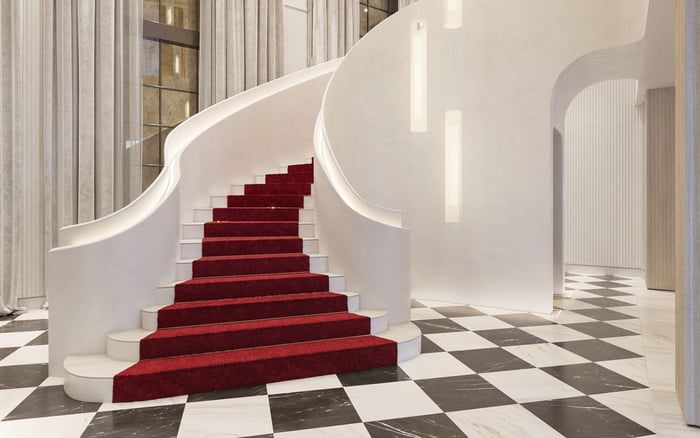
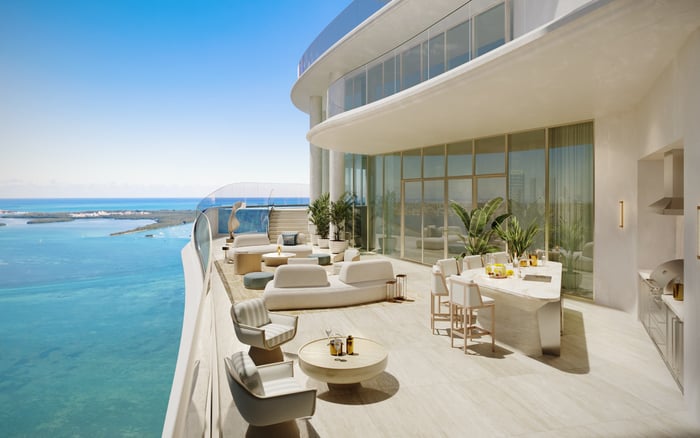
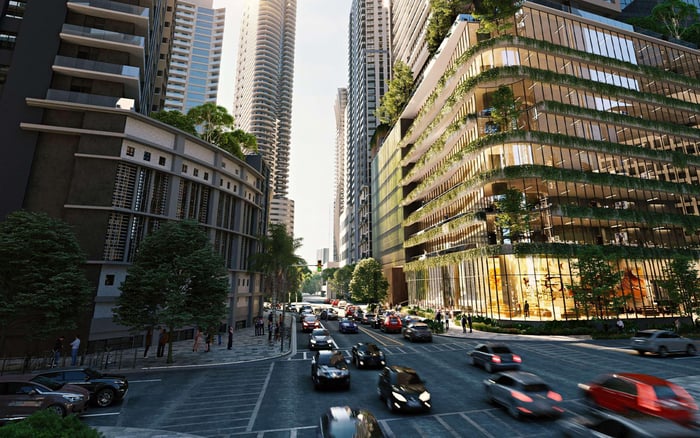
For South Florida’s luxury buyers, the most persuasive feature may be certainty: a completed tower where execution, operations, views and daily life can be judged in person.
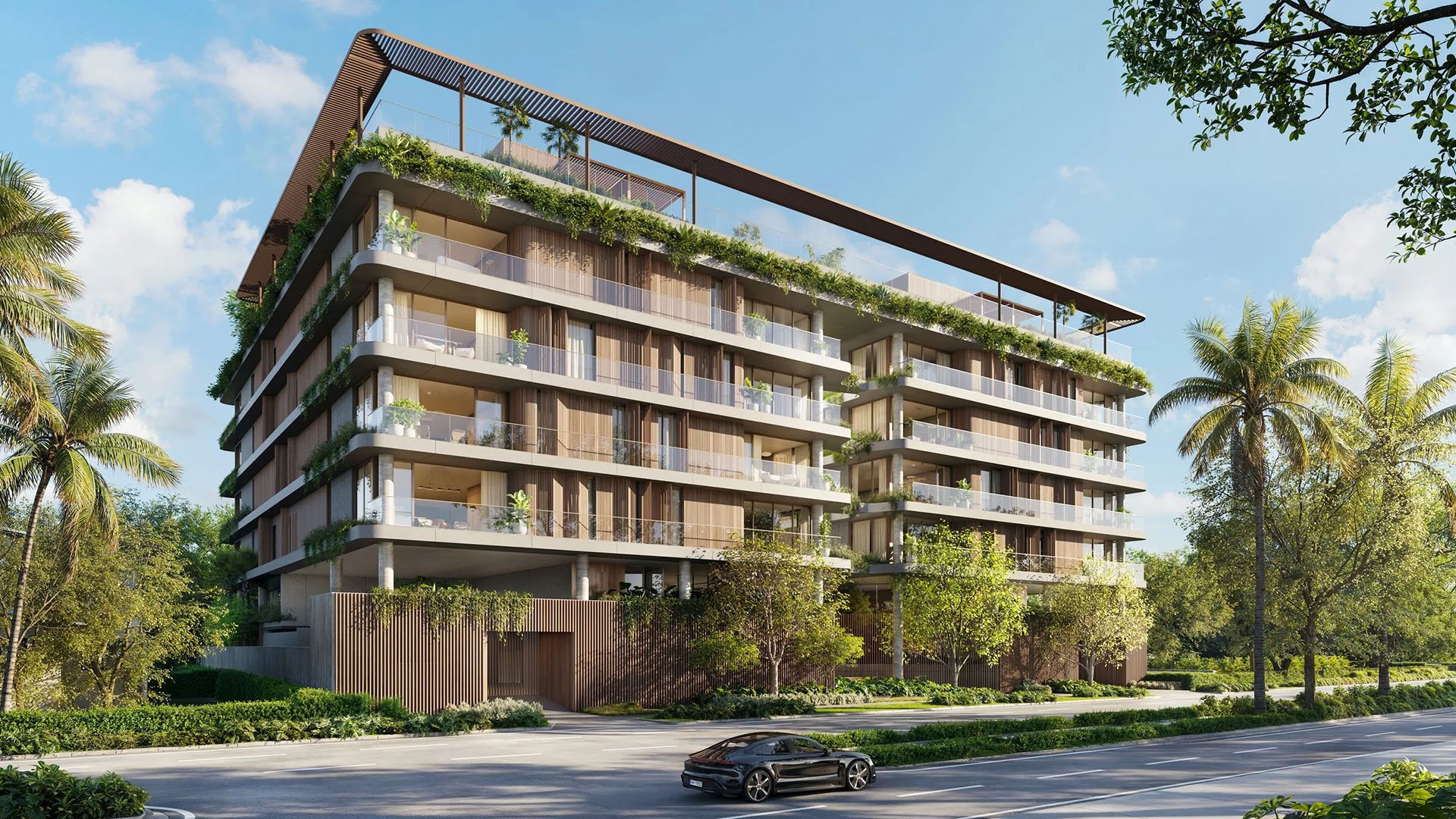
In South Florida’s luxury condominium market, the conversation has matured. Buyers still care about pools, wellness suites, private dining rooms, club lounges and arrival sequences, but the most sophisticated purchasers are asking a quieter, more consequential question: what is already real?
A completed tower answers in a way no rendering can. It allows a buyer to stand in the lobby, assess the elevator ride, feel the proportions of the residence, study the light at different times of day and understand how the building actually lives. That is not a rejection of ambition. It is a preference for certainty, particularly when the purchase is measured not only in dollars, but in time, privacy, family comfort and long-term confidence.
The appeal is especially clear for buyers who have already owned trophy property. They tend to be less dazzled by another amenity floor and more focused on execution. A beautiful promise may initiate interest, but a finished building can resolve doubt.
Completion brings the invisible parts of a residential experience into view. A sales gallery can communicate design intent, but a completed tower shows whether that intent translated into daily elegance. Are the common spaces calm or crowded? Does the arrival feel private? Is the lobby staffed with the poise expected at the price point? Do the corridors, doors, lighting and acoustic details support the level of quiet the buyer expects?
Inside the residence, completion reveals proportion. Ceiling height is not just a number on a plan; it is the way a room breathes. A terrace is not only a dimension; it is an outdoor room shaped by exposure, depth, privacy and wind. A waterview is not simply a view category; it is an experience that changes with light, neighboring structures and the relationship between interior space and horizon.
For buyers considering high floors, completion can be particularly clarifying. The premium for elevation is often tied to outlook, privacy and drama, but the only way to fully understand those qualities is to occupy the perspective. A finished residence lets the buyer compare expectation with reality before making the final commitment.
Amenity programming remains important, but it is rarely the whole answer. In the luxury segment, more is not always better. A building can advertise extensive social and wellness spaces while still leaving buyers uncertain about staffing, maintenance discipline, resident culture and the pace of daily use.
The highest-end buyer often prefers fewer surprises over more features. An additional amenity level may sound compelling, but it does not necessarily answer whether the building will feel serene on a holiday weekend, whether service will be intuitive, or whether the residence itself will perform as a private retreat. The true measure is not the number of spaces, but the quality of the experience they create.
This is where completed-tower confidence becomes an amenity of its own. It is the luxury of observation. A buyer can see how residents move through the property, how the building presents after opening and whether the public areas still feel composed after initial occupancy. That information is valuable because it cannot be fully captured in renderings or brand language.
In a market such as Brickell, where design, convenience and vertical living intersect, a completed tower can provide a particularly useful lens. The buyer is not simply comparing kitchens, terraces and spa facilities. The buyer is evaluating the lived reality of the address: the rhythm of entry and exit, the sense of privacy within density and the durability of the building’s identity.
Resale thinking also becomes more disciplined once a tower is complete. Buyers can evaluate how the building competes within its peer set, how specific lines feel in person and how the property’s atmosphere compares with its original promise. This is not only a financial exercise. It is a lifestyle audit with investment consequences.
A polished but incomplete concept can still be attractive. Yet a finished building gives buyers more evidence. It allows them to test whether the residence feels appropriate as a primary home, a seasonal base or a long-hold asset. The more discretionary the purchase, the more important that evidence becomes.
The strongest buyers approach a completed tower with a precise eye. They study the arrival experience first because it often reveals the building’s standards. They pay attention to security, valet choreography, front desk presence and the feeling of transition from public street to private world.
They then move through the amenities with restraint. Instead of asking how many spaces exist, they ask whether the spaces are likely to be used well. A beautifully designed lounge that feels natural and intimate may matter more than a larger facility without soul. A wellness area that supports daily rituals may outperform a showpiece room that photographs better than it functions.
Inside the residence, they look beyond finishes. They consider storage, circulation, primary suite separation, kitchen placement, terrace usability and the relationship between entertaining areas and private rooms. They listen for sound. They study exposure. They ask how the home will feel during quiet mornings, family visits and formal evenings.
The best due diligence also includes a calm assessment of ongoing obligations. Luxury ownership is not only the purchase price. It is the operating character of the building, the quality of management and the degree to which the tower can maintain its atmosphere over time.
Pre-construction is not diminished by the rise of completed-tower confidence. It still has a role for buyers who value early selection, design participation, preferred lines and the possibility of securing a residence before the broader market fully processes the opportunity. New construction can be especially compelling when the buyer has patience, conviction and a clear understanding of the trade-offs.
The key is alignment. A buyer choosing pre-construction should be comfortable with time, execution risk and the fact that certain qualities cannot be fully judged until delivery. The decision can be intelligent when the basis is attractive, the design vision is clear and the purchaser does not require immediate occupancy.
Yet for buyers who prioritize certainty, a completed tower may justify a premium. The finished product reduces abstraction. It lets a family choose not only a floor plan, but a real atmosphere. At the top of the market, that distinction matters.
The next phase of luxury buying is less about rejecting amenities and more about ranking confidence correctly. A resort-caliber amenity program can enrich ownership, but it cannot replace the assurance of a building that has already proven its architecture, service choreography and residential mood.
Completed-tower confidence is especially powerful for buyers who want to move decisively. It gives them the ability to compare, negotiate and close with a fuller sense of what they are buying. In a region defined by waterfront aspiration, skyline living and exacting global demand, that clarity is not modest. It is one of the most refined advantages available.
Why does completed-tower confidence matter? It allows buyers to evaluate real execution, not projected design alone. The residence, amenities and service environment can be experienced directly.
Does this mean amenities are less important? No. Amenities still matter, but their value depends on quality, usability and operational consistency rather than sheer quantity.
What should buyers inspect first in a completed tower? The arrival experience is often the clearest signal. Lobby presence, staffing, privacy and circulation reveal much about the building’s standard.
Are completed residences better for second-home buyers? They can be, especially when a buyer wants immediate clarity on lifestyle, views and service. Certainty is useful when time in residence is limited.
How does completion affect valuation judgment? It gives buyers more evidence for comparing a property with its peers. That can support more disciplined pricing decisions.
Can pre-construction still be the right choice? Yes. It can suit buyers who value early selection, patience and participation in a project before delivery.
Why are views easier to judge after completion? A finished residence shows actual exposure, neighboring context and light. Renderings cannot fully replicate that experience.
Do high floors always justify a premium? Not always. The premium should be tested against the actual view, privacy, layout and daily comfort of the residence.
What makes resale analysis stronger in a completed tower? Buyers can judge the building’s identity, condition and resident experience in real time. That makes comparisons more grounded.
How should a buyer balance certainty and opportunity? The right balance depends on timing, risk tolerance and lifestyle needs. A completed tower favors certainty, while early buying may favor optionality.
For a confidential assessment and a building-by-building shortlist, connect with MILLION.
If branded residences are on your mind — as a home or as an allocation — we would be glad to share what we are seeing, privately.
Begin a quiet conversation