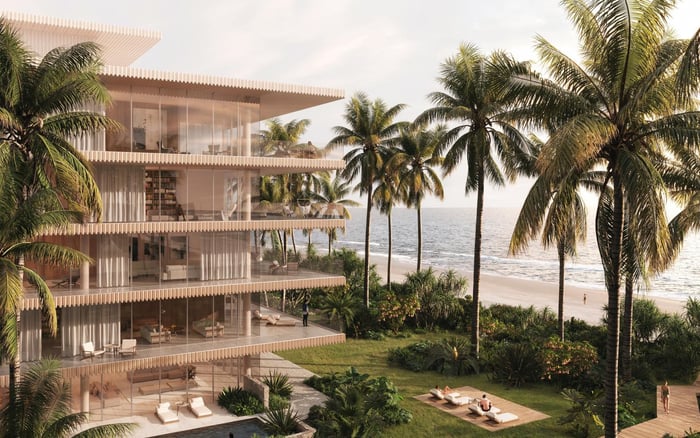
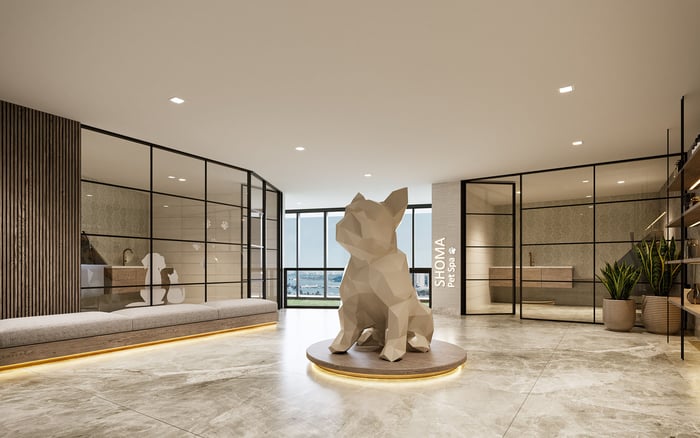
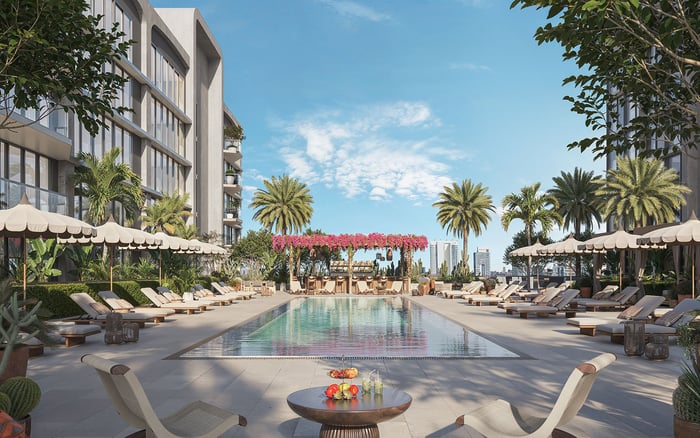
A buyer-focused editorial on why thoughtful grill rules can enhance safety, serenity, air quality, and hospitality-level consistency at Mr. C Residences West Palm Beach.
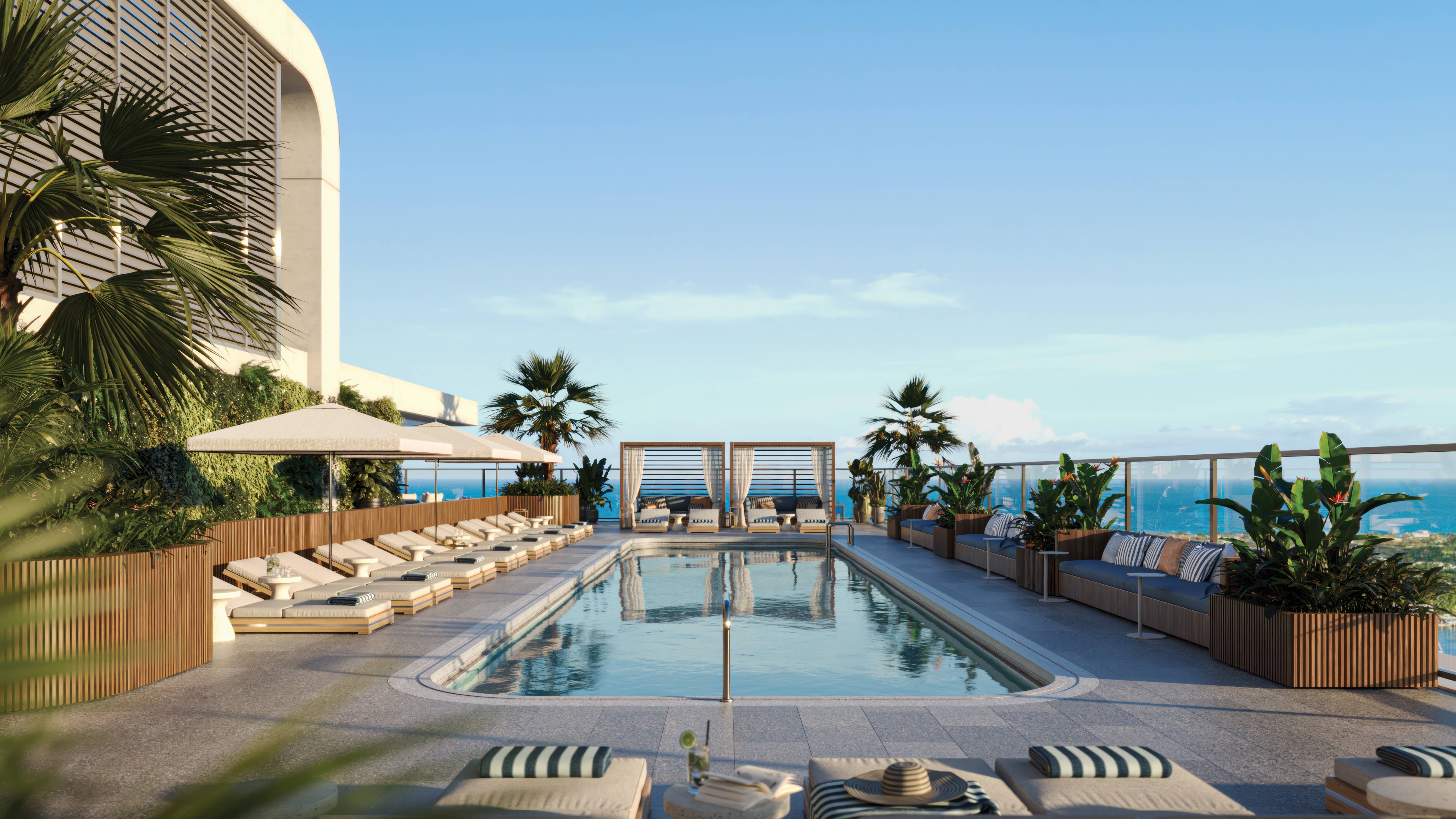
At first glance, grill rules can read like a minor operational footnote. For the buyer considering Mr. C Residences West Palm Beach, they belong to a larger luxury conversation: how a building protects pleasure, privacy, and daily ease when many outdoor rooms are stacked in the sky.
South Florida buyers prize outdoor living. A generous terrace, morning coffee in open air, and an evening drink with a breeze are not extras in this market. They are central to the residential promise. Yet the same setting that makes terrace life so desirable also makes private balcony grilling more complex. Smoke travels. Odors drift. Equipment becomes visible. One resident’s casual barbecue can become another resident’s interrupted dinner.
That is why thoughtful grill limits, if adopted by a high-rise condominium, should not automatically be read as a subtraction. In a hospitality-minded residence, restraint can be the point. Quiet luxury is rarely about doing everything yourself. It is about having the environment curated so well that friction disappears.
Quiet luxury depends on consistency. The lobby, pool deck, corridors, residences, and terraces all contribute to a single impression. A building can invest heavily in architecture and service, then lose a measure of calm if balconies begin to read as improvised outdoor kitchens, storage ledges, and smoke sources.
For a West Palm Beach buyer, the value proposition is not simply square footage in the air. It is the ability to live in a composed environment where staff, design, operations, and resident behavior align. Grill rules may support that alignment by reducing visual clutter, limiting odors, and helping preserve the architectural silhouette from the street, neighboring residences, and shared amenity areas.
This is especially relevant in new-construction luxury condominium culture, where buyers are not only purchasing an interior but also buying into a managed experience. The best buildings increasingly treat policies as part of the amenity package. They shape how residents share air, views, sound, and space.
Many South Florida condominium buyers arrive from private homes, estates, or seasonal residences where grilling is part of backyard life. In that context, a grill sits in an open yard, smoke disperses more freely, and the owner controls most of the surrounding environment.
A high-rise is different. Terraces are layered above and beside one another. Mechanical systems, fire protocols, façade standards, and neighbor comfort all become intertwined. A grill on one balcony may affect residences several floors away, particularly when wind conditions change. Even when the activity feels private, its impact is shared.
That distinction matters for buyers comparing West Palm Beach options such as Alba West Palm Beach, Forté on Flagler West Palm Beach, and other luxury residences along the waterfront and downtown corridors. The question is not whether outdoor life matters. It is how each building defines outdoor life so that one owner’s preference does not diminish another owner’s enjoyment.
In a luxury condominium, rules are often judged by how they feel in practice. A restrictive policy can feel bureaucratic when it is poorly explained or inconsistently enforced. The same policy can feel elevated when it clearly protects safety, comfort, and brand-level order.
Grill rules can belong in that second category. They may support fire safety by limiting heat sources on private balconies. They may improve air quality by preventing smoke from entering neighboring terraces and open doors. They may also reduce operational issues for management teams tasked with keeping common and private-adjacent spaces calm, clean, and predictable.
Most importantly, they can shift outdoor dining away from do-it-yourself fragmentation and toward shared or professionally curated experiences. That approach is consistent with a service-oriented residence, where the pleasure is not in managing equipment but in having the meal, setting, and atmosphere handled with discretion.
The most sophisticated buyers do not want a lifeless building. They want a building where life is elegantly choreographed. A terrace should feel like an extension of the residence, not a competing utility zone. Chairs, plantings, and dining moments can contribute to a refined outdoor room. Smoke, fuel storage, mismatched appliances, and improvised setups can undermine it.
This is where the quiet-luxury case becomes strongest. A well-considered grill policy may protect the very thing residents paid for: the ability to open a door and enjoy fresh air, water views, city light, or garden atmosphere without negotiating a neighbor’s dinner smoke.
Across South Florida, luxury buyers already understand the difference between private abundance and shared discipline. In Brickell, for example, Cipriani Residences Brickell speaks to a buyer who appreciates brand, service, and atmosphere. In West Palm Beach, The Ritz-Carlton Residences® West Palm Beach similarly reflects the broader appetite for managed residential ease. The details differ by building, but the underlying principle is familiar: premium living often depends on invisible coordination.
Because the available project information should not be stretched into a claim about a specific current grill policy, buyers should treat this subject as a practical due diligence item. The right question is not simply, “Can I grill?” It is, “How does the building manage outdoor cooking, smoke, terrace appearance, and resident comfort?”
Prospective owners should review condominium documents, terrace-use provisions, house rules, and amenity programming when available. They should ask whether any shared outdoor dining areas are contemplated, whether private cooking equipment is limited, and how policies are communicated and enforced. A discreet rule that is consistently administered is very different from an unclear restriction that becomes a source of resident tension.
The broader lesson is that quiet luxury is operational. It lives in the small decisions that prevent daily irritation. Grill rules may seem minor until they protect a sunset dinner, a guest visit, a child’s nap, a wellness routine, or an open-air evening after travel.
Luxury buyers often focus on finishes, views, brand, and location. Yet long-term desirability also depends on how well a building preserves its atmosphere. Policies that reduce balcony clutter and support a consistent façade may help sustain the perception of order. Rules that protect air quality and neighbor comfort may reduce complaints. Standards that favor curated shared experiences may reinforce the service identity that drew buyers in the first place.
That does not mean every buyer will prefer limits. Some will want the autonomy of a single-family home and should be honest about that preference. But for the resident who values service, privacy, wellness, and calm, a well-designed grill policy can feel less like a prohibition and more like a promise.
At Mr. C Residences West Palm Beach, the editorial case for grill rules is not about denying outdoor living. It is about preserving it at a higher level. The true luxury is not the right to create smoke on command. It is the confidence that the air, views, terraces, and shared experience remain composed for everyone.
Does Mr. C Residences West Palm Beach have a verified private grill policy? The provided project information does not verify a specific grill policy. Buyers should review current condominium documents and rules directly before making assumptions.
Why would a luxury building limit balcony grilling? Individual balcony grilling can affect fire safety, air quality, building operations, and neighbor comfort. In a high-rise, private actions often have shared consequences.
Are grill rules anti-luxury? Not necessarily. In a professionally managed residence, rules can support quiet luxury by protecting serenity, service standards, and the overall atmosphere.
What should former single-family homeowners consider? A backyard and a high-rise terrace operate differently. Buyers moving from houses should recalibrate expectations around outdoor cooking and shared air space.
Can outdoor dining still feel generous without private grills? Yes. Many luxury residents value curated dining, shared amenity settings, and service-led experiences over maintaining private cooking equipment.
How do grill rules protect terrace enjoyment? They may reduce smoke, odors, clutter, and conflicts between neighbors. The result can be a calmer, more predictable outdoor environment.
Should buyers ask about shared grilling or dining amenities? Yes. If outdoor cooking matters, buyers should ask how the building supports it through amenities, programming, or approved locations.
Do grill rules affect architectural presentation? They can. Limiting visible equipment and inconsistent balcony setups may help preserve a cleaner façade and more refined exterior identity.
Is this issue unique to West Palm Beach? No. It applies across South Florida luxury condominiums where outdoor living, stacked terraces, and hospitality-style management intersect.
What is the main buyer takeaway? Grill rules should be evaluated as part of the building’s service culture, not just as a restriction. The best policies protect comfort for all residents.
To compare the best-fit options with clarity, connect with MILLION.
If branded residences are on your mind — as a home or as an allocation — we would be glad to share what we are seeing, privately.
Begin a quiet conversation