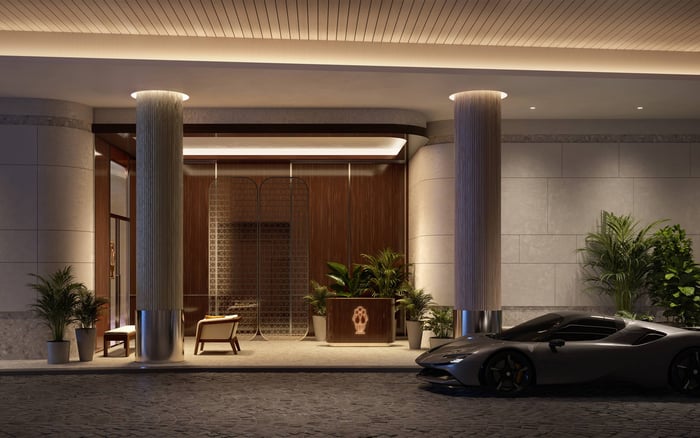
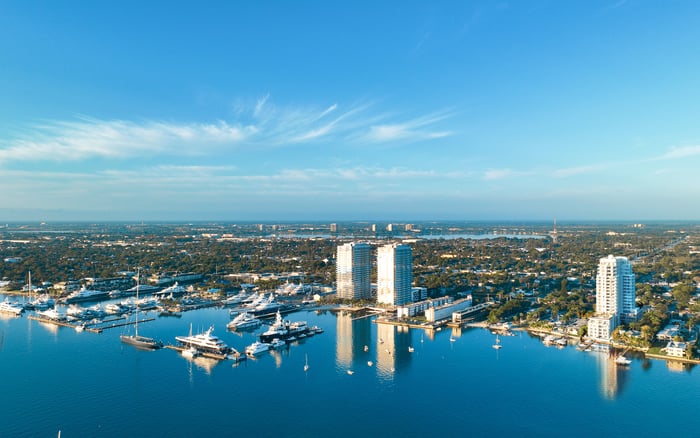
A discreet buyer’s guide to the real lock-and-leave question at Mr. C Residences West Palm Beach: what art-minded seasonal owners should ask before trusting museum-grade humidity language.
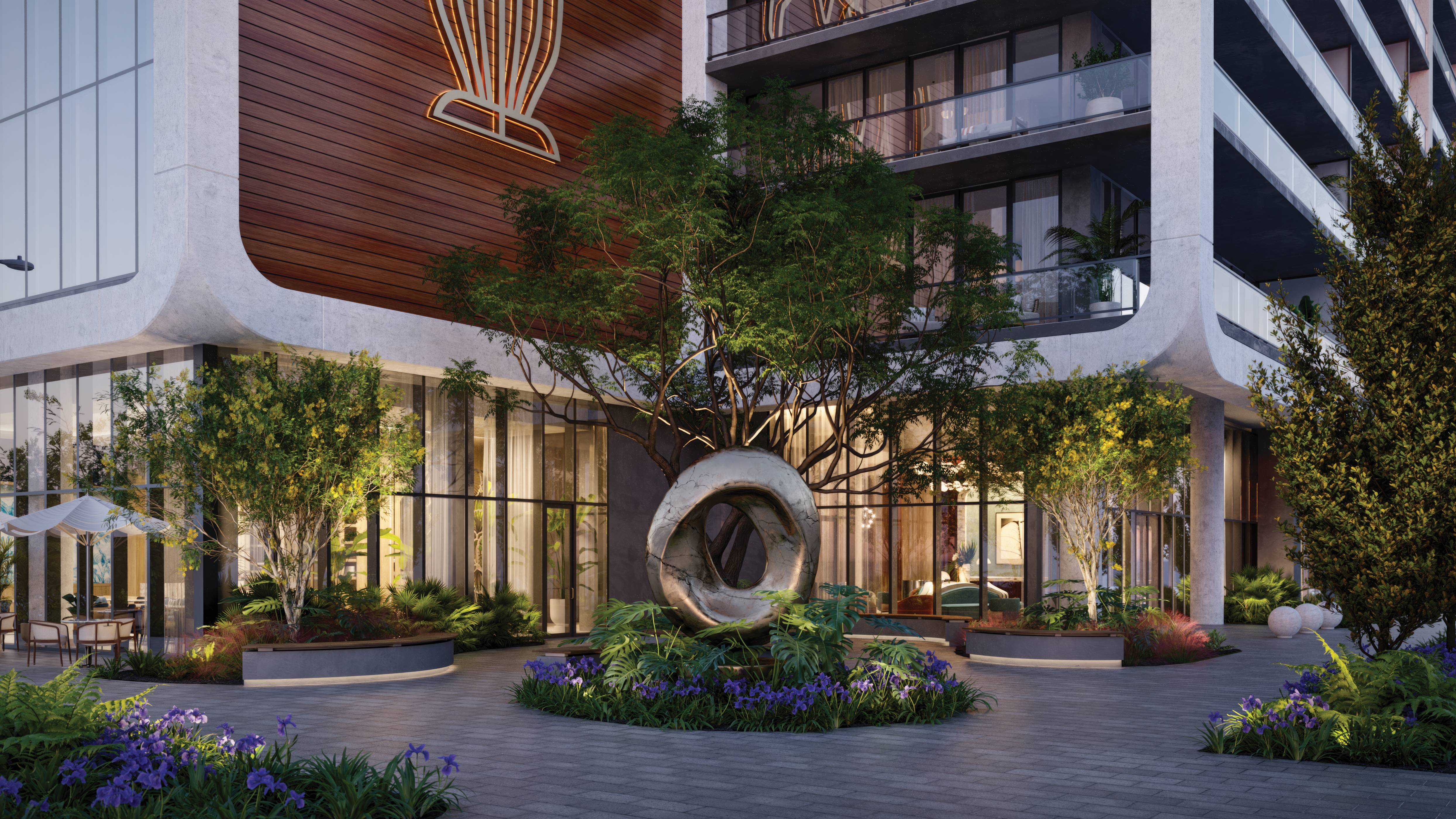
For the seasonal buyer, luxury in South Florida is no longer measured only by arrival. It is measured by absence. A residence may look immaculate during a winter showing, but the more revealing test comes in August, when the owner is away and the apartment is quietly holding art, lacquered millwork, delicate fabrics, leather, books, stone, and furniture.
That is the serious question behind Mr. C Residences West Palm Beach. The project belongs to a West Palm Beach luxury condo conversation where convenience, views, brand identity, and service are increasingly expected to merge into a low-friction second-home experience. Its Mr. C positioning carries a hospitality-led lifestyle language. For many buyers, that identity is central to the appeal.
But hospitality polish and long-term environmental stability are different disciplines. The phrase “museum-grade humidity” sounds reassuring, especially to collectors. In a humid coastal climate, however, it should be treated less as an adjective than as a due-diligence prompt.
Lock-and-leave ownership is not simply a doorman, a key held by management, and the comfort of returning to a made-up residence. For an art-collecting owner, it means leaving significant personal property unattended for months while expecting the building, the unit systems, the association framework, and the owner’s own settings to perform in unison.
That is a demanding standard. South Florida’s climate asks more of a high-rise than many seasonal buyers initially appreciate. Humidity control is not just a mechanical feature; it is an operating culture. The HVAC design matters. Building staff protocols matter. Association documents and maintenance obligations matter. So does the owner’s behavior before departure: thermostat settings, closed doors, service access, monitoring permissions, and response plans.
The buyer’s question should not be, “Does the building have humidity control?” It should be, “Who is responsible for maintaining stable conditions when I am not here, how is that stability defined, and what evidence will I receive if conditions drift?”
“Museum-grade” should never remain a mood-board phrase. A sophisticated buyer should ask for measurable language. Not necessarily public marketing language, but operational language: what is being controlled, where it is measured, how readings are monitored, who receives alerts, and what happens after an alert.
The key distinction is between comfort and conservation. A residence can feel comfortable for guests and still be inconsistent for sensitive materials over a long absence. Art, vintage furniture, specialty wallcoverings, wine storage areas, rare books, rugs, and high-gloss finishes can all respond poorly to extended swings in interior conditions. The concern is not theatrical. It is practical.
A buyer considering Mr. C Residences West Palm Beach should request clarity before relying on the phrase. Are there written standards for vacant-unit conditions? Is there a building-level expectation for owners who leave for a season? Can staff enter if a system issue is suspected? Are there documented procedures for communication, escalation, and remediation? If an owner installs specialty art lighting, additional built-ins, or custom finishes, does that alter the humidity conversation?
These are not adversarial questions. They are the questions that separate branded comfort from asset stewardship.
West Palm Beach has become a more serious stage for residential luxury. Buyers are often comparing more than floor plans. They are comparing the credibility of lifestyle, privacy, service, and ownership ease. Nearby projects such as Forté on Flagler West Palm Beach and Alba West Palm Beach underscore how the market has matured around waterfront proximity and refined residential expectations.
That maturity raises the bar for every branded residence. A name can open the door, but it cannot replace technical evidence. Buyers who already own homes in multiple cities understand the difference. They may value hospitality-style service, but they also know the home must perform through the months between arrivals.
In this sense, Mr. C Residences West Palm Beach is part of a broader branded-residence movement in South Florida, where service identity is being used to distinguish new luxury condominiums. For buyers comparing branded living across Miami-Dade, Broward, and Palm Beach, the real test is whether the residence can support absence as gracefully as arrival.
The most credible lock-and-leave structure is not based on a single promise. It is based on alignment. The condominium association must know what it is responsible for. Building staff must have defined access and escalation protocols. Mechanical systems must be designed and maintained for South Florida conditions. Owners must understand what settings, inspections, and permissions are required during absence.
This is where luxury buyers should read beyond amenity language. A residence may offer service, privacy, and elegance, but the legal and operational documents will reveal how much of the promise is enforceable. If an owner expects staff to protect valuable interiors while away, the buyer should understand whether that expectation is supported by documents, optional services, or informal goodwill.
The most refined comparison is not between branded and unbranded. It is between disciplined and vague. A brand can elevate the experience, just as The Ritz-Carlton Residences® West Palm Beach speaks to a service-conscious buyer. Yet even in the strongest service environments, environmental control depends on precise roles and follow-through.
For market taxonomy, this is a West Palm Beach question. For the owner, it is a preservation question.
Before signing, a seasonal owner should ask for the language behind the lifestyle. What does “museum-grade humidity” mean in the context of this building? Is the phrase tied to unit interiors, common areas, storage, or a general comfort philosophy? Is monitoring continuous or periodic? Who sees the data? What happens during power interruptions, service appointments, storms, or extended vacancy?
The owner should also ask how custom interiors are treated. A developer’s standard residence and a collector’s finished home can be different environments. Once a buyer adds art walls, millwork, textiles, antiques, and specialty lighting, the performance requirement becomes more personal. The best planning happens before installation, not after a summer problem reveals itself.
This is the new luxury grammar of South Florida condominiums: beauty, service, and quiet technical competence. Mr. C Residences West Palm Beach may attract buyers through brand affinity and the promise of effortless living. The most prepared buyer will still ask for proof.
What is the main lock-and-leave question at Mr. C Residences West Palm Beach? Whether the building, staff, association framework, and owner settings can protect interiors during long seasonal absences.
Why does humidity matter so much for seasonal owners? Art, furniture, finishes, books, rugs, and fabrics can be sensitive to prolonged interior instability in South Florida’s climate.
Should buyers accept “museum-grade humidity” as a marketing phrase? No. Buyers should ask what it means in measurable, operational, and documented terms before relying on it.
Is hospitality-style service the same as conservation-level environmental control? No. Service can improve ownership ease, but humidity stability depends on engineering, procedures, documents, and owner conduct.
What should art collectors ask before closing? They should ask how humidity is monitored, who receives alerts, what response protocols exist, and what obligations apply to vacant units.
Does the owner still have responsibilities when away? Yes. Thermostat settings, access permissions, inspections, and maintenance choices can all affect long-term interior stability.
Why is West Palm Beach relevant to this conversation? Its luxury condo market increasingly serves seasonal and global buyers who expect brand prestige with low-friction ownership.
How does the Mr. C brand influence buyer expectations? It brings a hospitality identity, but technical performance still requires separate verification.
Can association documents affect lock-and-leave confidence? Yes. Documents can clarify responsibilities, access rights, service limits, and the procedures followed when owners are absent.
What is the best way to shortlist comparable options for touring? Start with location fit, delivery status, and daily lifestyle priorities, then compare stacks and elevations to validate views and privacy.
For a confidential assessment and a building-by-building shortlist, connect with MILLION.
If branded residences are on your mind — as a home or as an allocation — we would be glad to share what we are seeing, privately.
Begin a quiet conversation