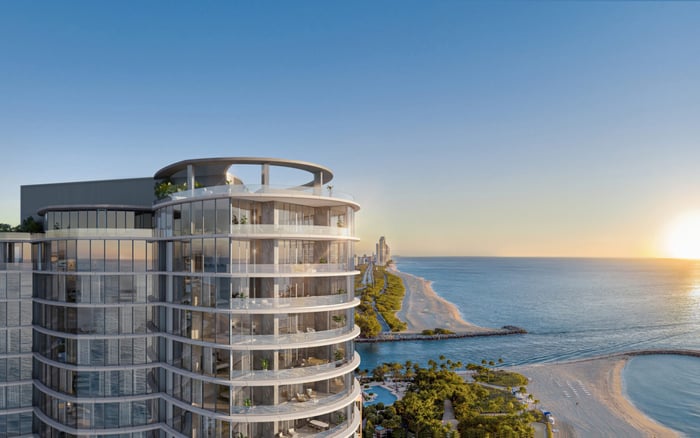
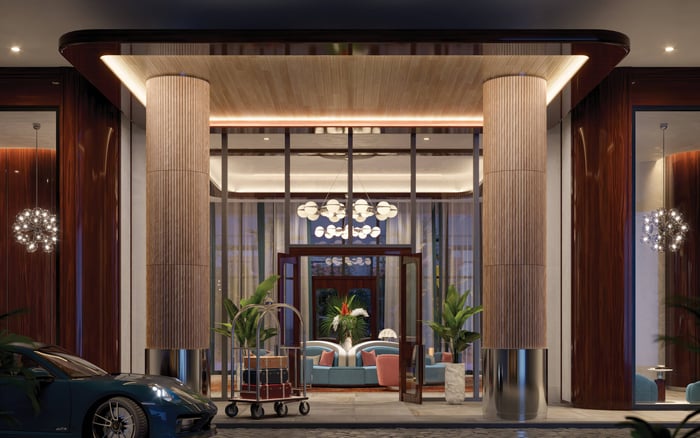
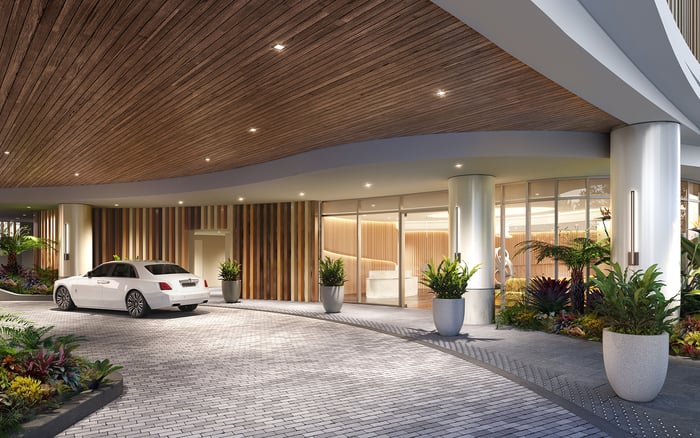
A buyer-focused due-diligence guide to evaluating chef-ready kitchens, catering circulation, and private dining rooms at Mr. C Residences West Palm Beach and Rivage Bal Harbour.
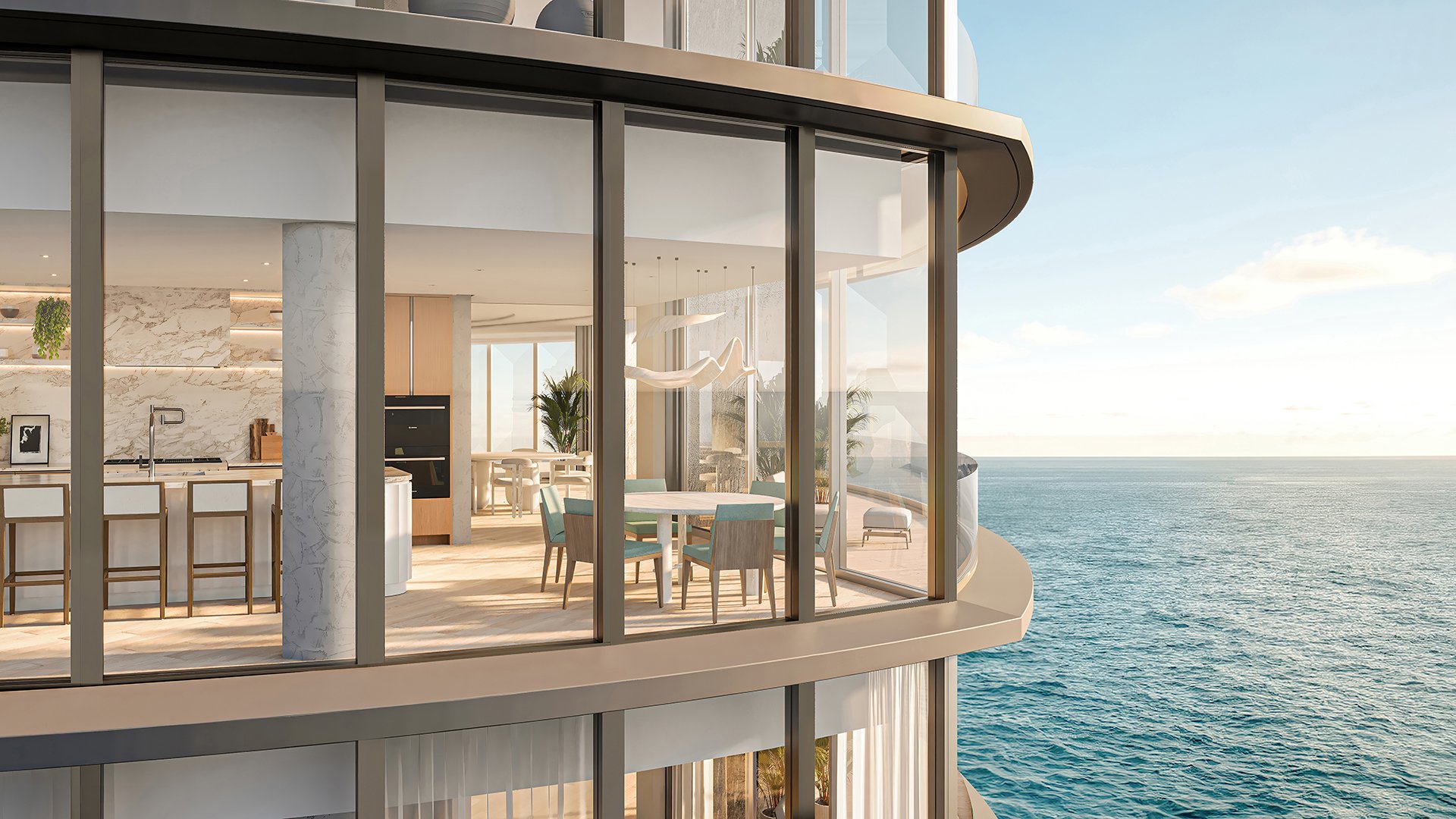
For many South Florida luxury buyers, the kitchen is no longer a back-of-house detail. It is a performance space, family room, staging area, and, in the most ambitious residences, a discreet hospitality engine. That is why Mr. C Residences West Palm Beach and Rivage Bal Harbour warrant a more exacting lens than the familiar checklist of views, finishes, parking, and amenities. The essential question is not whether a residence appears ready for entertaining. It is whether the home, the amenity level, and the building’s service logic can support the way a serious host actually lives.
This is especially relevant for buyers comparing West Palm Beach and Bal Harbour lifestyles. One buyer may be drawn to cultural proximity, seasonal rhythm, and a polished urban-resort sensibility. Another may prioritize an oceanfront social cadence, privacy, and formal entertaining near established luxury enclaves. In either case, the chef-ready kitchen, catering flow, and private dining room should be evaluated as a connected system, not as isolated marketing phrases.
A chef-ready kitchen is not defined by a prestigious appliance name alone. The stronger test is operational: Can two or three people work simultaneously without crossing paths? Is there an intuitive separation between prep, cooking, plating, service, and clean-up? Are storage zones generous enough for a household that entertains, not merely a household that reheats?
Buyers studying Mr. C Residences West Palm Beach should look closely at how the kitchen relates to the living and dining areas. An open plan can be beautiful, but it also requires discipline. Ventilation, sight lines, counter depth, refrigeration placement, pantry access, and the route from entry to kitchen all matter. If a private chef or catering team will be part of the household rhythm, the kitchen should allow them to arrive, stage, and serve without turning the main living area into a corridor.
At Rivage Bal Harbour, the same principles apply, though the entertaining expectation may feel different. Oceanfront living often carries a more formal weekend and holiday cadence. A kitchen that supports breakfast after a swim is not automatically the same kitchen that supports a seated dinner, cocktail reception, or family celebration. The due-diligence question is whether the plan can flex from everyday intimacy to polished hospitality without strain.
Catering flow is rarely the first phrase a buyer raises in a sales gallery, yet it can become one of the most important features once the residence is occupied. The choreography begins before guests arrive. Where does catering enter? Is there service elevator access? Can supplies be moved without passing through the main lobby experience? Is there an area for staging, warming, arranging florals, or holding glassware?
Inside the residence, circulation should be studied in practical terms. A beautiful foyer loses its effect if staff must repeatedly cross it with trays. A dining room feels less private if every course requires movement through the heart of the conversation. A terrace can become a signature entertaining asset, but only if the kitchen and service paths support outdoor dining with minimal disruption.
Buyers should request floor plans and, when possible, walk the route as if an event were underway. Imagine deliveries, wardrobe changes, children, pets, service staff, and guests arriving at different moments. The most refined residences make these movements feel invisible. That invisibility is not accidental. It is designed.
Private dining rooms are often photographed as jewel boxes, but the due-diligence lens should be more demanding. The first question is capacity, but capacity alone is not enough. A room that seats well must also sound good, feel private, allow gracious service, and avoid becoming an echo chamber once occupied.
For a buyer considering a second home, the private dining room may function differently across the year. During peak season, it may host friends and family. At other times, it may serve as a quiet extension of the residence: a place for board dinners, birthdays, wine evenings, or charitable gatherings. The best private dining amenities do not feel like rented event rooms. They feel like an extension of the owner’s home, with the building handling complexity in the background.
Privacy should be evaluated carefully. Who can reserve the room? How often? What are the rules for outside chefs, wine service, décor, music, and staff? How close is the room to the pool, lobby, lounge, or other high-traffic amenities? A private dining room near energy can be convenient, but proximity must not compromise discretion.
In new-construction residences, amenity packages can appear expansive, yet not all amenities carry the same value for every buyer. An owner who entertains frequently should read the amenity level like an additional floor of the home. Is there a natural sequence from arrival to cocktails to dinner? Can guests transition from indoor lounge to outdoor setting without confusion? Is there sufficient support space for service teams?
This is where a project’s hospitality character becomes important. Mr. C Residences West Palm Beach and Rivage Bal Harbour should each be considered through the lens of how residents will actually use shared spaces. A building can be elegant and still feel operationally thin if the amenities are beautiful but not easily serviceable. Conversely, an amenity space with thoughtful back-of-house planning can elevate the entire ownership experience.
Investment value is also tied to livability. Buyers at this level are not simply purchasing square footage. They are buying confidence that the residence can accommodate rituals: weekday dinners, holiday weekends, visiting family, philanthropic evenings, and quiet mornings after large gatherings. The kitchen and dining ecosystem can become a meaningful differentiator at resale because it shapes daily satisfaction.
Before committing, buyers should move beyond finish boards and ask questions that reveal how the building will operate. What is the reservation policy for private dining? Are there preferred catering guidelines? Can residents bring their own chef? Are there restrictions on guest counts, music, event hours, or alcohol service? How are deliveries managed? How are staff entrances separated from resident and guest arrivals?
Within the residence, the review should be equally detailed. Confirm pantry size, appliance layout, counter space, outlet placement, refrigeration strategy, service access, lighting layers, and the relationship between the kitchen and formal dining. If outdoor entertaining is central to the lifestyle, study wind exposure, shade, furniture clearances, and how food moves to and from exterior areas.
The most successful purchase decisions pair romance with discipline. The romance is the view, the architecture, the brand experience, and the promise of a South Florida life lived beautifully. The discipline is the measured review of how a dinner actually happens, from first delivery to final glass cleared.
Why should kitchen planning matter in a luxury residence? Because the kitchen often functions as the operational center of daily life and entertaining. A beautiful kitchen should also support movement, storage, service, and clean-up.
What does chef-ready mean for a buyer? It means evaluating the kitchen for workflow, ventilation, prep space, storage, and staff usability. The label matters less than how the room performs.
How should I compare Mr. C Residences West Palm Beach and Rivage Bal Harbour? Compare them through lifestyle fit, entertaining needs, service expectations, and location preference. The better choice is the one that aligns with how you actually host and live.
What is catering flow? Catering flow is the path food, staff, supplies, and service items take before, during, and after an event. Strong flow keeps the guest experience calm and discreet.
Why are private dining room rules important? Rules determine how often you can reserve the room and what kind of events it can support. They may also affect outside chefs, décor, timing, and guest counts.
Should I prioritize an in-residence dining room or a shared private dining amenity? Ideally, they should complement each other. The residence supports intimate meals, while the amenity can handle larger or more formal occasions.
What should I look for in outdoor entertaining areas? Study access from the kitchen, shade, wind, seating clearances, lighting, and service movement. Outdoor beauty is most valuable when it functions easily.
Can entertaining features influence resale appeal? Yes, thoughtful kitchen and dining design can strengthen perceived livability. Buyers often respond to spaces that support both daily comfort and gracious hosting.
What questions should I ask about service elevators and deliveries? Ask how catering, staff, florals, rentals, and large deliveries enter and move through the building. Separation from guest arrival paths can preserve privacy.
Is a private dining room useful if I do not entertain often? It can still add value for holiday gatherings, family visits, business dinners, and occasional celebrations. The key is whether access and policies match your needs.
For a tailored shortlist and next-step guidance, connect with MILLION.
If branded residences are on your mind — as a home or as an allocation — we would be glad to share what we are seeing, privately.
Begin a quiet conversation