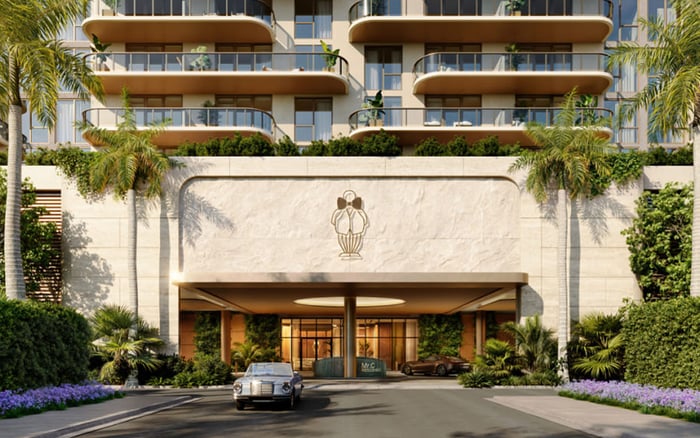
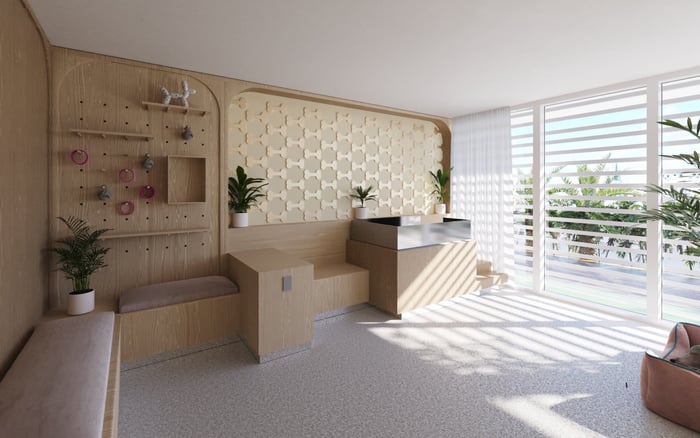
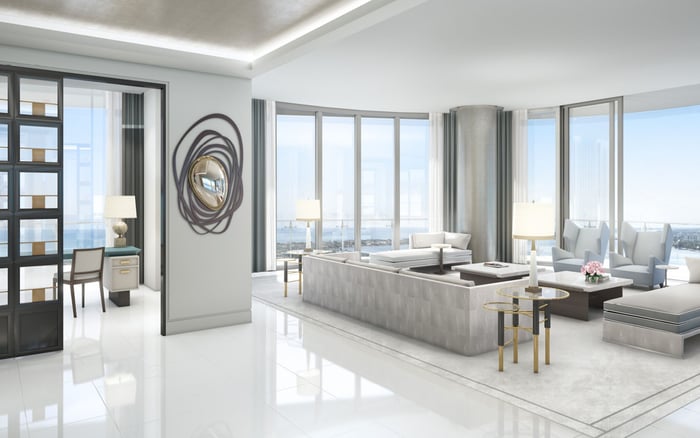
A buyer-focused guide to evaluating the dog-wash amenity at Mila Bay Harbor Islands, with emphasis on access, odor control, cleaning, pet rules, and HOA budgeting.
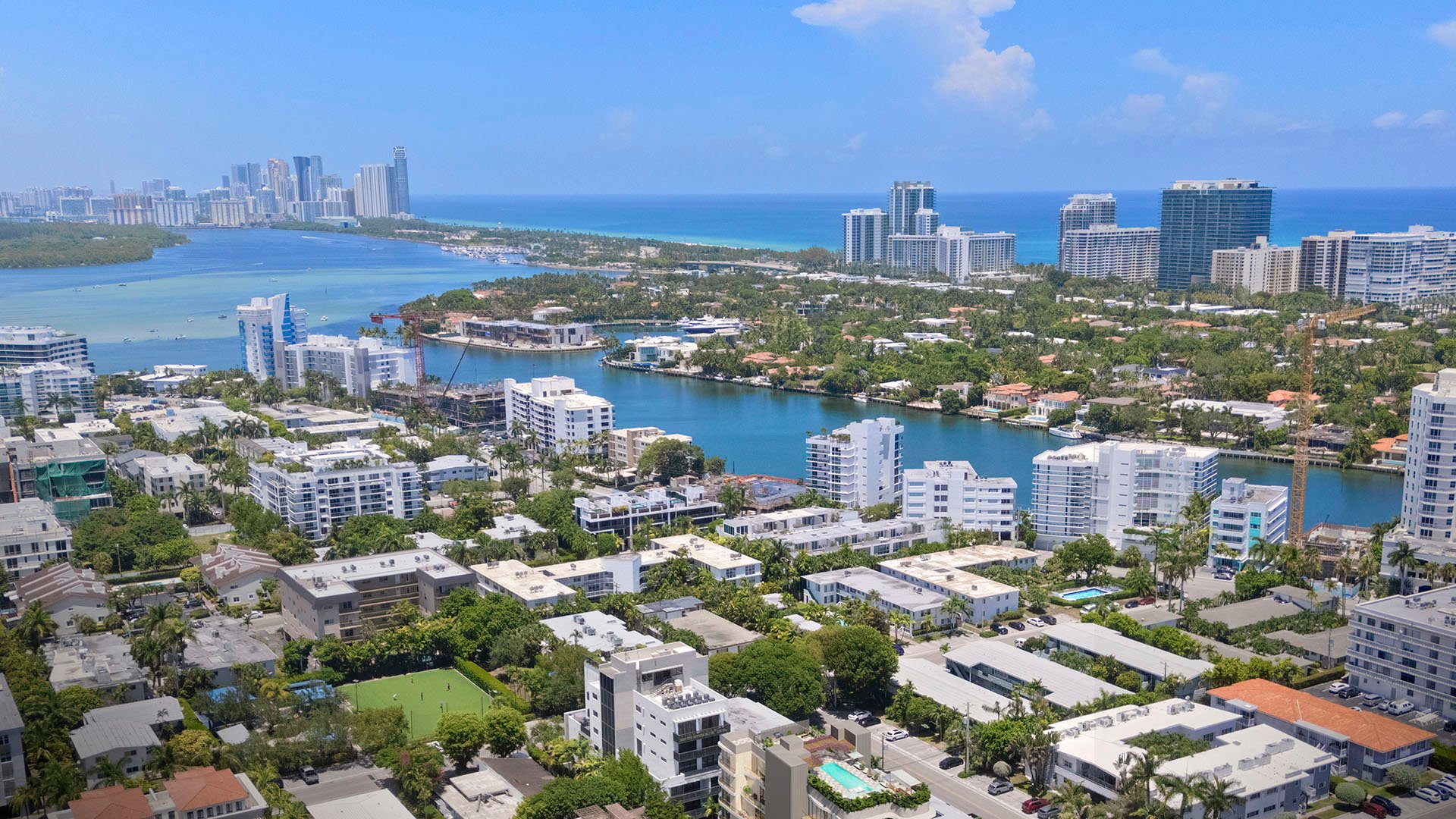
At the ultra-premium end of South Florida real estate, amenities are no longer judged by whether they appear on a feature sheet. They are judged by how well they perform on an ordinary Tuesday morning, after a waterfront walk, during a rainy week, or when several residents need the same convenience at once. That is especially true for a dog-wash or pet spa.
For buyers evaluating Mila Bay Harbor Islands, the most useful question is not simply whether the building includes a dog-wash. The sharper question is how the space is designed, operated, cleaned, accessed, and paid for over time. A poorly planned pet amenity can become an underused room, a maintenance burden, or a quiet source of resident friction. A well-planned one can become a discreet daily luxury, particularly for owners who consider pets part of the household rather than an afterthought.
The due-diligence lens is not limited to pets; it extends to boutique operations, new-construction delivery, pre-construction timing, dog-park adjacency, and broader Bay Harbor living patterns.
The first question buyers should ask is where the dog-wash sits within the building. Its location relative to residences, elevators, lobby areas, parking, and service corridors will determine how convenient it feels and whether it disrupts other residents.
If the space is tucked too far from practical circulation routes, it may look appealing in marketing materials but feel inconvenient in daily use. If it sits too close to primary lobby areas, passenger elevators, or quiet amenity spaces, it may create avoidable overlap between wet dogs, guests, and residents who are not pet owners.
Buyers should ask whether pet traffic uses passenger elevators, service elevators, garage-level access, or a more dedicated route. The answer matters. A direct path from parking or an exterior walk route to the wash area can reduce friction, while a route through formal common areas may feel awkward after a beach, park, or waterfront outing.
It is also worth asking whether the dog-wash connects logically to an exterior pet-relief or walking route. A pet spa that is isolated from where dogs actually enter and exit the property can become more symbolic than useful.
A dog-wash should be evaluated like a compact wet-room operation, not a decorative amenity. Odor control begins with ventilation and exhaust, but it also depends on drainage, waterproof finishes, trash handling, and cleaning standards.
Buyers should ask whether the area has commercial-grade drainage and surfaces designed for repeated pet use. Residential-style finishes can deteriorate quickly when exposed to sand, salt, moisture, grooming products, and frequent rinsing. In a coastal environment, that distinction is not cosmetic. It affects long-term durability and the quality of the building’s shared spaces.
The same scrutiny should apply to supply and disposal areas. Is there a dedicated trash zone? Are towels stored separately from cleaning products? Is there a drying area that prevents clutter from spilling into corridors? Are hoses, tubs, ramps, dryers, grooming products, and anti-slip surfaces included, or must residents bring their own supplies?
Noise also belongs in the conversation. Dryers, barking, and grooming activity can carry farther than expected if the room is not properly buffered. Buyers should ask what separates the dog-wash from nearby residences, elevators, corridors, and amenity spaces.
Access control is where a marketed convenience either becomes seamless or irritating. Buyers should ask whether the dog-wash is open for resident use, controlled by key fob, managed through an app, or available only by reservation. Each model has tradeoffs.
Open access may feel convenient, but it can complicate cleaning and accountability. Reservation systems can keep the space orderly, but they may make spontaneous use harder after a muddy walk or rainy afternoon. Key-fob or app-based access can create a useful record of use, but only if residents understand the rules and the building enforces them consistently.
Buyers should also ask whether the amenity is self-service only or whether the building anticipates third-party groomers, staff assistance, or appointment-based use. Professional groomer access is a separate operational issue. It can add convenience for residents, but it may also require insurance protocols, scheduling rules, service-elevator access, and clear limits on use.
Rules for large dogs, wet dogs, aggressive dogs, multiple pets, and professional groomers should not be vague. In a luxury building, discretion depends on clarity. The best pet policies are not hostile to pet ownership; they simply prevent ambiguity from becoming conflict.
A dog-wash amenity does not automatically mean the building has broad pet flexibility. Buyers should review the condo documents and any current pet rules with care. Key items include weight limits, breed restrictions, the number of pets allowed, leash requirements, and amenity-use restrictions.
This is especially important for households with larger dogs, multiple dogs, visiting pets, service providers, or staff who may handle pet care. If the ownership lifestyle depends on a dog’s daily routine, the rules should be reviewed before contract decisions are made.
The most polished sales conversation cannot substitute for governing documents. Buyers should confirm whether pet rules apply uniformly, whether exceptions exist, and whether the dog-wash has separate operating policies that differ from general pet ownership rules.
The value of a dog-wash depends heavily on who cleans it and when. Buyers should ask whether residents are expected to clean after themselves, whether housekeeping handles the room, whether building maintenance is responsible, or whether an outside vendor is engaged.
That answer should be paired with a second question: how does cleaning frequency change during high-use periods? Rainy days, weekend outings, and post-walk use can bring in sand, salt, moisture, and odor. A schedule that works in theory may not work after repeated use by several residents in one afternoon.
Buyers should also ask how the space is inspected. A dog-wash may involve hair accumulation, drain maintenance, towel turnover, product replacement, trash removal, and drying-equipment upkeep. These details are not glamorous, but they are exactly where luxury becomes tangible.
Every amenity has a cost structure. For a dog-wash, buyers should ask how maintenance, repairs, cleaning supplies, plumbing, replacement equipment, and potential vendor services are reflected in HOA dues.
The question is not whether the cost is large or small. It is whether it has been anticipated. A pet spa with dryers, hoses, tubs, waterproofing, and frequent cleaning needs a practical operating budget. If it is treated as a decorative line item rather than an active service area, the building may face deferred maintenance or uneven standards later.
Buyers should also confirm whether the dog-wash is part of the initial amenity buildout or planned for a later phase. Renderings and amenity language may not always clarify timing, so the delivery status should be understood before a buyer assigns value to the feature.
When comparing Mila Bay Harbor Islands with other luxury buildings, buyers should evaluate the dog-wash as an operating system. The relevant variables are circulation, access, drainage, ventilation, cleaning, rules, staffing, supplies, noise control, budgeting, and timing.
A beautifully finished room that is inconvenient to reach, poorly ventilated, or inconsistently cleaned may not serve residents well. A simpler room with smart access, proper drainage, durable finishes, and clear protocols may be far more valuable in daily life.
For pet-owning buyers, this amenity can influence the ease of ownership. For non-pet owners, it can influence how well the building contains pet activity and preserves the calm of shared spaces. In both cases, the dog-wash is not a minor detail. It is a test of how thoughtfully the building translates lifestyle into operations.
Should buyers treat a dog-wash as a major amenity? Yes, if they have pets or care about how pet activity is managed in shared spaces. The value depends on design and operations, not just the amenity label.
What is the first question to ask about the dog-wash at Mila Bay Harbor Islands? Ask where it is located relative to elevators, residences, lobby areas, parking, and service corridors. Placement determines convenience and potential resident friction.
Should pet traffic use passenger elevators? Buyers should ask whether pets use passenger elevators, service elevators, garage access, or a dedicated route. The answer affects both convenience and building etiquette.
Why does connection to an exterior route matter? A dog-wash is more useful when it sits near a logical walking or pet-relief route. If it is disconnected, residents may use it less than expected.
What should buyers ask about odor control? Ask about ventilation, exhaust, drainage, cleaning standards, trash handling, and drying areas. Odor control is a system, not a single feature.
Are waterproof finishes important? Yes. Frequent pet washing can expose surfaces to moisture, sand, salt, hair, and cleaning products, so durable finishes and commercial-grade drainage matter.
Who should clean the dog-wash after use? Buyers should confirm whether cleaning is handled by residents, housekeeping, maintenance, or an outside vendor. The responsibility should be clear before move-in.
Can third-party groomers use the space? That depends on building policy. Buyers should ask about professional groomer access, reservations, insurance expectations, and service routes.
Should pet rules be reviewed even if there is a dog-wash? Yes. Weight limits, breed restrictions, pet counts, leash rules, and amenity-use limits may still apply.
Can the dog-wash affect HOA dues? It can, because maintenance, plumbing, cleaning supplies, repairs, and replacement equipment require budgeting. Buyers should ask how those costs are handled.
For a confidential assessment and a building-by-building shortlist, connect with MILLION.
If branded residences are on your mind — as a home or as an allocation — we would be glad to share what we are seeing, privately.
Begin a quiet conversation