A buyer-focused guide to evaluating storm-alert communications in South Florida luxury condominium buildings, with practical questions for boards, management teams, absentee owners, and high-rise residents in 2026.
For the South Florida luxury buyer, building communications are no longer a back-office detail. They belong beside design, privacy, service culture, access control, and reserve discipline as part of the overall ownership experience. A residence may offer a dramatic arrival sequence, refined finishes, and an enviable view, yet still leave owners uneasy if storm-related messaging is vague, delayed, or dependent on a single channel.
In 2026, the more relevant question is not whether a building sends alerts. Nearly every serious condominium community can say it does. The question is how those alerts are governed, who authorizes them, how they are delivered, how receipt is tracked, and what happens when a resident is abroad, unreachable, or using the residence only seasonally.
This is especially important in markets where luxury ownership is highly mobile. A Brickell executive may be traveling. A second-home owner may be in another country. A family with a waterfront residence may have household staff, a designer, or a private chef accessing the unit while the owner is away. Storm communication should reflect the way affluent owners actually live.
The first question is simple: who can send an official storm alert on behalf of the building? The answer should not be a shrug, a vague reference to management, or a promise that someone will handle it. Buyers should ask whether authority sits with the property manager, general manager, board president, security director, concierge leadership, or an emergency committee.
The better buildings define roles before pressure arrives. A written protocol should identify who initiates communication, who reviews it, who approves it when time permits, and who can act immediately when waiting would create confusion. A luxury building does not need theatrical language. It needs a calm chain of command.
Buyers should also ask how weekend, holiday, and overnight coverage is handled. Storm timing rarely conforms to office hours. If the general manager is unavailable, there should be a clear alternate. If a vendor supports the platform, there should be a plan for management access rather than dependence on one person with one password.
A glossy app can be useful, but it is not a plan by itself. The strongest storm-alert communication systems use multiple layers: email, text, voice calls, resident portal notices, lobby or elevator messaging, staff scripts, and direct outreach to owners whose circumstances require special attention. The mix will vary by property, but redundancy is the principle.
Buyers should ask which channels are considered official and whether residents may choose preferences. They should also ask whether critical alerts are sent through more than one method automatically. If an owner changes phone numbers, travels internationally, or uses a family office address, the building should have a disciplined process for keeping contact records current.
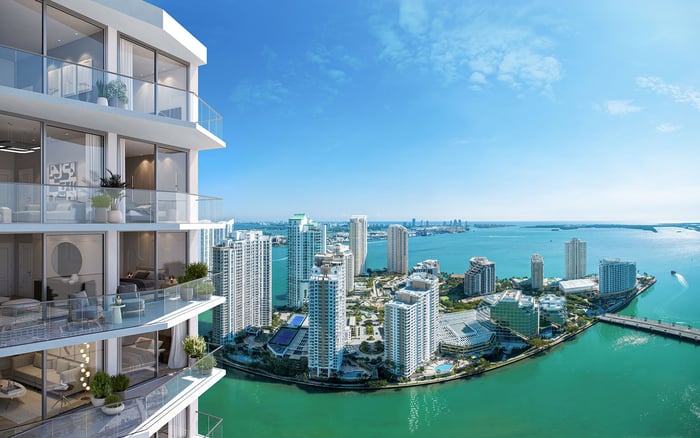
Oceanfront properties, high-floor residences, and large units with extensive balcony areas may raise different owner concerns, from securing outdoor furnishings to understanding building access procedures. The communications plan should make those instructions easy to interpret without sending owners into a maze of fragmented notices.
Not every weather update should become an emergency message. Too many alerts create fatigue. Too few create uncertainty. Buyers should ask how the building decides when to communicate, what types of messages are sent at each stage, and whether notices distinguish between preparation, operational changes, access restrictions, service interruptions, and post-event updates.
A refined communication plan uses plain language. It avoids alarmist phrasing, but it is direct when action is required. It tells owners what has changed, what they should do, what the building is doing, and when the next update is expected. Even a brief message can feel polished if it is precise.
New-construction buyers should press this point early, particularly before turnover. A sales gallery may describe lifestyle programming, arrival, wellness, and service in detail, while operating protocols are still developing. That is not unusual, but the buyer should ask when the storm communication plan will be finalized, who will own it, and how residents will be trained to use it.
Luxury ownership in South Florida often includes extended travel. The question is whether the building’s communication culture is built around full-time residents only, or whether it accounts for absentee ownership with the same seriousness.
Ask whether owners may add authorized contacts for storm communications, such as a spouse, adult child, assistant, property manager, or family office representative. Ask whether tenants, approved guests, and household staff can receive relevant building notices without receiving confidential owner information. Ask what happens if a residence is vacant and management needs the owner to take action.
The distinction is important. A storm alert is not only a message about weather. It may affect deliveries, valet service, package acceptance, amenity closures, contractor access, elevator policies, generator-related updates, water intrusion reporting, or the timing of re-entry after a building procedure changes. The owner who is away should not be the last person to understand what is happening at the property.
A polished verbal answer is not enough. Buyers, or their advisors, should ask to review the association’s written emergency communication procedures to the extent available during due diligence. The document does not need to be elaborate, but it should exist, be current, and reflect the building’s actual operations.
Look for contact update requirements, message templates, escalation steps, staff responsibilities, vendor roles, and instructions for residents with mobility considerations or special access needs. Ask how often the plan is reviewed and whether staff practice using the system. A communication system that is never tested is closer to an aspiration than an operating standard.
It is also fair to ask how the building documents outbound alerts. Does management keep a log? Can it confirm when notices were sent? Does the platform provide delivery data? These questions are not adversarial. They are part of understanding whether the building treats communication as a core service.
Luxury storm communication is not louder than ordinary communication. It is clearer. The best tone is calm, direct, and consistent with the privacy expectations of the building. Residents should not receive casual speculation, conflicting staff comments, or informal messages that compete with official notices.
Ask how front-desk, security, valet, and concierge teams are briefed so residents receive the same answer across touchpoints. Ask whether the building sends after-event updates even when the message is simply that services are being restored in stages. Silence after a major operational change can be as frustrating as a delayed first alert.
For a buyer comparing buildings, this is an understated but revealing category. A tower that communicates well under pressure often communicates well in ordinary life, too. It suggests discipline, respect for owners’ time, and a management culture that understands discretion.
Before contract, ask the sales team, management office, or association representative direct questions. What communication channels are used for storm alerts? Who approves the messages? How are owner records updated? Can multiple authorized contacts be added? Are alerts available to residents who are traveling internationally? How are guests, tenants, and vendors handled? Is there a written plan? When was it last reviewed?
If the answers are specific, written, and operational, that is encouraging. If the answer relies entirely on personality, such as one excellent manager who knows everyone, ask what happens when that person is away. In luxury real estate, personal service is valuable, but institutional memory is what protects continuity.
Should storm-alert communications affect a luxury condo purchase decision? Yes. They are part of building operations, and strong operations can influence daily confidence as much as amenities or finishes.
Is a resident app enough for storm alerts? Not by itself. Buyers should look for multiple channels so important messages are not dependent on one platform or device.
What is the most important question to ask management? Ask who has authority to send official alerts and who serves as backup if that person is unavailable.
Should absentee owners receive different communication support? They should have options to add authorized contacts and receive clear instructions even when they are away from the residence.
Can renters or guests receive storm notices? Some buildings may allow relevant notices to approved occupants or contacts, but buyers should confirm the exact policy in writing.
How often should a building review its communication plan? Buyers should ask for a current plan and confirm that staff know how to use it before a storm-related situation develops.
What should an alert message include? It should explain what changed, what residents should do, what the building is doing, and when another update is expected.
Are post-storm updates as important as pre-storm alerts? Yes. Owners need clear information about access, services, amenities, and building procedures after conditions change.
Should high-rise buyers ask different questions? They should ask how communications address elevators, access, staff coverage, outdoor areas, and any residence-specific procedures.
What is a red flag in storm communication due diligence? Vague answers, no written protocol, unclear authority, and reliance on a single communication channel all deserve closer review.
For a confidential assessment and a building-by-building shortlist, connect with MILLION.
If branded residences are on your mind — as a home or as an allocation — we would be glad to share what we are seeing, privately.
Begin a quiet conversation