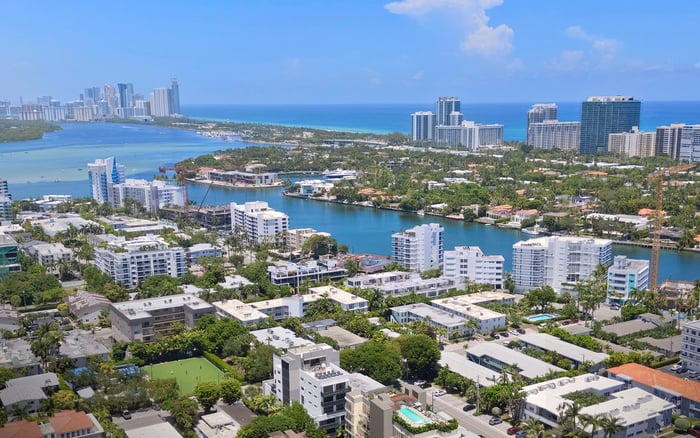
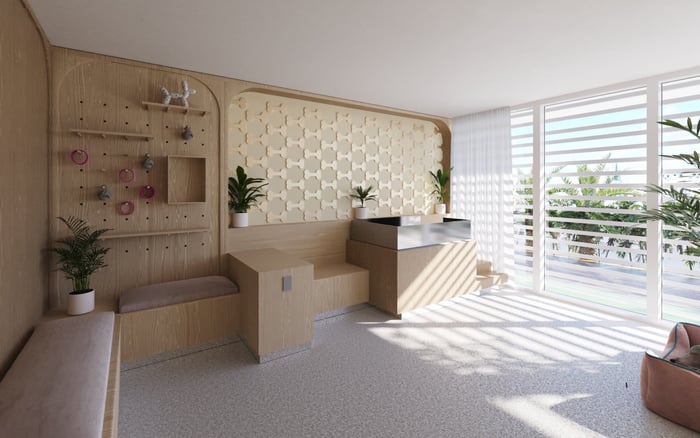
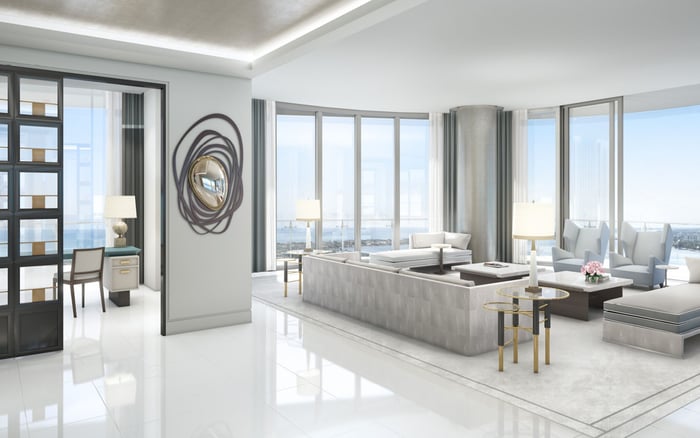
A buyer-focused comparison of Mr. C Residences Boca Raton and Mila Bay Harbor Islands through the quieter operational details that shape daily life with pets, staff, deliveries, and condominium rules.
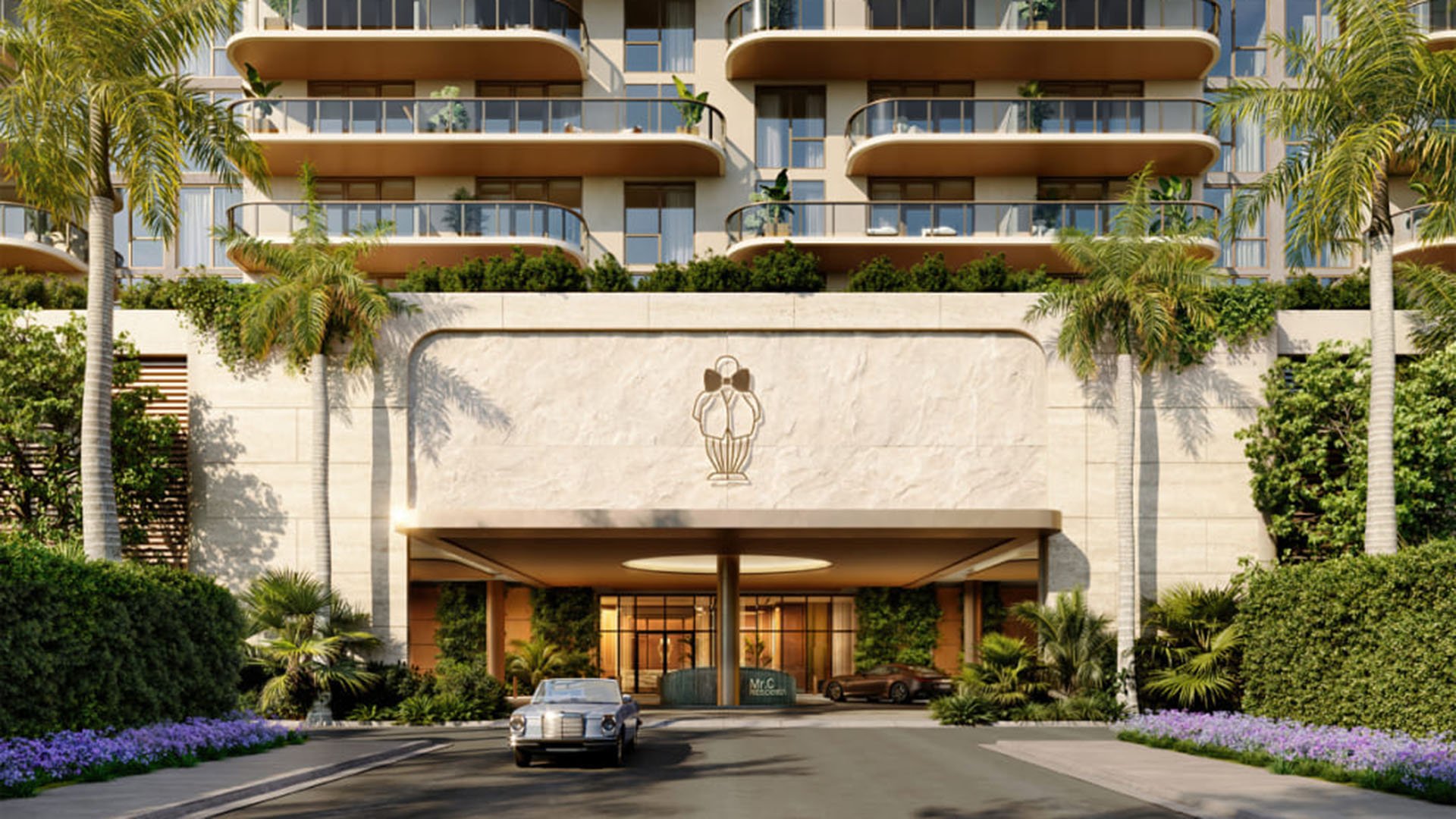
The sales gallery is built to win the room. The model kitchen is immaculate, the finishes are persuasive, and the presentation often moves with hotel-level choreography. Yet for buyers comparing Mr. C Residences Boca Raton and Mila Bay Harbor Islands, the more revealing test begins after the presentation ends.
Ask how the residence will live on a wet Tuesday morning, after a late flight, during a renovation, or when a dog walker arrives while guests are waiting downstairs. At the highest end of the South Florida market, the question is not only whether a building feels luxurious. It is whether its operating culture protects privacy, reduces friction, and anticipates real household movement.
For pet owners, part-time residents, and buyers with staff, the most important answers often sit inside draft house rules, elevator policies, move-in procedures, and concierge protocols. These are not secondary details. They are the practical architecture of daily life.
Pets are part of the household, but condominium life translates that simple fact into routes, timing, permissions, and etiquette. A polished pet policy should explain how residents move from the private residence to the outdoors, what happens when multiple pets are in the lobby, whether pet sitters have defined access procedures, and how the building manages grooming, deliveries, or veterinary pickups.
The right questions are concrete. Is there a preferred pet path? Are certain elevators used for animals during peak hours? How are accidents handled in common areas? Are guest pets treated differently from resident pets? Are there restrictions that could affect a large dog, a second dog, or a future pet acquired after closing?
The useful lens is simple: pets, dog-park access, boutique scale, new-construction protocols, pre-construction documents, and the Bay Harbor lifestyle should be read together rather than separately. A building can sound pet friendly in conversation while still placing meaningful limits on daily routines.
For a buyer drawn to Boca Raton’s quieter residential cadence, pet movement may be evaluated through privacy, vehicle access, and the ease of morning and evening routines. For a buyer considering Bay Harbor Islands, the appeal may include a more compact island rhythm, where walks, errands, and building circulation feel closely connected. Neither is automatically better. The better choice is the one that fits the household’s habits without requiring constant negotiation.
In ultra-premium condominiums, the service elevator is not merely a back-of-house detail. It is where privacy, staffing, maintenance, deliveries, and pet movement intersect. Buyers should understand whether service elevator use is clearly defined, whether reservations are required, how long moves or installations can take, and whether blackout times may affect contractors or household staff.
This matters because luxury ownership often involves more than personal arrival and departure. Art handlers, decorators, caterers, chefs, dog walkers, housekeepers, and visiting technicians all create building traffic. A residence that feels serene depends on how that traffic is choreographed.
When comparing Mr. C Residences Boca Raton with Mila Bay Harbor Islands, buyers should request the most current draft rules available and ask the same questions of both teams. How are large deliveries handled? What happens if a pet sitter arrives while the owner is away? Are staff credentials managed by the front desk, an app, or written authorization? Are there service corridors, time windows, or elevator padding requirements for routine household needs?
The same lens applies when buyers cross-shop nearby or adjacent luxury options. Someone considering Alina Residences Boca Raton may be thinking about Boca Raton’s broader luxury residential ecosystem, while a buyer also looking at The Well Bay Harbor Islands may be weighing a different tone of island living. In each case, service logistics are not glamorous, but they are deeply consequential.
House rules reveal the personality of a building. Some communities operate with a highly formal hospitality posture. Others feel more residential and adaptable. The distinction can be subtle during a sales presentation, then obvious once owners begin living there.
Flexibility does not mean informality. In the best buildings, it means rules are clear enough to protect residents and practical enough to support real life. A strict pet policy may be perfectly acceptable if it is transparent before contract. A delivery procedure may be reasonable if owners know how to plan around it. The risk is not discipline. The risk is ambiguity.
Buyers should ask for written clarification on pet limitations, service access, guest authorizations, move-in deposits, insurance requirements for vendors, and renovation protocols. They should also ask how future rule changes are made. A policy that works at launch may evolve as the association matures, and a careful buyer will want to understand the governance structure before assuming long-term flexibility.
This is especially important in new-construction and pre-construction contexts, where the brand experience is presented before daily operations have fully settled. A buyer may love the design language, the location, and the lifestyle promise, but still need to know whether a housekeeper can enter smoothly, whether a dog walker can be approved without repeated friction, and whether elevator access will work during seasonal occupancy peaks.
The comparison between Mr. C Residences Boca Raton and Mila Bay Harbor Islands is ultimately a comparison of rhythms. Boca Raton buyers may be prioritizing composed residential living, space between obligations, and a sense of calm that suits full-time or extended seasonal use. Bay Harbor Islands buyers may be drawn to a more intimate island setting, where the building, neighborhood, and daily routes feel closely interwoven.
The pet logistics follow those rhythms. A Boca Raton routine may lean on car arrivals, planned services, and a more private sense of movement. A Bay Harbor Islands routine may place greater emphasis on walkability, elevator timing, and how the building manages frequent short trips. The better residence is the one whose systems disappear into the background.
This is why the pre-contract conversation should be practical. Bring the dog’s actual routine into the discussion. Describe staffing needs honestly. Ask about weekend traffic in the lobby, not just weekday procedures. Walk through a renovation scenario, a dinner-party scenario, and a late-night pet-care scenario. The answers will often tell you more than another rendering.
Should pet owners compare building rules before touring residences? Yes. The tour shows the lifestyle promise, but the rules show how that lifestyle functions with animals, staff, and deliveries.
Is a pet-friendly building always flexible? Not necessarily. Pet-friendly can still include size, number, access, elevator, or guest-pet limitations that should be reviewed in writing.
Why do service elevators matter in a luxury condominium? They shape privacy and convenience for moves, vendors, staff, deliveries, and sometimes pet circulation through the property.
What should buyers ask about dog walkers? Ask how authorization works, whether recurring access can be approved, and what identification or check-in steps are required.
Are draft house rules enough before signing? Draft rules are useful, but buyers should confirm what may change, who approves changes, and how final documents will be delivered.
Can pet policies change after closing? Condominium rules can evolve through the building’s governing process, so buyers should understand how rule changes are made.
Is Boca Raton better than Bay Harbor Islands for pets? It depends on the household routine. Boca Raton and Bay Harbor Islands offer different daily rhythms, not a universal winner.
Should buyers mention staff needs during the sales process? Yes. Housekeepers, chefs, drivers, pet sitters, and contractors can all affect how well a building’s operating rules fit.
What is the biggest mistake buyers make with house rules? They assume luxury branding guarantees practical flexibility, when the decisive details are often in written procedures.
When should these questions be asked? Ask before deposits, upgrades, and emotional commitment, when there is still room to compare buildings clearly.
If you'd like a private walkthrough and a curated shortlist, connect with MILLION.
If branded residences are on your mind — as a home or as an allocation — we would be glad to share what we are seeing, privately.
Begin a quiet conversation