International capital plays an outsized role in Miami’s New-construction market, yet financing a residence as a non U.S. buyer follows different rules. This guide outlines how foreign nationals can prepare documentation, work with U.S. and global banks, manage Pre-construction deposit schedules and explore alternatives such as DSCR and private loans, while coordinating tax, legal and ownership structures for long term efficiency.

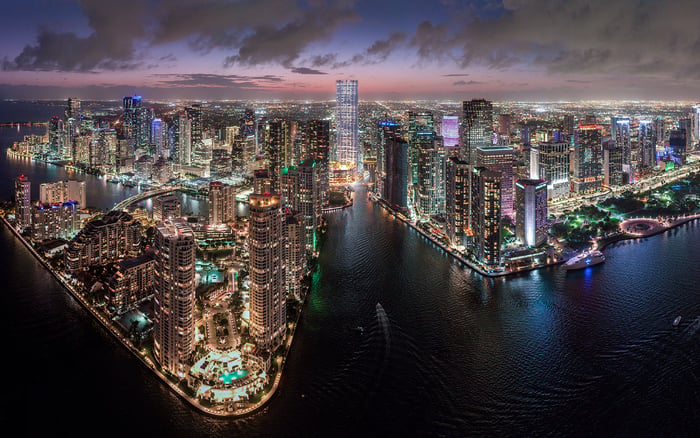
Miami has evolved from a seasonal escape into a year round financial and cultural capital, where lifestyle, tax efficiency and long term Investment strategy intersect. For international buyers, the current wave of New-construction towers, private villas and branded residences offers a rare combination of security, capital appreciation potential and global cachet.
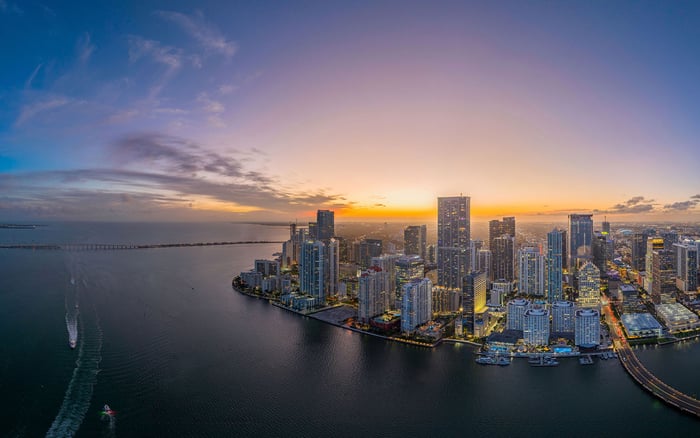
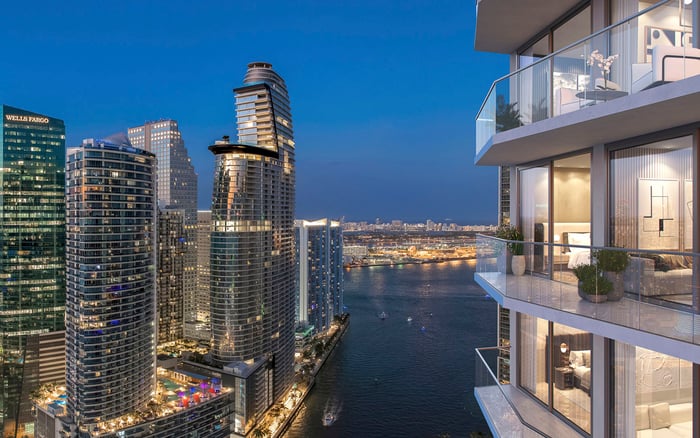
From skyline defining glass in Brickell to beachfront towers along Sunny-isles, new development has become the natural entry point for many overseas families. Floor plans, amenities and services are designed from the outset with global buyers in mind, from multilingual concierges to resort level wellness, kids clubs and on site property management that can oversee a residence while you are abroad.
Historically, a large proportion of international buyers in Miami purchased in cash. That remains common for smaller pied a terre acquisitions or when timing is very tight. Increasingly, however, affluent buyers view financing as a strategic tool rather than simply a necessity. Leveraging a prudent amount of debt can preserve liquidity for other global investments, provide a degree of currency diversification and, in certain structures, offer tax advantages tied to interest deductions on income producing property.
Today, the financing landscape for non U.S. residents is more sophisticated than ever. Major U.S. banks, international private banks and specialised lenders each offer dedicated foreign national programs. Developers of flagship projects such as Mercedes-Benz Places Miami expect a meaningful percentage of their purchasers to be based overseas and increasingly design their payment schedules and closing timelines to accommodate cross border buyers.
For an international purchaser considering Miami New-construction, the goal is not simply to secure any loan, but to build a financing plan that supports family lifestyle, risk tolerance and long term portfolio objectives. That begins with preparation.
Buying in Miami as a foreign national is entirely achievable, but it requires more preparation than a domestic purchase. U.S. lenders and title companies operate under strict know your client and anti money laundering regulations, so they will expect a clear picture of who you are and where your funds originate.
In practical terms, this means assembling a well organised file before you even reserve a residence. At minimum, expect to provide a valid passport, any applicable visa, recent bank statements, personal or corporate tax returns from your home jurisdiction, proof of income such as employment letters or audited financial statements and bank reference letters that confirm the length and quality of your relationship with your primary financial institution. For entrepreneurial buyers, lenders may also request company incorporation documents and shareholder registers.
Because most foreign national clients do not have a U.S. credit history, banks lean heavily on this global financial profile. They may obtain an international credit report where available, but the emphasis is usually on consistent income, liquid reserves and a transparent source of funds for the down payment and closing costs. For well qualified foreign nationals, many U.S. banks are prepared to offer mortgage terms that mirror those available to domestic clients, with the main differences being higher equity contributions and slightly tighter underwriting.
It is common for foreign national mortgages to require a total down payment in the range of roughly thirty to forty percent of the purchase price, sometimes higher for very large loans or niche properties. Lenders take comfort from this meaningful equity stake, particularly when the borrower resides abroad. In exchange, buyers can access long amortisation schedules, the option of fixed or adjustable rates and the ability to finance for fifteen to thirty years, which can optimise cash flow on an Investment residence.
Some buyers, particularly those purchasing larger residences for rental or corporate use, also consider working through a global private bank. In that setting, the lender focuses on the clients worldwide balance sheet, including assets under management held in different jurisdictions. Private banks may be flexible on documentation and can at times offer higher loan to value ratios in exchange for maintaining significant assets with the institution. For clients who value consolidated reporting and dedicated relationship managers, this can be an elegant solution.
Practical logistics are equally important. Most lenders will ask you to open a U.S. bank account to receive funds and service the mortgage; doing so early helps avoid last minute delays. Some programs can be structured using an Individual Taxpayer Identification Number rather than a Social Security Number, which also allows you to file U.S. tax returns if you decide to rent the property. A Miami based mortgage broker who regularly advises foreign nationals can coordinate these moving pieces, introduce the right banking partners and align loan structures with your personal objectives.
Many of the most desirable residences for international buyers in Miami are purchased at the Pre-construction stage, long before the first residents move in. In these cases, your financing journey follows a different rhythm from a traditional resale purchase.
Developers typically structure deposits as a series of staged payments that may total between twenty and fifty percent of the purchase price by the time the building is delivered. A common illustrative schedule might be ten percent at contract, followed by additional instalments at key milestones such as groundbreaking, the building reaching a specific floor or the structural top off. These funds are usually held in escrow and function as a form of self financing, gradually building your equity position while the tower rises.
During construction, most conventional lenders will not release a mortgage, because the residence does not yet qualify as a completed, warrantable condominium. Only once the building is nearing completion and receives its temporary or final certificate of occupancy will traditional bank financing step in. At that point, your staged deposits form the down payment, and the loan covers the remaining balance due at closing.
For this reason, international buyers should map the Pre-construction deposit calendar against their own liquidity, business cash flows and currency exposure. If your income or assets are denominated in a different currency, there may be advantages to converting funds gradually as deposits are called rather than wiring the full equity contribution on day one. Experienced foreign exchange advisors and private bankers can help evaluate hedging strategies where appropriate.
Occasionally, developers will offer in house or seller financing for the balance due at completion, especially in boutique projects or in moments when they wish to create additional flexibility for foreign national purchasers. While attractive at first glance, these facilities typically carry higher interest rates, shorter terms and balloon payments at maturity. They can be useful as a bridge if you need to close quickly or are between banking relationships, but they are rarely a substitute for well structured institutional financing.
Beyond bank and developer finance, international buyers increasingly make use of specialised alternative lenders. Debt service coverage ratio loans, often referred to simply as DSCR loans, qualify the borrower primarily on the projected rental income of the residence rather than on personal salary or company profits. The lender analyses expected market rent and ensures it comfortably covers the proposed mortgage payment. For buyers focused on generating yield from a Miami Investment residence, DSCR financing can be attractive because it typically requires less personal documentation and can accommodate complex global income structures.
Private or so called hard money lenders offer another layer of flexibility. These providers focus mainly on the value of the property and the strength of the collateral, moving faster than most banks and accepting limited documentation. The trade off is cost: interest rates and origination fees are usually higher, and terms are shorter, often one to five years. Many sophisticated investors therefore use private loans as a short term bridge, with a clear plan to refinance into longer term bank or private bank financing once the residence is stabilised or their broader wealth planning is complete.
In parallel with capital planning, it is wise to think through the logistics of closing well in advance. Depending on the lender and title company, you may be able to sign closing documents remotely through a secure digital notarisation platform or at a U.S. consulate abroad, avoiding the need to travel to Miami solely for the closing appointment. Your real estate attorney and lender will advise what is permissible in your specific case and jurisdiction.
Many international families also choose to hold Miami real estate through a U.S. limited liability company or similar structure for privacy, estate planning and liability considerations. Most lenders are comfortable lending to an entity so long as the real people behind it are fully disclosed and provide personal guarantees. Purchasing through an entity adds a layer of documentation, but when carefully coordinated between your attorney, tax advisor and lender, it can create a coherent framework for owning multiple residences or assembling a wider portfolio of New-construction homes.
How much should an international buyer expect to put down on a Miami New-construction residence?
Every lender and borrower profile is different, but foreign national mortgages commonly require total equity contributions in the range of roughly thirty to forty percent of the purchase price, and some buyers voluntarily commit more. On a Pre-construction purchase, much of that equity is paid gradually through your deposit schedule, with the balance wired just before closing when the mortgage funds.
Can I finance a Miami residence if I do not have U.S. credit history?
Yes. Many banks and specialised lenders work with clients who have no U.S. credit score, relying instead on international credit reports, banking relationships and documented income and assets. DSCR lenders may focus primarily on the rental performance of the residence, which can be helpful for investors with complex global income structures.
Is it better to pay cash or finance a Miami Investment property?
Both approaches can be valid. Cash can provide negotiation power, a quicker closing and psychological simplicity. Carefully structured financing, on the other hand, can preserve liquidity for other opportunities, allow you to diversify across more than one residence and, in some cases, create tax efficiencies related to interest on income producing property. The right choice depends on your broader balance sheet and investment philosophy rather than on the property alone.
Do I need to be in Florida to close on my new home?
Not always. Subject to lender and title company policies and the rules in your home jurisdiction, many international buyers are able to close remotely using secure online notarisation tools or by signing documents at a U.S. consulate overseas. Your advisory team will help determine the most practical path based on timing, travel and visa considerations.
Can I buy through an LLC and still obtain bank financing?
In many cases, yes. A number of lenders are prepared to finance residences held in U.S. limited liability companies or comparable structures, provided the real owners are identified and offer personal guarantees. Choosing whether to buy personally or through an entity is a strategic decision that should balance privacy, estate planning, tax and lending implications, best made alongside your attorney, tax advisor and a real estate specialist who understands Miami's New-construction landscape; for a confidential conversation tailored to your situation, you can speak with an advisor at MILLION Luxury.
If branded residences are on your mind — as a home or as an allocation — we would be glad to share what we are seeing, privately.
Begin a quiet conversation