A discreet 2026 diligence framework for Apogee South Beach buyers, focused on service quality, association reserves, coastal insurance exposure, and resale planning.
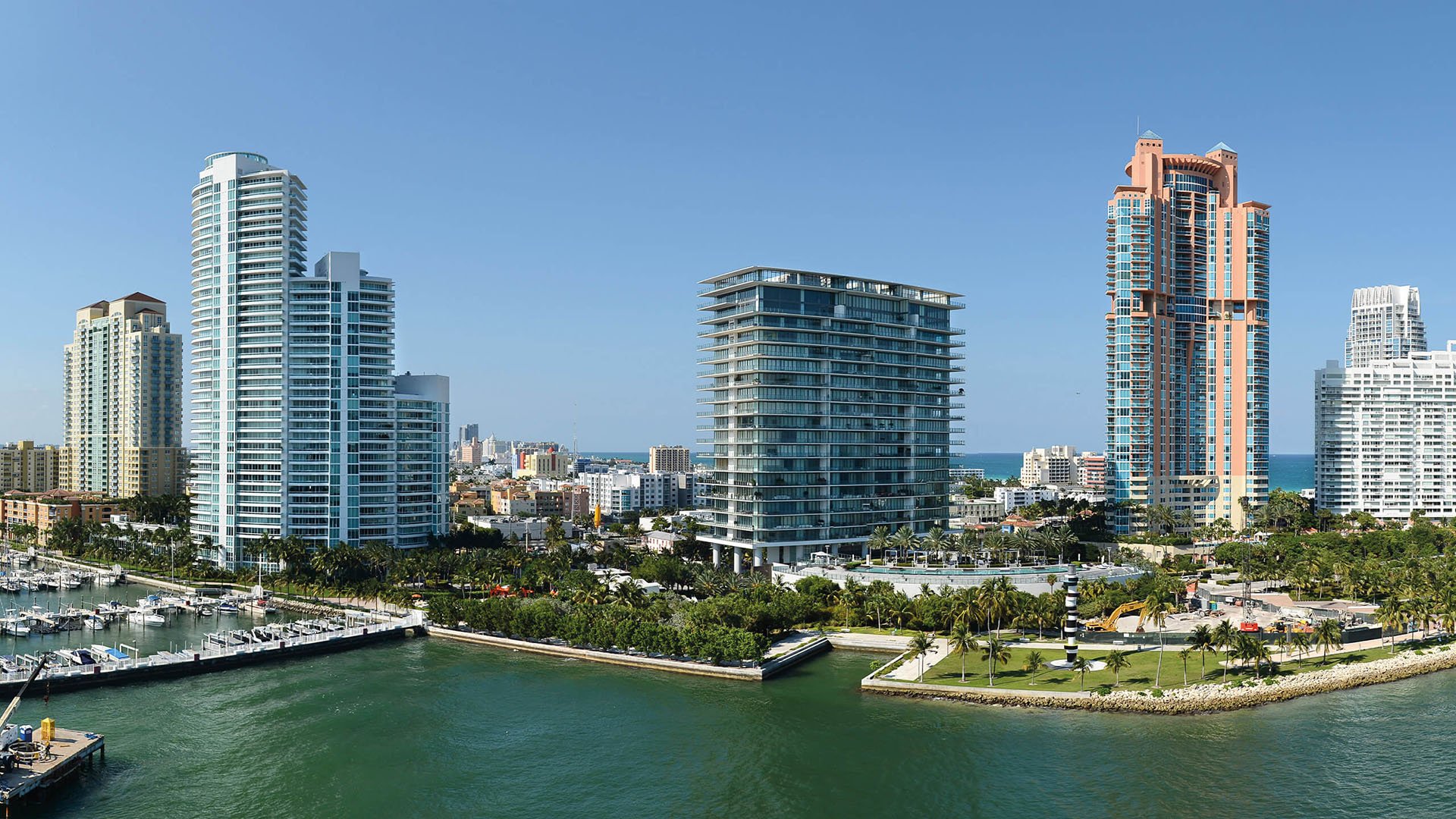
At the highest end of Miami Beach, the most discerning buyers no longer evaluate a condominium solely by its architecture, terrace line, water view, or social cachet. Those elements still matter, particularly at Apogee South Beach, where the appeal is rooted in privacy, waterfront presence, design reputation, and boutique scale within the South Beach luxury market. Yet in 2026, the sharper acquisition question is structural: how does the building perform as an ownership vehicle?
That question carries particular weight in South of Fifth, where prestige and scarcity can command attention, but the quality of the purchase depends on more than the emotional impression of the residence. Apogee South Beach should be reviewed as both a lifestyle asset and a regulated condominium structure. The buyer’s checklist should move deliberately through four areas: service, reserves, insurance, and exit strategy.
This guide is for clients who want elegance, but also discipline. The goal is not to diminish the glamour of a waterfront Miami Beach address. It is to make sure the acquisition is supported by the same rigor a buyer would apply to any consequential asset.
Boutique luxury can be extraordinary when service is precise, personal, and consistent. It can also be more sensitive to staffing costs, vendor dependency, and owner expectations. At a building like Apogee South Beach, a buyer should not simply ask whether the service feels polished during a showing. The more useful question is whether the service model is durable.
Review the current operating budget with close attention to staffing, security, maintenance, management, and contracted services. Ask how service standards are maintained when costs rise, vendors change, or seasonal usage patterns intensify. A smaller luxury building may offer privacy and intimacy, but those qualities do not eliminate the need for professional systems.
The service conversation should also include responsiveness. How are work orders handled? How are common areas monitored? How does management communicate with owners? Is the building’s service culture proactive or reactive? In the ultra-premium segment, discretion is part of the product, but operational clarity is what preserves it.
For comparison, buyers studying the South of Fifth lifestyle often look at neighboring luxury references such as Continuum on South Beach, not because one building answers another’s questions, but because service expectations in this enclave are unusually high. The Apogee buyer should enter negotiations knowing exactly what level of service the association is designed to sustain.
Association reserves should be treated as a core diligence item, not a closing afterthought. This is particularly important for a high-end Miami Beach condominium where lifestyle value and ownership structure are intertwined. A beautiful residence can still carry future financial obligations through the association.
A serious buyer should request the condominium documents, budget, reserve information, meeting materials, and any available disclosures that help explain how the building plans for long-term repair and replacement needs. The point is not to assume weakness. The point is to understand funding philosophy. Is the association oriented toward steady planning, or does it rely heavily on future owner contributions when major needs arise?
For 2026, the reserve review should be practical and unemotional. Ask which major building systems are relevant to future planning. Ask how reserve contributions are determined. Ask whether the budget reflects the expectations of a waterfront luxury property. Ask whether current monthly costs are positioned to preserve quality, or whether they appear artificially restrained.
Buyers sometimes focus on purchase price while underestimating the importance of carry. In boutique buildings, the relationship between number of owners, service standard, and shared expenses can be especially meaningful. A lower-density environment may offer privacy and exclusivity, but expenses are still distributed through the ownership structure. The reserve file is where that reality becomes visible.
Waterfront condominium ownership in Miami Beach places insurance exposure at the center of buyer diligence. Insurance should not be treated as a generic association expense, especially for a coastal asset where coverage, deductibles, exclusions, and renewal conditions can influence the ownership experience.
A buyer should review association insurance materials with qualified advisors before contingency deadlines. The key is to understand what the association covers, what the owner must insure separately, how deductibles may apply, and how future changes could affect common charges or assessments. This is not a place for assumption. Insurance language can appear technical, but its financial implications are direct.
The waterfront setting also affects exit strategy. Future buyers and lenders may ask more detailed questions about coverage and association financial health. A residence that is visually compelling can lose momentum in resale if the building’s financial package is difficult to explain. Conversely, clear documentation can support confidence.
Miami Beach buyers considering other coastal luxury addresses, including Five Park Miami Beach or The Ritz-Carlton Residences® South Beach, should apply the same discipline: insurance is not merely a line item, but part of the risk architecture of ownership.
Exit strategy begins before the offer is written. At Apogee South Beach, the future resale audience is likely to be highly selective, financially sophisticated, and attentive to both lifestyle and building fundamentals. That means the buyer should understand not only why the residence appeals today, but why it may remain liquid tomorrow.
Begin with the unit’s enduring qualities: privacy, view orientation, terrace usability, interior flexibility, and the way the floor plan supports the daily life of a luxury owner. Then move to the building-level questions: service reputation, reserve clarity, insurance position, and association governance. The next buyer will evaluate the same issues, often with even less patience for ambiguity.
Resale in the ultra-premium market is not just a pricing exercise. It is a confidence exercise. The strongest exits are usually supported by clean documentation, a coherent maintenance story, and an easy-to-understand ownership proposition. If a buyer cannot explain why Apogee South Beach is compelling beyond prestige and views, the exit thesis is incomplete.
The South of Fifth market rewards rarity, but rarity alone does not guarantee liquidity. The buyer should be prepared to hold through cycles, understand carrying costs, and avoid relying on short-term enthusiasm as the only resale plan. A disciplined exit strategy considers who the next buyer is, what objections may arise, and which documents will answer those objections before they become negotiations.
Before contract, build the diligence file around four pillars.
First, test service. Review the budget, management structure, staffing assumptions, and the way the building communicates with owners. Boutique service should feel effortless, but it must be funded and managed.
Second, study reserves. Request the relevant association materials and examine how future maintenance and replacement needs are anticipated. Do not reduce the analysis to whether monthly costs feel comfortable today.
Third, evaluate insurance. Understand association coverage, owner responsibilities, deductibles, and how insurance may influence future common expenses. Use professional guidance where needed.
Fourth, define the exit. Identify the likely future buyer, the residence’s durable advantages, and the building-level questions that may affect resale. If the answer is simply “it is Apogee,” the analysis is too thin.
The 2026 buyer who succeeds in Miami Beach will be the one who combines taste with verification. Apogee South Beach can be admired for its luxury positioning, but it should be acquired through a measured review of service quality, reserve posture, insurance exposure, and long-term liquidity.
Why does Apogee South Beach require a 2026 buyer checklist? Because buyers should evaluate it as both a luxury lifestyle asset and a condominium ownership structure.
What is the first document an Apogee South Beach buyer should request? Start with the condominium documents and budget, then review reserve and insurance materials with advisors.
Are reserves a minor closing detail? No. Reserves are central to understanding how a building plans for future maintenance and shared obligations.
Why is insurance so important for a waterfront Miami Beach condominium? Coverage, deductibles, and owner responsibilities can affect both carrying costs and future resale confidence.
Does boutique scale change the diligence process? Yes. Boutique buildings can offer privacy, but buyers should examine how service standards and costs are sustained.
Should service quality be judged only during a showing? No. A showing reveals presentation, while budgets, management practices, and communication reveal durability.
How should a buyer think about exit strategy? Identify the likely future buyer and the questions that person will ask about the residence and building.
Is prestige enough to support resale value? Prestige helps, but sophisticated buyers also look for clear documents, service consistency, and financial transparency.
Can this checklist apply to other Miami Beach luxury condos? Yes. The same themes are useful across Miami Beach, especially for coastal and high-service buildings.
What is the main takeaway for 2026 buyers? Buy the view and the lifestyle, but underwrite the service, reserves, insurance, and future exit.
For a tailored shortlist and next-step guidance, connect with MILLION.
If branded residences are on your mind — as a home or as an allocation — we would be glad to share what we are seeing, privately.
Begin a quiet conversation