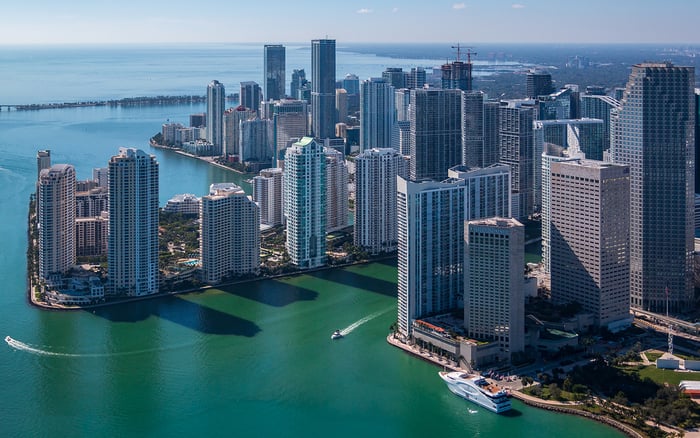
A discreet buyer’s guide for Dallas residents evaluating Key Biscayne waterfront homes, with focus on lifestyle fit, coastal diligence, ownership structure, boat access, insurance, and long-term usability.
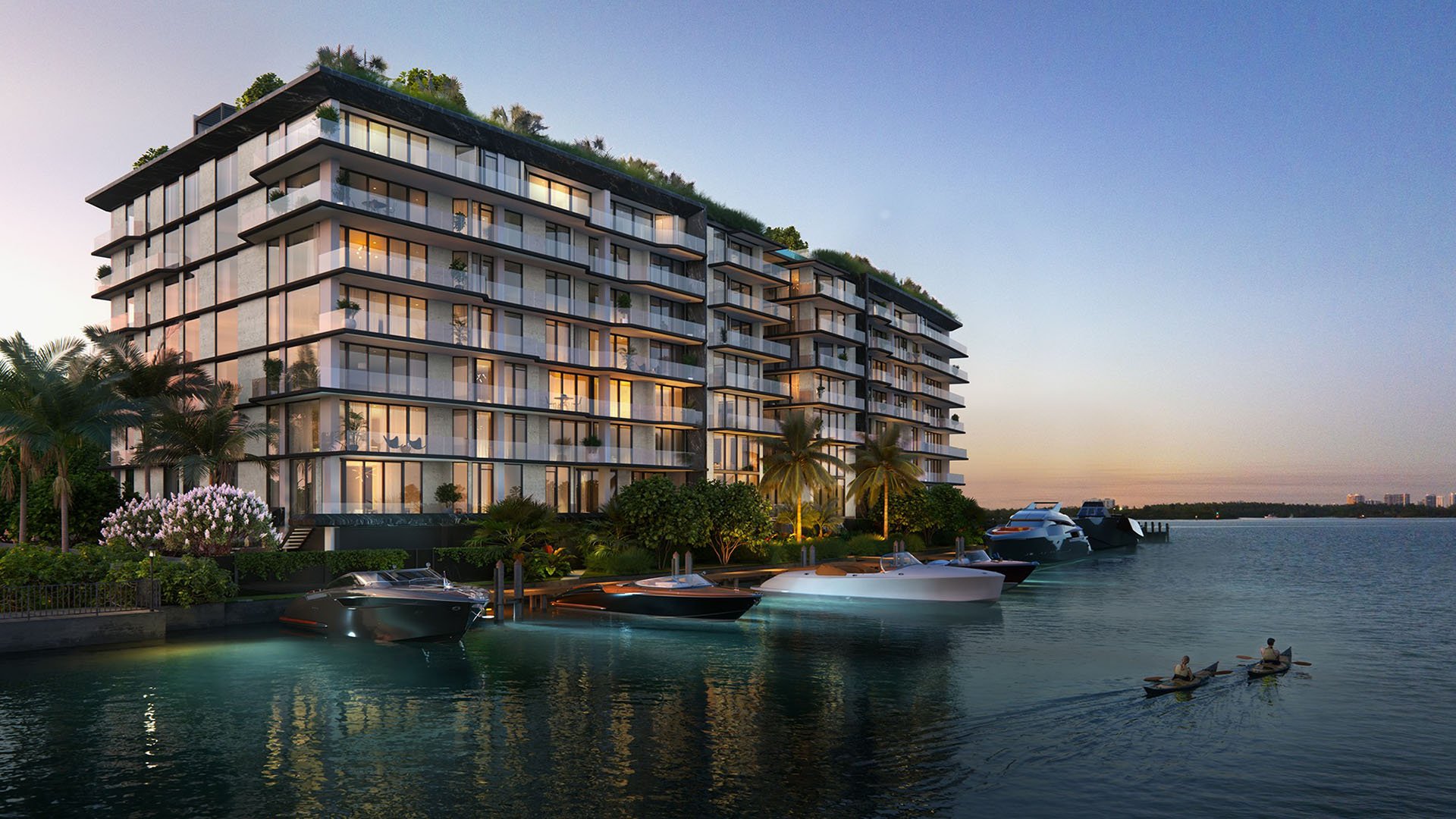
For many Dallas families, Key Biscayne offers a distinct expression of South Florida living: quieter than the urban core, more residential than the resort corridors, and deeply shaped by water, privacy, and daily outdoor routine. The appeal is immediate. Moving from North Texas to an island setting changes the rhythm of ownership, from the way a home is approached after dinner to how often the terrace, dock, beach path, or pool becomes part of the day.
The strongest purchases, however, are not driven by scenery alone. Waterfront property in Key Biscayne requires a different level of review than an inland estate. Buyers should evaluate exposure, upkeep, association rules, insurance, boating logistics, construction quality, and the practical realities of island access before becoming attached to a view.
That distinction matters for new Florida residents from Dallas, where luxury ownership often centers on land, privacy, gated entries, and interior scale. In Key Biscayne, value may be shaped by orientation, water frontage, building resilience, outdoor livability, and the scarcity of a setting that feels removed while still connected to Miami.
Before comparing homes, define how the property will be used. A primary residence has different requirements than a second home, and a family relocating full-time may value daily convenience more than a buyer focused on seasonal entertaining. In Key Biscayne, the question is not simply whether the home is beautiful. It is whether the property supports the way you intend to live.
Consider school routines, airport access, staff access, guest parking, beach habits, boating frequency, and whether the household prefers a condominium, an estate setting, or a low-maintenance lock-and-leave residence. A Dallas buyer accustomed to large lots may first gravitate toward estates and single-family homes, but should still compare them with full-service condominium living, where maintenance, security, and amenities can simplify coastal ownership.
For buyers who want an island condominium reference point, Oceana Key Biscayne is a natural name to know, particularly when weighing privacy, services, and immediate island context against the responsibilities of a detached waterfront home.
In Dallas, a premium home inspection may focus heavily on systems, roofing, foundation, drainage, and interior condition. In Key Biscayne, those issues still matter, but the waterfront condition becomes central. The water side of the property should be treated as a primary asset, not a backdrop.
Buyers should ask their advisors to evaluate seawall condition, dock condition where applicable, drainage patterns, elevation, site exposure, and the practical usability of outdoor spaces in different weather conditions. A pool deck or terrace that looks perfect in photography should also be reviewed for shade, wind, salt exposure, privacy, and maintenance demands.
For oceanfront or bayfront homes, orientation can shape the entire ownership experience. Morning light, afternoon glare, prevailing breezes, and exposure to open water can influence comfort and long-term upkeep. A beautifully renovated interior cannot offset a poorly understood site.
For many relocating buyers, boating is part of the Key Biscayne dream. It should also be one of the earliest diligence topics. Waterfront does not automatically mean that every boating use is simple, permitted, or ideal. The details matter.
Review dock permits, water depth, lift capacity, access routes, bridge considerations where relevant, and any restrictions tied to the property or association. If a residence includes a boat slip, confirm how that right is held, whether it is deeded or assigned, what size vessel it can accommodate, and what approvals are required for modifications or repairs.
A buyer who expects to keep a boat at home should involve marine and legal advisors before contract deadlines become tight. The cost of overlooking boating limitations is not only financial. It can change how the property functions.
Key Biscayne’s strength is also what requires thoughtful planning. It offers a more contained, residential atmosphere than many mainland neighborhoods, but that sense of separation should be tested against daily needs. Buyers should personally experience weekday drives, school-hour movement, restaurant routines, airport timing, and access to Brickell, Coconut Grove, Coral Gables, Miami Beach, and private clubs.
Some Dallas buyers ultimately decide that Key Biscayne is the right primary base. Others prefer a split strategy, with a mainland residence for urban convenience and an island or beach property for retreat. Comparing options can sharpen the decision. For example, Una Residences Brickell gives buyers a mainland waterfront frame of reference, while Four Seasons Residences Coconut Grove offers a different residential rhythm on the bay side of Miami.
These comparisons are not about substituting one neighborhood for another. They help buyers understand whether they want island privacy every day, or whether they prefer to be closer to Miami’s urban and cultural center.
Waterfront ownership in South Florida should be underwritten conservatively. Before deciding whether a property is fairly priced, buyers should understand insurance availability, deductibles, flood considerations, roof condition, impact openings, mechanical systems, generator capacity, drainage, landscaping resilience, and expected maintenance.
For condominium buyers, the review should include association budgets, reserves, assessments, building projects, rules on leasing, pet policies, guest access, and renovation approvals. For single-family buyers, the focus expands to private maintenance, landscape exposure, seawall care, pool systems, exterior materials, and vendor reliability.
Dallas buyers are often highly sophisticated about carrying costs, but the categories differ in coastal Florida. A well-priced home can become less attractive if near-term maintenance, insurance, or association obligations are not understood before closing.
A luxury waterfront purchase is not only about the home once you are inside. It is also about arrival. How does the property handle guests, deliveries, service providers, and family members returning at different times of day? Is the entry discreet? Is the street quiet? Can staff or vendors access the property without disrupting the household?
Key Biscayne buyers should pay particular attention to how privacy feels in person. Waterfront homes can be visually exposed from the water, neighboring terraces, adjacent docks, or nearby upper floors. Landscaping, setbacks, glass placement, and outdoor lighting all shape the living experience.
Buyers comparing Key Biscayne with more controlled enclaves may also look at The Residences at Six Fisher Island for another expression of privacy-led island living. The point is to decide which level of access, service, and separation best matches the household.
Many waterfront buyers plan to personalize after closing. In Key Biscayne, that plan should be realistic from the start. Renovations may involve association approvals, municipal review, specialized materials, coastal-rated openings, marine contractors, landscape restrictions, and longer lead times for premium finishes.
A Dallas buyer may be used to extensive interior customization, but in a coastal environment, durability should guide aesthetics. Exterior metals, stone, wood, glazing, roofing, cabinetry, and mechanical equipment all need to be selected with salt air, humidity, and sun exposure in mind.
The best homes do not merely look polished on closing day. They are designed to age gracefully in a demanding environment.
For some families, Key Biscayne is the forever Florida base. For others, it is one piece of a broader South Florida lifestyle that may include a city pied-à-terre, a beach residence, or a future move north to Palm Beach County. Thinking this way can help clarify whether a buyer should prioritize land, services, boating, rental flexibility, or long-term family use.
A buyer who values resort-style beach proximity may also study Miami Beach options such as The Ritz-Carlton Residences® Miami Beach to understand how branded service, beach access, and mainland convenience compare with the quieter feel of Key Biscayne.
This is where a strong advisor matters. General guidance can outline the issues, but only property-specific diligence can determine whether a particular waterfront home is the right acquisition.
Is Key Biscayne a good fit for Dallas families relocating to Florida? It can be, especially for buyers who value island calm, outdoor living, and proximity to Miami without living in the urban core.
Should I choose a condominium or a single-family waterfront home? A condominium may simplify maintenance and services, while a single-family home may offer more privacy, land, and control.
What should I inspect first on a waterfront property? Start with elevation, drainage, seawall or dock condition, exterior systems, and the property’s exposure to water, sun, and wind.
Does every waterfront home work for boating? No. Boating use depends on dock rights, depth, vessel size, access routes, permits, and any property or association restrictions.
How should Dallas buyers think about insurance? Insurance should be reviewed early, including availability, deductibles, flood considerations, and how the home’s condition affects coverage.
Is Key Biscayne better for primary living or a second home? It can serve either purpose, but the best choice depends on school needs, travel patterns, maintenance expectations, and lifestyle rhythm.
Are renovation plans more complex on waterfront property? Often, yes. Coastal materials, approvals, specialized contractors, and exterior resilience should be addressed before closing.
What privacy issues are unique to waterfront homes? Visibility from the water, neighboring terraces, docks, and outdoor living areas can affect how private the property feels day to day.
Should I compare Key Biscayne with other Miami neighborhoods? Yes. Comparing Brickell, Coconut Grove, Miami Beach, and Fisher Island can clarify whether island living is truly the right fit.
What is the most important mindset for buying in Key Biscayne? Treat the site, water, carrying costs, and daily usability as seriously as the architecture and interior design.
When you're ready to tour or underwrite the options, connect with MILLION.
If branded residences are on your mind — as a home or as an allocation — we would be glad to share what we are seeing, privately.
Begin a quiet conversation