A discreet buyer’s guide to selecting a boutique South Florida residence, from privacy and service style to neighborhood fit, pre-construction decisions and long-term livability.
The Aspen buyer often arrives in South Florida with a finely tuned instinct for discretion. Space matters, but so does silence. Service matters, but only when it feels intuitive. The best boutique residence is not simply a smaller building or a more polished lobby. It is a daily environment in which privacy, proportion, arrival, staff culture and neighborhood rhythm work in concert.
In Brickell, that calculus becomes especially nuanced. The district offers a metropolitan lifestyle, yet the right residence should still give an owner the feeling of retreat. A boutique choice must resolve two opposing desires: access to the city and separation from its pace. The same tension appears in Miami Beach, Coconut Grove and Bay Harbor Islands, each with its own expression of privacy.
Boutique is not merely an aesthetic category. It is a way of buying. The essential question is not whether a building is impressive, but whether it supports the exact way a buyer lives when no one is watching.
Before comparing finishes or amenity menus, define the residence’s primary role. Is it a full-time home, a seasonal base, a pied-à-terre, or a place for family gatherings? A buyer who expects weekday business dinners in Brickell will prioritize elevator ease, garage access and a calm arrival sequence. A buyer coming from Aspen for winter stays may care more about terrace comfort, guest separation and a service model that can prepare the home before arrival.
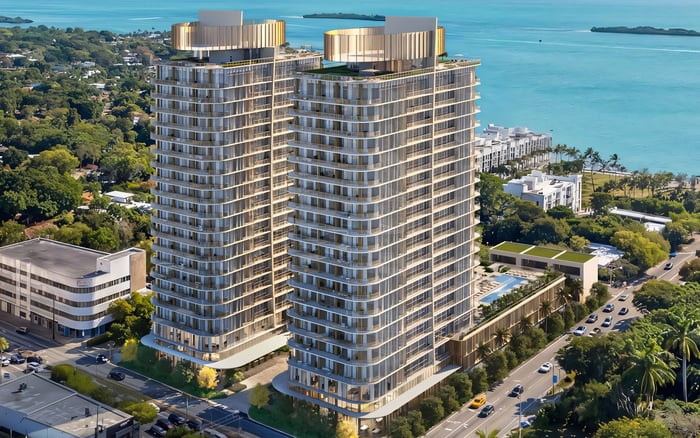
In Brickell, buyers may compare boutique-minded options such as 2200 Brickell while weighing how a building manages the transition from street energy to private residence. The decision is less about living above the skyline and more about how the residence supports daily privacy.
For some buyers, a waterfront or garden-oriented setting will feel more natural. For others, the value lies in walking to dinner, meetings and culture without depending on a car. The best residence is the one that reduces friction in the daily pattern you already prefer.
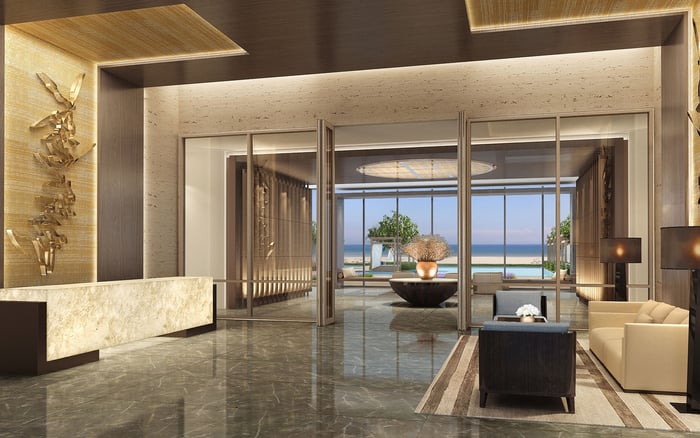
Ultra-premium buyers often ask about pools, wellness rooms and entertaining spaces, but privacy is the amenity that quietly determines satisfaction. Consider how many moments are shared before you reach your front door. The sequence matters: curb, valet, lobby, elevator, corridor, threshold.
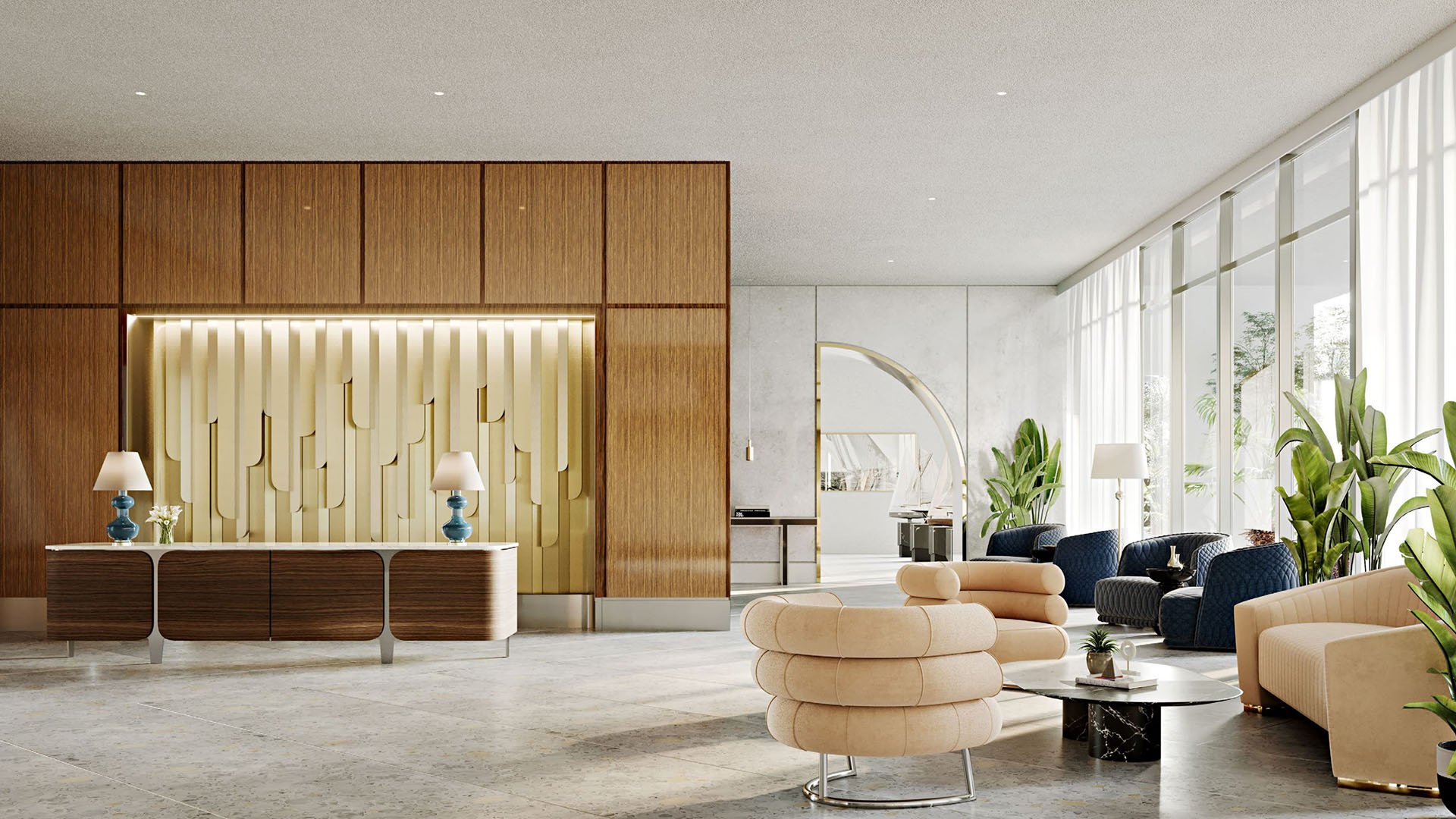
A boutique building should feel composed at every step. The lobby should not operate like a public room. Staff should recognize residents without performing familiarity. Elevators should feel efficient and secure. Corridors should be quiet, well scaled and free from the sense of transient traffic.
Inside the residence, privacy becomes architectural. Look for bedroom separation, guest suites that do not interrupt the primary living areas, powder rooms placed away from family spaces and terraces that feel usable rather than exposed. Even a spectacular view loses value if the plan does not allow owners to live comfortably around it.
Not all service is equal. A hotel-branded residence may suit a buyer who wants hospitality, programming and immediate support. A more residential building may better serve someone who values consistency, discretion and a sense of ownership culture. Wellness-led environments can be compelling when the offering feels integrated rather than decorative.
In Coconut Grove, buyers considering wellness and routine may include The Well Coconut Grove in a broader comparison. The key is to decide whether wellness is a true lifestyle requirement or simply an appealing feature.
Ask how service will work on an ordinary Tuesday. Who receives guests? How are deliveries handled? How does staff communicate with owners who are away? Can the building support a lock-and-leave lifestyle without making the residence feel impersonal? These operational details rarely photograph well, but they define the ownership experience.
Brickell is for buyers who want proximity to business, dining and the urban waterfront. The right boutique residence here should temper intensity rather than amplify it. Una Residences Brickell may be part of the conversation for buyers comparing Brickell options through the lens of privacy, orientation and residential mood.
Miami Beach asks a different question. The buyer is often choosing atmosphere as much as address: morning walks, beach access, dining rituals and a resort-adjacent cadence. The Perigon Miami Beach fits naturally into a comparison focused on design, shoreline living and a refined arrival experience.
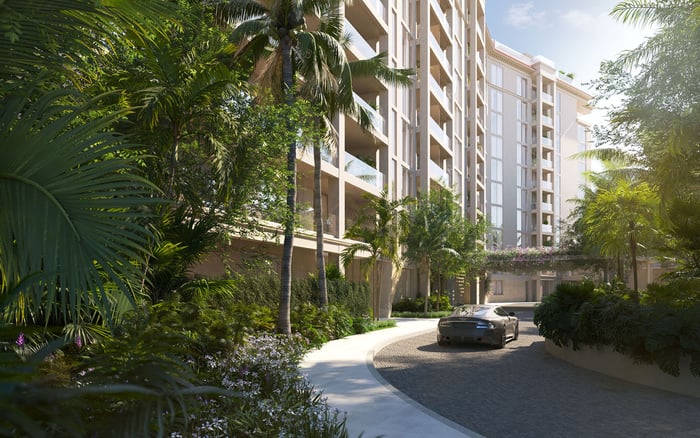
Coconut Grove appeals to buyers who want softness, canopy and a slower rhythm while remaining close to the city. It can feel more residential, less vertical and more connected to outdoor living. For an Aspen-minded buyer, the Grove may offer the psychological benefit of calm without requiring withdrawal from Miami.
Bay Harbor Islands can be another compelling option for buyers who want a quieter residential scale near Bal Harbour and the beaches. Alana Bay Harbor Islands is the kind of project buyers may consider when intimacy and neighborhood restraint matter as much as headline amenities.
New-construction buying rewards clarity. Early choices tend to shape the ownership experience for years: elevation, exposure, terrace depth, ceiling presence, parking convenience, storage and the relationship between indoor and outdoor living. Buyers should resist choosing purely from the most dramatic rendering. The sharper question is how the home will feel at breakfast, after a flight, during a dinner party and on a quiet Sunday.
Review the plan before the view. A beautiful outlook cannot compensate for awkward circulation or insufficient separation between public and private spaces. Study where art will hang, how furniture will sit, how sunlight will enter and whether the kitchen supports the way you actually entertain.
Also consider the building’s future community. Boutique residences are shaped by their residents. A calm ownership culture can be as valuable as a spa or lounge. Ask whether the building feels oriented toward full-time living, seasonal use, entertaining, wellness, family life or a mix. The strongest projects make that identity legible without needing to say too much.
When narrowing choices, compare residences across five categories: privacy, plan, service, neighborhood and exit logic. Privacy includes arrival, elevators and sightlines. Plan includes room proportion, storage, guest accommodation and terrace usability. Service includes staffing, maintenance, owner communication and away-from-home support. Neighborhood includes your real weekly pattern, not an imagined vacation version of yourself.
Exit logic does not mean buying without emotion. It means choosing something another sophisticated buyer will understand later. A boutique residence with a clear identity, durable design and coherent service model is easier to explain than one that depends on novelty.
The Aspen to Brickell buyer is not chasing scale for its own sake. The prize is a residence that feels edited, private and precise, with enough service to simplify life and enough restraint to make it feel like home.
What makes a residence boutique? Boutique typically refers to a more intimate ownership experience, with emphasis on privacy, design coherence and a calmer daily rhythm.
Is Brickell suitable for a boutique buyer? Yes, if the building creates a strong sense of retreat from the surrounding urban energy and supports discreet daily living.
Should I choose Miami Beach or Brickell? Choose Miami Beach for a resort and shoreline rhythm, and Brickell for city access, business proximity and urban convenience.
Why do Aspen buyers often like boutique residences? Many are accustomed to privacy, refined service and homes that feel personal rather than institutional.
How important is the arrival experience? Very important. The sequence from curb to front door often reveals how private and well managed the building will feel.
Are amenities less important in a boutique building? Amenities still matter, but their quality, relevance and ease of use matter more than the length of the menu.
What should I review first in a floor plan? Start with circulation, bedroom separation, terrace usability, storage and how the living spaces support entertaining.
Is Coconut Grove a good alternative to Brickell? Coconut Grove may suit buyers who want a softer residential rhythm, more greenery and a quieter sense of arrival.
What is the biggest mistake in buying boutique? The biggest mistake is choosing a beautiful residence that does not match your actual daily habits and privacy expectations.
How should I compare New-construction options? Compare the plan, service model, neighborhood fit, delivery expectations and long-term livability before focusing on renderings.
For a confidential assessment and a building-by-building shortlist, connect with MILLION.
If branded residences are on your mind — as a home or as an allocation — we would be glad to share what we are seeing, privately.
Begin a quiet conversation