In Boca Raton’s newest ultra-luxury towers, service has become the real differentiator. Beyond finishes and views, buyers are choosing between three distinct operating philosophies: the hotel-branded model, the boutique concierge model, and the full-service luxury condominium model managed by an association with a professional operator. Each delivers a different kind of privacy, predictability, and daily ease. This MILLION Luxury editorial explains how these models actually work, what you are paying for, and which questions matter most before you commit. The goal is not to crown a universal winner, but to help you match service style to how you live in Boca Ratón, whether you arrive for seasons, entertain frequently, or prefer an invisible, low-touch baseline that still feels impeccably run.
In today’s ultra-premium market, “amenities” are no longer the differentiator. The real distinction is operational: who delivers the experience, how consistently it’s delivered, and how personal it feels. In Boca Ratón, three service models have become the clearest options for buyers who value day-to-day ease as much as architecture.
At one end is the hotel-branded residence, built around a hospitality operator and a recognizable service playbook. At the other is the boutique building, where fewer residences can mean greater familiarity, fewer moving parts, and a quieter rhythm. Between them is the full-service luxury condominium, where an on-site team and a professional management firm provide hospitality-style support within the governance structure of a condominium association.
These distinctions matter because they shape everything: how requests are handled, how private the building feels, how staffing scales through the year, and how wellness and lifestyle offerings function in everyday life.
Boca Ratón’s premium pipeline has made “concierge” a common word, but it doesn’t always mean the same thing. The models below reflect how service is typically structured, what each prioritizes, and where the experience can feel frictionless - or unnecessarily fussy - depending on your expectations.
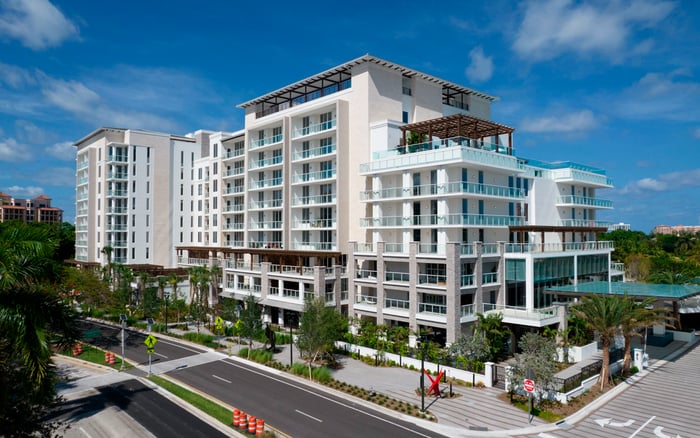
A true branded-residences model is designed to feel like an extension of a luxury hotel platform. In Boca Ratón, The Residences at Mandarin Oriental are positioned as a hotel-adjacent lifestyle offering at Via Mizner, with service framed around “legendary service” expectations and dedicated residential support such as concierge, valet, housekeeping, and maintenance. The promise is consistency: a recognizable cadence of responsiveness, formality, and guest handling.
For buyers who entertain often - or simply want a staff culture trained around hospitality rituals - branded residences can deliver an exceptionally polished front-of-house experience. The tradeoff is philosophical: you’re opting into a defined service identity with its own standards and tone. Some owners value the predictability; others prefer an understated environment that reads less “hotel-like.”
Boutique buildings compete on intimacy. With fewer residences, staff can know owners by preference rather than unit number, and shared spaces can feel curated instead of sprawling. Glass House is boutique in scale, offering 28 residences and highlighting concierge services and a doorman as key touchpoints. Its amenities are organized around a rooftop “oasis” concept, concentrating shared life into a smaller set of refined, high-use spaces.
This model often feels inherently discreet: fewer neighbors, fewer visitors, and fewer operational layers. It also tends to suit owners who want a tight amenity footprint executed exceptionally well, rather than a campus of spaces used sporadically. The practical question is capacity: the same low-density advantage can also mean less redundancy if staffing is lean, so it’s worth asking how coverage is maintained during peak season.
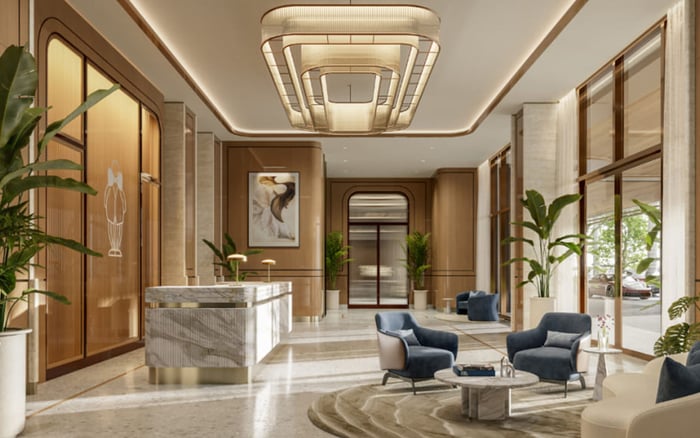
The third model is increasingly common in Boca’s high-end market: a full-service, non-hotel condominium that still operates with a hospitality mindset day to day. ALINA Residences offers lifestyle and concierge services with an on-site full-service staff, including 24/7 lobby attendants, concierge, and valet. It isn’t structured around a hotel operator, and it isn’t intended to feel like one. Instead, it’s a high-touch condominium experience designed to be reliable, resident-forward, and operationally professional.
ALINA also illustrates the management side of this model: FirstService Residential was selected to manage ALINA 210, reflecting a third-party luxury property-management approach rather than a branded-hotel operator. For many owners, this is the balance point - elevated service without adopting a hotel’s identity.
1. Hotel-branded service - The Residences at Mandarin Oriental Boca Raton The defining feature is a hospitality playbook: dedicated residential services like concierge and valet, with housekeeping and maintenance structured to feel hotel-level. This model is built for owners who want a clear service standard and guest handling that feels immediate and practiced.
It tends to suit residents who want a lifestyle that can shift from quiet residential living to a more event-ready, service-forward environment when family or friends arrive.
2. Boutique concierge model - Glass House Boca Raton With 28 residences, the building’s scale supports a more personal, low-density experience. It promotes concierge services and a doorman, with amenities concentrated into a rooftop “oasis” concept that favors quality over quantity.
This is a strong match for owners who prioritize discretion, familiarity, and a refined daily rhythm over a maximal menu of programmed spaces.
3. Full-service luxury condominium - ALINA Residences This model pairs formal staffing with a residential tone: 24/7 lobby attendants, concierge, and valet, positioned as lifestyle support rather than baseline condo management. Wellness is treated as a core part of the resident experience, with spa-style elements that go beyond a simple gym.
It appeals to owners who want consistent staffing and hospitality-style assistance while keeping governance clearly in the condominium realm.
Sophisticated buyers increasingly read wellness as an operational signal. A well-designed salt room, steam room, sauna, or treatment space is only part of the equation. The more important question is how those spaces are maintained, how they’re integrated into the building’s culture, and whether the property feels designed for daily use rather than occasional novelty.
In the full-service condominium model, wellness can operate as a lived system. At ALINA, wellness is positioned as part of the experience, supported by spa-style features such as a salt room, steam room, sauna, and treatment spaces. In a boutique environment like Glass House, the wellness footprint is more compact but still high-end, typically pairing a fitness center with spa-style elements such as sauna, steam, and plunge.
The takeaway is straightforward: when comparing buildings, don’t just tour the rooms. Pay attention to how they feel at normal hours, how they’re staffed or monitored, and whether the environment suggests routine.
Luxury service is less about uniforms and more about authority. When a resident needs last-minute delivery coordination, an in-residence maintenance visit, or guest logistics, the difference between “we can handle that” and “we’ll check” often comes down to how the building is staffed and managed.
In a hotel-branded model, the operating culture is typically built around immediate resolution, with systems that mirror hospitality expectations. In a full-service condominium model, you may still receive that level of support, but it’s often delivered through an on-site team working within association governance and a professional management company. In a boutique setting, the advantage is familiarity - staff may anticipate preferences - but there can be fewer layers of escalation.
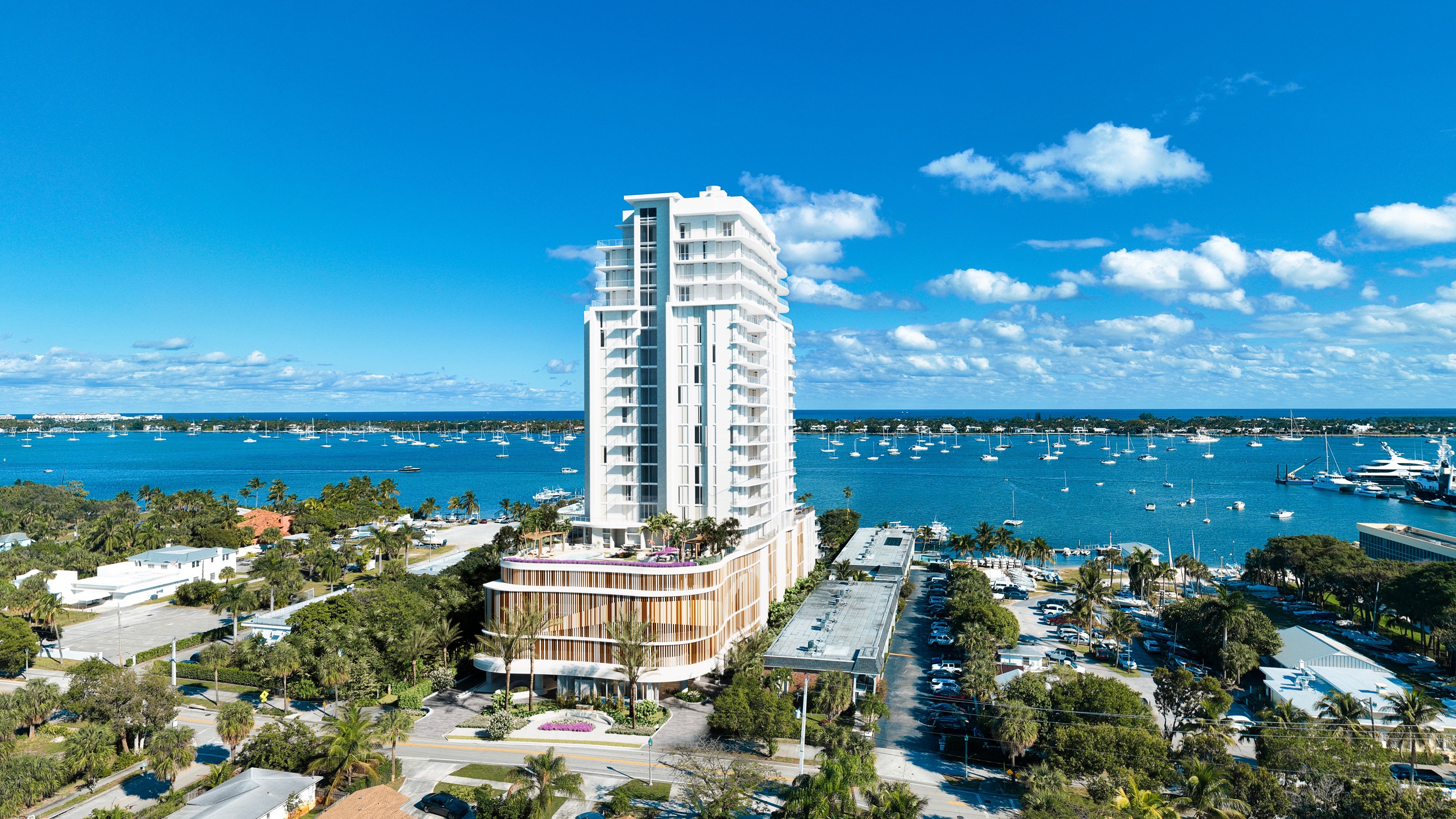
For context beyond Boca Ratón, the same service conversation is influencing buying decisions up the coast in West-palm-beach, where new towers compete as much on operating philosophy as they do on views. If your lifestyle toggles between cities, it can be useful to tour buildings like Mr. C Residences West Palm Beach or The Ritz-Carlton Residences® West Palm Beach to calibrate what “branded” and “hospitality-driven” feel like in practice.
Choosing a service model is ultimately choosing your level of friction - or the absence of it.
If you’re a seasonal owner who wants arrivals to feel effortless, hotel-branded residences often excel at the choreography of coming and going. If you’re privacy-forward and use the building as a calm, design-driven retreat, boutique can feel like the closest extension of a single-family rhythm. If you’re a daily resident who wants reliable staffing and wellness woven into the week, a full-service condominium model typically delivers the strongest balance.
It also helps to consider how much “social surface area” you want in your building. Boutique towers tend to keep interactions limited and familiar. Larger programs can create more opportunity for events, dining-adjacent service, and a busier lobby tempo.
Outside Boca Ratón, buyers comparing coastal lifestyles sometimes explore boutique-to-full-service parallels in Palm Beach County. Buildings such as Alba West Palm Beach and Forté on Flagler West Palm Beach can help clarify whether you prefer a quieter resident culture or a more activated, service-forward environment.
In a market where “concierge” can mean anything from package handling to true lifestyle orchestration, your questions should go well beyond the brochure.
Start with coverage: is the front desk truly 24/7, and which functions are handled in-house versus outsourced? Then ask about authority: what can be approved immediately, and what requires board process or management escalation? Finally, study the physical plan: service is simply easier when deliveries, staff circulation, and resident arrival are designed with intention.
Even without chasing numbers, you can usually sense whether a building is calibrated for white-glove living - or merely styled to imply it.
What is the biggest difference between hotel-branded and full-service condo living? Hotel-branded residences typically follow a hospitality operator’s service standards, while full-service condos deliver elevated support under condominium association governance.
Does boutique scale automatically mean better service? Not automatically, but fewer residences can enable familiarity and discretion if staffing coverage is robust.
Is 24/7 staffing common in Boca Ratón’s newest luxury towers? It is increasingly expected at the top end, and some buildings explicitly offer 24/7 lobby attendant coverage.
What services are typically associated with a hotel-branded residence? Concierge and valet are common, with additional hotel-style offerings often including housekeeping and maintenance support.
How should I evaluate wellness amenities during a tour? Look for spaces designed for daily use and ask how maintenance, cleanliness, and access are managed.
Why does the property-management structure matter to owners? Management influences responsiveness, staffing standards, and how consistently service is delivered over time.
Will a branded residence feel like living in a hotel? It can, depending on the property, but many are designed to preserve residential privacy while borrowing hotel-level service.
What model is best for frequent entertaining? Hotel-branded service can be ideal for guest logistics and hospitality rituals, while full-service condos can also support hosting with a more residential tone.
What model is best for maximum discretion? Boutique buildings often feel the most discreet due to lower density and fewer moving parts.
Can I compare service expectations across South Florida markets? Yes, touring buildings across Boca Ratón and West-palm-beach can clarify which operating style fits your daily life.
For a confidential assessment and a building-by-building shortlist, connect with MILLION Luxury.
If branded residences are on your mind — as a home or as an allocation — we would be glad to share what we are seeing, privately.
Begin a quiet conversation