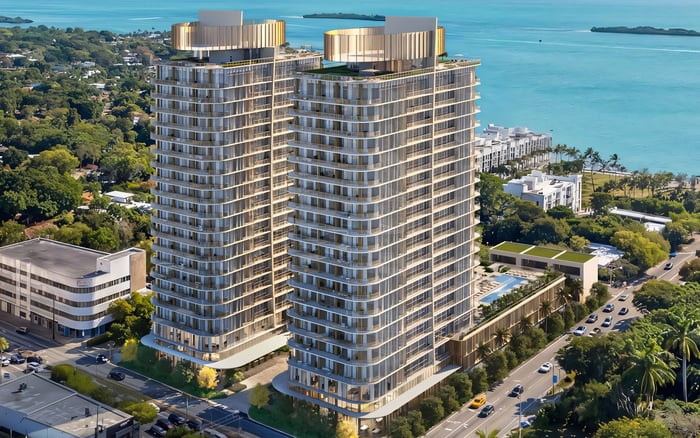
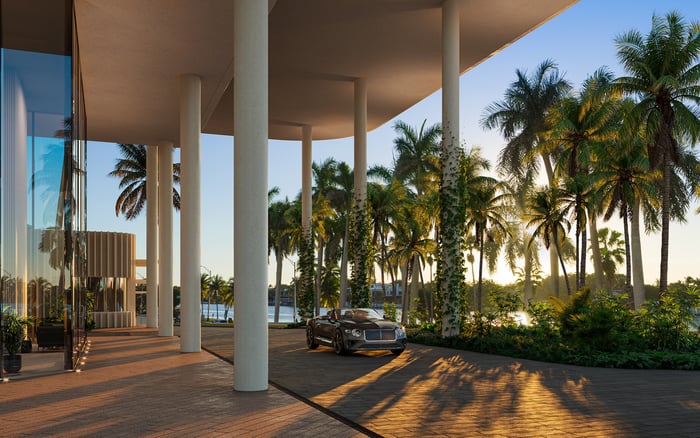
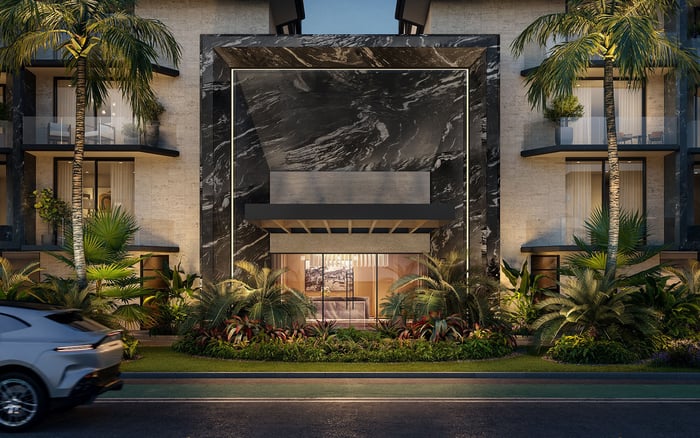
A discreet buyer’s guide to choosing between Miami Beach and Bal Harbour when the true priority is a building culture that feels composed, family-aware, and practical for pets.
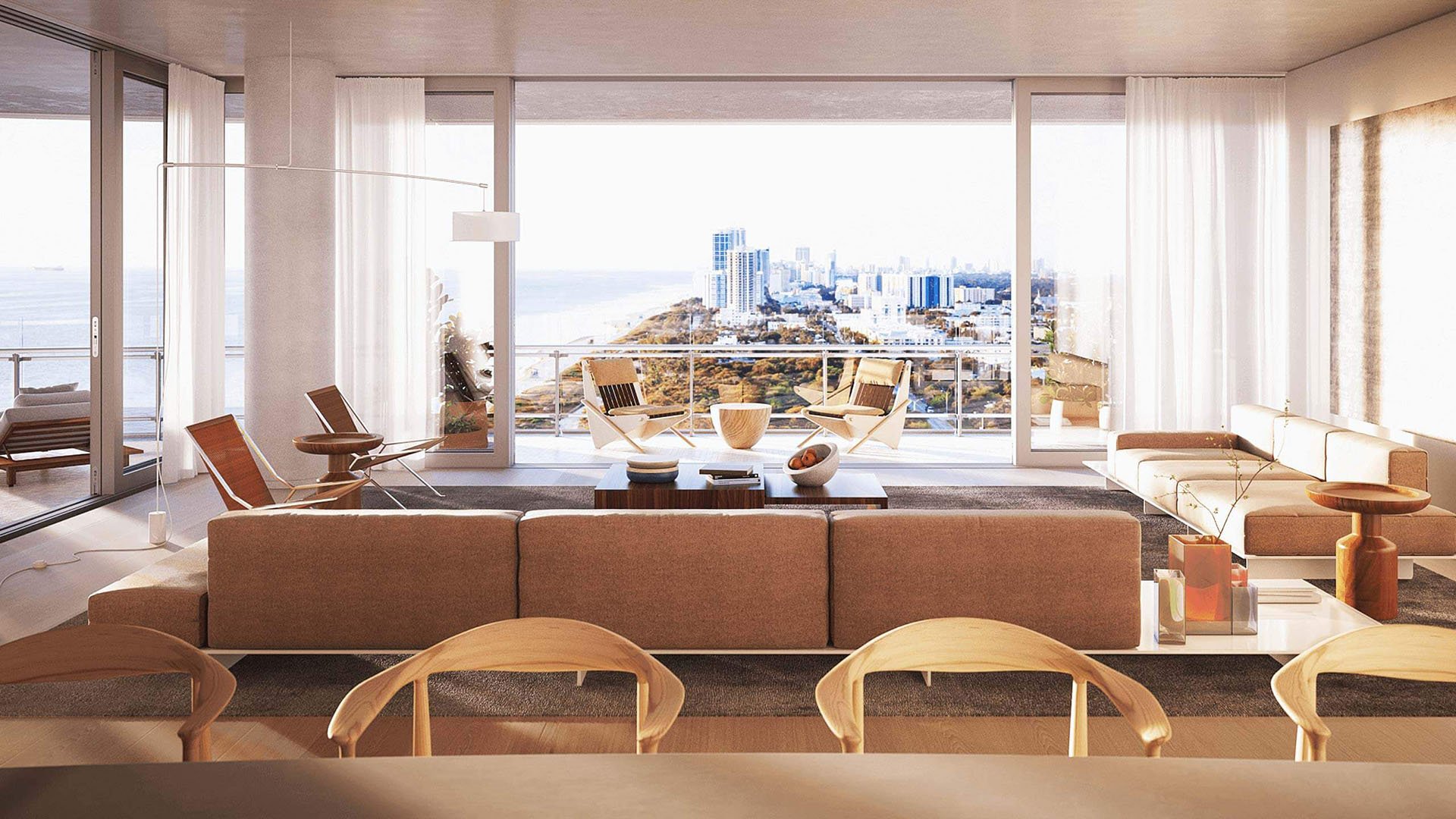
For buyers comparing Miami Beach and Bal Harbour, the decision is often framed around prestige, ocean proximity, and architectural taste. Yet for households with children and pets, the more revealing question is quieter: how does the building function day to day? A residence may have the right view, the right finishes, and the right address, but if its shared culture feels rigid, crowded, noisy, or indifferent to family routines, the ownership experience can quickly lose its ease.
In practical search language, this is a Miami Beach versus Bal Harbour decision filtered through Pets, Beach-access, Private-school, and Boutique preferences. Those terms may sound simple, but they carry real implications. They influence elevator etiquette, lobby tempo, dog policies, pool expectations, stroller movement, guest flow, staff familiarity, and the way residents interact with one another.
Miami Beach and Bal Harbour both appeal to sophisticated buyers, but they offer different emotional registers. Miami Beach can feel more varied, expressive, and layered. Bal Harbour can feel more contained, composed, and private. Neither is inherently better. The right choice depends on whether the household wants energy and options close at hand, or a more curated residential atmosphere with fewer moving parts.
Miami Beach attracts families who want residential luxury without surrendering the larger social and cultural canvas around them. Its appeal is not a single lifestyle, but a spectrum. A buyer can seek a quieter oceanfront setting, a more design-forward condominium, or a residence closer to dining, wellness, and social life. That range is useful for households whose needs evolve as children grow and pets become part of daily routines.
The challenge is that range requires discernment. Two buildings in the same broad area can feel dramatically different. One may have a calm lobby culture and residents who know one another by name. Another may feel more transient, formal, or oriented toward adult entertaining. For children, that difference matters. For dogs, it matters even more, because policies and resident tolerance shape every walk, elevator ride, and service interaction.
A buyer considering 57 Ocean Miami Beach, for example, may be drawn to the idea of an oceanfront Miami Beach address while still needing to ask highly practical questions about household rhythm. How are pets handled in common spaces? Are children visible and welcomed in amenity areas? Does the building feel serene at school-run hours, on weekend mornings, and in the early evening?
Miami Beach also suits buyers who want optionality. If a household includes teenagers, visiting relatives, a nanny, or frequent guests, the ability to choose among beach, dining, wellness, and social settings can be valuable. Residences such as The Perigon Miami Beach speak to buyers who want a refined Miami Beach frame while remaining in a market known for variety and architectural confidence.
Bal Harbour often appeals to buyers who prefer a more contained sense of arrival. The appeal is not necessarily retreat from the world, but a reduction of friction. For families with children and pets, fewer distractions can be a luxury. The ideal building feels legible: staff know the residents, daily patterns are consistent, and the social tone is polished without feeling theatrical.
This is why Bal Harbour can be especially compelling for buyers who prioritize privacy and predictability. A family may care less about proximity to every possible activity and more about entering a residence that feels orderly, quiet, and familiar. Pets benefit from that rhythm as well. A dog-friendly culture is not only about permission. It is about whether the building’s everyday choreography makes pet ownership feel natural rather than negotiated.
Within that context, Rivage Bal Harbour may enter the conversation for buyers who want a Bal Harbour identity with a contemporary residential posture. The evaluation should remain personal: beyond architecture, how does the building feel when a child is in the lobby, when a dog is waiting for an elevator, or when grandparents arrive for a long weekend?
A residence such as Oceana Bal Harbour may also appeal to buyers who associate Bal Harbour with discretion and a calmer ownership rhythm. Still, the buyer’s responsibility is to look past the name and study the lived culture. The best building for a young family is not always the most glamorous one. It is the one where daily life feels effortless.
Before children, a buyer may rank residences by view, architecture, restaurant access, and entertaining potential. After children, luxury becomes more operational. Is the elevator wait manageable? Can a stroller move gracefully through the lobby? Is there room for homework, sleep, play, and visiting family? Does the pool culture welcome children at reasonable hours, or does it feel more like a quiet adult resort?
This is where Miami Beach and Bal Harbour differ less by map and more by building personality. A Miami Beach building can be deeply family-suited if its residents and management support that rhythm. A Bal Harbour building can feel less ideal if its culture is too formal for children’s natural noise and movement. The address provides context, but the association culture delivers the lived experience.
Buyers should also consider school logistics, even without anchoring the entire decision to a single campus. Private-school planning can affect morning timing, driver needs, household staffing, and whether a home feels calm before the day begins. In a luxury condominium, the right floor plan is only one part of the answer. Building circulation, valet flow, and staff coordination can be just as important.
Pet policies are among the clearest indicators of residential culture. A building may permit pets, yet still feel unwelcoming in practice. Another may have rules that are structured, clear, and calmly enforced, creating a better experience for everyone. Serious buyers should request the actual pet rules, not a casual summary, and ask how those rules are experienced day to day.
The questions are specific. Are there size, breed, or number restrictions? Which elevators are used? Are there service corridors or preferred routes? Are pets permitted in certain outdoor areas? How are incidents handled? How does staff communicate with residents who have dogs? The tone of those answers often reveals whether the building treats pet ownership as a normal part of life or as a tolerated exception.
In Miami Beach, pet owners may value the broader sense of movement and choice around them. In Bal Harbour, they may value consistency, quiet, and a more predictable daily walk pattern. The right answer depends on the pet as much as the owner. A social dog and a discreet older dog may thrive in different residential cultures.
The word Boutique matters because scale changes behavior. A smaller residential environment can create familiarity and calm, but it can also make residents more visible to one another. A larger full-service building can offer more infrastructure, but it may also introduce more guests, more staff interactions, and more rules around shared spaces.
For households with children, boutique scale can feel warm when the culture is aligned. Staff may quickly understand routines, family members, and pet preferences. For some buyers, that intimacy is priceless. For others, especially those who entertain frequently or have larger household teams, a more extensive full-service setting may feel easier.
In Miami Beach, The Ritz-Carlton Residences® Miami Beach may be part of a buyer’s comparison if the desired tone is service-driven and residentially polished. The key is to separate brand impression from lived fit. A family should visit at different times, observe the common areas, and listen for the subtle cues that indicate whether the building is child-aware, pet-aware, and calmly managed.
A disciplined buyer should treat this decision as a lifestyle audit. Begin with the household’s real patterns, not the fantasy version. How many school runs happen each day? How often is the dog walked? Do children host friends? Are grandparents frequent guests? Is the home used year-round or seasonally? Does the family want a neighborly environment, or is privacy the highest priority?
Miami Beach is often the better fit for buyers who want range, design variety, and a more expressive setting. Bal Harbour is often the better fit for buyers who want composure, privacy, and a smaller-feeling residential universe. But the ultimate decision should be made building by building, not neighborhood by neighborhood.
The most successful purchase is the one where the residence, rules, staff culture, and surrounding rhythm all support the same life. When children and pets are central to that life, the best building is not merely beautiful. It is gracious under pressure, intuitive in daily use, and quietly generous to the people and animals who call it home.
Is Miami Beach better than Bal Harbour for families with children? It depends on the building culture. Miami Beach may offer more lifestyle variety, while Bal Harbour may appeal to buyers seeking a calmer residential rhythm.
Is Bal Harbour more pet-friendly than Miami Beach? Pet friendliness is determined by each association’s rules and daily enforcement, not only by neighborhood. Buyers should review written policies before making a decision.
What should families ask before buying in a luxury condominium? Ask about children in amenity areas, guest policies, stroller movement, elevator routines, and the general tone of resident life.
What should pet owners verify first? Confirm pet size limits, breed rules, number restrictions, elevator access, outdoor routes, and any fees or approval requirements.
Does a boutique building work well for children? It can, especially when the resident culture is warm and familiar. Smaller scale can also make family activity more visible, so fit matters.
Does a branded residence guarantee family comfort? No. Service quality and brand identity are important, but buyers still need to evaluate rules, resident behavior, and daily logistics.
Should school planning influence the purchase? Yes, because school routines affect morning timing, transportation, staffing, and overall household ease.
How many times should buyers visit a building before deciding? More than once is prudent. Visit during different parts of the day to understand lobby pace, amenity use, and staff interaction.
What is the biggest mistake family buyers make? They focus on finishes and views while underestimating association culture, practical rules, and daily circulation.
Which market is more discreet, Miami Beach or Bal Harbour? Bal Harbour often appeals to buyers seeking a more contained atmosphere, while Miami Beach offers a broader range of residential moods.
If you'd like a private walkthrough and a curated shortlist, connect with MILLION.
If branded residences are on your mind — as a home or as an allocation — we would be glad to share what we are seeing, privately.
Begin a quiet conversation