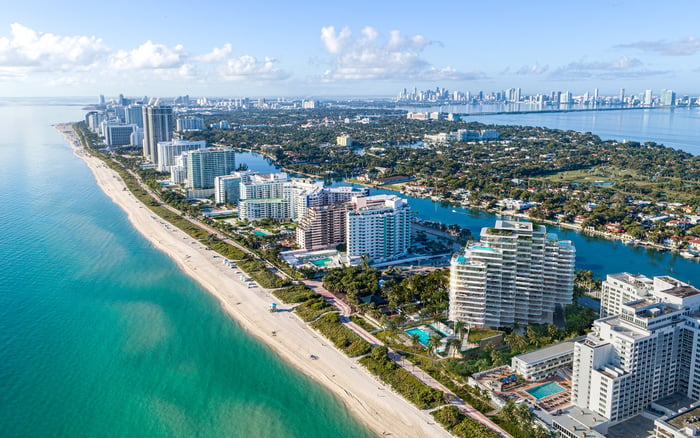
A practical luxury buyer’s guide to evaluating Miami Beach and South of Fifth residences through the lens of terrace usability, shade, wind, privacy, and daily outdoor routines.
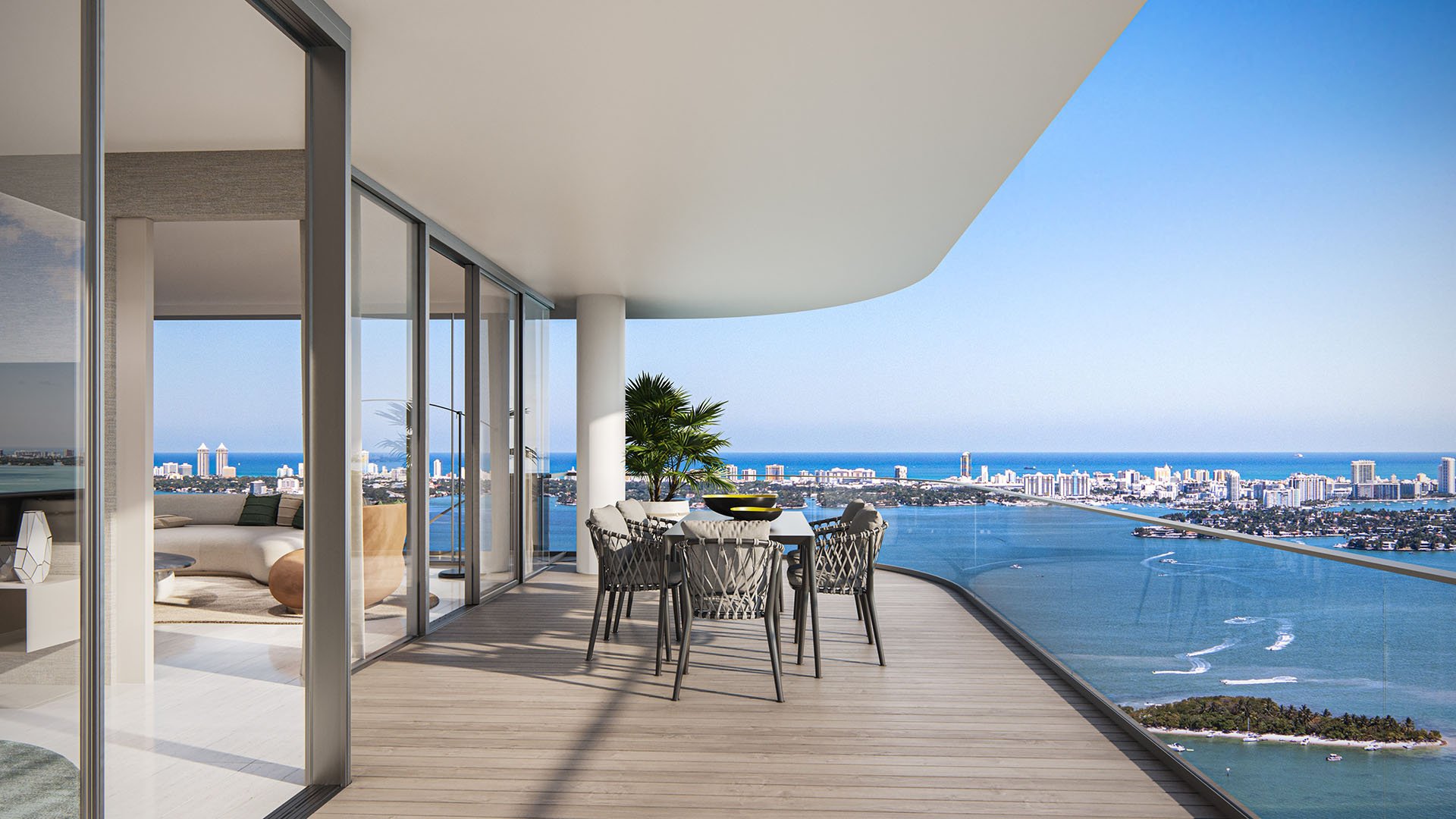
In Miami Beach, a terrace is not simply extra square footage. For the right buyer, it becomes a second living room, a breakfast setting, a place for evening conversation, and a private observatory for water, skyline, garden, or street life. In the wrong residence, it becomes a beautiful but underused ledge-admired in photographs and avoided when heat, glare, or wind make it uncomfortable.
That is why the choice between greater Miami Beach and South of Fifth should begin with use, not status. The view matters. The address matters. But the decisive question is more personal: when will you actually sit outside, and what will make you stay there?
For buyers using saved-search filters, Miami Beach and South of Fifth can point to very different outdoor living patterns. One may prioritize beachfront openness, resort-like scale, and long visual horizons. The other may favor the more village-like rhythm of the island’s southern tip, with an emphasis on calm arrivals, walkability, and discreet privacy. Neither is universally better. The better choice is the one whose terrace supports your daily rituals.
In South Florida, terrace usability begins with shade. A large terrace without thoughtful protection can feel less livable than a smaller, better-sheltered outdoor room. Buyers should study overhangs, balcony depth, adjacent building lines, and how the sun moves across the space at the times they expect to use it.
Morning coffee, late lunch, sunset drinks, and after-dinner air are not the same terrace test. A space that feels perfect at 10 a.m. may be punishing by midafternoon. Conversely, a terrace that seems understated during a quick showing may become the most used part of the home when evening shade arrives.
The word terrace should invite questions. Can dining furniture sit fully under cover? Is there room to move behind chairs? Does the glass line reflect heat? Are planters possible without blocking circulation? Is there enough wall or column structure to create a sense of enclosure? These details separate outdoor square footage from outdoor living.
At 57 Ocean Miami Beach, for example, the appeal for many buyers is not merely proximity to the sand, but the idea of a beach-oriented home where interior and exterior life are considered together. That is the benchmark to apply broadly: not just whether a residence has a terrace, but whether its outdoor space feels like a natural extension of the plan.
Wind is more nuanced than buyers expect. A breeze can make a terrace delightful in warm weather; too much exposure can make dining, reading, or entertaining difficult. The goal is not to eliminate wind. It is to understand its pattern and decide whether the architecture moderates it enough for your habits.
Corner residences, high floors, and open waterfront exposures can be spectacular, but they deserve practical testing. Step outside. Close the terrace door. Listen. Can conversation happen comfortably? Would napkins, cushions, or light objects stay put? Does the wind hit from one side, swirl, or move through cleanly?
Flow-through units can be especially appealing to buyers who value natural ventilation, but they also require discipline. Cross-breezes may be wonderful when managed through doors, screens, and interior zoning. They may be less successful if every outdoor moment feels overly exposed. The ideal plan gives the owner choices, with more than one place to sit and more than one way to open the home.
A project such as The Perigon Miami Beach naturally enters terrace conversations because buyers in this segment are often comparing not only finishes and views, but also how modern beachfront architecture handles privacy, exposure, and usable outdoor depth.
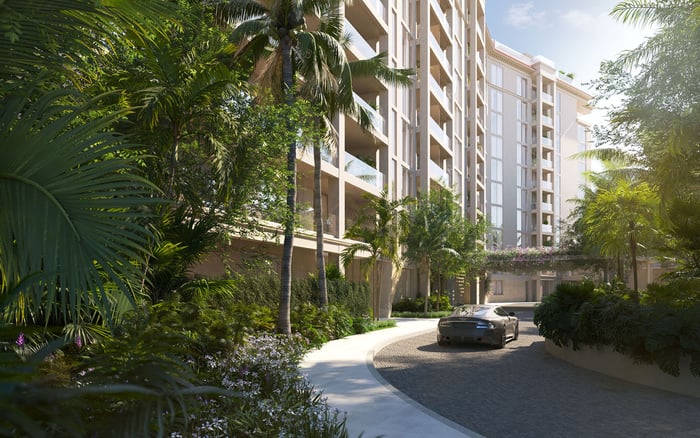
South of Fifth is often chosen by buyers who want Miami Beach with a more contained feeling. The terrace decision there tends to be less about sheer panorama and more about how the residence supports an elegant daily rhythm: coffee before a walk, a quiet evening outdoors, or a private dinner that does not feel overly visible.
In this neighborhood, orientation is critical. Some terraces lean into water and skyline drama. Others relate more to the neighborhood fabric. Some buyers prefer the sense of protection that comes from a lower or mid-level terrace, where the outdoor room can feel connected to the place rather than suspended above it.
A balcony in South of Fifth should be judged the same way one would judge an interior room. Is it deep enough to furnish properly? Does it have privacy from nearby residences? Does the railing height preserve views while seated? Is it comfortable when the building’s pool deck, street activity, or neighboring terraces are active?
Apogee South Beach remains a useful reference point in buyer conversations because it represents the kind of South Beach address where outdoor space, privacy, and large-residence living are often considered together. Nearby, The Ritz-Carlton Residences® South Beach may appeal to buyers who want the service language of a branded residential environment while still studying how each exposure performs in real life.
Outside South of Fifth, Miami Beach offers a broader range of terrace experiences. Beachfront residences may deliver open horizons and a resort sensibility. More residential pockets may feel quieter, greener, or more protected. Newer towers may offer contemporary outdoor proportions, while established buildings can surprise buyers with generous layouts or calmer exposures.
The mistake is assuming that every ocean-facing terrace behaves the same way. It does not. A terrace set back behind a strong overhang may feel dramatically different from one pushed outward into full sun. A lower floor may feel more connected and usable, while a higher floor may trade some comfort for spectacle. A side exposure can outperform a direct exposure if it offers better shade and softer wind.
This is where Five Park Miami Beach can enter the conversation for buyers considering a more contemporary Miami Beach lifestyle with an emphasis on indoor-outdoor living near the southern part of the island. The point is not to choose by name alone. It is to compare how the outdoor rooms support the life you expect to lead.
A serious terrace evaluation should happen slowly. Visit at the time of day you expect to use the space most. Sit down; do not just stand at the railing. Ask where a dining table would go, where a lounge chair would go, and whether both can exist without clutter. Open and close the doors. Notice sound, glare, heat on the floor surface, and how quickly the space feels comfortable after stepping outside.
Privacy is equally important. A terrace can have a magnificent view and still feel unusable if neighboring lines of sight are too direct. Look left, right, above, and below. Luxury is not only what you can see. It is also how freely you can inhabit the space without feeling observed.
For entertaining, measure the terrace against your actual hosting style. A couple who has quiet dinners outdoors needs different proportions than a family that hosts twelve people after boating or beach days. If you imagine outdoor dining, the terrace must support circulation, service, lighting, and shade. If you imagine reading, a smaller protected corner may be worth more than a grand exposed deck.
Choose South of Fifth if you want a more intimate sense of place, value privacy highly, and expect the terrace to function as a calm daily retreat. Choose wider Miami Beach if you are drawn to broader building variety, beachfront openness, and the possibility of larger visual drama. In both cases, prioritize comfort over theatricality.
The best terrace is rarely the one that photographs largest. It is the one that feels inviting at the hour you return home, holds furniture gracefully, offers shade without losing light, and treats wind as a design condition rather than an afterthought. In a market where outdoor space is central to the South Florida dream, usable outdoor space is the true luxury.
Is a larger terrace always better in Miami Beach? No. Shade, depth, privacy, and wind protection often matter more than total size.
Should I prioritize an ocean view or terrace comfort? The best choice balances both, but a comfortable terrace will usually be used more often than an exposed one with a dramatic view.
Is South of Fifth better for outdoor living? It can be, especially for buyers who value a quieter rhythm, privacy, and walkable daily routines.
Are high-floor terraces too windy? Not always. The answer depends on orientation, building form, railing design, and how the terrace is sheltered.
What time of day should I tour a terrace? Tour at the time you expect to use it most, especially late afternoon or early evening if that is your routine.
Do covered terraces perform better in the heat? Often yes. Overhangs and protected outdoor areas can make a terrace feel more usable during warm periods.
Are flow-through residences good for terrace living? They can be excellent when they allow controlled breezes and multiple outdoor or semi-outdoor zones.
How important is privacy on a terrace? Very important. Direct sightlines from neighboring homes can reduce how naturally you use the space.
Can a lower-floor terrace be preferable to a higher one? Yes. Lower or mid-level terraces may feel more sheltered, connected, and comfortable for daily use.
What should I ask before buying around terrace use? Ask how the terrace performs in sun, wind, privacy, furniture layout, door operation, and everyday maintenance.
For a confidential assessment and a building-by-building shortlist, connect with MILLION.
If branded residences are on your mind — as a home or as an allocation — we would be glad to share what we are seeing, privately.
Begin a quiet conversation