A buyer-focused guide to Miami Beach residence types that prioritize shaded terraces, covered outdoor rooms, cabana-style living, and softer sun exposure.
In Miami Beach, outdoor space is not inherently luxurious simply because it faces water, sky, or a swimming pool. The finest terraces, balconies, cabanas, and garden rooms are the ones a buyer can use throughout the day. Shade is the quiet differentiator. It shapes whether morning coffee feels effortless, whether outdoor lunch is realistic, and whether an evening terrace can shift from private retreat to composed entertaining space.
For the ultra-premium buyer, shade-first living is less about avoiding the sun than mastering it. Deep overhangs, covered terraces, mature planting, recessed outdoor seating, pergola-like structures, and cabana settings can turn open air into a true extension of the residence. The effect is architectural, but also emotional: softer light, cooler surfaces, greater privacy, and a slower rhythm.
A precise search brief should use practical language. Terms such as Miami Beach, terrace, balcony, pool, beach access, and South of Fifth can help frame the lifestyle conversation, but the real evaluation happens in person. The question is not whether a residence has outdoor space. The question is whether that outdoor space performs beautifully when the sun is high, the breeze shifts, and guests arrive.
1. Deep-Terrace Ocean Residence - the all-day outdoor room
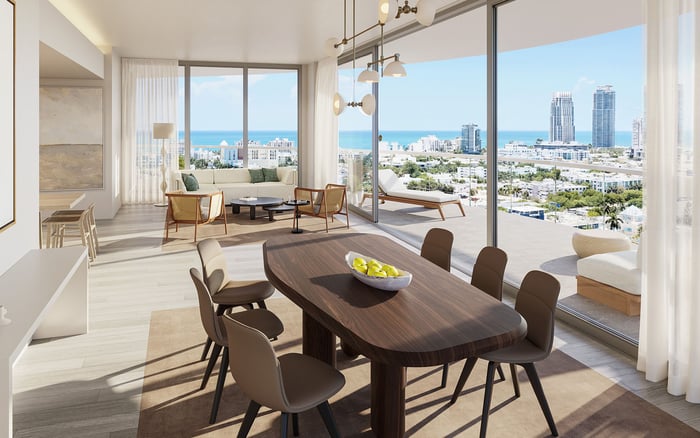
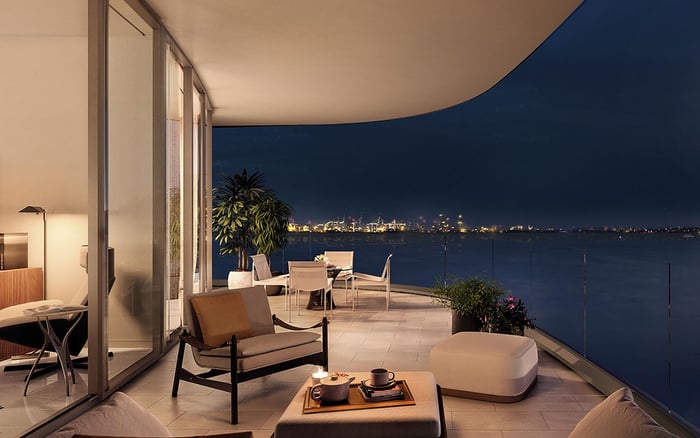
The strongest shade-first profile is a residence with a genuinely deep covered terrace, not a narrow ledge styled as outdoor living. Depth allows a proper dining table, lounge seating, planters, and circulation without forcing furniture into the sun. For buyers who entertain often, this is the closest Miami Beach equivalent to a private open-air salon.
Look for a terrace that feels integrated with the main living room rather than attached as an afterthought. The ideal plan supports wide openings, shaded seating near the interior, and enough covered area to keep the outdoor program useful beyond the first hour of the morning.
2. Loggia-Style Residence - the architectural shade choice
A loggia changes the psychology of outdoor living. Instead of stepping onto an exposed platform, the owner enters a framed outdoor chamber with a ceiling, side protection, and a sense of enclosure. It is one of the most elegant solutions for buyers who want fresh air without surrendering comfort.
This profile is especially compelling for collectors, hosts, and design-driven buyers who prefer restraint over spectacle. A shaded loggia can support sculptural furniture, discreet lighting, and planted edges while preserving the refined atmosphere of the interiors.
3. Garden-Level Residence - the canopy and courtyard advantage
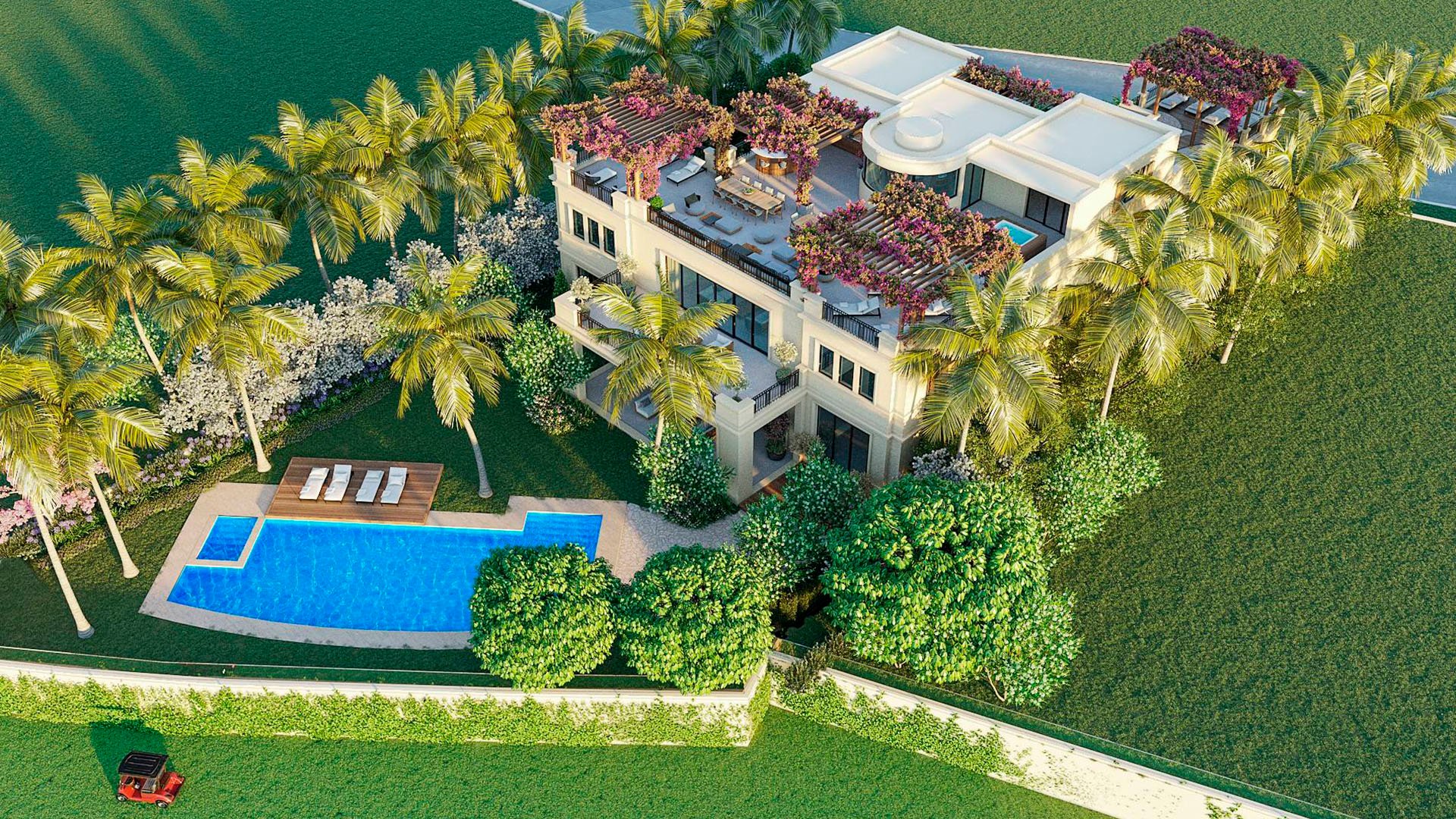
Garden-level residences can be highly effective for shade-first living when privacy, planting, and outdoor sequencing are handled well. Rather than relying only on building overhangs, these homes may benefit from a layered landscape experience, with palms, hedges, walls, and covered seating creating a softer microclimate.
The key is balance. A garden residence should feel protected, not enclosed. Buyers should examine sightlines from neighboring homes, the relationship between interior rooms and outdoor areas, and whether the shaded zones support daily rituals such as reading, dining, and quiet work.
4. Cabana-Adjacent Residence - the resort living specialist
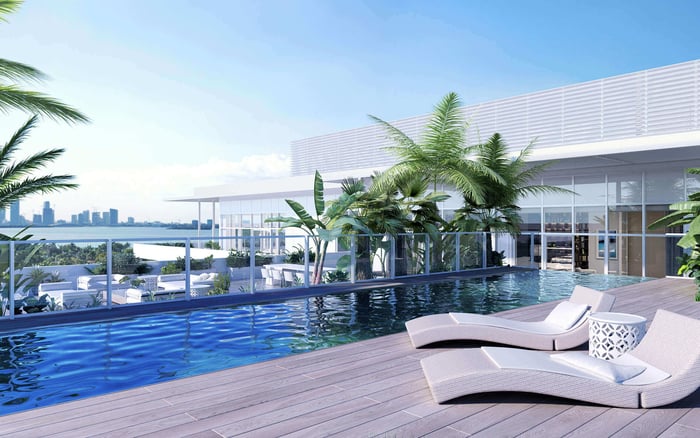
For buyers who want a daily resort cadence, cabana-adjacent living can be persuasive. The appeal is not simply proximity to a pool. It is the ability to move from residence to shaded lounge, water, and service with minimal friction. Done well, this profile suits families, seasonal owners, and hosts who value informal entertaining.
The best version gives the owner shaded comfort without making the residence feel public. Privacy thresholds matter: planting, circulation routes, staff access, and acoustic separation can determine whether the setting feels serene or exposed.
5. Low-Floor Covered Balcony Residence - the discreet comfort play
A lower-floor residence with a protected balcony can be an astute choice for buyers who prioritize usability over panorama. While high views often command attention, lower elevations can offer a calmer relationship with gardens, pool decks, and streetscapes, especially when the balcony is recessed or covered.
This profile is best for buyers who want outdoor living as a daily habit rather than a ceremonial backdrop. The right covered balcony can host breakfast, late-afternoon reading, and quiet conversation with less glare and less theatrical exposure.
Shade-first due diligence should be physical, not theoretical. Visit at different times if possible, and note how the sun enters the outdoor space. A terrace that feels gracious at 9 a.m. may be difficult at noon. A balcony that photographs beautifully may lack the covered depth required for real seating.
Furniture is another test. If every chair must be pushed to the wall to avoid direct sun, the layout is compromised. If planters, umbrellas, and screens are required just to make the space tolerable, the residence may be asking decoration to solve an architectural problem.
Privacy is equally important. Shade often works best when paired with intimacy. A covered terrace visible from too many neighboring angles may still feel unusable. The best residences create a sense of retreat through orientation, planting, ceiling height, and thoughtful transitions between interior and exterior rooms.
Shade-first does not mean dim. In a luxury setting, the goal is luminous protection: reflected light, framed views, moderated glare, and materials that remain comfortable to the touch. Stone, wood, upholstery, and metal all behave differently under direct sun. A beautiful outdoor room should not punish bare feet, fade fabrics too quickly, or make dining impractical.
This is where architecture matters. Overhangs, recesses, vertical fins, planting, and covered walkways can filter light without flattening the experience. The most successful Miami Beach residences create shadow that feels intentional, not accidental. The outdoor space remains connected to water, sky, and garden, but the owner controls the intensity.
A shade-first brief should be concise but exacting. Ask for covered outdoor living, terrace depth, usable dining areas, protected lounge zones, and privacy from adjacent residences. If beach access matters, clarify whether the buyer wants direct sand-and-sea convenience or simply the atmosphere of coastal living.
For a seasonal owner, the priority may be a low-maintenance terrace with dependable cover. For a full-time resident, the brief may expand to include shaded outdoor work areas, family-friendly pool routines, and evening entertaining. For a collector, the relationship between light, interiors, and art may be central. In each case, shade becomes part of the residence’s design intelligence.
Why is shade so important for Miami Beach outdoor living? Shade makes terraces, balconies, gardens, and cabanas more usable throughout the day. It also improves comfort, privacy, and the longevity of outdoor furnishings.
Is a larger terrace always better? Not necessarily. A smaller covered terrace can be more valuable than a larger exposed one if it supports real seating, dining, and daily use.
What should I look for during a showing? Study terrace depth, overhead cover, glare, privacy, wind, and furniture placement. The best outdoor rooms feel effortless before staging or accessories are added.
Are covered balconies a good compromise? Yes, if they have enough depth for comfortable seating and do not feel visually exposed. A covered balcony can be highly practical for daily use.
Do garden residences offer better shade? They can, especially when mature planting and covered seating work together. The key is avoiding a space that feels too enclosed or overlooked.
How does shade affect entertaining? It allows guests to remain outside longer and makes dining more comfortable. It also helps outdoor areas feel like finished rooms rather than temporary settings.
Should I prioritize view or shade? The strongest residences offer both, but buyers should be realistic. A spectacular view loses value if the terrace is rarely comfortable enough to use.
Can umbrellas solve a lack of architectural shade? They can help, but they rarely replace deep cover, loggias, or thoughtful orientation. Built-in shade usually feels more refined and dependable.
Is South of Fifth a relevant search term for this lifestyle? Yes, South of Fifth can be part of a refined Miami Beach brief. The individual residence still needs to be judged on orientation, cover, privacy, and outdoor usability.
What is the best way to shortlist comparable options for touring? Start with location fit, delivery status, and daily lifestyle priorities, then compare stacks and elevations to validate views and privacy.
When you're ready to tour or underwrite the options, connect with MILLION.
If branded residences are on your mind — as a home or as an allocation — we would be glad to share what we are seeing, privately.
Begin a quiet conversation