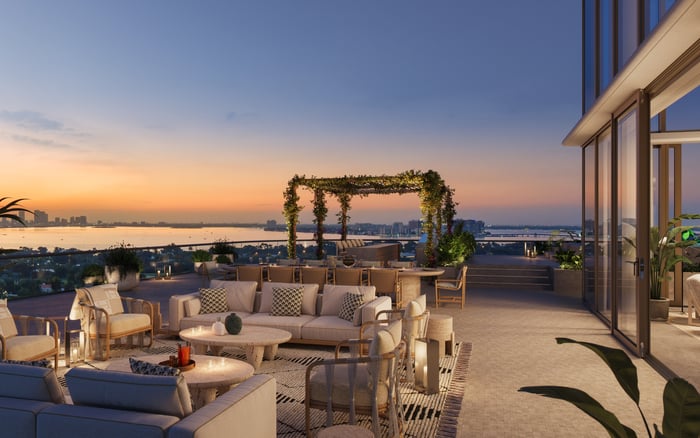
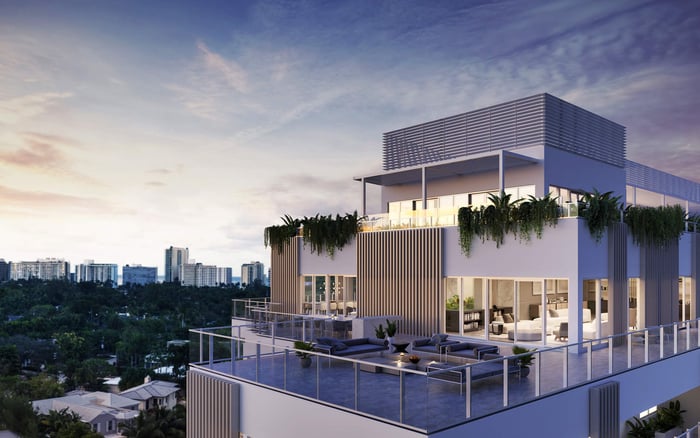
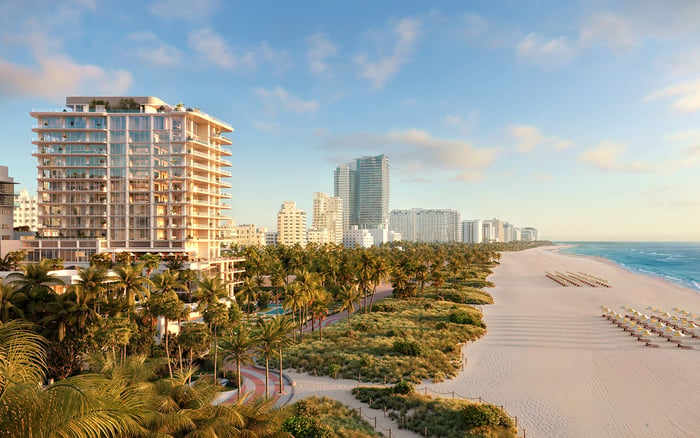
New-construction towers set a relentless benchmark for finishes, tech, and amenities. For South Florida owners and condo boards, the most valuable strategy is not to mimic every new building feature, but to upgrade the moments that buyers actually notice: first impression, daily comfort, and frictionless living. This MILLION Luxury guide outlines the unit-level and building-level improvements that read as modern, protect pricing power, and help Resale inventory compete intelligently with New-construction.
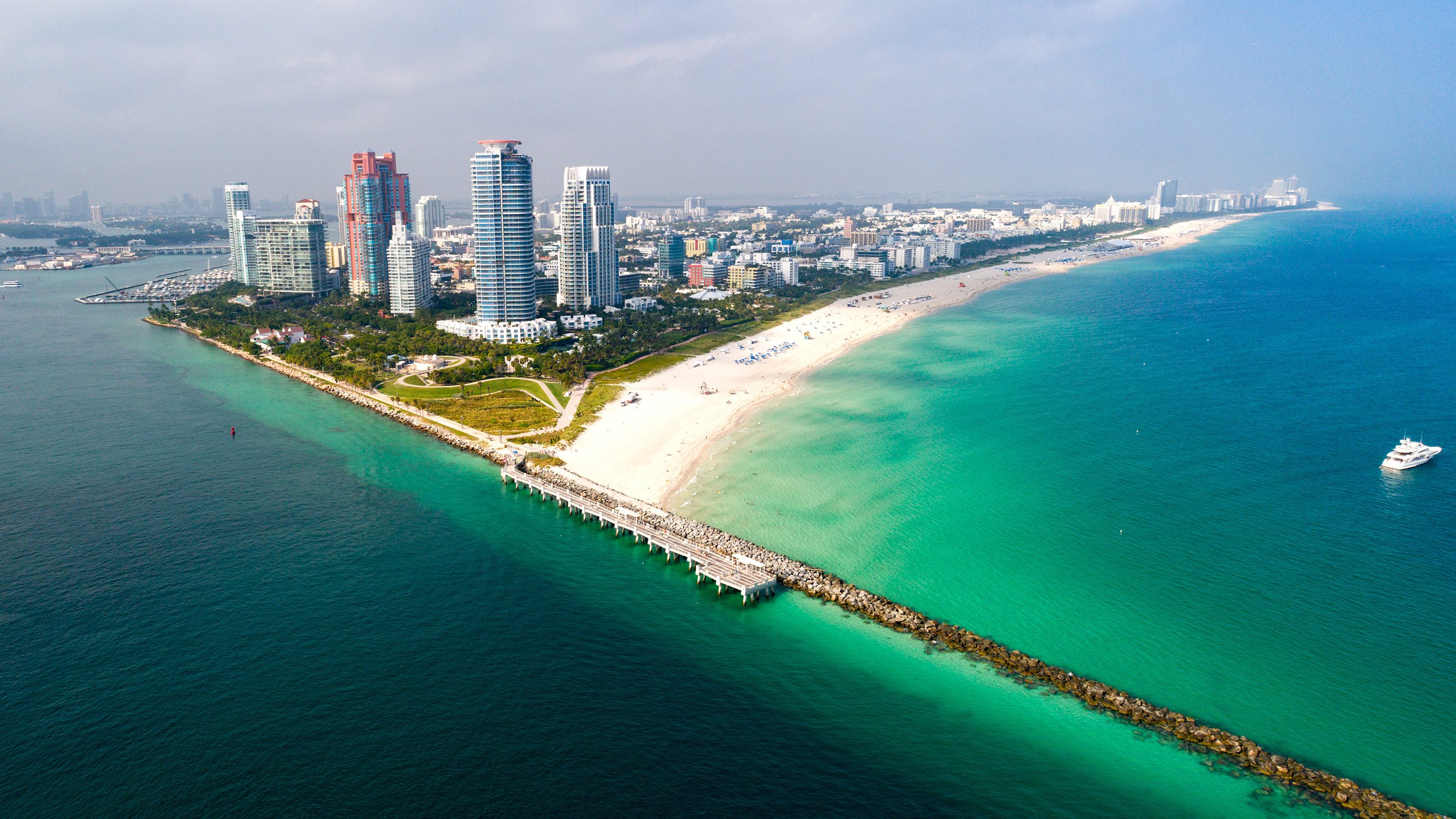
South Florida luxury buyers increasingly tour condos the way they evaluate hotels: arrival, scent, sound, lighting, and friction. New-construction inventory has trained the market to expect a certain level of polish, and in other major condo markets the pricing gap between new and legacy buildings has widened materially. In New York City, for example, new-construction condos have been reported selling for about a 60% premium versus comparable older units. The specific figure matters less than the message: buyers pay for “zero questions asked.”
For established condo communities in Miami Beach and along the coastline, competing is not about chasing a headline amenity. It is about removing the signals that quietly suggest deferred maintenance, while amplifying what legacy buildings often do best: proportion, view corridors, and a sense of permanence.
The most sophisticated value play is usually a hybrid. Renovate what buyers and renters touch every day, modernize the building’s first impression, and preserve character where it reads as an asset rather than a liability.
If you want one principle for protecting pricing power in Resale, it is this: modernize the surfaces that telegraph condition. Industry guidance repeatedly points to kitchens and baths as high-ROI upgrades because they are where buyers most strongly perceive age, cleanliness, and craftsmanship.
A kitchen does not need to be the largest room in the home to be the loudest signal of value. In a condo environment, renovation complexity is often driven by building rules, permits, labor logistics, and layout constraints, not just the appliance package. That reality is why the smartest Miami Beach renovations often avoid structural heroics and instead focus on details that feel inevitable when they are done right:
Think of the goal as quiet competence. Luxury is not only what is expensive; it is what never inconveniences.
Baths are where a home’s age becomes unavoidable. Buyers notice grout, glass alignment, drainage, and odor control. A strategic bath upgrade can read as a full transformation without changing plumbing locations. Clean lines, consistent metal finishes, and properly scaled mirrors typically do more for perception than ornate materials used inconsistently.
Flooring updates are frequently cited among strong-return projects because worn floors broadcast wear everywhere, even when walls are freshly painted. In luxury condos, the winning move is rarely the trendiest material. It is the most broadly appealing finish executed flawlessly, with quiet transitions, clean baseboards, and no squeaks.
Luxury buyers now treat smart-home features less as novelties and more as baseline expectations, especially in multifamily. In high-rise environments, retrofits can be constrained by existing doors, hardware conditions, and day-to-day operational realities. Translation: the best tech upgrades are the ones that install cleanly, work reliably, and disappear into daily life.
A simple hierarchy helps keep decisions disciplined:
In a renovated unit, tech should feel like good service. It is present when you need it and silent when you do not.
Wellness has moved beyond a treadmill room. In multifamily, amenity expectations are evolving toward recovery and biohacking concepts such as cold plunge and red light, with preferences that vary by generation. Even when a building cannot add a full spa suite, owners and boards can borrow the sensibility.
At the unit level, buyers tend to respond to:
At the building level, the future-ready narrative increasingly includes sustainability and electrification. Luxury trend coverage for 2026 points to rising interest in efficient, high-performance homes and electrification features. In condo communities, one of the most practical expressions is EV charging. As adoption grows, associations are encouraged to implement shared charging policies and plan infrastructure upgrades. Even a phased approach can signal that the building is prepared for the next decade of ownership.
A buyer decides how they feel about a building before they enter a unit. That is why lobby and entry renovations tend to punch above their weight: they are high-visibility upgrades that redefine the story of a property. Modernization conversations for older condo buildings commonly focus on lobbies, lighting, and improved entry and package areas that reflect current living patterns.
In practice, the most effective common-area improvements often include:
These are not decor decisions. They are part of the building’s brand, and they shape how a buyer prices the entire experience.
In Miami Beach, that brand effect is easy to observe when touring residences with a hospitality-forward mindset, from Setai Residences Miami Beach to The Ritz-Carlton Residences® Miami Beach. Even for buyers who ultimately purchase elsewhere, these tours reset expectations for service, arrival, and finish discipline.
The most successful legacy properties do not try to cosplay as the latest tower. They clarify what they are, then upgrade the gaps.
A practical way to think about positioning:
For buyers comparing New-construction to Resale, the decision often comes down to two emotions: confidence and effort. New development promises fewer near-term projects. Resale can win when it offers the same confidence, with a more compelling view, layout, or total monthly cost.
On the ocean side of Miami Beach, boutique new projects like 57 Ocean Miami Beach can set a reference point for quiet luxury and restraint, while membership-driven concepts like Casa Cipriani Miami Beach influence how buyers think about lifestyle integration. The lesson for older buildings is not to imitate the label; it is to understand the expectation: privacy, service, and a home that feels resolved.
Design ambition is easy. Funding is the constraint.
For boards, reserve studies are a foundational planning tool for long-term capital improvements. They help avoid surprise funding gaps that can lead to special assessments, which can become the single biggest momentum killer during a sale. Reserve study resources are widely available through industry organizations, and the core discipline is straightforward: identify major components, estimate remaining useful life, and plan funding with as few shocks as possible.
For owners, the carrying-cost conversation matters as much as the finish package. HOA fees vary widely by property type and building age, and buyers increasingly evaluate all-in monthly rather than just purchase price. If your building can modernize while maintaining predictable fees and transparent reserves, you are not only improving aesthetics. You are reducing perceived risk, which is a form of luxury.
For an Investment buyer choosing between a turnkey condo and a renovation opportunity, the cleanest framework is comparative: acquisition price plus renovation budget versus the implied value of the finished product, with time, approvals, and disruption treated as real costs.
Condo renovations have unique constraints, so a plan that looks simple on paper can stretch if approvals, elevator scheduling, or noise restrictions slow down work. The upside is that a well-executed, market-friendly renovation can deliver a finished product calibrated to today’s buyer, without paying the full new-build premium.
If you want a pure reference point for the top of the market’s finish expectations, a building like Faena House Miami Beach shows how detail, art, and hospitality cues translate into perceived value. Your renovation does not need to match that aesthetic, but it should match the standard of execution: aligned reveals, consistent hardware, and spaces that feel intentionally edited.
What upgrades usually move the needle most in a condo resale? Kitchens and baths tend to signal condition fastest, followed by flooring and lighting that make the entire home feel current.
Is smart-home tech worth it in a high-rise? Yes, when it is reliable and building-compatible. Focus on access, climate control, and simple automation rather than flashy systems.
What building improvements change buyer perception quickest? Entry and lobby updates, better lighting, and improved package and access flow typically create the strongest first-impression impact.
How should buyers compare New-construction versus Resale? Compare confidence and effort: near-term projects, reserve strength, HOA stability, and whether the home feels resolved on day one.
Explore South Florida’s most compelling residential options with MILLION Luxury.
If branded residences are on your mind — as a home or as an allocation — we would be glad to share what we are seeing, privately.
Begin a quiet conversation