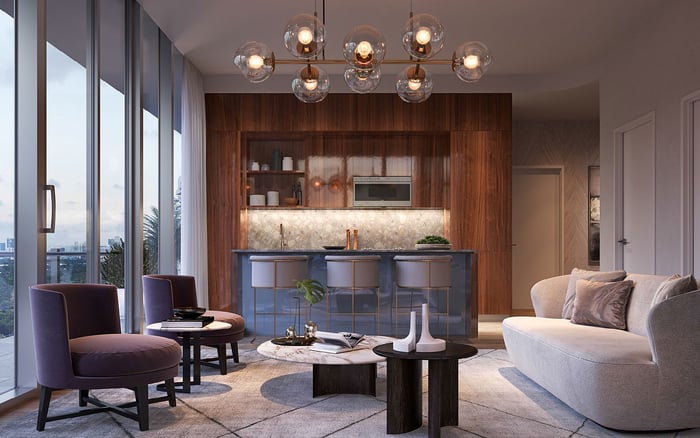
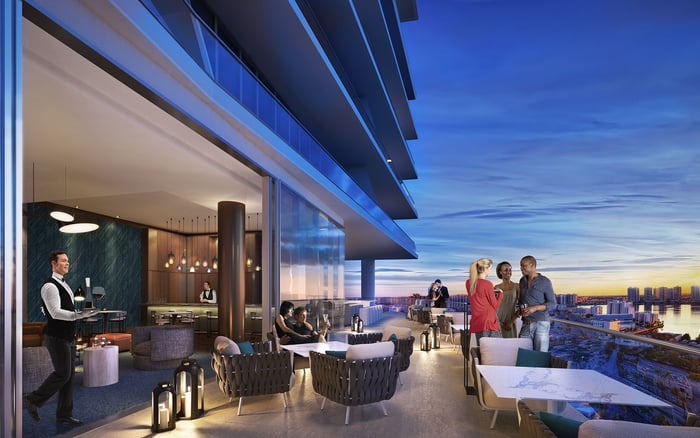
Owning a Miami residence while living elsewhere is no longer an exception, it is a defining pattern of South Florida luxury. The difference between a home that simply sits and a home that performs is the operating plan behind it. This guide outlines how to combine professional property management with a discreet home watch routine, so your finishes, systems, and privacy remain protected year-round. From vendor governance and access control to storm season readiness and arrival prep, it is a playbook for confident remote ownership.
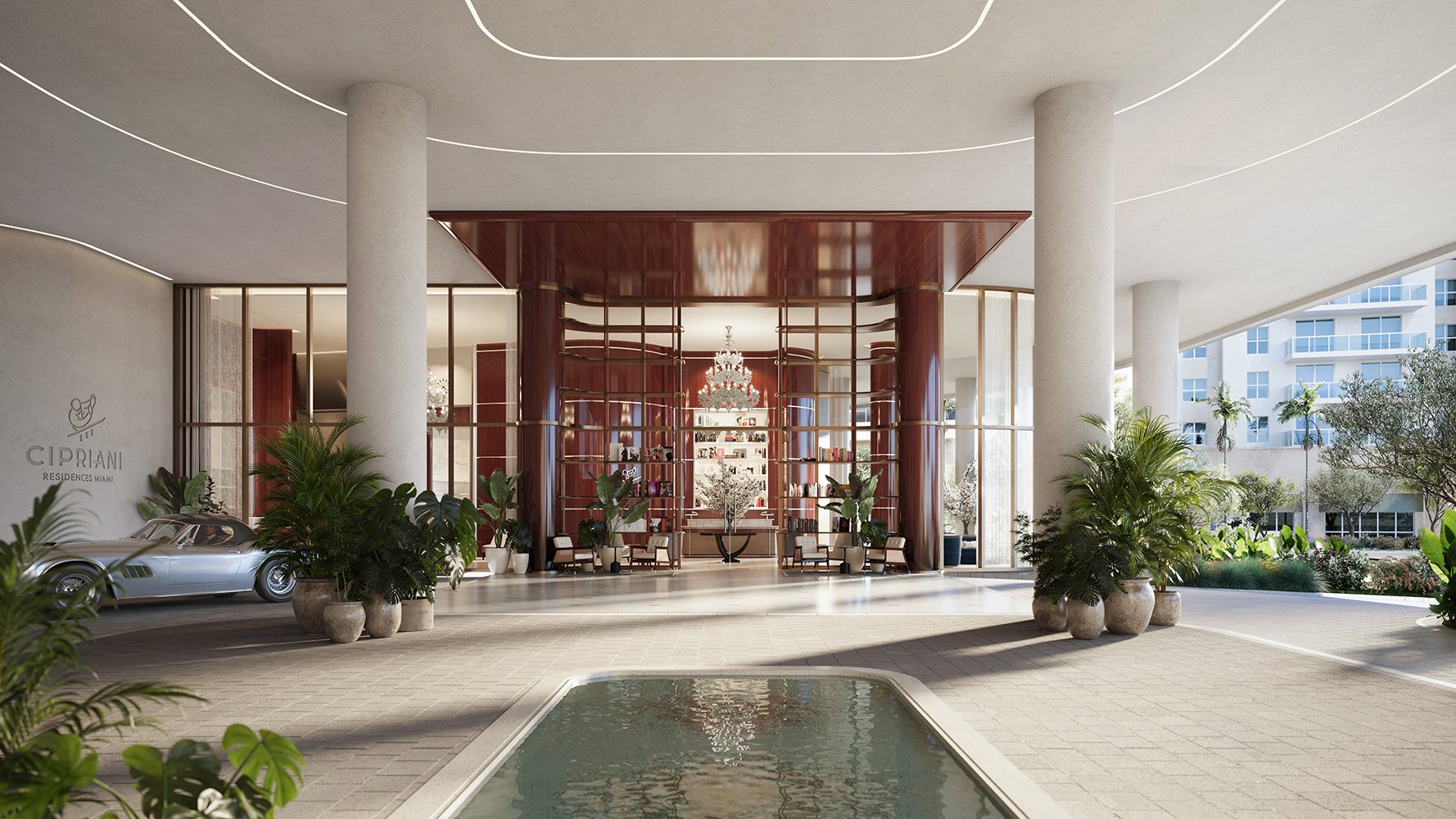
A luxury residence in South Florida is frequently a second address, not a primary one. For many owners, the appeal is straightforward: sunshine, culture, and a lifestyle that makes last-minute travel feel natural. The risk is less visible. When a home sits unoccupied, small issues can compound, service standards can drift, and privacy becomes an operational requirement rather than a passive benefit.
Remote ownership also changes the questions you ask. Instead of “How do I decorate?” the real question becomes, “How do I run this home when I am not here?” The answer is rarely a single vendor or a single contract. It is an operating system that pairs professional property management with a disciplined home watch routine, supported by clear rules for access, approvals, and documentation.
Whether your residence is a Brickell tower apartment used for business weeks, a Miami-beach retreat reserved for holidays, or a waterfront home that must remain storm-ready at all times, the objective is consistent: the home should feel effortless when you arrive and protected when you are away.
Owners often use “property management” as a catch-all. In practice, remote ownership becomes cleaner when you separate responsibilities into two lanes.
Property management is operational and administrative. It typically includes coordinating vendors, overseeing routine maintenance, managing household staff if you have them, assisting with budgeting, and keeping the home’s service calendar current. In some cases it may also involve lease coordination when the property is offered for Rent, though feasibility and rules can vary by building and neighborhood.
Home watch is observational and preventative. Think of it as a structured, recurring presence in the home designed to identify issues early, verify conditions after service visits, and confirm the property remains secure and presentable. Home watch is also the simplest way to replace worry with evidence, because it can be built around repeatable checklists and consistent reporting.
The strongest remote plans treat these roles as complementary. Management keeps the operation moving. Home watch confirms the operation is performing to your standard, not simply operating.
Luxury homes rarely fail in dramatic ways. They usually decline quietly through tolerance creep. A vendor arrives later than promised and no one documents it. A cleaning feels “fine” instead of five-star. A cabinet hinge loosens and stays loose. Over time, the property loses precision.
Preventing that starts with an owner standard. Put it in writing. Keep it simple, but specific enough that someone else can execute it consistently.
Elements many owners define upfront include:
Living experience standard: the temperature range you want on arrival, preferred linen and towel setup, fragrance and cleaning sensitivities, kitchen stocking approach, and how you want surfaces and floors to present.
Maintenance standard: how quickly you want concerns escalated, what qualifies as “urgent,” and whether any materials or finishes require specialized care.
Privacy standard: who may enter, how access is logged, and how images or reports are delivered.
Documentation standard: what gets photographed, how often, and where records are stored so you can retrieve them without friction.
This is not micromanagement. It is consistency. A remote home should still reflect your taste, your thresholds, and your expectations, even when you are not physically present.
In ultra-premium real estate, competence is expected. The difference between a good provider and a great one shows up in governance: the approvals, documentation, and accountability that prevent your home from becoming a chain of ad hoc decisions.
When evaluating property managers or home watch professionals, consider asking:
How do you document each visit? Look for routine photo documentation and clear written notes, not a text that says “all good.”
How do you handle vendor selection and oversight? Strong operators maintain a short list of trusted trades and can explain how they evaluate performance.
What is your escalation process? You should understand how a minor concern becomes a scheduled repair, and how a major concern becomes an urgent response.
How do you control access? Keys, codes, and lockboxes should be treated as sensitive. Access control should be deliberate, logged, and updated when staff changes.
How do you manage confidentiality? In luxury markets, discretion is part of the service. Your team should be comfortable operating quietly and professionally.
If your residence is within a Gated-community, governance also includes alignment with neighborhood procedures. Entry protocols, staff access, and delivery rules are often strict, and your plan should operate within them without creating friction.
Security in a luxury home is less about drama and more about discipline.
Start with access minimization. The fewer people who can enter, the fewer variables you manage. Where possible, avoid widely shared codes. Use time-limited access methods when available, and change credentials on a predictable cadence or after vendor turnover.
Next is logging. Every entry should be attributable to a person, a purpose, and a time window. Even a trusted team benefits from a transparent log because it reduces confusion and protects everyone involved.
Then come physical checks. A home watch routine should include confirming doors and windows are secured, verifying that monitored systems appear normal, and ensuring the home does not broadcast vacancy through obvious signals.
Privacy extends to information handling. Reports should avoid unnecessary personal details. Photos should focus on conditions and work product, not on personal items. If you prefer that certain spaces are never photographed, set that expectation upfront and agree on alternatives, such as written confirmation.
Remote ownership becomes easier when maintenance is treated as a calendar and a record, not a series of reactions.
Create a master schedule that includes:
Monthly and quarterly checks for key home systems Seasonal service planning timed to South Florida weather patterns A pre-arrival checklist that returns the home to a guest-ready standard A post-departure checklist that secures the property and reduces risk
The purpose of the calendar is to remove decision fatigue. You should not be the person who remembers when filters were last changed or when an inspection is due. Your team should maintain the schedule, and your reporting should make it easy to audit.
When a repair is required, insist on clear scope notes, visual confirmation of completion, and a closed-loop process. A remote owner’s biggest operational weakness is the moment where someone says, “We think it’s fixed.”
South Florida ownership requires storm-season respect. Remote owners benefit from a plan that is written, staged, and reviewed before it is needed.
A disciplined approach can include:
A pre-season walkthrough that identifies vulnerable areas and confirms supplies and procedures Clear decision rights for who may authorize protective steps when you are not reachable Vendor readiness, including knowing who can respond quickly and who cannot A post-event verification routine that checks for visible damage, water intrusion concerns, and restoration priorities
Because every property is different, avoid one-size steps. High-rise residences have different risks and building procedures than single-family homes. Neighborhoods can vary as well. The point is not to predict outcomes. The point is to eliminate improvisation.
Many luxury homes in Miami sit within full-service condominium communities. Remote ownership becomes smoother when your plan aligns with the building.
Ask your manager to maintain a current set of building procedures that affect ownership operations. This can include how vendors are scheduled, how work is approved, and what the building requires for access to service areas.
If you are considering any rental strategy, treat the building’s rules as the starting point. Short-term-rentals may be restricted in some properties and permitted in others, and the difference can materially change your operating plan. Confirm requirements directly with the association and management rather than relying on assumptions.
Also consider the soft side of coordination. A strong relationship with front desk and building staff is not a shortcut. It is part of a high-functioning ecosystem. Your goal is to make your residence easy to support without creating risk.
The highest-performing remote properties operate like discreet boutique hotels, without feeling like one. The owner experience is curated, while the infrastructure stays invisible.
If you use household staff, define roles and boundaries with precision. Who is responsible for routine checks? Who supervises vendors? Who has purchasing authority, and what requires your approval?
For vendors, insist on three practices:
One point of contact. Fragmented communication produces fragmented outcomes.
Photo-verified completion. Not as surveillance, but as proof of standard.
A written service record. Over time, this becomes invaluable for resale, insurance conversations, and troubleshooting.
Owners who treat their home as an Investment often find that operational discipline protects both the experience and the asset. Condition, documentation, and consistent upkeep tend to translate into stronger positioning when you eventually exit or refinance, even as market conditions change.
Technology can reduce uncertainty, but it should not replace real inspections. Cameras and sensors can miss small failures. Devices can disconnect. Power can fluctuate. A luxury property still benefits from in-person eyes on the space.
Use technology thoughtfully:
Remote climate visibility can help identify anomalies. Water monitoring can provide early warnings. Lighting automation can support security and presentation.
What matters is the workflow around it. Alerts should route to a person who can act. Actions should be logged. Resolutions should be confirmed with photos or a follow-up visit.
For owners with multiple residences, technology can also serve as a standardization tool. A consistent monitoring approach across properties makes reporting easier and reduces the learning curve for new staff.
Remote ownership should not require a sprint when you land. The home should be ready, consistently.
A pre-arrival protocol often includes:
Climate set to your preference Freshness checks in kitchens and baths Linen and wardrobe readiness if you keep items on-site Pool and outdoor areas verified, if applicable A final walk-through with photo documentation that confirms presentation
Departure protocols matter just as much. They protect finishes and reduce risk. They also help your team detect changes quickly. If something was pristine at departure but different at the next visit, you can narrow the timeline and isolate likely causes.
For owners who travel frequently, consistency becomes a luxury of its own. The same ritual, every time, regardless of how long you have been away.
Many owners choose newer luxury buildings partly for their service culture and ease of ownership. Even so, remote ownership still benefits from a personal operating plan.
For reference, explore Aria Reserve Miami as a starting point for understanding how buyers often think about full-service living in Miami, then tailor your own management and home watch framework to your specific residence, rules, and lifestyle.
The principle is universal. A building may provide strong staffing and infrastructure, but your unit remains your responsibility. A thoughtful plan coordinates what the building does with what your private team does, and closes the gaps with verification.
If you already have a manager or a caretaker, the question is not whether they are working hard. The question is whether the system produces predictable outcomes.
Common warning signs include:
You cannot quickly answer who has access to the home right now. Reports are vague, inconsistent, or primarily verbal. Vendor invoices arrive without clear scope, photos, or completion notes. The home feels slightly “off” when you arrive, even if it is clean. Small issues repeat, suggesting root causes are not being addressed.
Remote ownership is about reducing uncertainty. If you are constantly chasing clarity, you do not have a system. You have a set of personalities.
To keep your involvement efficient, consider a two-tier approval model.
Tier one approvals are pre-authorized. These are predictable tasks like routine service and minor repairs that fall under a preset standard. Your team executes and documents.
Tier two approvals require your sign-off. These are aesthetic changes, material replacements, larger repairs, or anything that impacts privacy and access. Your team presents options and recommendations, then you decide.
Even without discussing numbers, this structure helps avoid an expensive problem: delay. When no one knows what they can approve, small issues become larger ones.
How often should a home watch visit happen when the property is vacant? Frequency depends on the home’s systems, exposure, and how quickly you want issues detected. Many owners choose a consistent cadence, then add extra visits before and after travel or after major vendor work.
What is the difference between a property manager and a home watch provider? A property manager typically coordinates operations and vendors, while home watch focuses on recurring physical checks and verification. In a strong plan, both roles are clearly defined and documented.
If my condo has full-service staff, do I still need private management? It can still be useful, especially for unit-level details like finishes, personal preferences, and customized pre-arrival setup. Confirm what the building covers and design your private plan around the gaps.
How do I keep vendors from having uncontrolled access to the home? Use a single point of contact, time-bound access where possible, and a written access log. Require photo confirmation after each visit and change access credentials after vendor turnover.
What should I prepare before buying a Second-home in Miami-beach or Brickell? Before closing, map out how the home will be operated when you are away, including access control, storm-season procedures, and a clear plan for management and home watch. For a discreet, owner-first plan tailored to your residence, connect with MILLION Luxury.
If branded residences are on your mind — as a home or as an allocation — we would be glad to share what we are seeing, privately.
Begin a quiet conversation