A discreet, practical guide for Madrid-based and international buyers comparing Miami Beach preconstruction condos with Brickell, Bay Harbor Islands, and other South Florida alternatives.
For a Madrid buyer considering Miami Beach, the first decision is not a tower, a view, or a brand. It is the life the residence must support. Will the condominium be a winter base, a family gathering place, a design-forward pied-à-terre, or a long-term relocation asset? The answer shapes everything: neighborhood selection, floor plan, privacy, services, and tolerance for construction timelines.
Miami Beach has an emotional pull that is easy to understand: water, architecture, light, and a social rhythm that feels both international and distinctly local. Yet the strongest preconstruction purchase is rarely emotional alone. It is a sequence of disciplined choices. A buyer should define the intended use, the preferred neighborhood pace, the need for hotel-style services, the importance of walkability, and the acceptable exposure to future association costs before falling in love with a rendering.
The strongest advice is simple: buy the residence you can explain in one sentence. If that sentence is clear, the search becomes sharper. If it is not, every sales gallery will seem persuasive.
Preconstruction appeals to international buyers because it allows time: time to plan currency transfers, organize legal review, structure ownership, prepare family logistics, and decide how the property will be used after delivery. But time is also risk. The finished building, the market, the buyer’s own plans, and the cost of ownership can all evolve before closing.
This is why Pre-Construction should be treated as a framework rather than a shortcut. Review the contract with counsel who understands Florida condominium documents. Understand the deposit schedule, assignment rights, cancellation provisions, closing obligations, and what is included in the delivered residence. Ask how finishes are selected, how changes are handled, and what happens if personal circumstances shift.
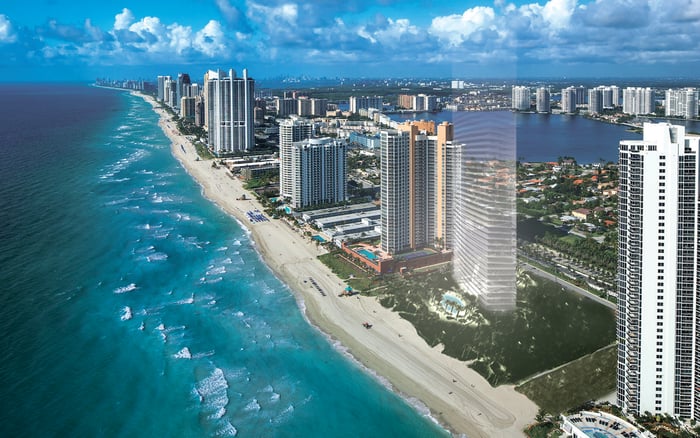
A buyer comparing Miami Beach to central Miami may look at The Perigon Miami Beach for a residential beach setting, then compare that lifestyle with the more urban rhythm of Brickell. Neither is inherently better. One is about resort-adjacent calm and coastal presence; the other is about access, dining, offices, and a denser skyline. The right answer depends on the life being planned.
Madrid buyers often understand neighborhood nuance. Chamberí is not Salamanca, and Miami has similar subtleties. Miami Beach is not one idea. South of Fifth, Mid-Beach, North Beach, and residential pockets near the ocean each feel different. Some buyers want the social theater of restaurants and beach clubs. Others want a quieter building with fewer transient uses and stronger residential privacy.
Brickell offers a different proposition. It is vertical, financial, urban, and convenient for buyers who want the city at their doorstep. Projects such as 2200 Brickell bring the conversation toward walkability, city living, and practical access rather than pure beachfront emotion. For buyers who plan to spend longer stretches in Miami, that urban convenience may outweigh the romance of sand.
The decision should be made through a weekly schedule, not a postcard. Where will you have breakfast? Where will your guests stay? How often will you drive? Do you want quiet mornings or immediate access to restaurants? Will the residence be used during holidays, school breaks, business trips, or extended seasonal stays? A Miami Beach address can feel magical, but the most valuable residence is the one that fits the buyer’s actual routine.
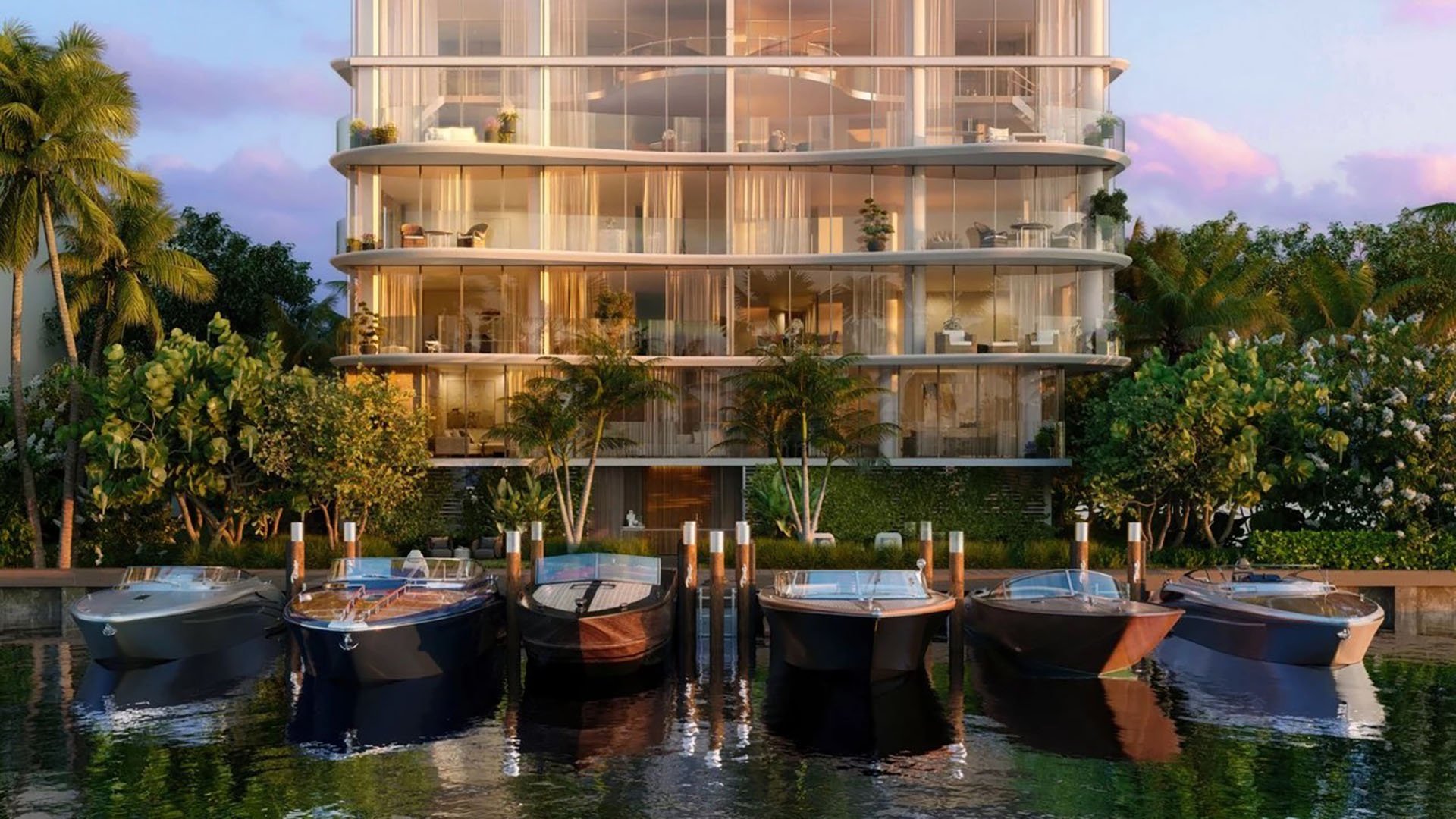
In luxury preconstruction, renderings often emphasize drama: vast glass, sculptural lobbies, pools, lounges, and cinematic arrival moments. Those details matter, but experienced buyers return to the fundamentals. How does the plan live? Are the bedrooms well separated? Does the terrace extend the living room naturally? Can service areas function when guests are present? Does the primary suite feel private? Is there enough wall space for art?
Oceanfront value is not only about seeing the water. It is about the quality of light, the depth of the terrace, the relationship between interior and exterior space, and the degree of privacy from neighboring buildings. A lower floor with a graceful outlook may live better than a higher floor with compromised angles. A larger plan may not be better if circulation wastes space.
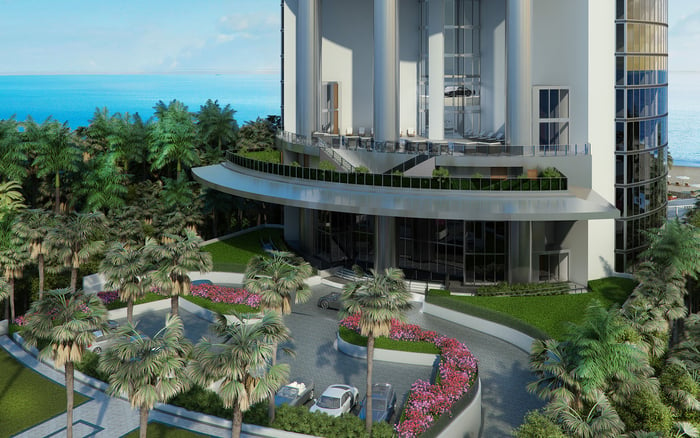
A project such as Shore Club Private Collections Miami Beach invites a buyer to think carefully about the role of service, hospitality, and beachside living. The key is not simply whether the brand or setting appeals. It is whether the residence can support quiet private use after the initial excitement has passed.
Luxury condominium ownership is a shared experience. The building’s culture, staffing, rules, and association governance will shape daily life as much as the architecture. A buyer should study rental policies, pet policies, guest access, service staffing, valet procedures, amenity rules, and maintenance expectations. These details are rarely glamorous, but they determine whether a residence feels effortless.
For Madrid families, building culture can be especially important. Some buyers want discretion and a more residential atmosphere. Others value branded service, food and beverage access, wellness programming, or a hotel-style environment. There is no universal answer. The priority is alignment between personal expectations and the building’s operating model.
New-construction projects can differ widely in how they balance private residential character with activated amenities. A buyer considering St. Regis® Residences Brickell may be drawn to a service-led environment, while another buyer may prefer a quieter boutique building in a less commercial setting. Before reserving, ask how the building will feel on a normal Tuesday, not only during a sales presentation.
A preconstruction purchase from abroad requires coordination. Assemble counsel, tax guidance, financing advice if relevant, and a currency strategy before the contract becomes urgent. Confirm how signatures, deposits, document delivery, closing procedures, and identity verification will be handled. If family members or corporate structures are involved, clarify authority early.
Do not rely on memory or informal assurances. Keep a written record of inclusions, upgrades, parking, storage, delivery condition, appliance packages, and any representations that affect the purchase decision. If a feature matters, it should be reviewed in the documents. If timing matters, understand the range of possible outcomes rather than planning around a single expected date.
Insurance, maintenance, reserves, assessments, and association budgets deserve calm attention. The question is not merely whether the purchase price is acceptable. It is whether the full cost of ownership is comfortable over time. The best international buyers treat the acquisition as both lifestyle and stewardship.
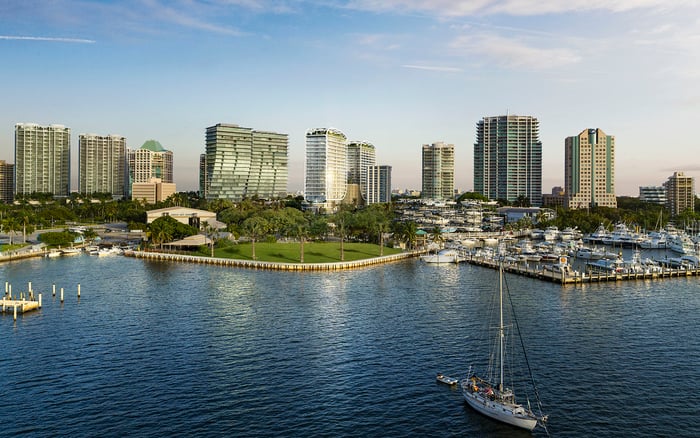
Miami Beach is powerful, but it is not the only answer. Bay Harbor Islands, Surfside, Coconut Grove, Sunny Isles Beach, and select mainland neighborhoods may offer different blends of privacy, water access, design, and residential calm. For some buyers, being close to Miami Beach without living directly in its busiest corridors can be the more elegant decision.
Bay Harbor Islands, for example, can appeal to buyers who want a quieter, village-like setting while remaining connected to the broader Miami lifestyle. The Well Bay Harbor Islands places wellness and residential scale at the center of the discussion, which may suit buyers who prioritize daily rituals over spectacle.
The point is not to expand the search endlessly. It is to test assumptions. If the buyer says “Miami Beach,” does that mean beach access, ocean views, design prestige, international social life, or simply a South Florida winter base? Once the true motivation is identified, the right shortlist becomes more precise.
The strongest purchase process is narrow, comparative, and documented. Select a few credible projects, compare them across the same criteria, and resist the temptation to evaluate each building on its own marketing language. Use a matrix: neighborhood, floor plan, view, terrace, privacy, services, rental policy, ownership costs, delivery risk, resale logic, and emotional fit.
Then revisit the first question: what life is this residence meant to support? A good preconstruction condo should feel desirable today and rational tomorrow. It should make sense when the buyer is in Madrid reviewing documents, when the family arrives in Miami, and when the market eventually asks why this residence is special.
For the international buyer, confidence comes from pace. Move quickly only after the framework is clear. Miami rewards decisiveness, but it rewards discernment more.
Should a Madrid buyer choose Miami Beach first? Not necessarily. Start with lifestyle, use pattern, privacy needs, and daily rhythm, then compare Miami Beach with other neighborhoods.
Is preconstruction better than resale? Preconstruction can offer fresh design and planning time, while resale offers immediate visibility. The better choice depends on timing, risk tolerance, and use.
What should I review before signing a contract? Review the purchase agreement, condominium documents, deposit obligations, closing requirements, and all included finishes with independent counsel.
How important is the floor plan? Extremely important. A well-resolved plan, terrace, storage, privacy, and service flow can matter more than a dramatic rendering.
Should I focus only on oceanfront buildings? Oceanfront can be compelling, but view quality, privacy, access, services, and ownership costs should be evaluated together.
Is Brickell a serious alternative to Miami Beach? Yes. Brickell suits buyers who prefer urban convenience, restaurants, offices, and a more vertical city lifestyle.
Can I buy from abroad without being in Miami? Many steps can be coordinated remotely, but legal, tax, identity, and funding requirements should be organized early.
What makes a building easier to own seasonally? Clear access procedures, reliable staffing, strong maintenance, sensible guest policies, and practical services all help seasonal ownership.
How should I compare branded residences? Look beyond the name. Study the service model, governance, fees, privacy, and how the brand will affect daily life.
What is the most common mistake buyers make? Choosing the most persuasive presentation instead of the residence that best fits their long-term lifestyle and ownership plan.
To compare the best-fit options with clarity, connect with MILLION.
If branded residences are on your mind — as a home or as an allocation — we would be glad to share what we are seeing, privately.
Begin a quiet conversation