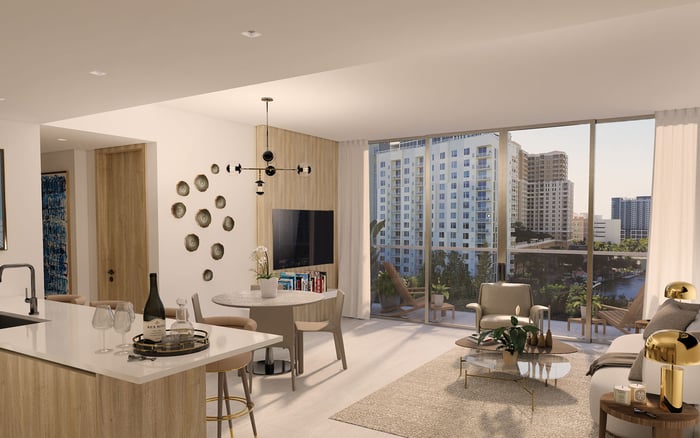
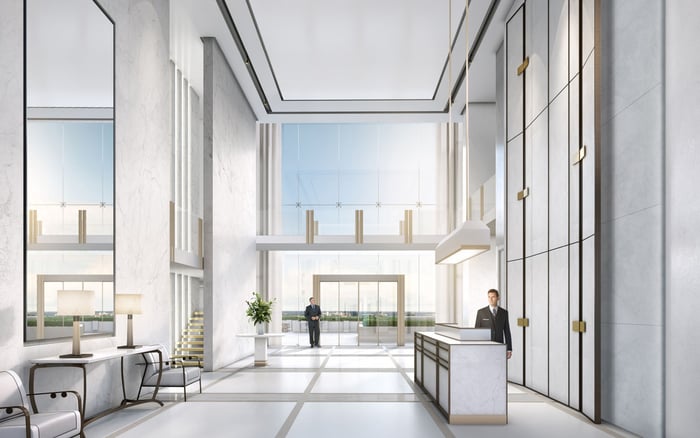
A discreet buyer’s guide to choosing a South Florida residence around durable sightlines, from Boca Raton’s measured elegance to coastal alternatives across the region.
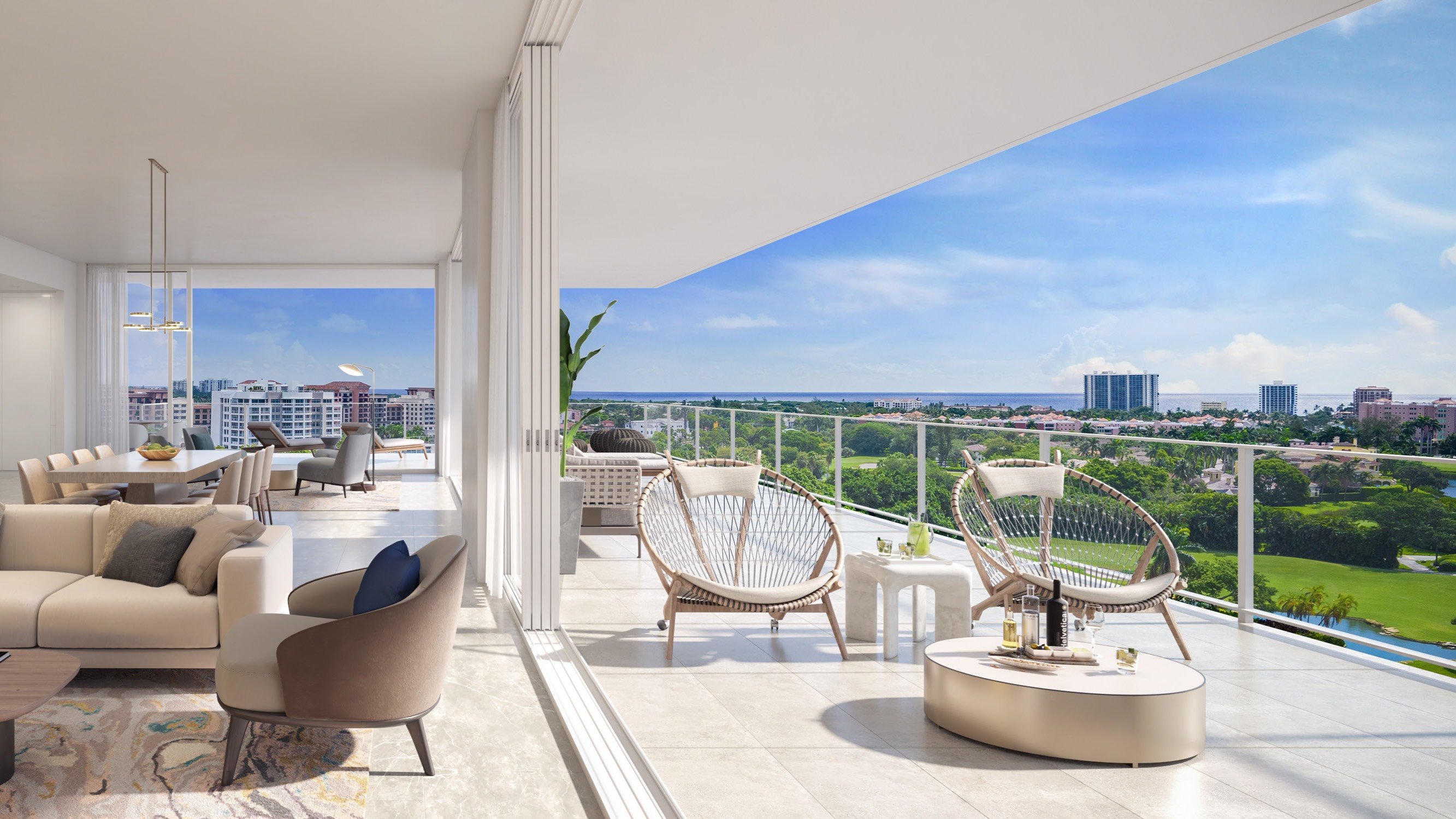
For a buyer moving from Mexico City to Boca Raton, the first adjustment is not climate or pace. It is the way value is read through open space. In Mexico City, the most desirable homes often frame tree canopies, historic streets, private gardens, or mountain silhouettes. In South Florida, the equivalent language is water, sky, setbacks, golf edges, civic green, and low horizontal neighborhoods that let light travel.
A protected view corridor should never be treated as a decorative phrase. It is a diligence question. Which part of the view is controlled by the property? Which part depends on a neighboring parcel? Which part is buffered by water, a road, a park, an easement, a golf course, or a built-out district? The most sophisticated buyers do not simply ask whether a residence has a water view. They ask how that water view could change over time.
This is where Boca Raton becomes compelling. The city offers a refined alternative to the vertical drama of Miami, with a residential rhythm that often feels more private, more gardened, and less theatrical. For the right buyer, that discretion can be more valuable than altitude.
Mexico City buyers are often fluent in neighborhood texture. They understand the difference between a beautiful interior and a beautiful arrival. They know that morning light, mature landscaping, security, walkability, and a quiet block can matter as much as square footage. Those instincts travel well to South Florida, especially when the search is organized around corridors rather than addresses alone.
In South Florida, a corridor can be visual, functional, or emotional. A visual corridor may run across water or along a street axis. A functional corridor may connect the home to dining, schools, clubs, marinas, airports, or cultural districts. An emotional corridor is harder to quantify, but buyers recognize it instantly: the feeling of air, distance, and calm when a room opens in the right direction.
This is why view-first purchasing should begin before the tour. A buyer should define the preferred horizon. Oceanfront is not the same as Intracoastal. A marina outlook is not the same as a golf outlook. A skyline is not the same as a garden. Each has its own rhythm, and each carries different questions about future obstruction, night lighting, privacy, sound, and resale appeal.
Boca Raton suits buyers who want elegance without excess noise. Its luxury market can appeal to those seeking a primary residence, a seasonal base, or a quieter Florida chapter that still connects easily to the broader South Florida corridor. The key is to decide whether the desired view is coastal, urban-resort, club-oriented, gardened, or water-adjacent, then evaluate properties through that lens.
Residences such as Alina Residences Boca Raton, Glass House Boca Raton, and The Residences at Mandarin Oriental Boca Raton give buyers useful reference points for Boca Raton’s luxury vocabulary. The point is not to compare them by amenities alone. The sharper question is how each residence relates to its surroundings, how it frames openness, and how it supports the daily life the buyer intends to live.
For waterfront buyers, the diligence becomes even more precise. A water-facing home can feel protected because the eye travels over a surface that cannot be built upon in the same way as an inland parcel. Yet the full view may still include opposite banks, bridges, docks, neighboring homes, or vegetation. The premium belongs to the buyer who separates the water itself from the total composition.
The best purchase is not only beautiful on the day of closing. It is legible five, ten, and fifteen years later.
The floor plan matters, but the corridor comes first. A generous primary suite can be diminished if its view depends on an exposed neighboring site. A smaller terrace can feel exceptional if it looks across a stable open edge. Before falling in love with finishes, buyers should stand at the principal windows and identify the layers of the view.
Layer one is the immediate foreground: landscaping, pool deck, street, water edge, rooftops, or club grounds. Layer two is the middle distance: adjacent parcels, public right of way, low-rise structures, docks, or tree canopy. Layer three is the long view: ocean, Intracoastal, skyline, sunset, or open sky. The most resilient residences tend to have strength in more than one layer.
A buyer should also visit at different hours. Morning light can flatter one exposure while afternoon glare can overwhelm another. Night views may reveal privacy issues that daytime tours conceal. Seasonal occupancy patterns can change sound and movement. A protected corridor is not only about what may be built. It is also about how the view behaves when the home is actually used.
A Boca Raton search can be strengthened by looking beyond Boca Raton, not because the buyer needs to leave the city, but because comparison sharpens judgment. West Palm Beach, Fort Lauderdale, Pompano Beach, Surfside, and Miami Beach each express the relationship between architecture and open space differently.
For example, Alba West Palm Beach can help a buyer think about how a residence participates in a broader urban waterfront setting, while Boca Raton may offer a different sense of privacy and scale. The comparison is useful because it clarifies what the buyer truly values: a dramatic horizon, a softer garden outlook, club proximity, cultural access, or quiet continuity.
Buyers arriving from Mexico City often appreciate this layered analysis. They are accustomed to neighborhoods where status is subtle and where the street can be as important as the building. In South Florida, that same sophistication means looking at zoning context, association documents, site plans, neighboring parcels, and the real path of light across the rooms.
The most important questions are practical. What lies between the residence and the view? Is that land public, private, common area, water, or another condominium parcel? Are there recorded restrictions, association controls, setbacks, or other documents that shape future change? Are there vacant or underused parcels within the sightline? Does the terrace face sunrise, sunset, prevailing breezes, or service areas?
Ask whether the view is enjoyed from the rooms where life actually happens. A spectacular outlook from a guest bedroom may have less daily value than a quieter but constant view from the kitchen, living room, and primary suite. Ask how much privacy exists when neighboring residences are occupied. Ask how the glass, terrace depth, and ceiling height affect the experience of the horizon.
Finally, assign the view a role in the investment thesis. Some buyers want the most cinematic frame possible. Others want a discreet, calming outlook that supports long-term use. The strongest purchases balance emotion with evidence. They feel effortless because the hard questions were asked early.
What is a protected view corridor in South Florida real estate? It is a sightline that may be more durable because of water, public space, setbacks, recorded controls, or built context. Buyers should verify the specific reasons before relying on it.
Is an ocean view always more protected than an inland view? Not always. The ocean itself offers openness, but the total view can still be affected by neighboring buildings, angle, height, lighting, and foreground conditions.
Why would a Mexico City buyer focus on Boca Raton? Boca Raton can offer privacy, refinement, and a calmer residential rhythm while remaining connected to the broader South Florida luxury corridor.
Should I choose the highest floor available? Higher floors can improve distance and light, but they are not automatically better. Exposure, angle, privacy, terrace usability, and future context matter as much as height.
What documents should be reviewed for view risk? Buyers should review condominium documents, surveys, plats, association materials, site plans, and any relevant recorded restrictions with qualified advisers.
Can a golf or park view be valuable? Yes, if it supports privacy, green outlooks, and a stable sense of openness. The durability of that view should still be evaluated carefully.
How many times should I visit before deciding? Serious buyers should try to visit at different times of day. Light, traffic, privacy, and sound can change the experience of the same residence.
Does waterfront always mean a better resale position? Waterfront can be powerful, but resale depends on the full composition: location, building quality, privacy, exposure, condition, and the competing inventory.
How should I compare Boca Raton with Miami or West Palm Beach? Compare lifestyle first, then the view. Boca Raton may suit buyers seeking discretion, while other markets may offer more urban energy or vertical drama.
What is the simplest rule for buying around views? Identify what protects the view, what could change it, and whether the rooms you use most enjoy it every day.
For a tailored shortlist and next-step guidance, connect with MILLION.
If branded residences are on your mind — as a home or as an allocation — we would be glad to share what we are seeing, privately.
Begin a quiet conversation