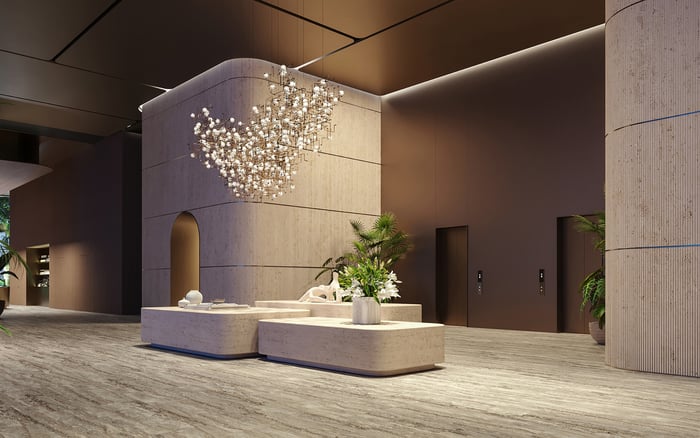
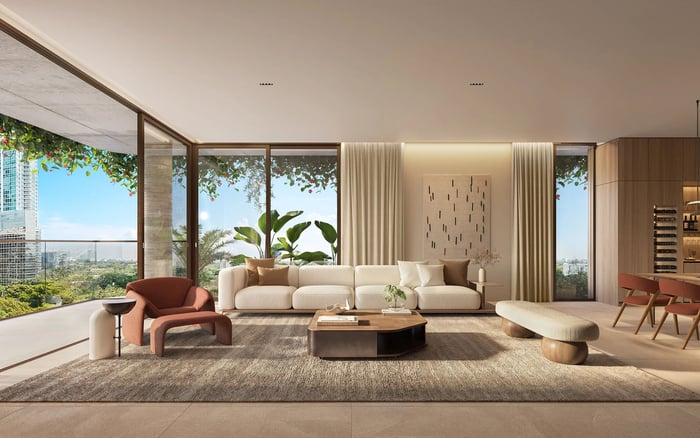
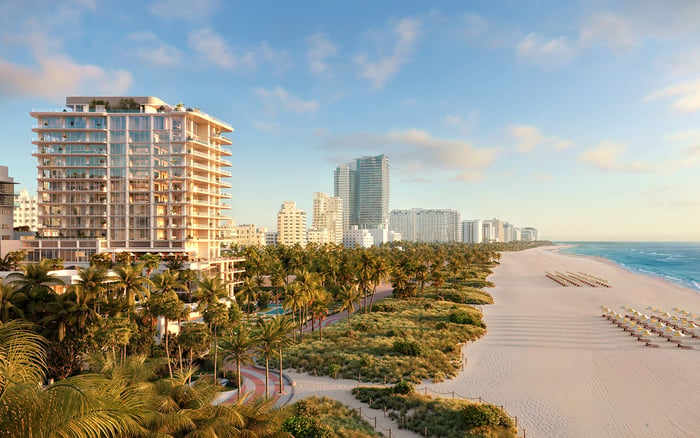
In South Florida, the leap from luxury to ultra-luxury is less about square footage and more about an integrated lifestyle: systems-level technology, privacy infrastructure, wellness programming, and architecture that reads as a one-off. Here is how buyers can evaluate the difference with precision across Miami Beach, Brickell, and the oceanfront corridor.
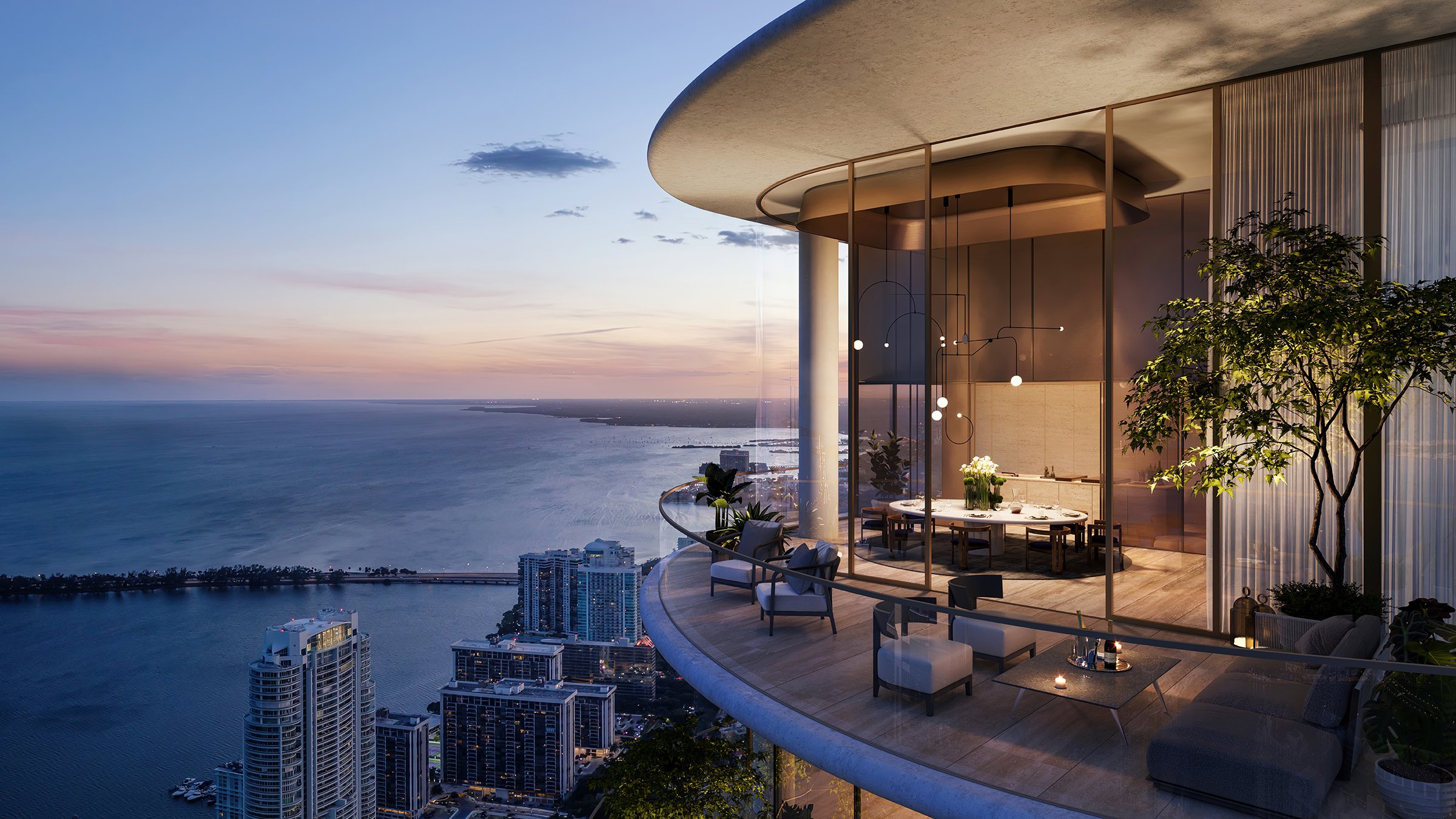
Price brackets can mislead even sophisticated buyers. Global market surveys indicate that what US$5 million and US$20 million buy varies dramatically by city, neighborhood density, and land constraints. In other words, “luxury” is always relative to the market. What tends to stay consistent is the lived experience: how a home functions day to day, how effortlessly it performs, and how confidently it protects privacy.
In South Florida, that experience is shaped by climate, waterfront access, and a buyer base that often treats a residence as both a sanctuary and a hosting platform. The practical question is not whether one home has nicer finishes than another, but whether the upgrades change the category of the home.
This is where the jump from luxury to ultra-luxury becomes measurable. It is not simply bigger. It is more deliberate.
Across global comparisons, US$5 million often secures a high level of finish and a meaningful location advantage, but it rarely delivers compound-level programming. By contrast, US$20 million more commonly buys either a pinnacle residence in a prime urban core or a lower-density estate with extensive grounds and dedicated amenities. South Florida sits at the intersection of both: vertical, service-rich living in central neighborhoods and sprawling properties where land and water frontage become the headline.
At US$5 million, a home is typically aspirational luxury: strong materials, views, and well-considered layouts. At US$20 million, buyers expect the home to operate more like a private club, with layered capabilities that solve for comfort, discretion, and entertaining at a higher frequency. The difference is often justified by what is integrated, dedicated, and bespoke.
Top-tier buyers increasingly judge residences by systems-level integration. The difference between a “smart” home and an ultra-luxury home is rarely the number of devices. It is whether lighting, climate, shading, security, and audio-visual functions operate cohesively, reliably, and discreetly.
Industry coverage of emerging smart-home tech emphasizes that AI is moving beyond basic automation toward more adaptive systems. In practical terms, buyers should look for a home engineered to reduce friction: scenes that work consistently, comfort that stays stable room to room, and a technology plan that feels native to the architecture instead of retrofitted.
At the ultra end, wellness stops being a corner of the home and becomes a program. Leading luxury coverage highlights residences that allocate meaningful square footage to health and recovery, favoring purpose-built gyms and spa-like elements rather than a token treadmill.
For South Florida buyers, wellness programming takes on a distinct logic: humidity-aware comfort, quiet spaces that help you recover from travel, and an indoor-outdoor rhythm that feels restorative rather than exposed. This is also where service culture matters. In Miami Beach, branded residential offerings can elevate wellness through curated experiences and hospitality-driven operations, especially for owners who value privacy and predictability.
A discreet, club-adjacent example is Casa Cipriani Miami Beach, where the proposition is less about chasing individual features and more about a coherent, service-informed lifestyle. For buyers who filter for “Miami-beach,” this kind of programming is often the upgrade they feel every day.
Ultra-luxury is frequently defined by how a home hosts. Wine storage becomes more than temperature control; it becomes an experiential room. Distinctive cellar coverage emphasizes glass displays, tasting lounges, and hospitality-grade presentation. The intent is not simply to own more, but to stage a collection with purpose.
The same principle applies to dining. A luxury kitchen can be beautiful. An ultra-luxury entertaining setup is designed for flow: arrival, cocktail, dinner, and after-dinner moments that do not collide. Evaluate how service moves through the home, where guests gather naturally, and whether the plan supports both everyday intimacy and larger-scale hosting without feeling cavernous.
For collectors, the garage can become part of the residence’s identity. Car elevators and vertical storage solutions are increasingly associated with collector-grade homes because they enable secure, space-efficient vehicle programming without sacrificing aesthetics. Even if a lift is not needed on day one, the structural planning that suggests it could be accommodated often signals an ultra-luxury build mindset.
At the top of the market, architecture is not simply style. It becomes a value driver. Features on architect-designed homes reinforce that distinctive forms, materials, and site-specific concepts can justify ultra-luxury pricing. Buyers respond to residences that feel authored, not templated.
This matters in South Florida because the strongest properties feel inevitable to their sites: views framed with intention, breezeways planned for real use, and outdoor rooms that remain refined under sun and salt air. When evaluating a premium home, ask whether the design merely signals luxury, or whether it solves for this place.
For affluent buyers, security is not a bolt-on system. High-end residential security expectations emphasize layered access control and surveillance as baseline requirements. In ultra-luxury, privacy is designed into the experience: discreet entry sequences, controlled elevator access in vertical living, and layouts that separate public-facing entertaining zones from private quarters.
Be cautious about judging “value” solely by finishes. A residence can look impeccable and still fail the privacy test if entries are too exposed, circulation is awkward, or a building’s operational norms conflict with the discretion a buyer wants.
A service-forward example in Miami Beach is The Ritz-Carlton Residences® Miami Beach, where a branded approach can align with the expectation that arrivals, privacy, and daily logistics are handled with restraint.
In South Florida, premium pricing is often driven by water-related attributes: views, access, and frontage. Regional market analysis underscores that these characteristics can push a home into ultra-luxury tiers even without extreme size.
For Oceanfront buyers, evaluation should be specific. Ask what the water delivers in real terms: sightlines likely to remain protected, access patterns that feel private, and an outdoor experience that is usable, not only scenic. In coastal living, value is frequently found in micro-advantages that are difficult to replicate.
A boutique oceanfront-minded residence such as 57 Ocean Miami Beach fits what many high-end buyers seek: intimate scale, a direct relationship to the water, and priorities aligned with a quieter kind of luxury.
A Penthouse is often marketed as the pinnacle, but the best ones earn the title operationally. The ultra-luxury version is defined by control: controlled access, minimal shared circulation, and a layout that makes hosting compatible with privacy.
When comparing penthouses across neighborhoods, remember that luxury is market-relative. One city’s 5,000-square-foot trophy can feel less premium than a smaller residence that is better integrated, better sited, and better serviced. Look for the penthouse that performs: quiet mechanical systems, predictable comfort across exposures, and a design that feels intentional in daylight and at night.
New-construction inventory, as buyers often filter it, tends to offer the cleanest path to integrated systems, modern wellness planning, and contemporary security expectations. Legacy inventory can still win, especially when it offers irreplaceable water positioning or architectural pedigree. The tradeoff is often the amount of adaptation required to reach a systems-level standard.
If your priority is a turnkey, hospitality-forward lifestyle in Miami Beach, consider how branded residential concepts frame the experience. Setai Residences Miami Beach illustrates the appeal of a service-led environment where the residence is part of a broader standard of living, not simply a well-finished unit.
Ultimately, the decision is less about new versus old and more about whether the home was conceived with ultra-luxury fundamentals: integration, privacy, wellness programming, and enduring design.
What is the simplest way to define ultra-luxury?
Ultra-luxury is luxury with systems-level integration, privacy infrastructure, and dedicated wellness and entertaining programming.
Does $20M always mean a bigger home than $5M?
Not necessarily. Global comparisons show the same budget can buy a prime-city pinnacle residence or a sprawling estate depending on the market.
Are smart devices enough to make a home “smart”?
No. The higher standard is integrated systems where lighting, HVAC, security, and AV work together reliably.
Why is AI mentioned so often in smart-home conversations now?
Industry coverage points to AI enabling more adaptive home systems that go beyond basic automation.
What wellness features actually matter to value?
Dedicated, purpose-built wellness spaces and spa-like programming tend to signal a higher tier than a simple equipment corner.
How should I think about wine rooms at the top end?
In ultra-luxury, wine storage often becomes an experiential entertaining space with display and tasting capabilities.
What security expectations are considered baseline?
Layered access control and surveillance are widely viewed as core requirements in high-end residential living.
Why do Oceanfront homes command such strong premiums?
Water attributes like views, access, and frontage are major value drivers and can elevate pricing even without extreme size.
What makes a Penthouse truly premium?
Discreet access, strong privacy, predictable comfort, and a layout that supports both hosting and everyday living.
Is New-construction always the safer choice?
It often offers better integration and modern planning, but legacy homes can outperform when location and design are irreplaceable.
Explore South Florida’s most discreet ultra-luxury opportunities with MILLION Luxury.
If branded residences are on your mind — as a home or as an allocation — we would be glad to share what we are seeing, privately.
Begin a quiet conversation