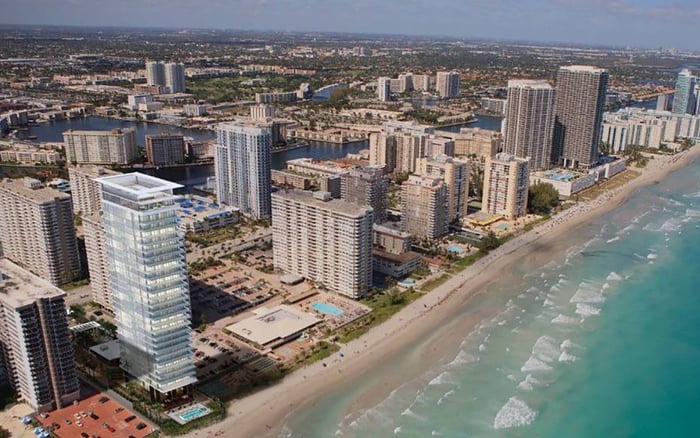
For Hallandale Beach luxury buyers, reserve funding is now a core measure of condominium quality, resale liquidity, and long-term ownership risk.
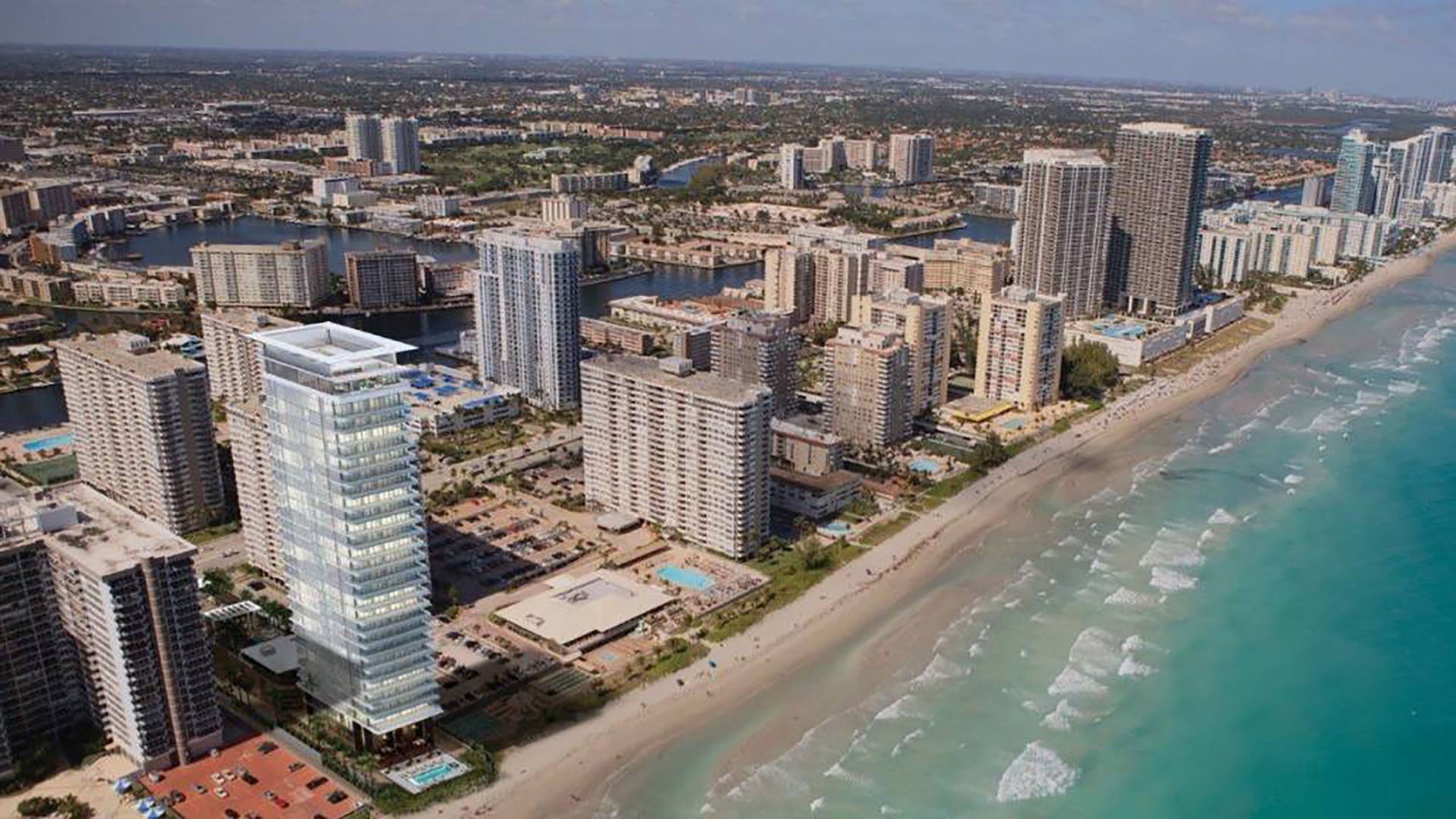
In Hallandale Beach, the most sophisticated condominium buyers are no longer evaluating a residence by views, finishes, amenities, and service alone. They are asking a quieter, more consequential question: is the building financially prepared for the work its structure, envelope, systems, and coastal setting will require over time?
That question has moved reserve funding from the back of an association packet to the center of luxury due diligence. For an oceanfront tower, the elegance of a lobby renovation or newly designed pool deck matters, but it does not replace the need to understand engineering condition, inspection timing, structural reserve planning, and future assessment exposure.
Hallandale sits in Broward, in a coastal market defined by high-rise living, salt air, concrete, waterproofing, and long ownership horizons. Buyers considering established towers or newer offerings such as 2000 Ocean Hallandale Beach and Shell Bay by Auberge Hallandale should treat reserve funding as part of the purchase itself, not as a post-closing administrative issue.
Florida’s post-Surfside condominium reforms began with SB 4-D in 2022, followed by SB 154 in 2023. Together, these measures created and clarified important inspection and reserve obligations for many condominium and cooperative buildings.
The policy shift followed the Champlain Towers South collapse in Surfside on June 24, 2021, which killed 98 people and became the central catalyst for Florida’s condominium-safety overhaul. For Hallandale buyers, the relevance is direct. Many South Florida coastal buildings share exposure to salt air, aging concrete, waterproofing stress, balcony conditions, and long-term maintenance cycles that become costly when deferred.
Florida law requires milestone inspections for certain condominium and cooperative buildings that are three stories or higher. The purpose is to determine a building’s general structural condition and whether substantial structural deterioration exists. Covered buildings generally face an initial inspection when they reach 30 years of age, with recurring inspections every 10 years afterward. Local enforcement agencies may require earlier deadlines for certain coastal buildings based on proximity to saltwater and other risk factors.
Because Hallandale Beach is in Broward, buyers should also understand the county’s Building Safety Inspection Program. For older coastal condominium towers, state requirements and local building-safety obligations should be reviewed together.
A reserve balance alone is not enough. A building can appear well funded and still face a mismatch between cash on hand, engineering findings, reserve-study assumptions, planned capital projects, and pending assessments. The more useful request is specific: show the inspection timeline, the reserve study, the funding plan, and the assessment history.
For buildings required to complete a Structural Integrity Reserve Study, that study must be repeated at least every 10 years. It must evaluate core building components, including roofs, load-bearing walls, floors, foundations, fireproofing and fire protection systems, plumbing, electrical systems, waterproofing, exterior painting, windows, and exterior doors.
Buyers should ask for the most recent Structural Integrity Reserve Study, the annual budget, reserve schedule, year-end financials, board minutes, and any notices of approved or proposed special assessments. Together, these documents help reveal whether the building is funding future work steadily through reserves or reacting through large episodic assessments.
The difference can be meaningful at the luxury level. A buyer may accept a premium monthly assessment if it reflects disciplined funding and transparency. What sophisticated buyers tend to resist is uncertainty: unclear inspection status, vague board discussions, deferred repair decisions, or a reserve plan that does not match the building’s physical reality.
In coastal condominium living, the most important questions are practical. When was the last milestone inspection? What did it find? Was Phase 2 testing required? When was the latest Structural Integrity Reserve Study completed? How much of the identified need is currently funded? What assessments are pending or likely?
Phase 2 matters because it is triggered when substantial structural deterioration is identified during the initial inspection process. That does not automatically make a building undesirable, but it makes documentation essential. Buyers should understand what was found, what work is required, whether repairs have been completed, and how the association intends to pay.
This is where luxury advisory becomes especially valuable. A renovated residence can show beautifully while the building’s underlying documents tell a more complicated story. Conversely, a building with visible capital projects and higher current fees may be taking a more responsible long-term approach than one that has kept dues artificially low.
The same discipline applies when comparing Hallandale with nearby markets. Buyers looking at Auberge Beach Residences & Spa Fort Lauderdale and The Delmore Surfside should use the same framework: inspection status, reserve study, funding plan, assessment history, and lender perception.
Many Hallandale luxury purchases involve substantial equity, and some close without conventional financing. Even then, reserve funding remains a liquidity issue. If a condominium project is viewed as risky by conventional lending standards because of unresolved critical repairs, significant deferred maintenance, or unsafe conditions, the buyer pool can shrink later.
That matters for resale. A cash buyer may not need a loan today, but the next buyer might. If financing options narrow, pricing power, transaction timing, and marketability can be affected. In that sense, reserve funding is not only a safety and governance question. It is part of the asset’s future exit strategy.
Florida law also restricts certain unit-owner-controlled associations that are required to obtain a Structural Integrity Reserve Study from voting to waive or underfund reserves for covered structural items in budgets adopted on or after the statutory deadline. Older assumptions about routinely waiving reserves may not apply in the same way going forward.
For luxury buyers, the takeaway is direct: good governance has become a premium feature. Transparent reserves, current engineering information, clear board communication, and credible funding plans can support confidence in a building’s long-term desirability.
Before moving from interest to contract, buyers should request a focused review of the association materials. The goal is not to avoid every building with capital needs. Along the coast, capital needs are normal. The goal is to distinguish planned, funded maintenance from deferred uncertainty.
Ask whether the building has completed any required milestone inspection and whether another inspection is upcoming. Ask for the Structural Integrity Reserve Study and compare its recommendations with the current reserve schedule. Review board minutes for recurring discussion of concrete restoration, waterproofing, balconies, windows, roofs, plumbing, electrical systems, and fire protection. Look for assessment notices, recent increases in monthly dues, and any special-assessment payment plans.
For newer buildings, do not assume reserve risk disappears. Insurance, future capital planning, lender scrutiny, and long-term maintenance obligations still matter. New construction can offer a cleaner starting point, but the association’s funding discipline will still define ownership quality over time.
Hallandale buyers are often choosing lifestyle first: water, privacy, access, service, and proximity to Miami and Fort Lauderdale. Reserve funding does not diminish that lifestyle story. It protects it.
What should a Hallandale Beach luxury buyer ask first about reserves? Ask for the latest milestone inspection status, Structural Integrity Reserve Study, current funding level, annual budget, and any pending assessments.
Is a high reserve balance always a sign of safety? No. The balance should be compared with engineering findings, reserve-study assumptions, upcoming projects, and assessment history.
What is a milestone inspection? It is an inspection intended to evaluate a covered building’s general structural condition and identify whether substantial structural deterioration exists.
When are milestone inspections generally required? Covered buildings generally face an initial inspection at 30 years of age, with recurring inspections every 10 years thereafter.
Can coastal buildings face earlier inspection deadlines? Yes. Local enforcement agencies may set earlier deadlines for certain coastal buildings based on saltwater proximity and other risk factors.
Why does Broward matter for Hallandale buyers? Hallandale Beach is in Broward, so buyers should consider both Florida requirements and the county’s building-safety inspection framework.
What does a Structural Integrity Reserve Study review? It reviews major components such as roofs, structural elements, foundations, fire protection, plumbing, electrical systems, waterproofing, windows, and doors.
Should cash buyers worry about reserve funding? Yes. Even without financing, future resale liquidity can be affected if lenders later view the condominium project as risky or ineligible.
Are special assessments always a red flag? Not always. The issue is whether assessments are tied to transparent findings, credible repair plans, and responsible long-term funding.
Do newer luxury buildings avoid reserve questions? No. Newer buildings still require disciplined budgeting, insurance planning, future capital reserves, and clear association governance.
For a confidential assessment and a building-by-building shortlist, connect with MILLION.
If branded residences are on your mind — as a home or as an allocation — we would be glad to share what we are seeing, privately.
Begin a quiet conversation