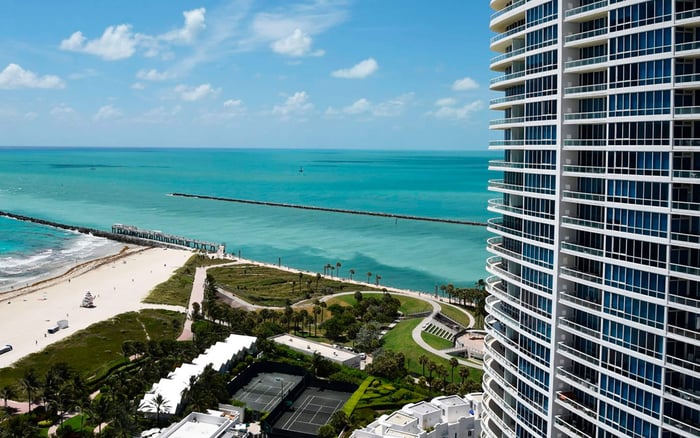
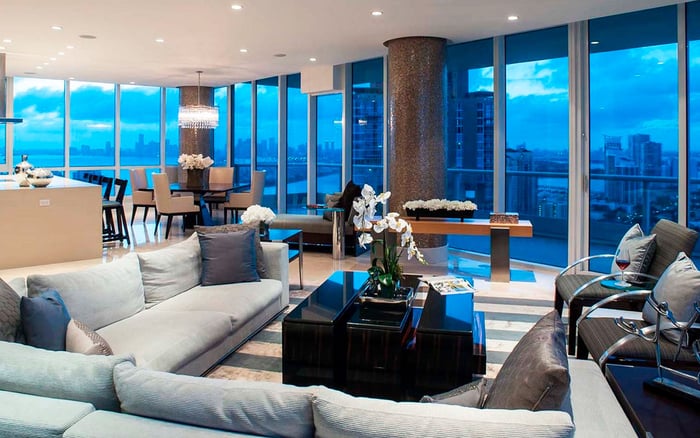
At Rivage Bal Harbour, the strongest offer begins with line-specific underwriting. Buyers should separate orientation from floor plan, test the durability of views, assess sound and solar exposure, and price privacy as a long-term asset.
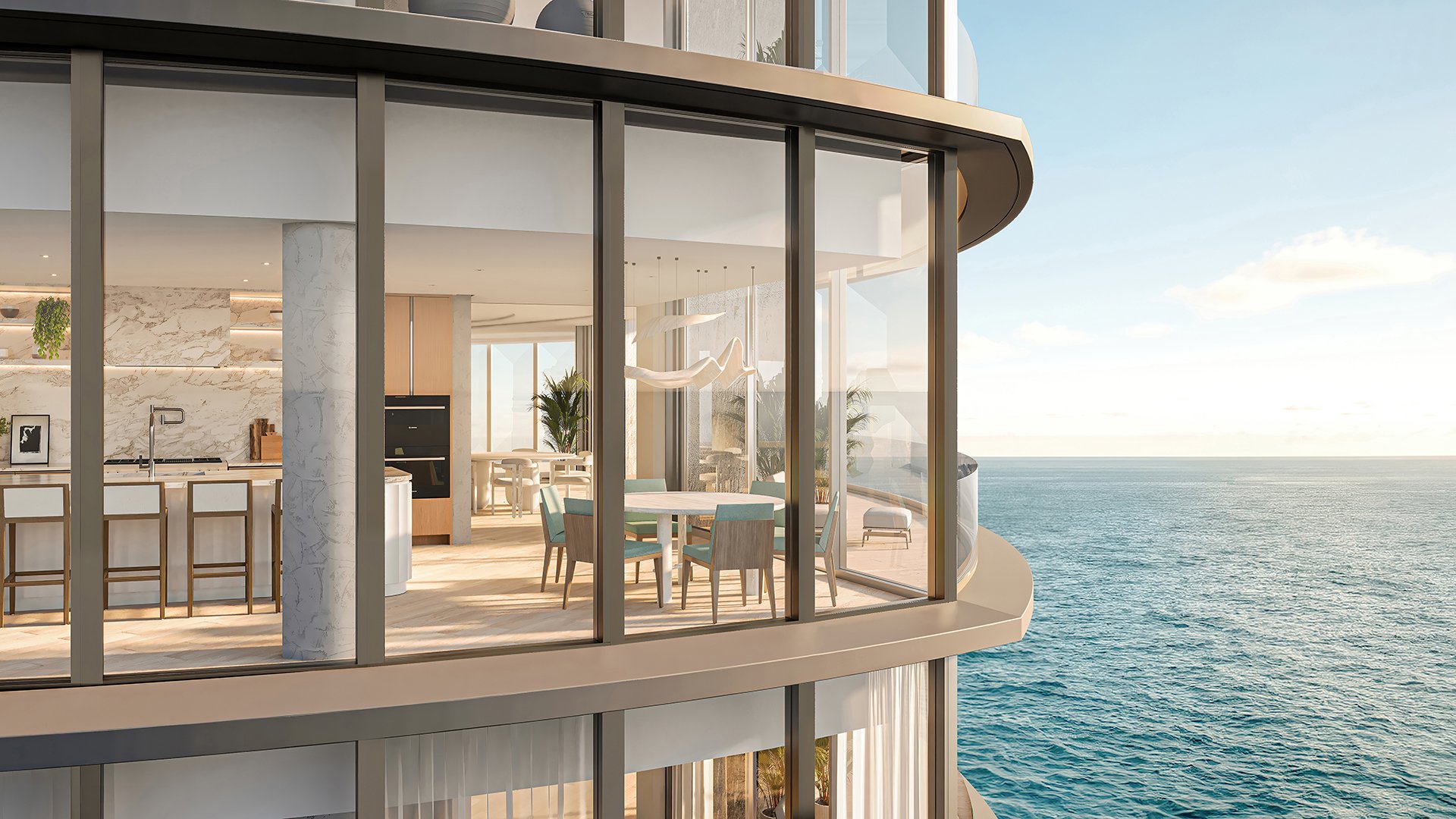
At Rivage Bal Harbour, an ultra-luxury oceanfront residence should be evaluated as two distinct propositions: the floor plan and the vertical line. The plan determines how the home functions; the line determines what surrounds it-from the angle of the ocean to roadway sound, afternoon glare, neighboring balconies, and activity along the beach.
That distinction is central to underwriting in Bal Harbour. Two residences with similar interiors can deliver materially different daily experiences because of subtle variations in orientation or placement. Oceanfront positioning establishes the broader appeal, but it does not make every exposure equivalent.
A buyer should resist treating every water-view description as interchangeable. A direct ocean panorama differs from an angled ocean outlook, just as bay and city views offer distinct qualities of light, movement, and visual depth. The relevant question is not simply whether water is visible, but how fully it commands the principal rooms and outdoor spaces.
The durability of a view matters as much as its present beauty. The official stack plan and site plan should be studied alongside existing neighboring buildings and anticipated development. Permanent attributes, such as orientation, should be distinguished from floor-dependent attributes, such as clearance above a nearby structure.
Higher floors may improve clearance in some circumstances, but elevation alone cannot correct an unfavorable angle. Buyers comparing Oceana Bal Harbour with Rivage should apply the same discipline: identify the view’s exact direction, determine what frames it, and consider whether the outlook is likely to retain its distinction over time.
Acoustic quality is line-specific. Collins Avenue traffic matters for residences exposed to the roadway, yet an ocean-facing line should not automatically be presumed silent. Beach paths and beachfront activity can also contribute ambient sound on the eastern side.
A tower’s setback from the dune line further shapes the experience. Greater visual immediacy to the ocean may heighten the perception of beachfront movement, while a different setback can alter both the composition of the view and the sound reaching a terrace.
Sound should be assessed from the rooms and outdoor areas that will receive the most use. The practical test is whether the acoustic character suits the buyer’s routine with doors closed, doors open, and while occupying the terrace.
Exposure is more than a compass direction. Morning light can create a gentle start to the day, while afternoon sun may bring heat and glare that affect interior comfort and terrace use. The most desirable orientation is personal, but its consequences should be understood before accepting a premium.
Ocean-facing exposure can deliver exceptional visual appeal while increasing contact with wind, salt air, and coastal weather. Waterfront living requires buyers to weigh the romance of an immediate ocean relationship against how the outdoor space will function across changing conditions.
This analysis extends beyond Rivage. When considering coastal alternatives such as The Delmore Surfside and The Perigon Miami Beach, buyers should ask the same questions: When is the terrace shaded? Where does glare fall? How exposed is the principal outdoor area to wind?
Privacy analysis begins by reversing the view. If a residence overlooks a neighboring tower, balcony, beach path, or common area, those locations may also have sightlines back into the home. Buyers should assess privacy from principal bedrooms, living spaces, kitchens, and terraces rather than relying on a single presentation angle.
Small differences in placement can be consequential. A slight shift may remove an adjacent balcony from the primary sightline, while another line may expose more of the interior to the beach or a neighboring building. The strongest privacy attributes often feel understated during a brief visit, yet become increasingly valuable in daily use and at resale.
The offer should reflect a line-specific balance sheet, not just headline pricing. Begin by separating durable strengths from temporary or floor-dependent advantages. A protected orientation, compelling direct panorama, or limited reciprocal sightline may justify greater confidence. Angled views, recurring glare, roadway exposure, visible neighboring balconies, or compromised terrace usability may warrant restraint.
Avoid reducing every consideration to a single premium or discount. Instead, classify each attribute by its effect on daily living, its permanence, and its likely relevance to a future buyer. A drawback that appears minor during a brief daytime tour may prove consequential if it affects the primary bedroom, evening terrace use, or the living room’s visual focus.
Before committing, verify the official stack and site plans, inspect the current surroundings, and consider anticipated neighboring development. When feasible, visit or review the exposure under different light and activity conditions. The objective is not to find a line without compromise, but to ensure the purchase price accurately reflects the specific combination of view, sound, exposure, and privacy being acquired.
Why should the line be evaluated separately from the floor plan? The line determines orientation, sightlines, noise, exposure, and privacy, while the plan primarily determines interior function.
Are all ocean views at Rivage equivalent? No. Direct panoramas, angled ocean views, and bay or city outlooks should be valued differently.
What makes a view durable? A durable view is less vulnerable to obstruction or diminished appeal from neighboring buildings and future development.
Is an ocean-facing residence necessarily quieter? No. Beach paths and beachfront activity can create ambient sound even away from Collins Avenue.
Why does the dune-line setback matter? Setback influences the immediacy of the ocean view and how strongly beachfront activity is perceived.
How should buyers assess solar orientation? Consider morning light, afternoon heat, glare, and whether the terrace remains comfortable when it will be used most.
What practical issues accompany ocean exposure? Ocean-facing homes can experience more wind, salt air, and coastal weather alongside their visual appeal.
Which privacy sightlines deserve attention? Review neighboring towers, adjacent balconies, the beach, and common areas from every principal room and terrace.
Should a higher floor always command a premium? Not automatically. Elevation should be valued according to actual clearance, view quality, sound, and privacy.
How should line analysis affect an offer? Translate durable advantages and recurring compromises into pricing rather than relying solely on headline positioning.
When you're ready to tour or underwrite the options, connect with MILLION.
If branded residences are on your mind — as a home or as an allocation — we would be glad to share what we are seeing, privately.
Begin a quiet conversation