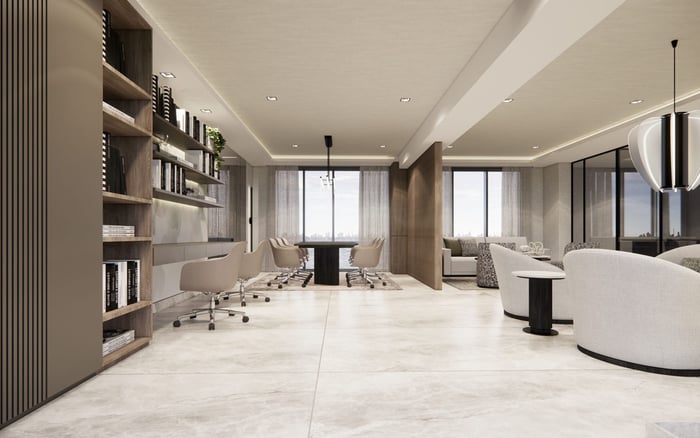
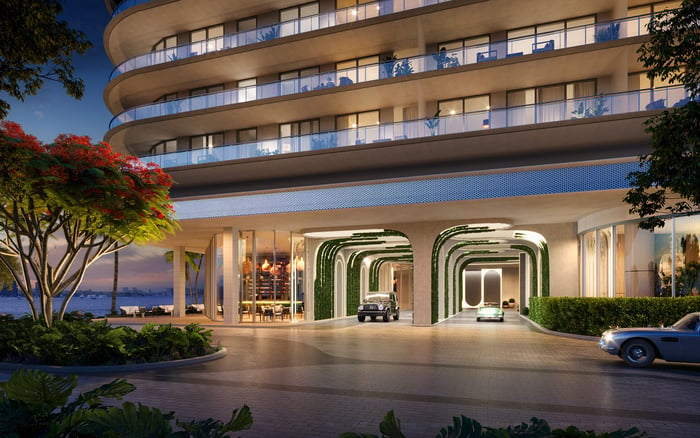
A discreet buyer’s guide to evaluating North Bay Village residences for private dinners, cocktail evenings, and larger hosted occasions in 2026.
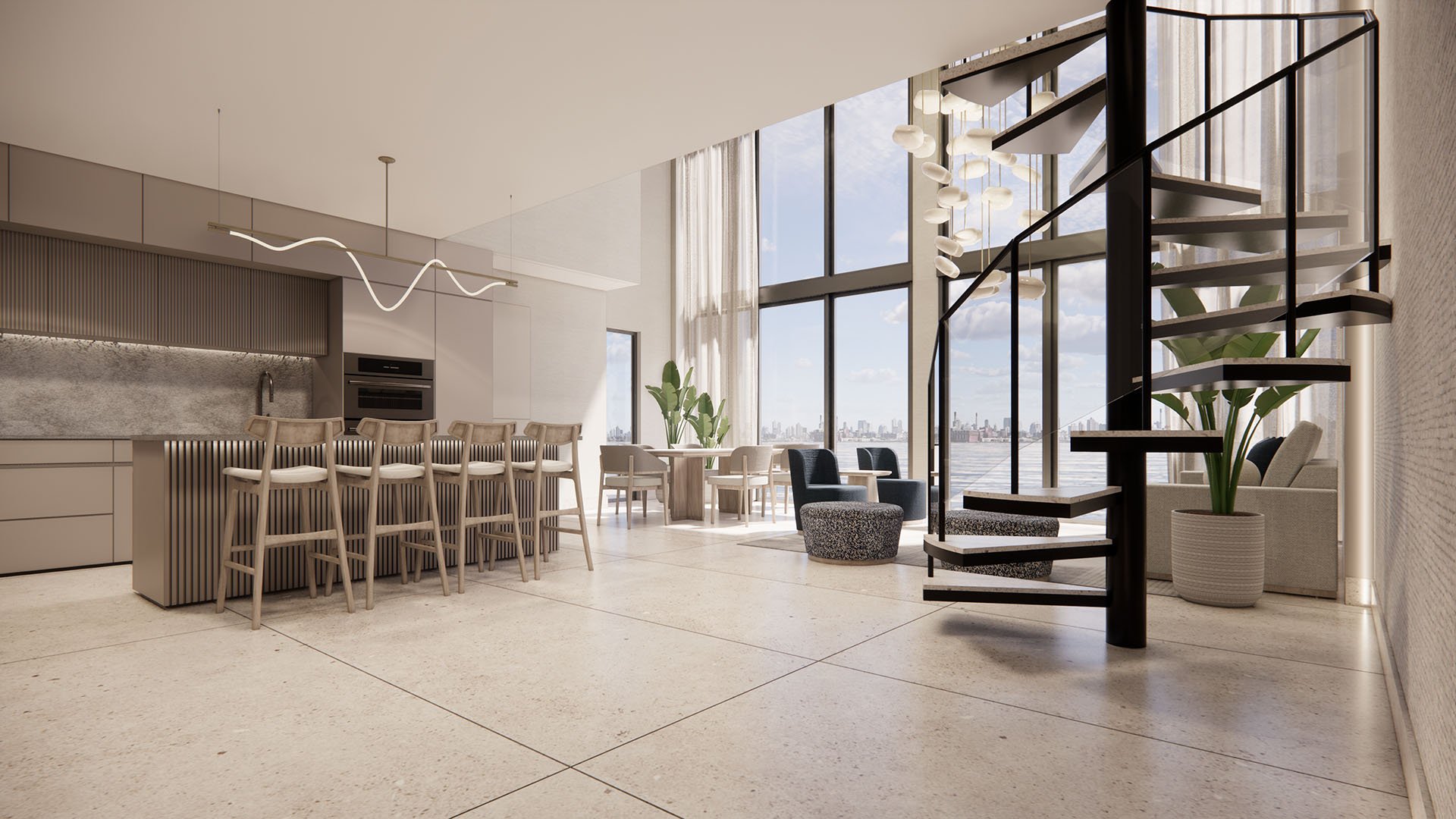
For buyers who host with intention, a luxury condominium is more than a private retreat. It is also a setting for dinners, celebrations, cocktails, and weekends with family. In North Bay Village, the most compelling 2026 search is therefore not simply for a beautiful residence, but for a home that supports hospitality with ease and grace.
That distinction matters. A generous living room may photograph well yet impede guest circulation. An amenity lounge may appear polished yet provide limited privacy, restrictive hours, or little meaningful catering support. The best choice aligns the residence, shared spaces, operating rules, and service logistics with the buyer’s actual style of entertaining.
North Bay Village also places buyers within the broader social geography of Miami Beach and the mainland. That context may appeal, but the purchase decision should remain exacting: waterfront atmosphere alone does not establish entertaining capacity.
Private dining can describe three distinct experiences. The first takes place entirely within the residence, with a dining area, kitchen, storage, powder room, and circulation plan capable of accommodating guests. The second centers on a reservable room within the building. The third is a hybrid evening, with cocktails at home followed by dinner in a shared venue.
Buyers should determine which version they will use most often. A couple hosting six guests each month has different requirements from an owner planning occasional milestone dinners. Request dimensioned plans, then map the table, seating clearances, serving route, coat placement, bar setup, and access to a guest bathroom. A terrace can add atmosphere, but it should complement the entertaining plan rather than serve as its sole solution.
Continuum Club & Residences North Bay Village merits an initial review from buyers seeking a residence in the neighborhood. Do not assume that a project name or presentation guarantees a particular hosting experience. Request current plans and governing materials, then evaluate private dining options at both the residence and building levels.
For each preferred floor plan, test whether guests can enter without crossing the working side of the kitchen, whether dining furniture fits at full occupancy, and whether service can remain discreet. If a shared dining space matters, confirm its capacity, reservation priority, hours, fees, staffing boundaries, and cleanup requirements in writing.
Shoma Bay North Bay Village is another project to include in a disciplined comparison. Rather than relying on a broad amenity description, examine how an actual evening would unfold from guest arrival through departure.
Execution is decisive. Can outside caterers enter efficiently? Is there an approved-vendor policy? Where can food staging occur? Are deliveries separated from guest circulation? Can music continue through dessert without conflicting with building rules? A project may suit intimate dinners beautifully while proving less appropriate for larger gatherings-or the reverse. The buyer’s usual guest count should set the benchmark.
Buyers considering Tula Residences North Bay Village should apply the same evidence-based standard. New-construction purchases require particular attention to the difference between conceptual presentation and the final rights, dimensions, finishes, and operating policies delivered at closing.
Study the relationship among the kitchen, dining area, living room, and outdoor space. A strong plan offers more than square footage. It provides comfortable circulation, practical furniture walls, concealed storage, flattering lighting opportunities, and sufficient separation between preparation and conversation. For buyers who prefer smaller gatherings, intimacy and acoustic control may hold more value than nominal capacity.
Begin with the residence. Mark a realistic guest count on the plan, allowing for occupied chairs, servers, open doors, and movement between rooms. Determine whether the kitchen offers sufficient landing surfaces and storage for serving pieces. Identify where flowers, wine, ice, glassware, and coats will go. A beautifully edited interior can quickly feel constrained when these practical needs are overlooked.
Then evaluate the common areas. Define “private” precisely: exclusive use during a reservation, visual separation from circulation, control over music, and clear rules for staff and guests. Review booking windows, cancellation terms, deposits, insurance requirements, alcohol policies, and frequency limits. If outdoor hosting matters, determine how wind, rain, furniture, lighting, and sound restrictions affect its use.
Finally, examine arrival and departure. Valet or parking procedures, lobby access, elevator capacity, guest registration, security protocols, and ride-share pickup can shape the tone of an evening. The most successful entertaining often feels the least visibly complicated.
Marketing language should never substitute for the documents governing ownership and use. Buyers should have their advisers review the purchase agreement, condominium documents, budgets, rules, reservation policies, and all materials defining amenity access. Confirm whether showcased spaces are included, how they may be changed, and which costs may be charged to hosts.
Request written clarification for any feature central to the purchase decision. If a private dining room is essential, its anticipated existence is not enough. Buyers need to understand access, exclusivity, scheduling, capacity, food-service limitations, and the association’s authority to revise rules. The same discipline applies to terrace use and any space presented as an extension of the home.
There is no universal winner. The strongest candidate is the one that performs well at the owner’s most frequent scale, whether that means a quiet dinner for eight, a family holiday, or a catered reception. Compare identical scenarios across projects and residences, relying on current plans and documents rather than impressions.
For a 2026 purchase, prioritize flexibility, privacy, and operational ease. A residence that accommodates ordinary dinners elegantly will often prove more satisfying than one optimized solely for rare large events. The goal is not maximum capacity at any cost, but hospitality that feels natural to the home.
What is the first entertaining feature buyers should evaluate? Start with the residence’s circulation plan, because guest comfort depends on how the entry, dining area, service route, and bathrooms connect.
Is a resident lounge the same as a private dining room? No. Buyers should confirm whether the space can be reserved exclusively and whether dining, catering, and alcohol are permitted.
How should buyers estimate an appropriate guest count? Use a furnished, dimensioned plan and account for chairs, servers, open doors, serving stations, and circulation.
Why do reservation rules matter before purchase? Booking windows, fees, time limits, deposits, and cancellation policies can determine whether an amenity is practical to use.
Should outdoor space be counted toward entertaining capacity? Treat it as supplemental unless weather, wind, sound, furniture, and access conditions have been carefully reviewed.
What should buyers ask about caterers? Confirm vendor approval, insurance, loading access, staging areas, service elevators, kitchen use, and cleanup obligations.
Can condominium entertaining policies change? They may be subject to governing documents and association authority, making legal review important before buyers rely on current practices.
Are larger residences always better for hosting? No. Efficient circulation, storage, acoustics, lighting, and separation of preparation areas can matter more than raw size.
What documents deserve particular attention? Review the purchase agreement, condominium documents, budgets, rules, amenity policies, plans, and written project disclosures.
How can buyers compare projects fairly? Apply the same guest scenario to each option and verify every material feature through current plans, policies, and contracts.
If you'd like a private walkthrough and a curated shortlist, connect with MILLION.
If branded residences are on your mind — as a home or as an allocation — we would be glad to share what we are seeing, privately.
Begin a quiet conversation